

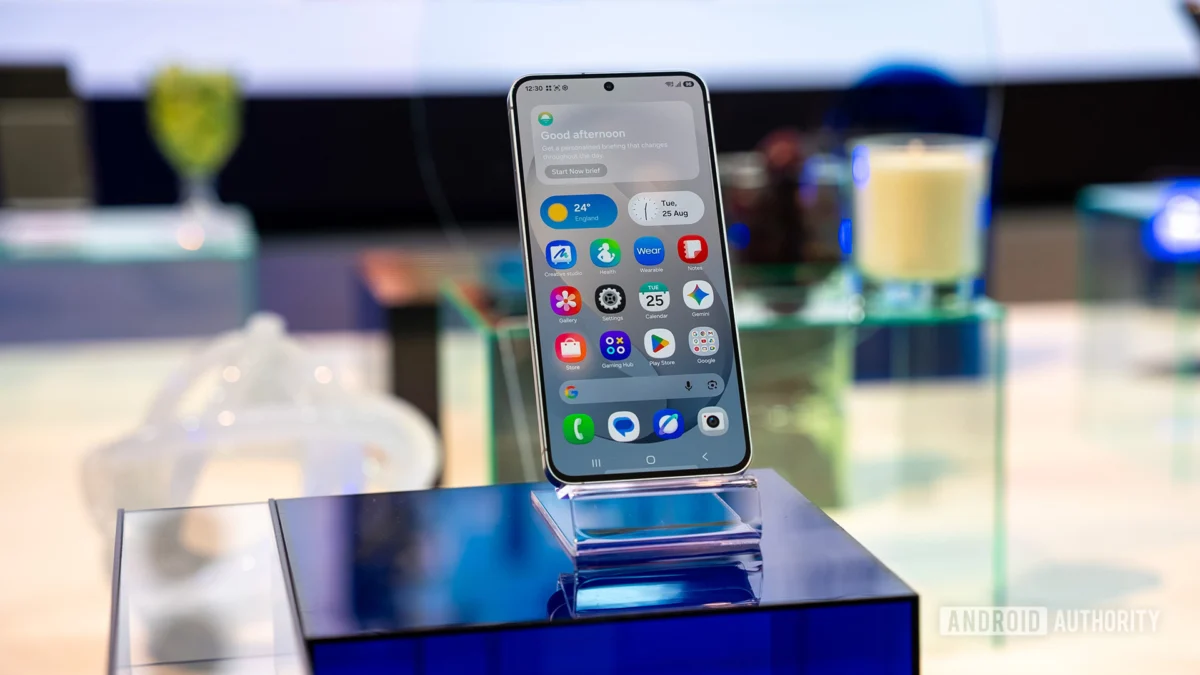
The smartphone industry has reached an intriguing juncture where the boundaries separating premium flagships from upper-mid-tier devices are increasingly blurred. Within this dynamic landscape, Samsung’s Fan Edition (FE) lineup has historically occupied a unique niche. Last year’s iteration captured the attention of tech enthusiasts and budget-conscious consumers alike, not because it boasted bleeding-edge specifications that could rival the absolute pinnacle of mobile engineering, but because it struck an optimal balance between cost and everyday practicality. While a spec-sheet comparison against its mainline S-series counterparts readily exposed compromises in display quality, sensor hardware, and raw computational headroom, its enduring appeal stemmed from exceptional value retention, particularly regarding endurance and charging convenience.
Building upon this calculated blueprint, Samsung has officially taken the wraps off the Galaxy S26 FE. The newly minted device introduces a calculated blend of iterative design refinements, silicon advancements, and sophisticated software adaptations. By carefully injecting select flagship capabilities into a more accessible package, the tech giant aims to reinforce its stronghold in the fiercely contested sub-premium segment. However, an exhaustive analysis reveals that this year’s release is a study in calculated trade-offs—balancing necessary architectural enhancements against persistent hardware constraints.
Under the hood, the most significant transformation involves a much-needed silicon overhaul. Positioned strategically to bridge the chasm between Samsung’s most advanced mid-range offerings and the mainline flagship family, the latest FE model departs from its predecessor’s processing architecture. It adopts the Exynos 2500 chipset, an advanced processor that initially debuted within the company’s foldable ecosystem. Manufactured using a cutting-edge 3-nanometer fabrication process, this silicon brings notable generational improvements, including moderately elevated clock speeds across its deca-core CPU configuration, enhanced energy efficiency courtesy of an AMD RDNA-powered Xclipse 950 graphics processor, and a substantially fortified Neural Processing Unit designed to accelerate machine learning workloads.
Despite these architectural leaps, industry observers will note a distinct omission: the Exynos 2500 lacks the specialized passive thermal radiator known as the Heat Pass Block, a hardware addition that Samsung reserved for its primary flagship silicon released earlier in the year. This distinction underscores Samsung’s segmented approach to thermal management across its product portfolio, potentially impacting sustained peak performance during intensive gaming sessions or heavy computational tasks.
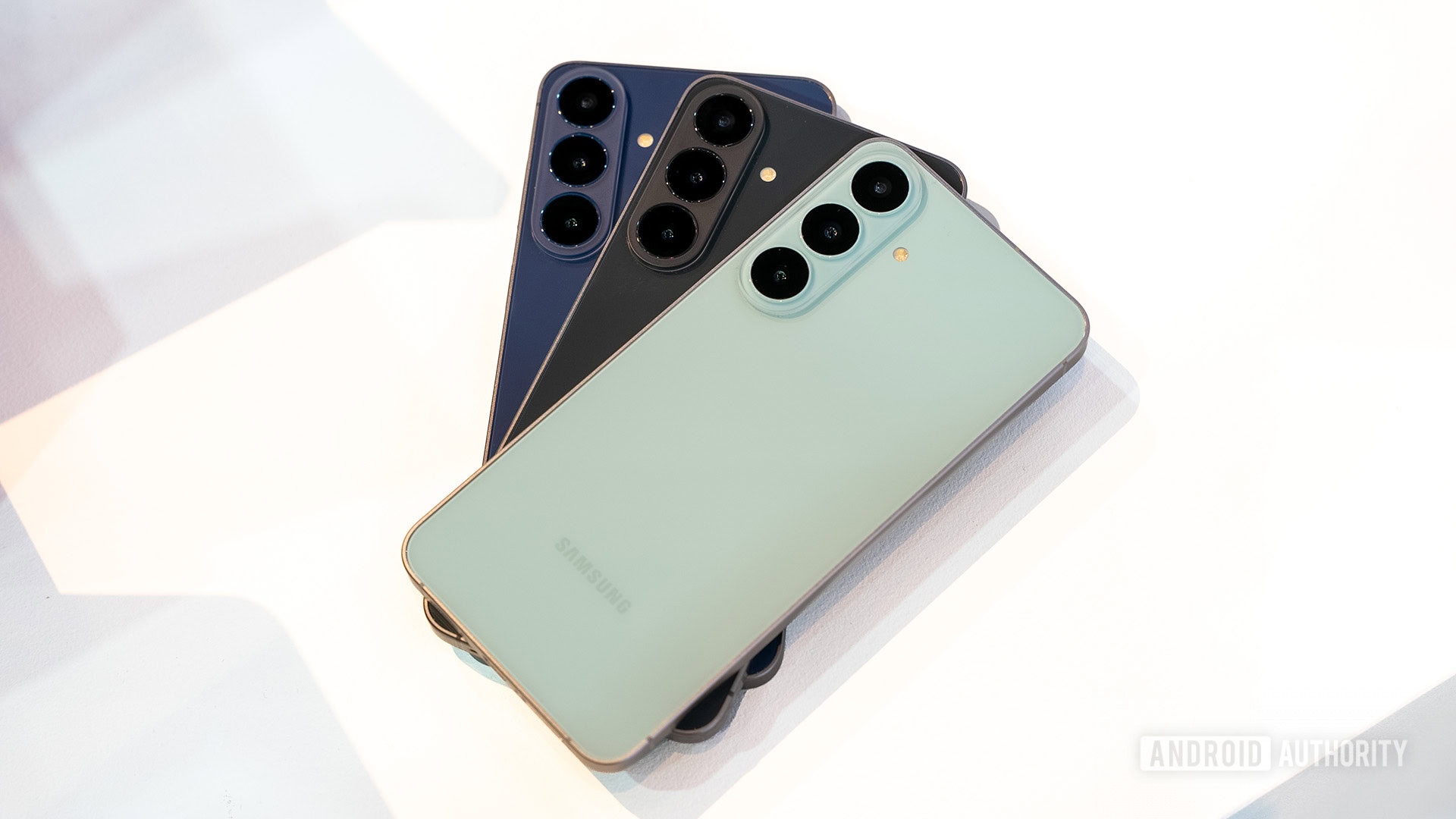
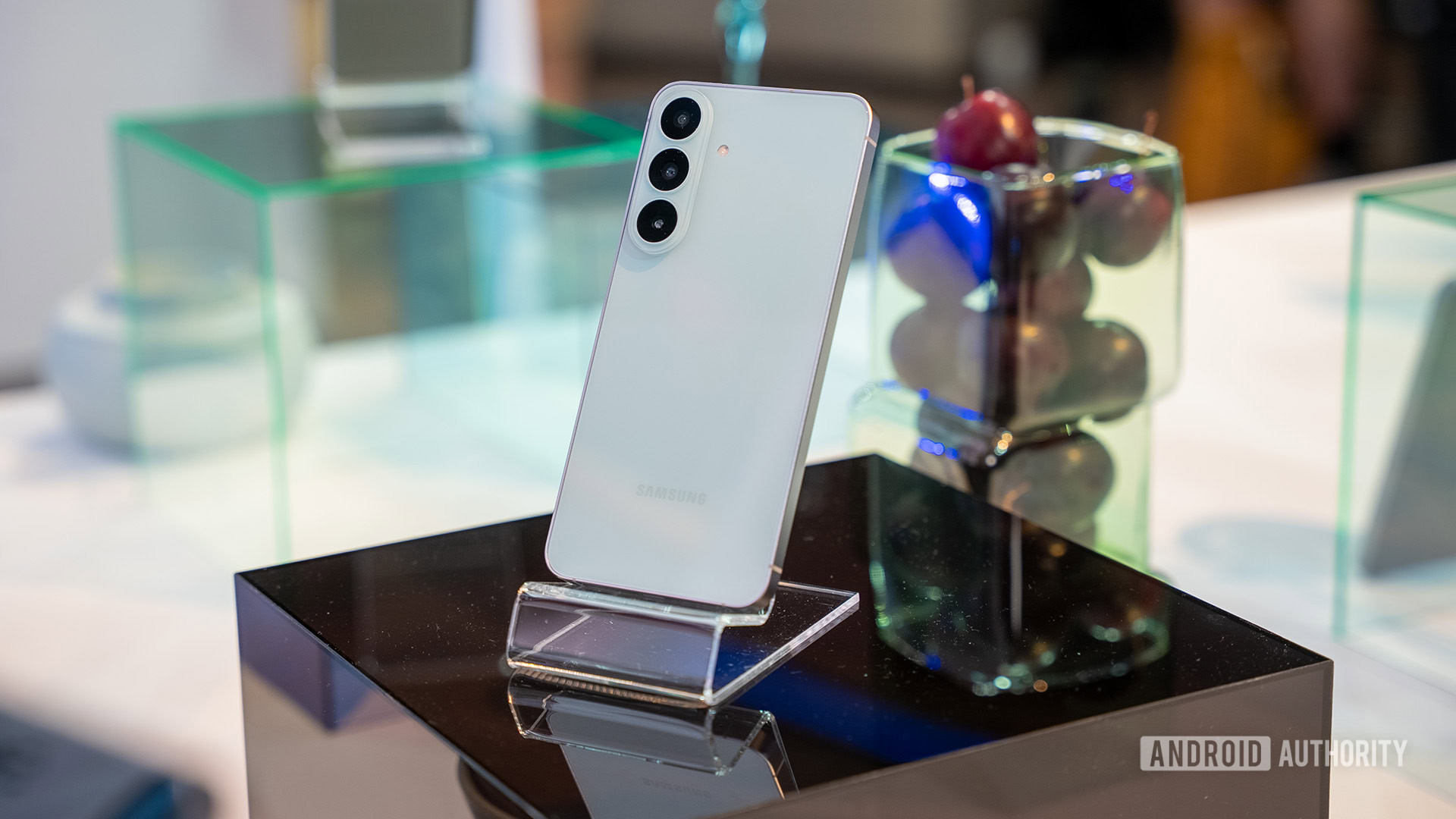
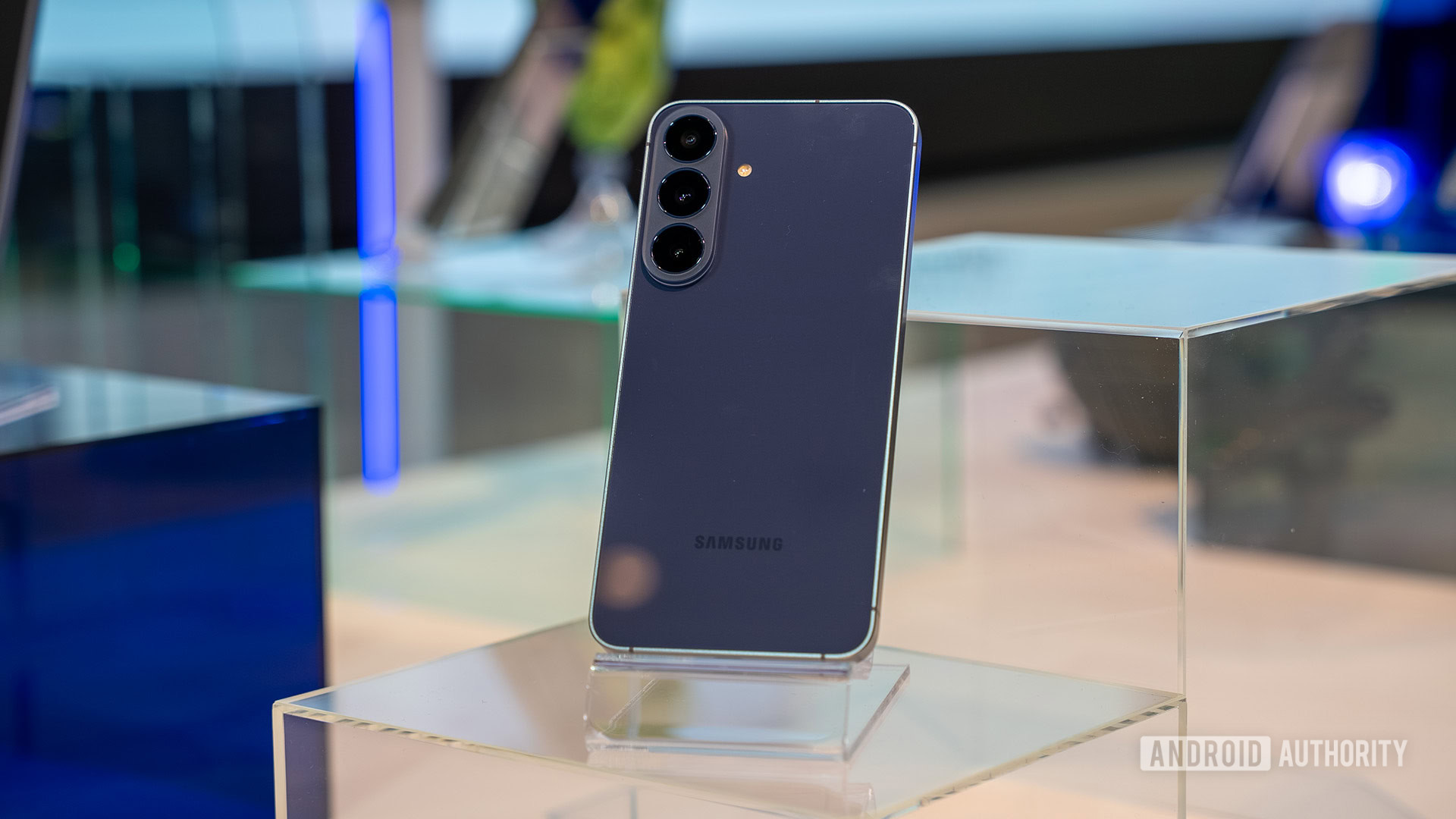
Aesthetics and ergonomics also receive subtle attention, though changes remain evolutionary rather than revolutionary. The rear camera housing features a refined contour that creates a sleeker profile visually, even if physical dimensions and structural thickness remain largely consistent with previous generations. Palette choices have similarly been refreshed, introducing familiar yet refined hues: a deep dark blue dubbed "Blueberry," a muted green designated as "Pistachio," and a timeless black variant known as "Graphite." While these tones resonate well with consumer preferences established in prior product cycles, they represent continuity rather than a bold design departure.
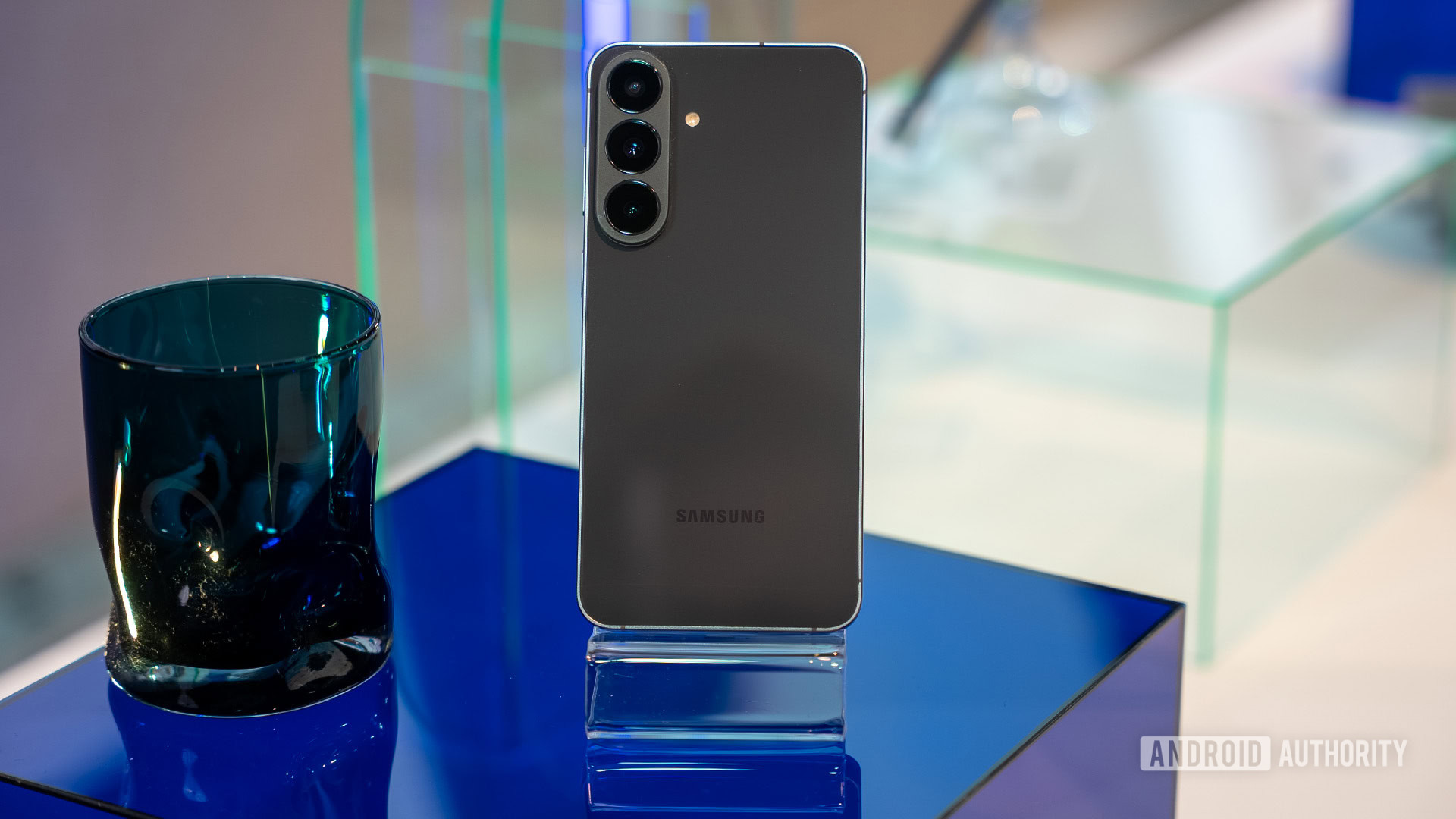
Turning to optoelectronics and core physical attributes, the hardware layout reveals a striking sense of familiarity. The imaging apparatus relies on a triple-lens rear array that mirrors last year’s configuration, comprising a 50-megapixel primary sensor, an 8-megapixel telephoto lens, and a 12-megapixel ultrawide sensor. Yet, technological progression is not solely a matter of raw hardware swapping; Samsung asserts that the upgraded processing pipeline allows the 50-megapixel main camera to extract superior detail and clarity at close-range 1X to 2X zoom levels. Similarly, the display remains anchored by a vibrant 6.7-inch AMOLED panel, paired with a dependable 4,900mAh battery supporting 45W wired charging capabilities. While industry trends increasingly lean toward advanced silicon-carbon battery chemistries for enhanced energy density—a path Samsung has pursued in its latest foldable devices—the FE line maintains conventional battery technology. Nevertheless, preliminary power management profiles suggest optimized longevity, though independent verification under rigorous real-world workloads will ultimately dictate its efficiency standing.
A more critical point of discussion centers on memory allocation. Sticking firmly to an 8GB RAM ceiling, the device risks encountering longevity bottlenecks. As on-device artificial intelligence engines expand in scope and complexity, and as operating systems demand greater working memory to sustain continuous background intelligence, an 8GB threshold may test consumer patience over the course of a multi-year ownership cycle.
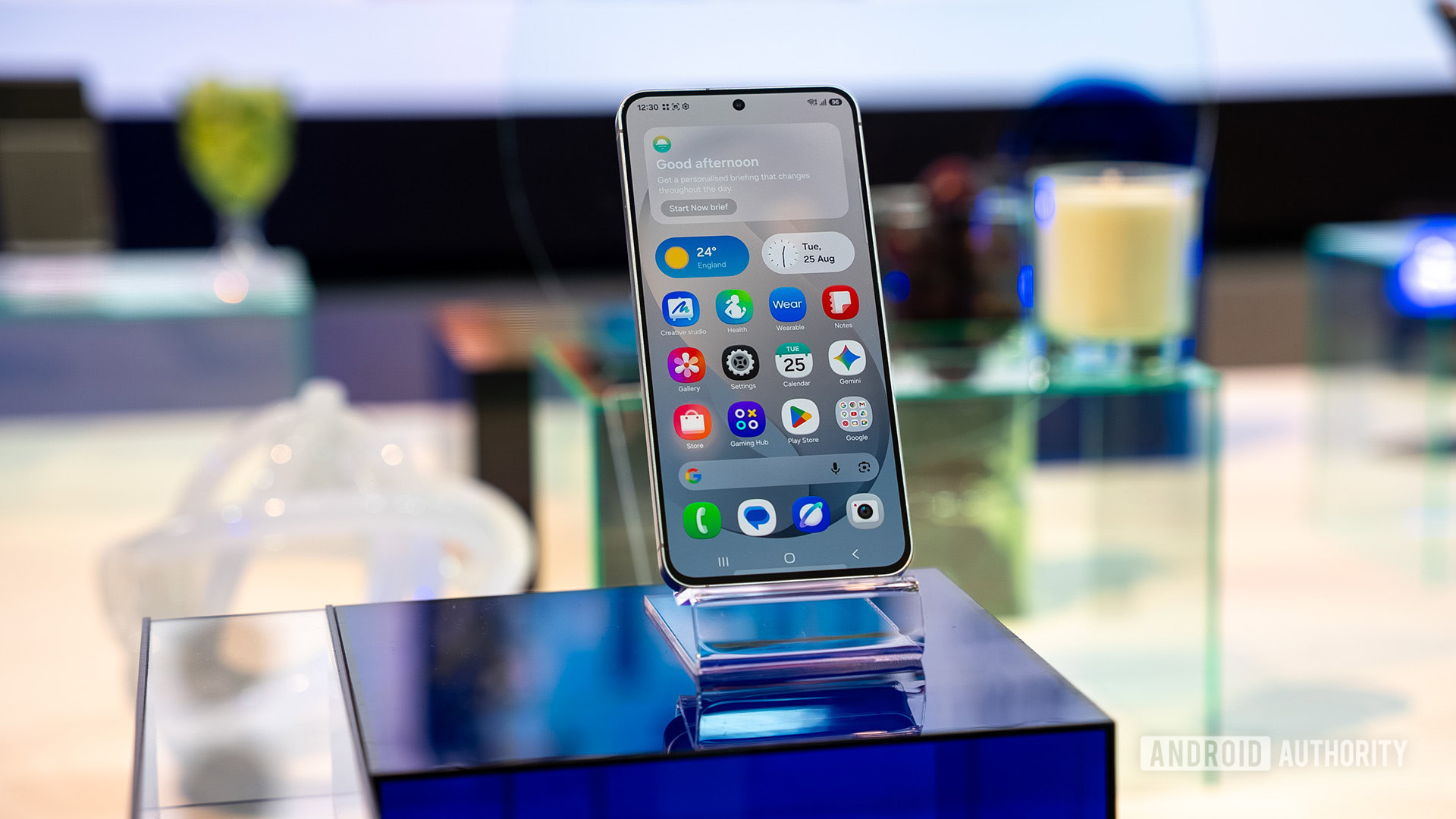
Fortunately, software prowess helps offset hardware conservatism. Shipping with the latest One UI iteration, the device leverages intelligent software features designed to elevate the user experience closer to mainline flagship standards. Camera utility is notably enhanced through the integration of Horizon Lock for rock-steady video stabilization and advanced low-light video processing algorithms. Furthermore, the inclusion of My FanCam—a feature that dynamically tracks and centers specific subjects during video capture—marks its first appearance on a non-foldable Samsung handset.
Beyond imaging, the software suite introduces customized interface cards within briefing widgets and harnesses cross-app intelligence backed by advanced cloud and on-device models to streamline daily productivity. Demonstrating long-term commitment, Samsung pairs these software innovations with its industry-standard seven-year update policy, ensuring that the device remains secure and feature-relevant well into the next decade.
Market positioning and pricing strategy tell the final story of the launch. Scheduled for retail availability soon, the initial configuration pairs 128GB of internal storage with the aforementioned 8GB of RAM, commanding a retail price of $699.99—representing a modest $50 price adjustment compared to its predecessor. A higher-tier 256GB storage option is slated to arrive subsequently, though higher memory configurations remain absent from the roadmap for now. To sweeten the value proposition, buyers will also receive a complimentary six-month subscription to Google’s advanced AI suite.
Ultimately, the latest Fan Edition entry encapsulates Samsung’s calculated strategy for the modern consumer electronics market. By pairing a refined 3nm processor, advanced software capabilities, and an aggressive software support lifecycle with cost-saving measures on legacy camera hardware and memory, the device carves out a pragmatic middle ground. It challenges consumers to weigh the allure of cutting-edge flagship luxuries against the pragmatic economy of a well-rounded, long-lasting daily driver.
