


The modern threat landscape is defined by an uncompromising pivot toward identity-based exploitation, where human psychology is systematically targeted to bypass perimeter defenses. A sophisticated and aggressive wave of cyberattacks has recently descended upon some of the world’s most prestigious financial institutions, including elite hedge funds, private-equity giants, and asset management conglomerates. These calculated incursions, which leverage highly persuasive voice phishing (vishing) techniques combined with real-time adversary-in-the-middle (AitM) infrastructure, have been definitively tied to a prolific and financially motivated threat cluster tracked by cybersecurity researchers as UNC6671.
This dangerous adversary collective shares operational lineages and strategic DNA with the notorious BlackFile extortion ecosystem. The recent onslaught highlights a troubling evolution in how cybercriminal syndicates target high-value targets. Rather than relying on traditional malware or brittle zero-day vulnerabilities, UNC6671 targets the human element—specifically employees within corporate organizations—to acquire administrative footing inside complex enterprise cloud environments. As institutional asset managers grapple with these coordinated intrusions, the cybersecurity community is forced to reevaluate the resilience of modern authentication frameworks, identity governance policies, and employee awareness protocols.
Anatomy of an Elite Targeting Campaign
The sheer scale and ambition of the recent attacks became apparent following investigative disclosures revealing that prominent alternative asset management firms—such as Point72 Asset Management, Millennium Management, Two Sigma Investments, and Citadel—alongside several major private-equity enterprises, were squarely in the crosshairs of the threat actors. These firms manage trillions of dollars in global capital, making them lucrative targets for extortionists seeking massive payouts.
Despite the gravity of the campaign, preliminary findings from incident response investigations indicate that many of these targeted organizations possessed sufficient internal visibility to mitigate widespread damage. For instance, Point72 disclosed to its investor base that although it had been targeted by the vishing campaign, subsequent forensic evaluations uncovered no evidence indicating that sensitive client data had been exfiltrated. Similarly, Two Sigma confirmed that its security apparatus successfully intercepted and blocked the attempted intrusion, ensuring that corporate systems and proprietary data remained untainted and secure. Meanwhile, other industry titans maintained a cautious posture, reflecting the delicate balance financial institutions must strike between transparency and protecting proprietary operational intelligence.

Behind the scenes, threat intelligence analysts have been mapping the operational infrastructure of the perpetrators to understand how a single collective managed to infiltrate or attempt penetration across multiple tier-one financial entities simultaneously. According to intelligence provided by Google’s Threat Intelligence Group (GTIG), the campaign is orchestrated by a unified intrusion group operating under the designation UNC6671.
The Multi-Brand Extortion Strategy
What makes UNC6671 particularly difficult to track and contain is its deliberate strategy of operational diversification. While security researchers initially categorized the threat actors under the public banner of the "BlackFile" campaign—a data-theft extortion collective that first materialized in early 2025 with an aggressive string of attacks targeting retail and hospitality organizations—the group has since fractured its public persona.
According to principal threat analysts at Google, UNC6671 has successfully transitioned its extortion operations across a fragmented matrix of public brands, including Redact, Pink, Helix, and Falcon. Despite the varying nomenclature presented to victims on leak sites and extortion portals, threat intelligence assessments confirm that a single core intrusion group drives the helpdesk vishing operations and subsequent cloud data theft across these multiple public fronts. This modular branding approach allows the threat actors to obscure their true provenance, complicate attribution efforts by security teams, and rapidly pivot their extortion narratives depending on the profile of the compromised enterprise.
The operational arc of UNC6671 illustrates a calculated diversification strategy. Following their initial focus on retail, manufacturing, healthcare, real estate, technology, transportation, and hospitality sectors throughout 2025, the group’s targeting priorities underwent a sharp vertical shift. By mid-2026, intelligence reports indicated that the syndicate had pivoted decisively toward high-yield financial verticals, concentrating their efforts on private-equity firms, hedge funds, prominent legal practices, and credit-rating agencies.
The financial incentives driving this pivot are staggering. Threat telemetry gathered by GTIG reveals that between January and May of 2026 alone, researchers tracked over $10.6 million USD in Bitcoin payments flowing directly into digital wallets controlled by the extortion network. Initial ransom demands floated by the operators frequently exceed $3 million USD. However, protracted extortion negotiations typically result in settled payouts hovering around the $750,000 USD mark—a sum that many organizations calculate as a lesser evil compared to regulatory penalties, reputational damage, or the public disclosure of proprietary intellectual property.

Technical Mechanics: Vishing and Cloud Hijacking
The tactical playbook executed by UNC6671 relies heavily on social engineering rather than software exploitation, proving once again that the human firewall remains the most fragile component of enterprise security. The attack chain typically begins with operators contacting employees directly on their personal mobile devices. Spoofing corporate IT support channels or internal help desks, the callers project an aura of urgency and authority, informing workers that immediate action is required to enroll in newly mandated passkeys or update their multi-factor authentication (MFA) security settings.
Once the victim is hooked, the threat actors direct them toward meticulously crafted rogue domains designed to impersonate the targeted employee’s corporate infrastructure. These malicious portals host sophisticated adversary-in-the-middle phishing kits capable of intercepting and relaying authentication traffic in real time. Unlike legacy phishing sites that simply capture static username and password combinations, AitM frameworks sit transparently between the user and the legitimate corporate identity provider, harvesting session cookies and session tokens the moment authentication succeeds.
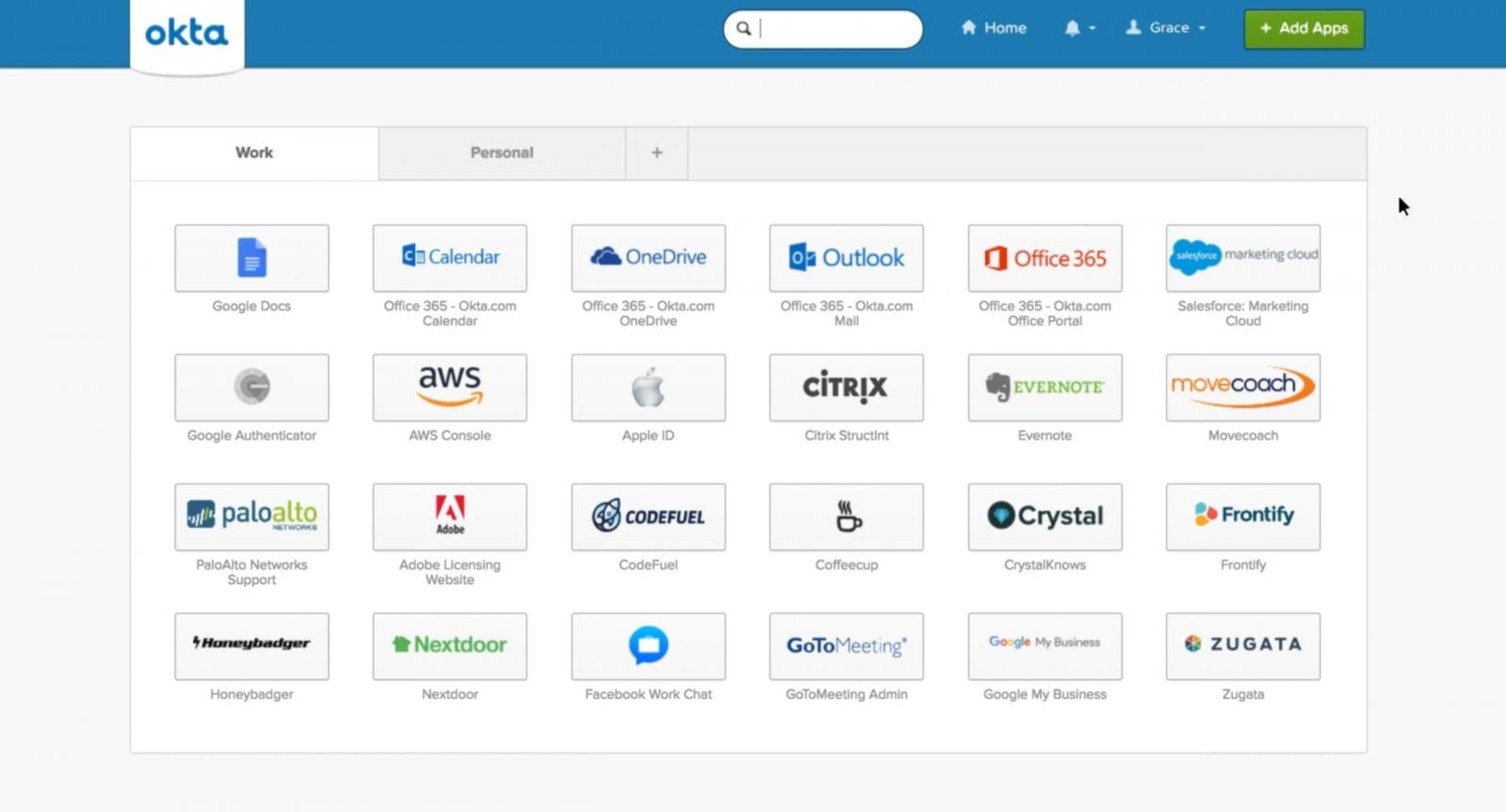
Armed with stolen session credentials—frequently targeting enterprise identity pillars such as Microsoft 365 or Okta single-sign-on (SSO) dashboards—the attackers bypass traditional MFA prompts entirely. By authenticating directly into the central SSO dashboard, the intruders instantly inherit the comprehensive application privileges associated with the compromised employee’s profile. This grants them lateral access to an array of linked cloud services, document repositories, and communication tools.
To maximize the impact of the breach before detection occurs, UNC6671 operators deploy automated data-theft tools designed to rapidly siphon sensitive files from every accessible cloud service. Concurrently, the attackers practice aggressive persistence and anti-forensics hygiene, actively scrubbing security notifications, sign-in alerts, and password-reset confirmations from the victim’s compromised inbox to delay internal detection and prolong their dwell time within the environment.
Differentiating Threat Clusters in the Identity Threat Landscape
The heavy reliance on helpdesk vishing and real-time authentication interception has drawn inevitable comparisons to other high-profile cybercriminal collectives, most notably the group historically tracked as Scattered Spider (also known as UNC3944). Both syndicates have mastered the art of social engineering IT personnel and corporate help desks, weaponizing organizational empathy and procedural compliance against itself.
However, threat intelligence researchers emphasize crucial operational distinctions between Scattered Spider and the perpetrators driving the UNC6671 campaign. While the tactical overlap in vishing and AitM token theft is undeniable, deep-dive forensic analyses of infrastructure, domain registration patterns, hosting providers, and the multi-brand extortion ecosystem reveal distinct operational boundaries. Google’s threat analysts maintain that UNC6671 represents a discrete, highly organized syndicate with its own unique infrastructure pipelines and extortion frameworks, currently handling dozens of active victim remediation engagements globally.
Industry Implications and the Future of Cloud Defense
The emergence of campaigns like UNC6671 sends a clear and sobering message to corporate boards and Chief Information Security Officers (CISOs) across the financial sector and beyond. Traditional perimeter security and standard multi-factor authentication implementations are no longer sufficient to deter determined, human-centric adversaries. As enterprise infrastructure migrates deeper into cloud-native and SaaS ecosystems, the identity layer has effectively become the new corporate perimeter.
Securing this modern perimeter requires a paradigm shift in how organizations approach identity governance and employee training. Financial institutions must implement phishing-resistant MFA standards—such as FIDO2/WebAuthn hardware security keys or device-bound passkeys—which are inherently immune to adversary-in-the-middle interception kits because they cryptographically bind authentication to the legitimate origin domain.
Furthermore, organizations must overhaul their IT helpdesk verification protocols. The traditional practice of trusting verbal confirmation or simple callback procedures over personal mobile numbers must be replaced with strict out-of-band verification pathways using dedicated, internal security applications. Implementing continuous user behavior analytics (UBA) and behavioral biometric monitoring can also help security operations centers (SOCs) detect anomalous session token usage, impossible travel scenarios, and rapid automated data exfiltration before extortion groups can weaponize stolen corporate assets.
Ultimately, the persistent threat posed by UNC6671 and its multi-brand extortion apparatus underscores an enduring reality in cybersecurity: technology can be patched, configured, and hardened, but human psychology requires continuous education, rigorous procedural checks, and an institutional culture of healthy skepticism. As threat actors continue to refine their social engineering artistry, the financial sector must adapt with equal agility, transforming human employees from the weakest link into an active, resilient line of defense.
