

The trajectory of the Splatoon franchise has been nothing short of meteoric. What began as a risky, ink-based experimental shooter on the ill-fated Wii U has blossomed into one of Nintendo’s most reliable intellectual properties, standing shoulder-to-shoulder with titans like The Legend of Zelda and Super Mario. However, with the release of Splatoon Raiders, Nintendo has signaled a profound shift in how it handles its core IPs during the transition into the Switch 2 era. By leaning into the looter-shooter genre—a space typically dominated by gritty, live-service Western titles—Nintendo is proving that its "fun-first" philosophy can reinvent even the most saturated market segments.
Splatoon Raiders arrives at a curious time for the company. While the industry at large grapples with ballooning development budgets and a string of high-profile failures in the live-service space, Nintendo has opted for a "quiet best" approach. This isn’t a flashy, paradigm-shifting revolution like Breath of the Wild was for open-world games. Instead, it is a masterclass in iterative refinement, taking the most addictive elements of Splatoon 3’s PvE (Player vs. Environment) mode, Salmon Run, and expanding them into a standalone experience that balances accessibility with deep, rewarding progression.
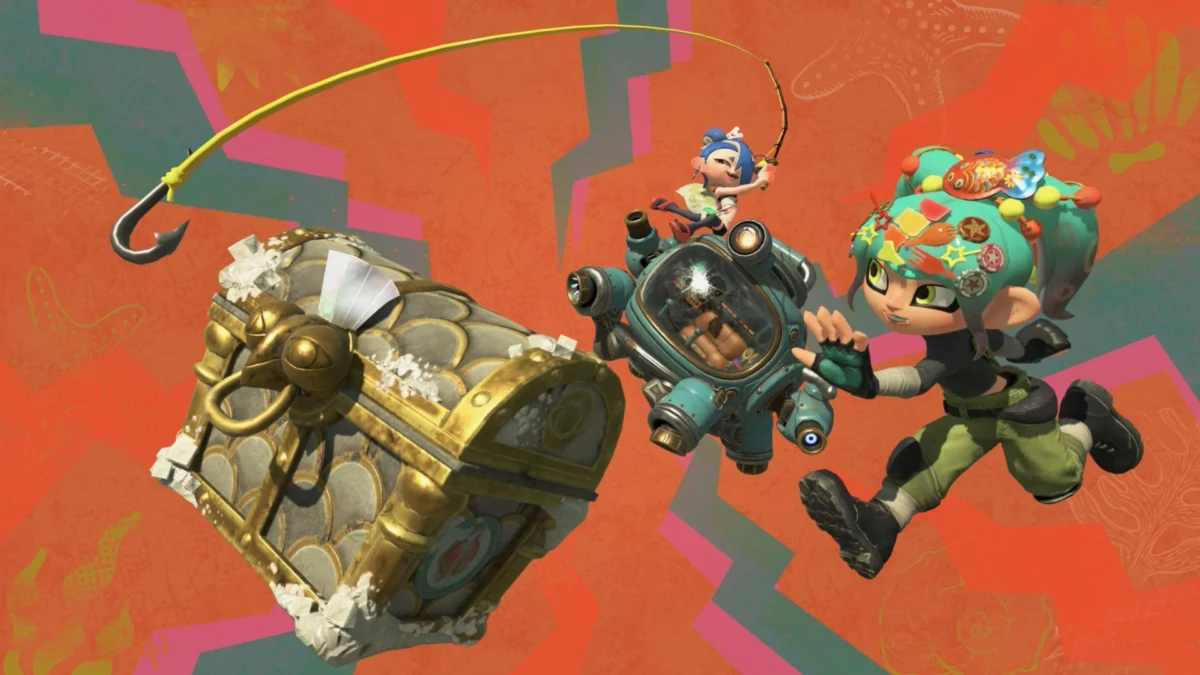
At its core, Raiders moves away from the high-stakes competitive ink-battles of the main series and focuses on a more personal narrative. Players step into the boots of a "Mechanic," an everyman character who lacks the flashy heroics of the Inklings we’ve followed in past campaigns. This shift in perspective is vital; it grounds the world of Splatsville in a way we haven’t seen before. Tasked with raiding various tropical islands to recover treasure and pay off the city’s burgeoning debt, the game introduces a loop that feels remarkably similar to the "debt-repayment" hook of Animal Crossing, yet flavored with the frantic, kinetic energy of a third-person shooter.
The hub world of Raiders is equally evocative. Deep Cut, the fan-favorite trio from Splatoon 3, returns to oversee a makeshift shantytown at sea. This base serves as the heart of the experience, where players sift through skill points, trinkets, and currency earned during raids. The customization depth here is staggering, offering a level of base-building and character tailoring that exceeds the cosmetic options found in the competitive entries. It is here that the "pleasant busyness" of the game truly shines. Nintendo’s developers have used this phrase to describe the game’s loop, and it is an apt description of the flow state the game induces—a constant stream of small goals, incremental upgrades, and the rhythmic satisfaction of tidying up a digital space.
However, the transition to the looter-shooter genre is not without its hurdles. Longtime fans might find the environments in Raiders somewhat subdued compared to the neon-drenched, hyper-stylized arenas of Splatoon 3. The tropical islands, while technically impressive, occasionally lack that signature "Splatoon flare," leaning into a more naturalistic palette that can feel drab during extended play sessions. Furthermore, the reward loop, while expertly crafted, flirts with the "casino-like" mechanics that have become a point of contention in modern gaming. The endless grind for the perfect weapon roll or a rare trinket is a double-edged sword; it ensures longevity but risks alienating players who prefer the curated, finite experiences Nintendo is traditionally known for.
From an industry perspective, Splatoon Raiders is a fascinating case study in brand management. We are currently witnessing a period where Nintendo’s competitors, Sony and Microsoft, are facing significant identity crises. PlayStation’s pivot toward high-budget live services has met with mixed results, and Xbox continues to struggle with its hardware identity. In contrast, Nintendo appears to be in a "holding pattern," but it is a productive one. By releasing "budget-priced" adventures like Raiders, they are maintaining engagement with their most profitable fanbases while the broader industry remains in a state of flux.

This strategy is particularly evident when looking at the Switch 2’s software library. The console’s launch has been characterized by a heavy reliance on remakes and remasters. From the 4K/60fps upgrades of Xenoblade Chronicles and Kirby and the Forgotten Land to the solid but safe Star Fox remake, there is a palpable sense that Nintendo is playing it safe with its hardware transition. Even Mario Kart World, a launch title that many expected to redefine the genre, has been criticized for being "underwhelming" in its innovation, essentially serving as a high-fidelity expansion of the existing Mario Kart 8 formula.
Yet, titles like Splatoon Raiders and the surprisingly successful Donkey Kong Bananza suggest that Nintendo hasn’t lost its creative spark; it has simply redirected it. Donkey Kong Bananza was a "technicolor fever dream" that reminded players of the company’s ability to create pure, unadulterated joy. Similarly, the massive success of Tomodachi Life: Living the Dream, which has cleared 8 million units, proves that there is still a massive appetite for Nintendo’s unique brand of social simulation. Raiders sits comfortably between these two poles—it is a "hardcore" game for the "casual" crowd, or perhaps a "casual" game for the "hardcore" crowd.
The commercial reality of Splatoon Raiders also highlights a recurring issue in Nintendo’s business model: the scarcity of physical merchandise. The release of the three new Raiders-themed amiibo saw an immediate sell-out on the Nintendo Store, leading to the inevitable surge of scalper prices on secondary markets. For a company that prides itself on family-friendly accessibility, the continued struggle to meet demand for its physical collectibles remains a frustrating blemish. It speaks to the intense loyalty of the Splatoon community, a group so dedicated that they are willing to overlook the game’s "casino-like" grind in favor of owning a piece of its world.
Looking toward the future, the success of Splatoon Raiders—which continues to lead sales charts in Japan despite a typical post-launch dip—suggests that the "looter" sub-genre might be a permanent fixture for Nintendo IPs. Imagine a Metroid spinoff focused on bounty hunting and gear customization, or a Star Fox title centered on ship salvage and fleet management. Raiders has provided the blueprint for how Nintendo can take a genre often criticized for predatory monetization and transform it into something that feels wholesome, even when it’s about grinding for loot.
The broader implications for the Switch 2 are also becoming clearer. If the console is indeed a "holding pattern," it is one designed to weather an economic storm that has devastated other publishers. By focusing on "dependable" titles that offer hundreds of hours of gameplay for a lower entry price, Nintendo is positioning itself as the most stable value proposition in gaming. While the upcoming The Legend of Zelda: Ocarina of Time remake will undoubtedly dominate the holiday headlines, it is the "quiet" games like Raiders that build the foundation of a console’s longevity.
In conclusion, Splatoon Raiders is more than just a spinoff; it is a testament to Nintendo’s ability to adapt without losing its soul. It acknowledges the trends of the modern industry—looting, shooting, and social hubs—but filters them through a lens of "pleasant busyness" and mechanical polish. It might not be the flashiest title in the Switch 2’s early lifecycle, and it may not satisfy those looking for a total revolution in game design. However, in an industry currently defined by instability and over-ambition, Raiders stands as a reminder that sometimes, being "quietly best" is exactly what the players need. As the series continues to evolve, one thing is certain: as long as there is ink to spray and debt to pay, the world of Splatoon will remain a vital, vibrant corner of the gaming landscape.
