

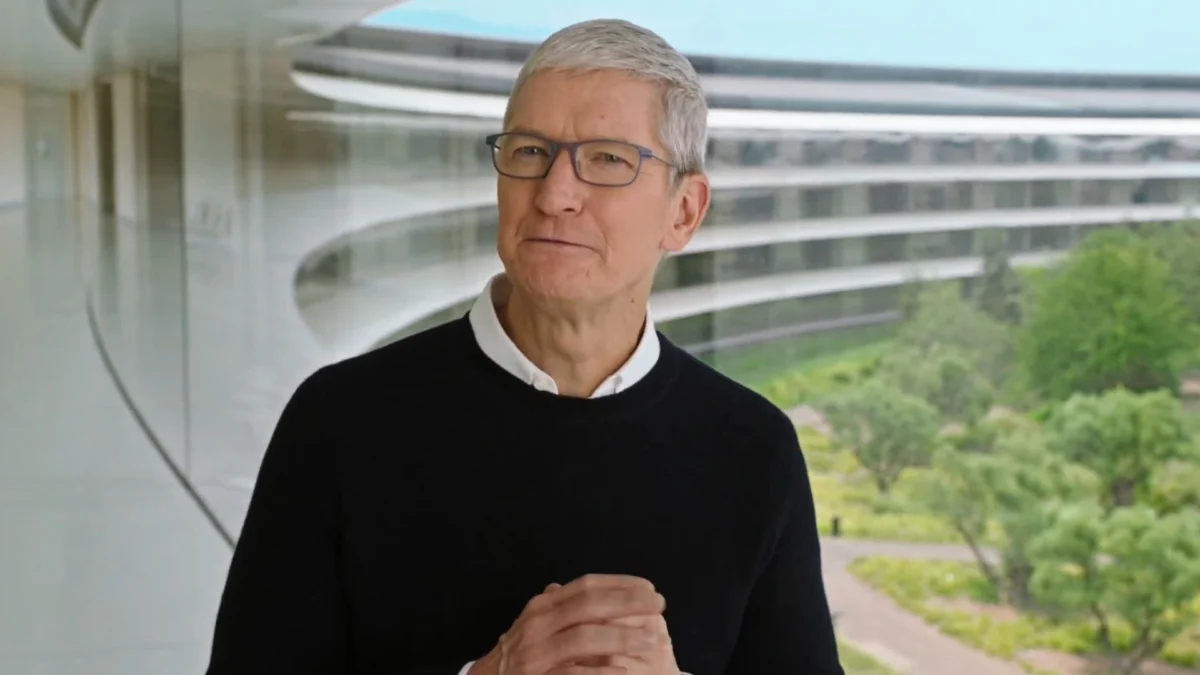
The landscape of global technology is set for a seismic shift as Apple formally announces that Tim Cook, the executive who steered the company through its most significant period of growth and cultural ubiquity, will step down from his role as Chief Executive Officer. Effective September 1, 2026, the mantle of leadership will pass to John Ternus, the current Senior Vice President of Hardware Engineering. This transition marks the end of a transformative chapter in Apple’s history and the beginning of a new, hardware-focused trajectory under one of the company’s most respected internal figures.
For over a decade, Tim Cook has been the face of Apple, succeeding Steve Jobs in 2011. Under his tenure, the company underwent a radical metamorphosis. Cook pivoted Apple from being primarily a product-focused hardware firm into a sprawling, services-led ecosystem powerhouse. By prioritizing supply chain efficiency, vertical integration, and the expansion of the "Services" revenue segment—which includes the App Store, iCloud, Apple Music, and Apple Pay—Cook turned the company into a three-trillion-dollar behemoth. His legacy is defined by financial stability, global expansion, and an unwavering focus on privacy and environmental sustainability.
The choice of John Ternus as his successor is a calculated strategic pivot. Ternus, who has been instrumental in the development of the company’s most vital hardware products, represents a "return to roots" philosophy for the board of directors. Since joining Apple’s product design team in 2001, Ternus has ascended through the ranks by overseeing the engineering of the iPad, the transition to Apple Silicon in the Mac lineup, and the development of the iPhone. His rise to the CEO position suggests that Apple intends to refocus its corporate energy on hardware innovation and product excellence, perhaps signaling a de-emphasis on the experimental, service-centric expansion that characterized the latter half of the Cook era.
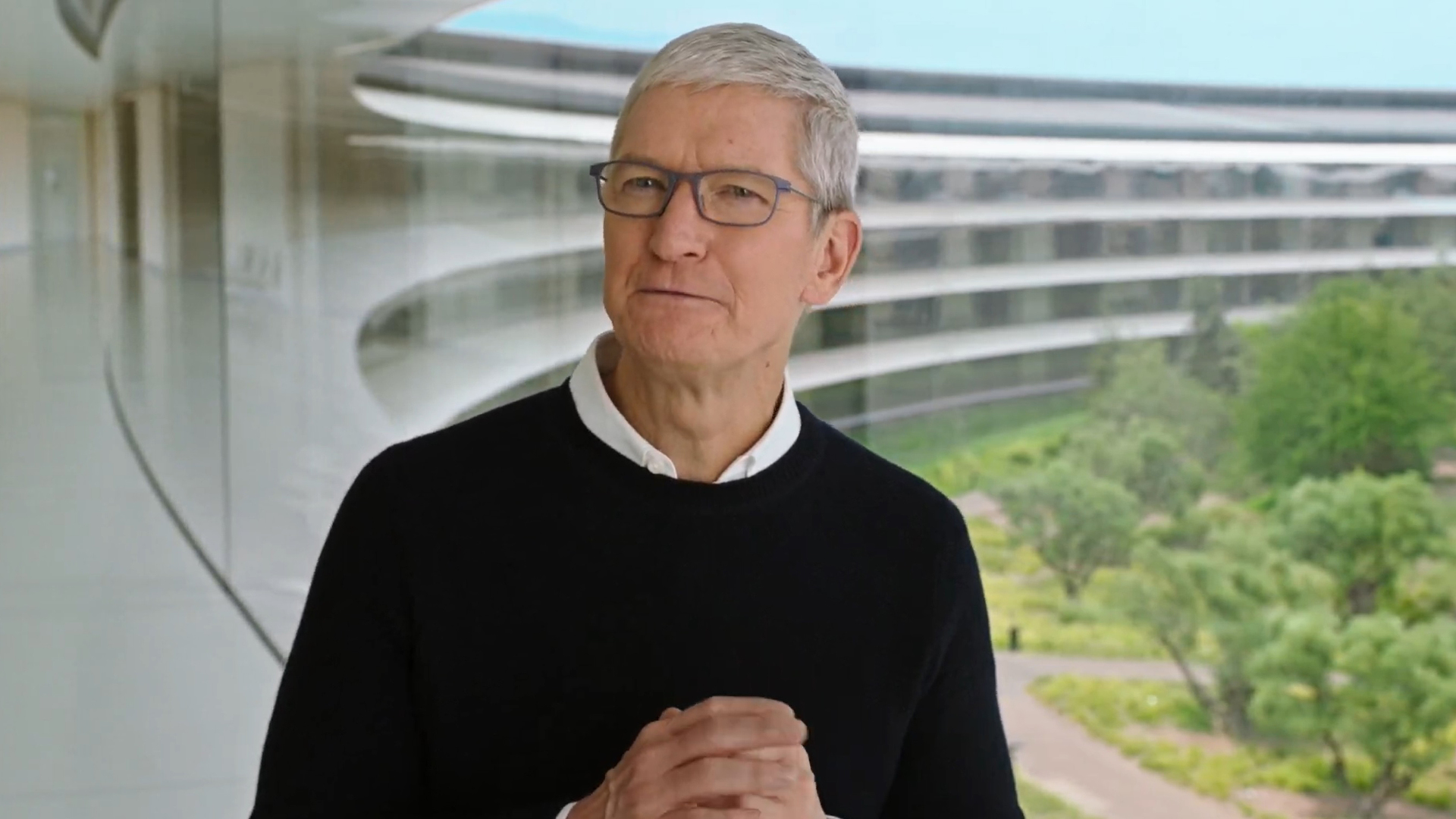
The industry implications of this handover are profound. As the smartphone market reaches a plateau in terms of raw hardware evolution, the primary competition between giants like Apple, Google, and Samsung has moved toward artificial intelligence and integrated ecosystems. By elevating a hardware engineer to the top spot, Apple is likely signaling that it intends to compete on the strength of its integrated silicon and proprietary devices rather than purely on software services or cloud-based AI models. Ternus’s deep familiarity with the complexities of the silicon roadmap—specifically the M-series chips that have redefined the performance standards of the Mac and iPad—will be his greatest asset as he navigates the next wave of computing.
Expert analysis suggests that this transition is a "safe" move for investors and stakeholders. Unlike the high-risk, visionary leadership style of Steve Jobs or the operational, methodical management of Tim Cook, Ternus is viewed as a steady hand with a granular understanding of the product pipeline. He is an engineer’s CEO. This approach is expected to reassure the market that Apple’s core revenue driver—the iPhone and its companion hardware—will remain the focal point of the company’s innovation efforts. However, the appointment also poses questions about the future of Apple’s AI strategy. Can a hardware-centric leader successfully steer a company through the "AI-first" era, where software, LLMs, and neural processing capabilities are becoming more critical than the physical chassis of a device?
The challenges facing the incoming CEO are significant. Apple is currently grappling with heightened regulatory scrutiny across the European Union and the United States, specifically regarding the App Store’s business model and the company’s alleged monopolistic practices. Navigating these legal headwinds will be a departure from Ternus’s previous responsibilities, which were largely focused on technical feasibility and manufacturing logistics. Furthermore, the company faces the daunting task of diversifying its manufacturing base away from China, a project initiated under Cook but far from complete. Ternus will need to leverage his deep connections within the global supply chain to manage this geopolitical tightrope walk without compromising product quality or profitability.
Beyond the boardroom, the transition signals a potential shift in the "Apple aesthetic." Under Cook, the company was characterized by a focus on health, privacy, and services. Under Ternus, we may see a resurgence in the "hardware-first" mentality that defined the mid-2000s. We should expect an aggressive push into new hardware categories, such as advanced wearable technology, smart home integration, and perhaps a more aggressive iteration of augmented reality devices. Ternus has long been a champion of the Apple Silicon initiative, and it is highly probable that his tenure will see the company push even further into proprietary, highly specialized chips designed to power complex machine learning tasks locally on the device, rather than in the cloud.

The transition process has been meticulously managed to avoid the kind of instability that often follows a long-term CEO’s departure. By announcing the change well in advance, Apple is signaling transparency and a well-planned succession strategy. This level of institutional preparation is typical of the "Apple Way"—a process designed to prioritize the company’s long-term survival over individual personalities. Ternus has been groomed for this role for years, appearing more frequently at product launches and keynotes, slowly becoming the public face of the company’s hardware accomplishments.
However, the departure of Tim Cook will leave a void in terms of public perception and investor confidence. Cook was a master of the earnings call, providing a level of predictability that Wall Street rewarded with consistently high valuations. Ternus, while articulate and deeply knowledgeable about product specs, has yet to be tested in the high-pressure environment of quarterly financial reporting and investor relations. His ability to articulate a vision that satisfies both the engineering department and the stock market will be the ultimate test of his leadership.
As we look toward September 2026, the technology sector is bracing for a new era in Cupertino. The rise of John Ternus suggests that Apple is moving into a phase of consolidation and refinement, where the focus will be on deepening the moat around its existing hardware ecosystem. The era of rapid service expansion and massive, sweeping software changes may be giving way to a period of deep-tech development, focusing on the intersection of human-centric hardware and on-device AI.
Whether this shift will be enough to maintain Apple’s momentum in an increasingly fragmented tech market remains to be seen. The company is at a crossroads; it must balance the need for innovation with the demands of its massive, global customer base. The appointment of an engineer as CEO is a clear signal that, at least for the next few years, Apple intends to rely on its historical strengths—industrial design, supply chain mastery, and silicon superiority—to maintain its competitive edge. The industry will be watching closely, as the change at the top of the world’s most valuable company will inevitably set the tone for the future of consumer technology for the next decade. As the clock ticks toward the transition date, the market expects a seamless handover, but the true nature of the "Ternus Era" will only reveal itself once the first product cycle under his direct authority hits the market shelves. The legacy of Tim Cook is a firm foundation, but it will be up to John Ternus to build the next level of the structure.
