

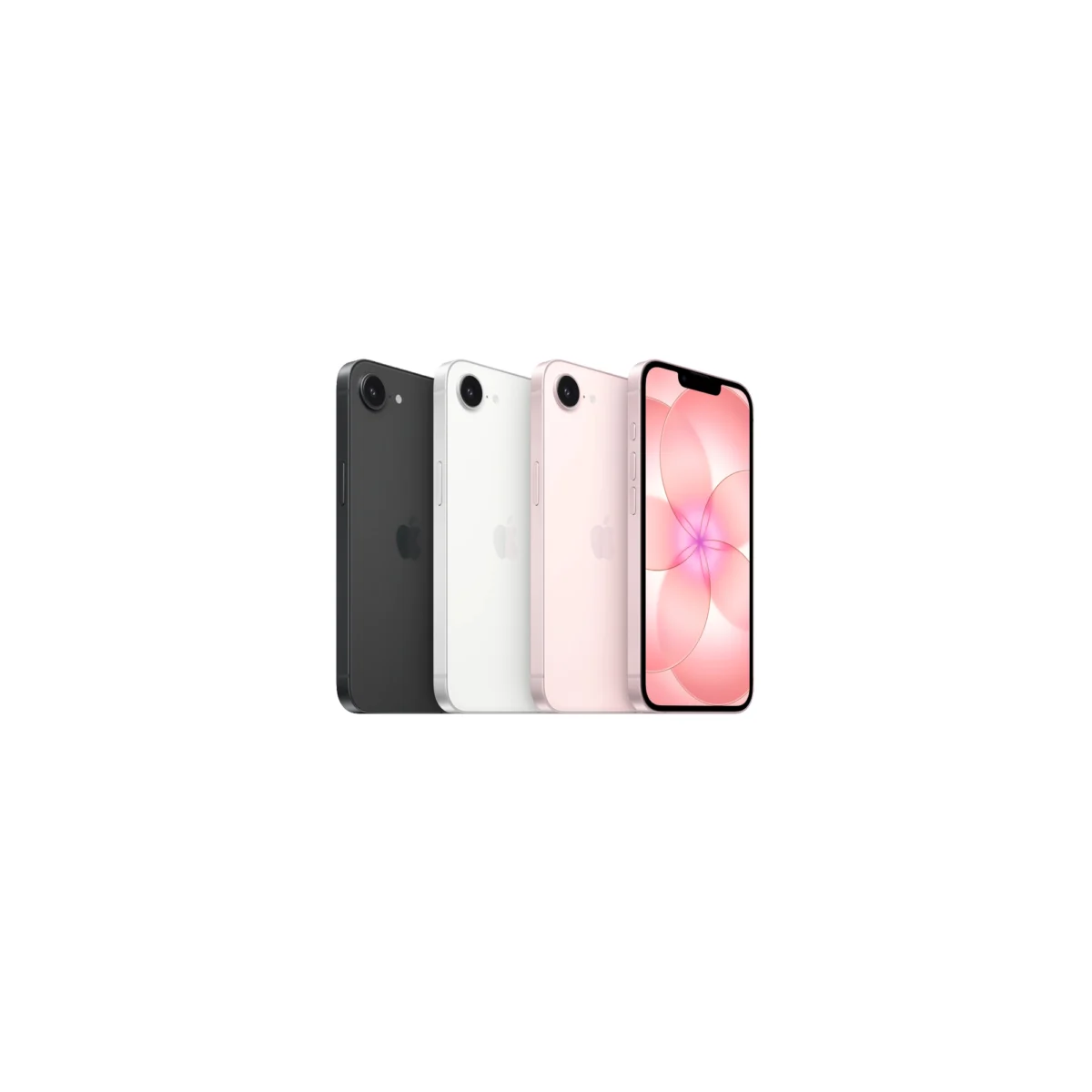
In the current global economic climate, characterized by volatile markets and the rapid integration of artificial intelligence into daily workflows, the definition of a "flagship" smartphone has become increasingly blurred. As consumers tighten their belts and prioritize long-term utility over annual vanity upgrades, the smartphone industry has entered a phase of stabilization. We are firmly in the era of "good enough," where the premium experience is no longer strictly reserved for devices costing four figures. Within this shifting landscape, the arrival of the iPhone 17e serves as a definitive case study in how a manufacturer can aggressively capture market share, yet it simultaneously highlights the curious, calculated limitations that keep the broader ecosystem from total disruption.
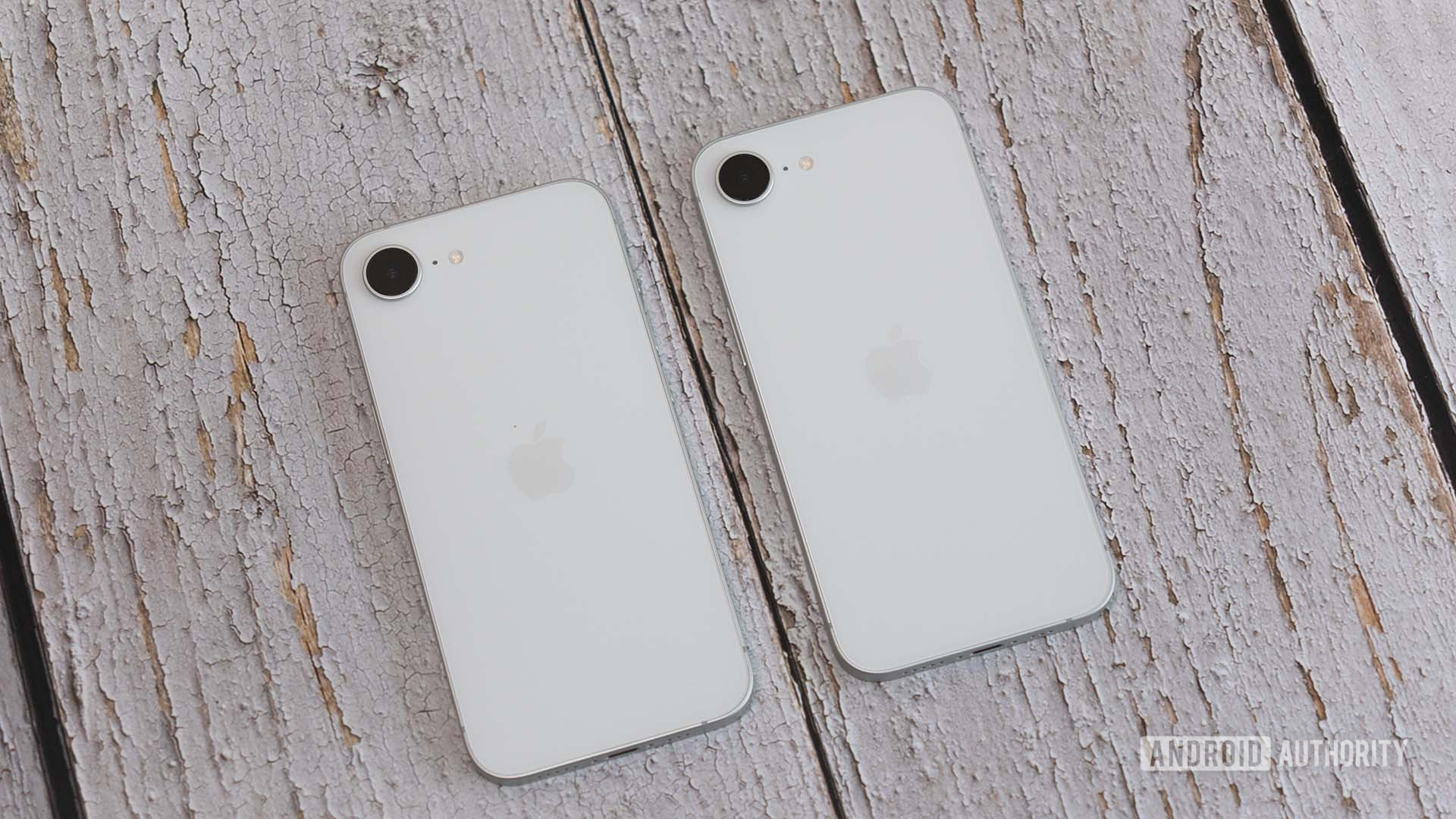
The iPhone 17e was positioned to be the ultimate disruptor—a device capable of rendering the mid-range Android market, typically hovering between $500 and $600, entirely redundant. However, my hands-on evaluation reveals a paradox. While the hardware is arguably the most capable in its price bracket, Apple continues to utilize a specific, deliberate constraint as a competitive buffer, ensuring that the device remains a "near-perfect" product rather than an absolute, undisputed king.
The Silicon Advantage: Power Without Compromise
The most striking aspect of the iPhone 17e is undoubtedly its internal architecture. By integrating the A19 chipset into an entry-level chassis, Apple has effectively obliterated the traditional performance gap between budget and flagship tiers. In the Android space, mid-range handsets often rely on mid-tier processors that struggle with complex background tasks or high-end mobile gaming. Conversely, the iPhone 17e functions with the same effortless velocity as its significantly more expensive counterparts.
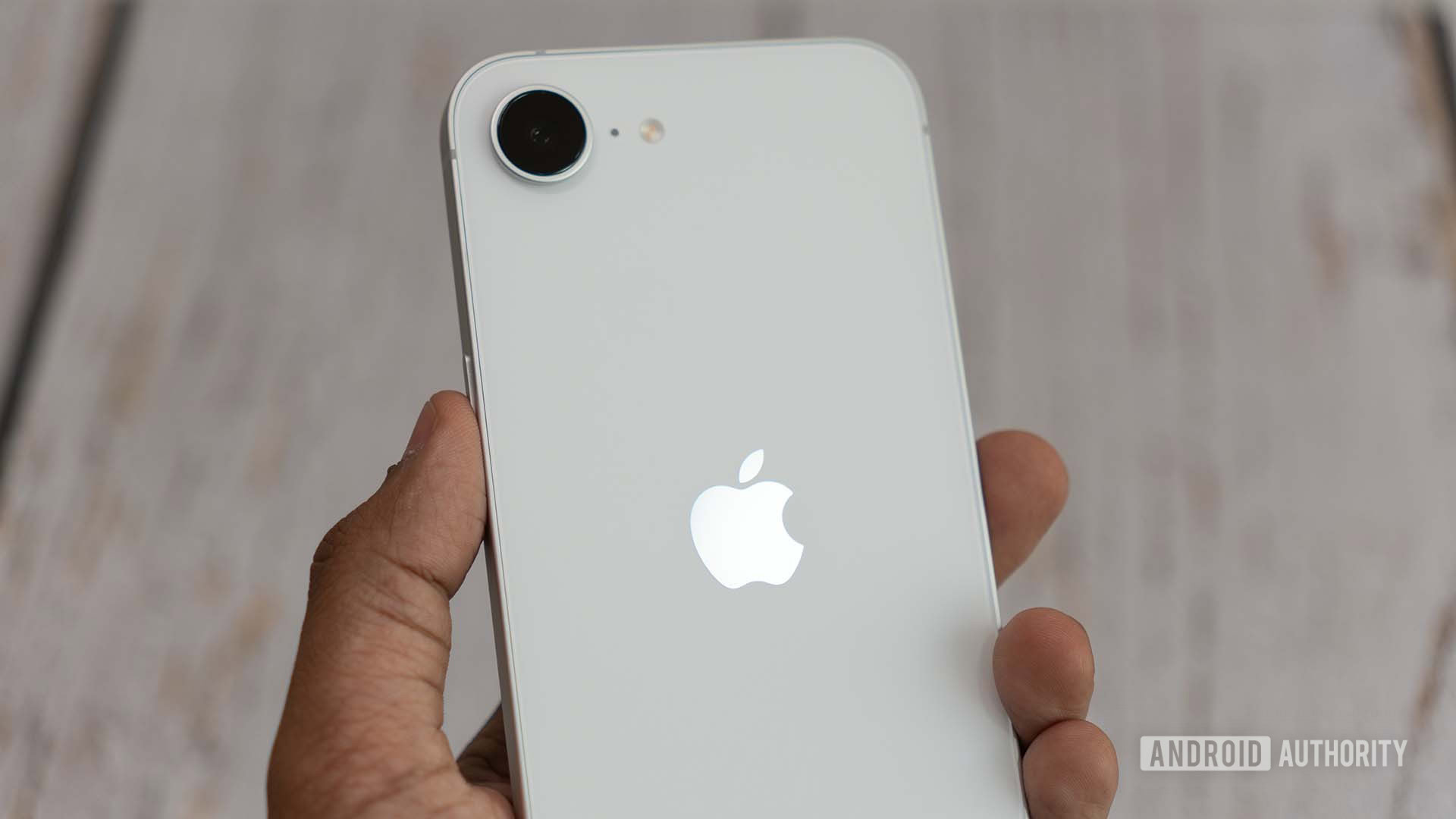
This level of silicon parity changes the consumer value proposition entirely. If a user can access the same computational overhead found in an $830 device for $599, the incentive to pay a premium for "Pro" features diminishes significantly. Furthermore, the decision to standardize a 256GB base storage configuration is a long-overdue correction. For years, the entry-level storage tier served as an artificial tax on users, forcing them to either upgrade to a more expensive model or deal with constant cloud subscription nudges. By removing this friction, Apple has significantly increased the longevity of the base model, making it a viable candidate for a three-to-four-year ownership cycle.
The Ecosystem Moat and Hardware Utility
Beyond raw benchmarks, the iPhone 17e benefits from the gravity of Apple’s ecosystem. MagSafe, once viewed as a niche convenience, has matured into a fundamental component of the smartphone experience. The magnetic accessory market in the United States—spanning everything from minimalist wallets to sophisticated car mounts—is largely optimized for the Apple standard. When a user enters the store looking for a sub-$600 device, the immediate compatibility with a vast, high-quality accessory ecosystem offers a level of utility that many Android alternatives struggle to match.
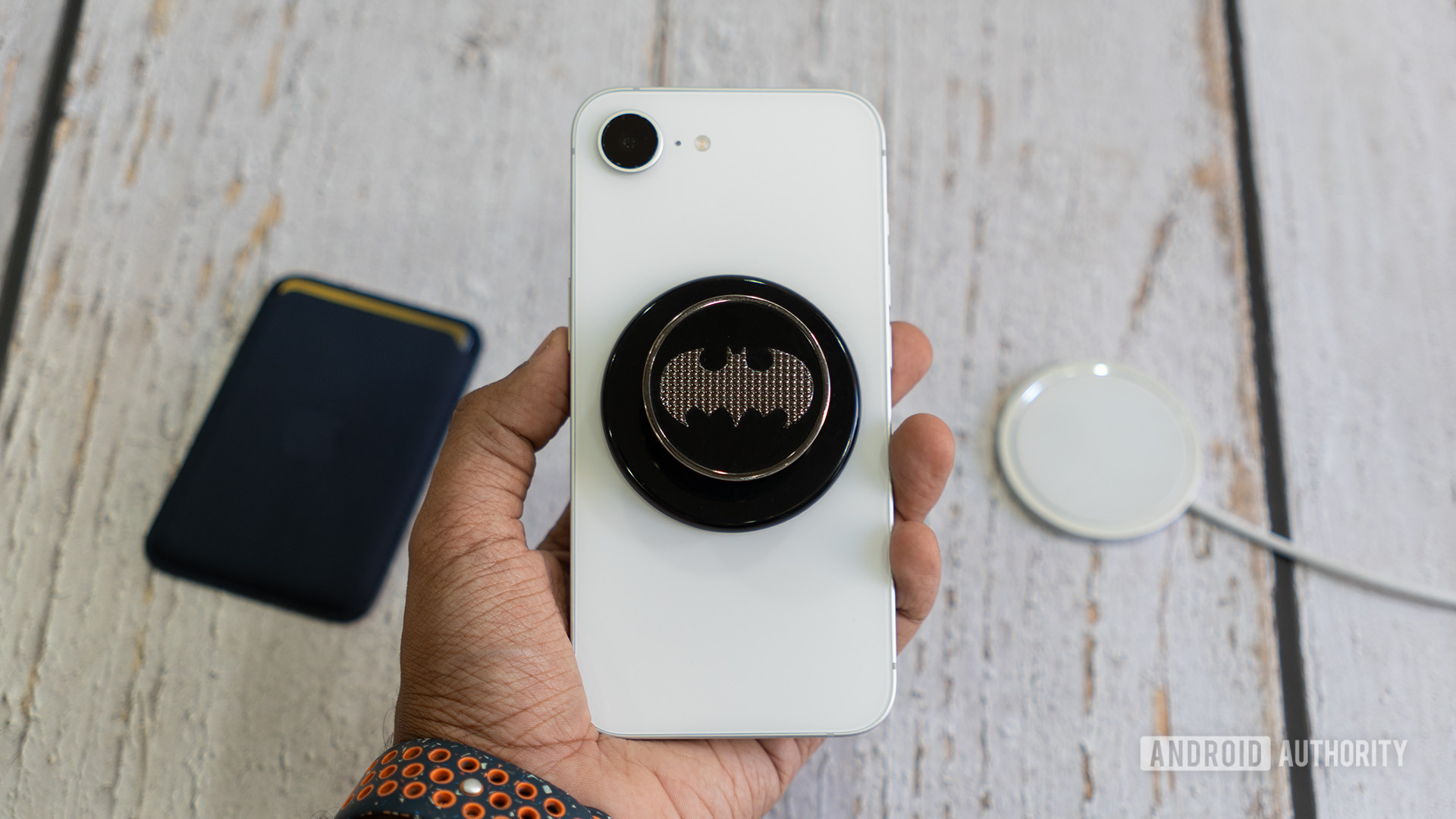
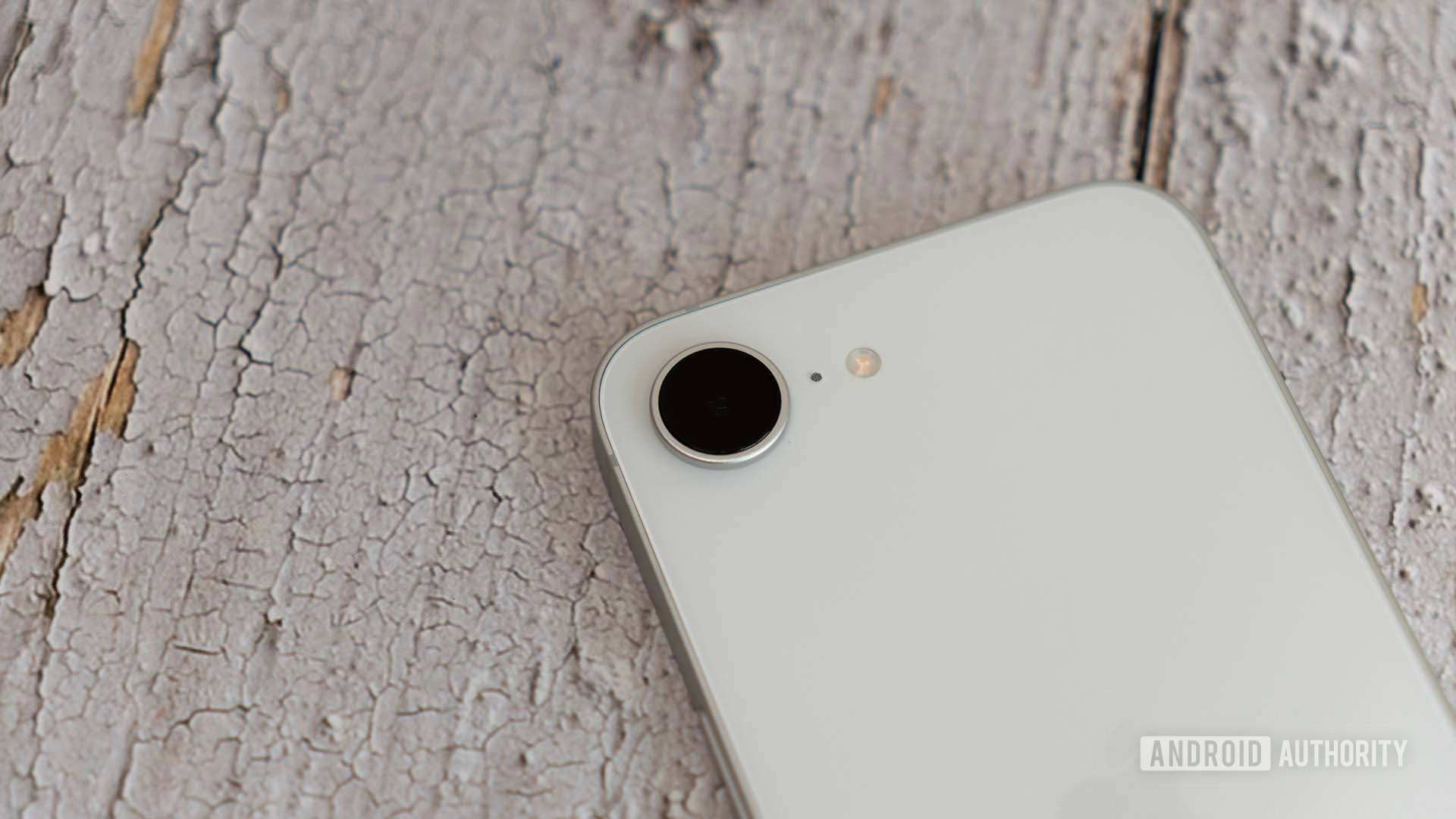
While manufacturers in the Android space are navigating the fragmented transition toward the Qi2 wireless charging standard, the iPhone 17e provides a mature, reliable, and integrated solution. This isn’t just about charging; it’s about the seamlessness of the experience. Furthermore, the 48MP primary camera sensor on the 17e performs exceptionally well in real-world scenarios. It successfully sidesteps the "spec-sheet padding" prevalent in the budget Android sector, where manufacturers often include multiple low-resolution, low-utility lenses just to make the camera array look impressive. Apple’s approach—focusing on a single, high-fidelity sensor—prioritizes the user’s primary use case: point-and-shoot photography that is instantly shareable.
The 60Hz Bottleneck: A Deliberate Choice
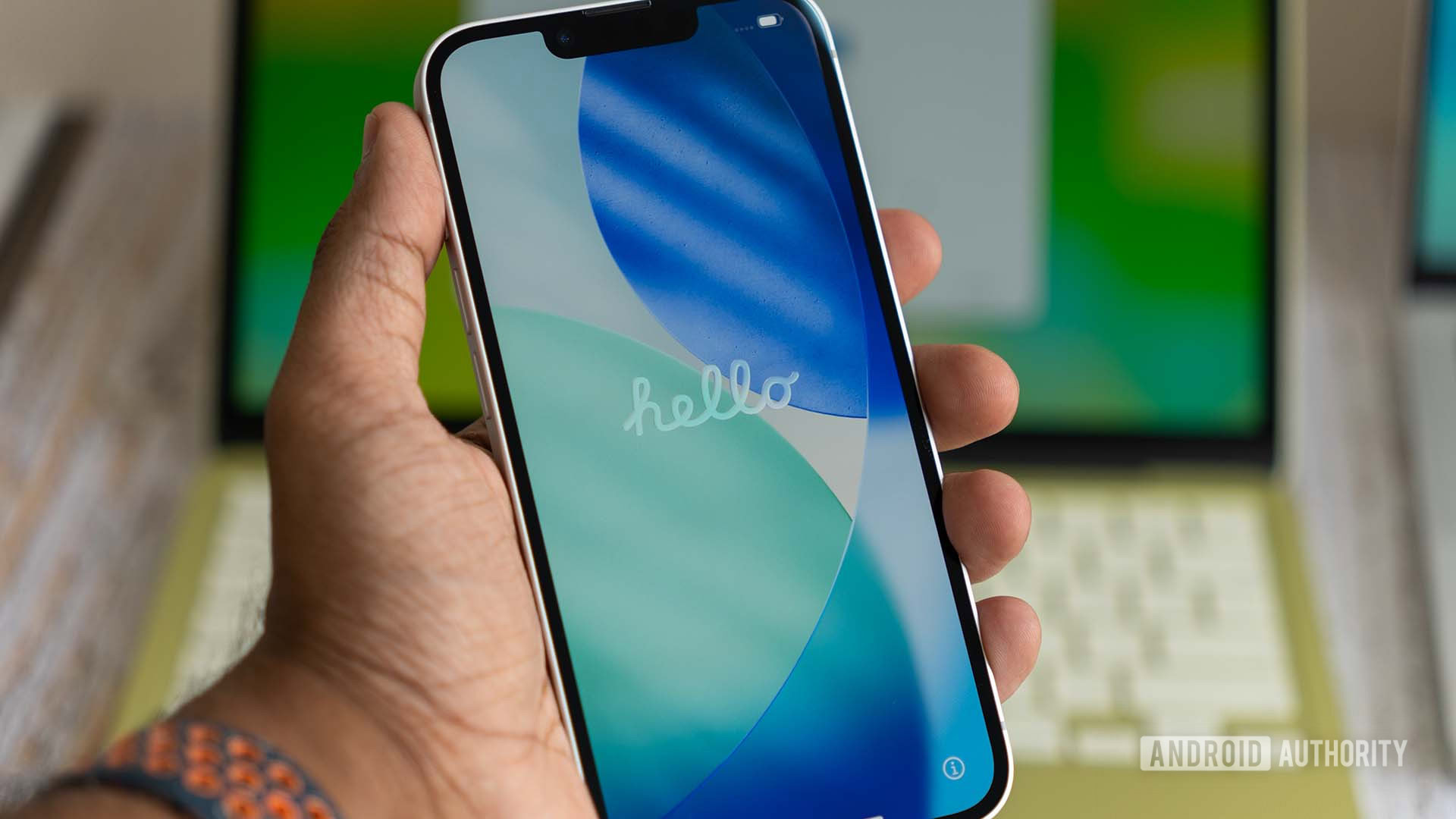
Despite these accolades, the device is held back by a singular, glaring omission: the 60Hz display. In 2026, a 60Hz refresh rate is effectively a relic of a bygone era. Even budget-conscious devices in the Android ecosystem have largely migrated to 90Hz or 120Hz panels, making the lack of fluid motion on the iPhone 17e feel like a profound regression for any user coming from a modern display.
The visual impact of this limitation cannot be overstated. When navigating the operating system, scrolling through social media, or even simply transitioning between applications, the "jank" is palpable. It creates a disconnect between the incredible speed of the A19 chip and the inability of the display to render that performance with grace. Using the iPhone 17e is, in many ways, like viewing a high-performance engine through a narrow, frosted-glass window. You know the power is there, but you are prevented from experiencing it smoothly.
This choice is clearly intentional. It serves as a stark dividing line between the base model and the Pro lineup. By gatekeeping the 120Hz ProMotion technology, Apple is essentially forcing its most value-conscious customers to accept a sub-par visual experience in order to access the company’s superior silicon and software support. While this strategy protects the profit margins of the Pro series, it also creates a significant frustration point that limits the phone’s potential to be the "perfect" budget device.
Long-term Industry Implications
Looking ahead, the iPhone 17e acts as a warning shot to the entire smartphone industry. It signals that Apple is no longer content to let Android dominate the value segment through hardware diversity alone. By delivering a product that excels in power, storage, and ecosystem integration, Apple has moved the goalposts for what a $600 phone should look like.
However, the industry is also waiting for the inevitable: the introduction of higher refresh rates to the entry-level iPhone lineup. If rumors regarding the iPhone 18e prove true, and that device finally adopts 120Hz technology, the remaining competitive advantage for many Android manufacturers will evaporate. Currently, the "scrolling through mud" feel of the 60Hz display is the only barrier keeping the 17e from being an absolute market killer.
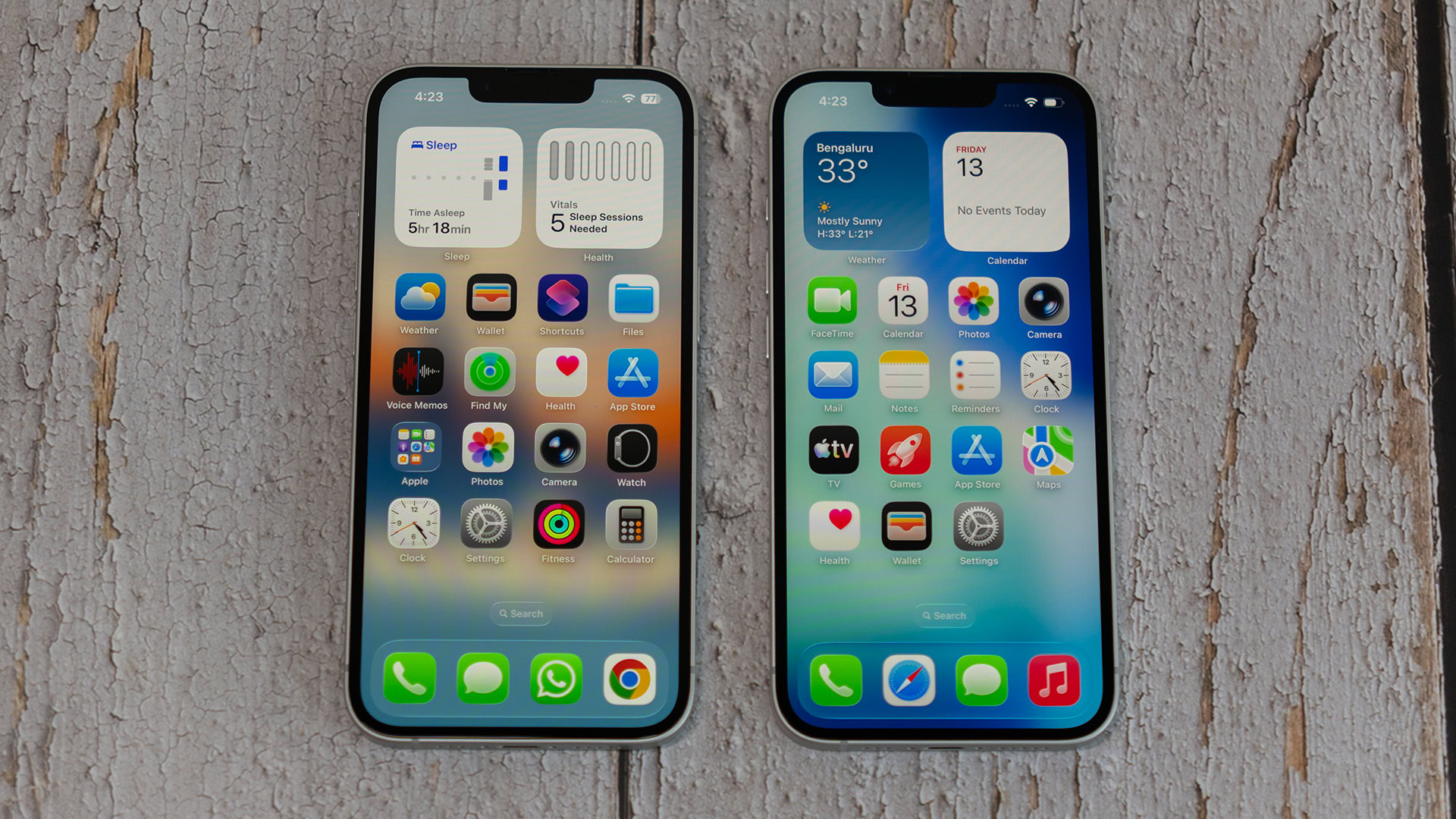
For the average consumer, the choice is now a classic trade-off. Do you prioritize the longevity, resale value, and ecosystem stability provided by the iPhone 17e, or do you seek out a mid-range Android device that offers a more fluid 120Hz display but perhaps falls short in long-term software updates and hardware synergy? For many, the iPhone 17e’s shortcomings will be easily overlooked in favor of its strengths. Yet, the persistent presence of that 60Hz screen remains a reminder of the compromises inherent in the current market. As we move into the latter half of the decade, the pressure on all manufacturers to deliver a "no-compromise" mid-range device will only intensify, and the iPhone 17e, for all its brilliance, is simply the opening act in a much larger battle for the mid-tier consumer.
