

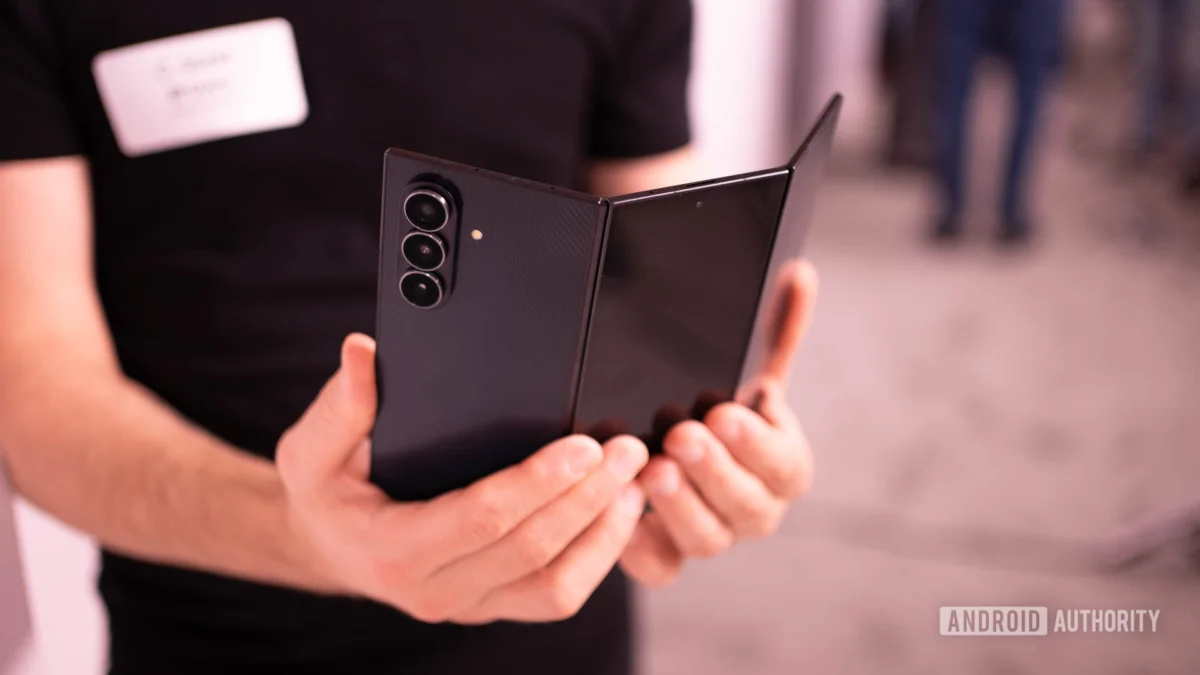
The era of the first-generation Galaxy Z TriFold has officially drawn to a close. As of April 17, Samsung has ceased all availability for its experimental, multi-hinge mobile device, effectively pulling the curtain on what many industry analysts viewed as a "proof-of-concept" hardware cycle. For those who missed the window to acquire this niche, high-priced marvel, the official storefront now directs potential customers toward more conventional flagships, such as the Galaxy Z Fold 7 or the Galaxy S26 Ultra. Yet, behind the scenes, the narrative is far from finished. Fresh intelligence suggests that Samsung is not abandoning the triple-display form factor; instead, it is returning to the drawing board to refine the mechanics that make such a device possible.
The Shift from Concept to Refinement
When the original Z TriFold debuted, it was heralded as a triumph of display technology, boasting an expansive 10-inch inner screen that essentially transformed a smartphone into a pocket-sized tablet. However, the device was not without its architectural compromises. With a folded thickness of 12.9mm and a substantial weight of 309 grams, the device felt more like an enthusiast’s curiosity than a daily driver for the average consumer. In the rapidly evolving landscape of mobile hardware, where users demand maximum screen real estate without the burden of excessive mass, the first-gen TriFold was objectively cumbersome.
Current reports, emerging from well-regarded industry supply chain leakers, suggest that a second iteration is currently in the R&D pipeline. The primary focus of this internal project is not just a cosmetic refresh but a fundamental redesign of the dual-hinge mechanism. If the rumors are accurate, Samsung is prioritizing a significant reduction in the device’s physical profile, aiming to reconcile the massive 10-inch footprint with the slimness expected of modern premium smartphones.
Engineering the Future: The Hinge Challenge
The central technical bottleneck for any tri-folding device is the hinge. Unlike standard foldables that require a single axis of rotation, a tri-fold design necessitates two distinct hinges that must move in perfect synchronization while maintaining the structural integrity of the internal display. The mechanical stress involved in such a design is immense.
Industry experts suggest that the next-generation hinge technology being developed for this hypothetical "TriFold 2" likely involves advanced composite materials and a refined gear-train system. By minimizing the internal space required for the folding mechanism, Samsung could potentially shave off several millimeters of thickness. This is critical; in the competitive smartphone market, a device that feels dense and bulky is often viewed as obsolete before it even hits the shelf.
Furthermore, there is a broader implication for Samsung’s entire foldable ecosystem. If the engineering team can successfully create a thinner, more durable hinge for a complex tri-fold device, those innovations will inevitably cascade down to the standard Galaxy Z Fold and Z Flip series. We may soon see a trickle-down effect where the technical advancements necessitated by the "experimental" tri-fold category become the new baseline for mainstream foldable durability and weight distribution.
Market Implications and Industry Trends
Samsung’s decision to sunset the first-generation TriFold while simultaneously developing a successor reflects a calculated business strategy. By treating the initial release as a limited-run, high-cost entry, the company was able to gauge real-world durability and user demand without committing to massive production lines. This "beta-testing-at-scale" approach is typical for pioneering hardware, but the move toward a second generation suggests that the company is satisfied with the market response and is now shifting its focus to optimization.
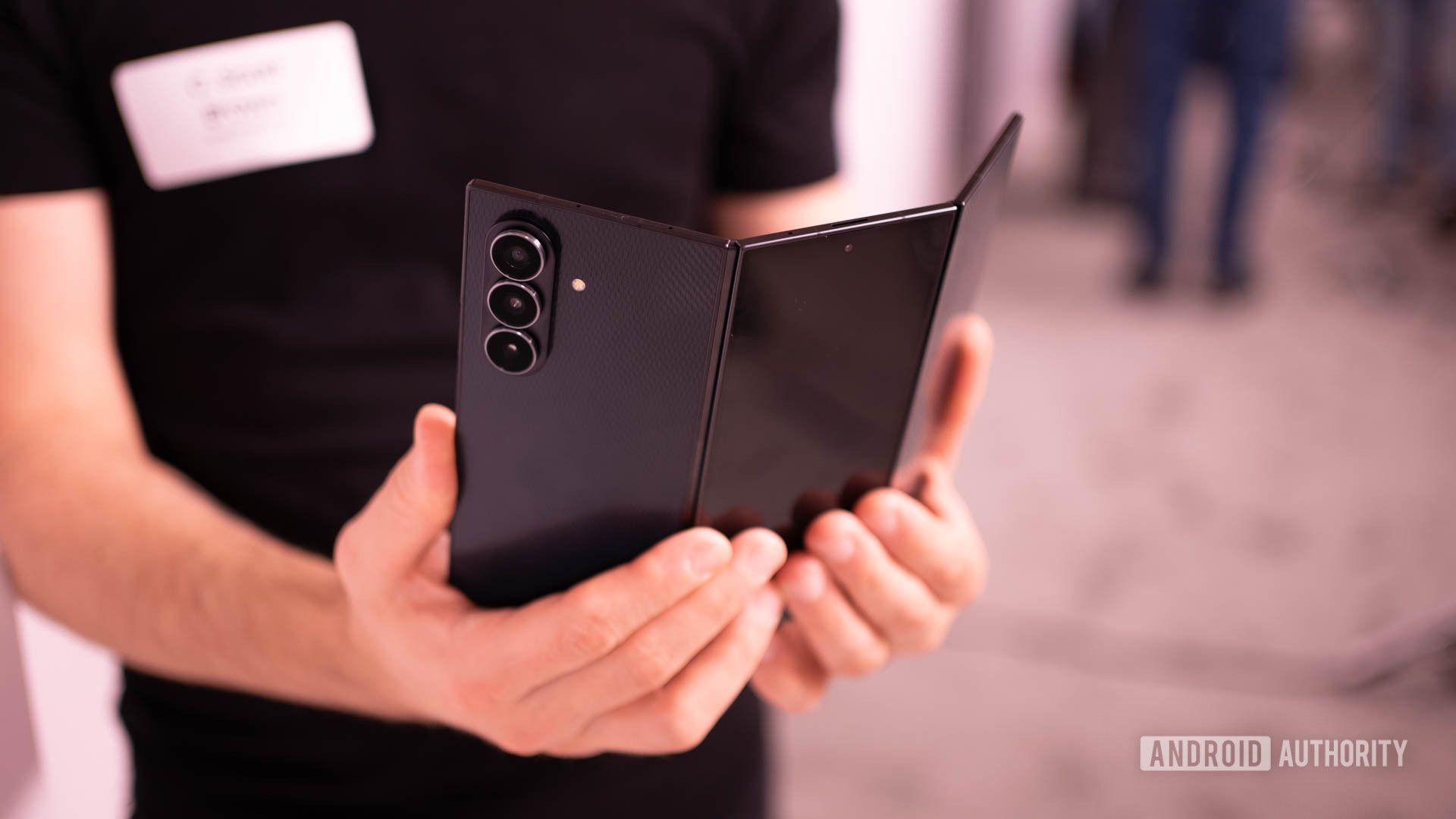
The broader mobile industry is currently at an inflection point. As smartphone hardware matures and annual upgrades offer diminishing returns in processing power, the "form factor war" has become the new frontier. Competitors are racing to develop tablets that fold into phones, or rollable displays that expand at the touch of a button. For Samsung, staying ahead in the foldable race means moving beyond the current "book-style" fold and proving that a three-panel design can be both functional and portable.
Beyond the Hinge: What Lies Ahead?
While the hardware improvements are the most anticipated aspect of the rumored successor, the software experience remains the "elephant in the room." A 10-inch display creates a unique user interface challenge. Simply stretching a mobile app is rarely sufficient; the true potential of a tri-fold device lies in advanced multitasking, desktop-class window management, and seamless transitions between the folded and unfolded states.
If Samsung proceeds with a second-generation model, we can expect a tighter integration with their software ecosystem. This might include improved optimization for "triple-screen" multitasking—where three different applications can be displayed simultaneously in a meaningful, non-cluttered way. There is also the prospect of refined stylus integration, as the expansive, flat canvas of a tri-fold device is perfectly suited for digital artistry and productivity.
Expert Analysis: Is a Successor Feasible?
From an engineering perspective, the transition from 12.9mm to a more competitive, slimmer profile is the most difficult hurdle. However, the trajectory of foldable technology over the last five years has been nothing short of exponential. We have moved from the fragile, plastic-covered screens of 2019 to the robust, water-resistant, and high-brightness displays of 2026. The shift to a more refined hinge for the TriFold 2 is not just feasible; it is the logical next step in a roadmap that aims to make foldable devices the standard, rather than the alternative.
Critics often point to the high price of such devices as a barrier to mass adoption. While a "TriFold 2" will almost certainly launch at a premium price point, the history of consumer electronics shows that initial manufacturing costs eventually normalize. As the hinge designs become more efficient to produce and the supply chains for specialized display panels mature, the cost-per-unit will likely decrease.
Looking Toward the Future
Whether the Galaxy Z TriFold 2 makes it to market in the coming year or remains a prototype, its development cycle serves as a fascinating look at the future of mobile computing. The fact that Samsung is iterating on such a bold design proves that the company is willing to push the boundaries of what a "phone" can be.
For the average consumer, the message is clear: the current generation of foldables, as impressive as they are, is merely a stepping stone. The pursuit of the "ultimate" foldable—one that combines the pocketability of a traditional phone with the screen real estate of a small tablet—is still the primary goal for the world’s leading display manufacturers.
While we wait for official confirmation regarding the next iteration of the TriFold, the current landscape of the market remains highly competitive. The Galaxy Z Fold 7 continues to dominate the premium space, and the Galaxy S26 Ultra remains a powerhouse of traditional design. However, for those who crave the bleeding edge, the promise of a redesigned, thinner, and more robust tri-folding device is a compelling reason to keep a close watch on Samsung’s upcoming product showcases. If the rumors hold true, the "TriFold 2" could be the device that finally convinces the skeptics that the future of the smartphone is, indeed, folded.
