

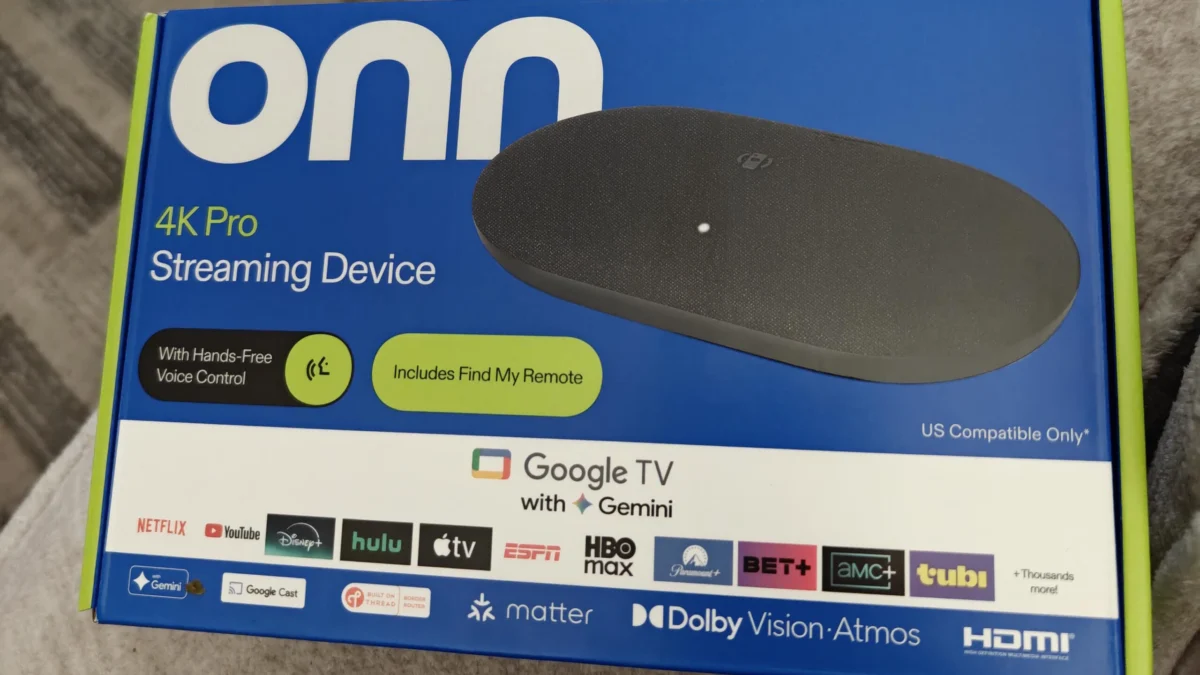
The landscape of affordable home entertainment is undergoing a subtle but significant shift as retail giant Walmart begins to populate its digital storefronts with the latest iteration of its house-brand streaming hardware. While the company has never been particularly known for the clinical precision of its product rollouts—often allowing hardware to materialize on physical store shelves well before a formal press announcement—the recent appearance of the Onn 4K Pro streaming box in online database listings marks a pivotal moment for the budget-conscious consumer segment. This discovery, which relies on granular location-based inventory tracking, provides a clear window into the strategic direction Walmart is taking with its "Onn" ecosystem.
A Departure from Bare-Bones Streaming
Historically, budget-tier streaming devices were characterized by significant compromises: limited RAM, sluggish user interfaces, and meager internal storage. The Onn 4K Pro appears to be a direct response to these historical pain points, signaling a move toward "premium-entry" hardware. By integrating 3GB of RAM—a substantial 50% increase over the preceding 4K Plus model—Walmart is directly addressing the latency issues that plague cheaper Android-based streaming sticks. This technical headroom is essential for maintaining fluid navigation within the Google TV interface, especially as streaming applications grow more resource-intensive due to increasingly complex recommendation engines and high-bitrate content demands.
Beyond the raw memory, the device boasts 32GB of internal storage, effectively doubling the capacity of its predecessor. This change is not merely cosmetic; it is a functional necessity for power users who leverage their streaming devices for more than just video playback. With the rise of cloud gaming services and more robust smart home dashboards, the ability to store a broader suite of applications without constant cache clearing is a massive selling point for a device that maintains an aggressive, sub-$60 price point.
The Gemini Integration and the Smart Home Pivot
Perhaps the most intriguing facet of the Onn 4K Pro is its integration of far-field microphones and its branding as a "Google TV with Gemini" device. By incorporating these microphones directly into the chassis, the device transcends its role as a simple media player, effectively functioning as a dedicated smart speaker. This transition into the "smart hub" category is a calculated play to capture more real estate in the consumer’s living room.
When a user can control their smart lights, security cameras, and thermostat through their streaming box—without needing to hunt for the remote to trigger a voice command—the device becomes the nexus of the household. The inclusion of Gemini, Google’s advanced generative AI, suggests that the voice control experience will be significantly more conversational and context-aware than the rudimentary voice search features found in older generations of streaming sticks. This move positions the Onn 4K Pro not just as a vessel for Netflix or Disney+, but as an ambient computing interface.
Design, Connectivity, and the "Pro" Distinction
The hardware specifications released through these preliminary listings highlight a focus on connectivity and build quality. The device includes Wi-Fi 6 support, which is critical for maintaining stable 4K streams in increasingly congested home network environments. Furthermore, the inclusion of an optional Ethernet port caters to users who prioritize low-latency connections for gaming or high-fidelity streaming.
The remote control itself has received a meaningful upgrade, featuring both backlight functionality and a "Find My Remote" capability. While these features have been staples in high-end streaming devices like the Apple TV or Nvidia Shield, their presence in a budget-oriented device like the Onn 4K Pro is a strong indicator that Walmart is targeting the "value-premium" market segment. This creates a difficult competitive environment for legacy manufacturers who have long relied on high margins for features that Walmart is now commoditizing.
Industry Implications and the "Onn" Strategy
The ripple effects of this release will likely be felt across the entire streaming hardware industry. For years, companies like Roku and Amazon have dominated the low-cost streaming space, often utilizing ad-supported interfaces to offset the low price of their hardware. By packing high-end specs into a device retailing for approximately $59.88, Walmart is effectively challenging the "you get what you pay for" narrative.
This move also highlights the strength of the Android/Google TV ecosystem. Because Walmart does not have to develop its own operating system from the ground up, it can leverage Google’s massive software investment to provide a top-tier user experience. This partnership allows Walmart to focus on hardware optimization and retail distribution, creating a virtuous cycle where the hardware becomes a loss-leader or a low-margin utility designed to keep the consumer tethered to the Walmart/Google retail and service ecosystem.
Future Trends: The Convergence of Smart Home and Media
As we look toward the remainder of 2026, the Onn 4K Pro serves as a benchmark for where the entry-level market is heading. We are seeing a clear convergence of three distinct categories: media consumption, smart home management, and generative AI interfaces. The streaming box is no longer an isolated device; it is the brain of the living room.
Future iterations of such devices will likely prioritize even deeper integration with Matter and Thread protocols, turning these boxes into primary controllers for the Internet of Things (IoT). The success of the Onn 4K Pro will likely be measured not just by units sold, but by how often the "Gemini" features are engaged. If consumers embrace the idea of their TV being an AI-powered assistant, we can expect a rapid migration of voice-assistant technology from standalone speakers into the television display itself.
Concluding Analysis
The accidental, unceremonious unveiling of the Onn 4K Pro is, in many ways, emblematic of Walmart’s broader philosophy: provide high-value, high-performance goods at a price point that makes the competition scramble. The technical leap from the 4K Plus to the 4K Pro is significant, particularly in the areas of storage and AI-driven voice interaction. While the company may not have planned for a quiet digital release, the specs themselves speak loudly enough to command the attention of the tech industry.
For the average consumer, this means the days of struggling with stuttering interfaces and "storage full" errors on budget hardware may finally be coming to an end. By commoditizing performance features that were once reserved for devices costing double or triple the price, Walmart is not just selling a streaming box; it is setting a new standard for what a sub-$60 entertainment device should be. Whether this move forces other major players to upgrade their budget lineups remains to be seen, but one thing is clear: the bar for home streaming technology has been raised, and the competition has just become significantly more intense. As these units begin to proliferate into living rooms, the impact of having a localized, AI-capable device at the center of the entertainment hub will likely redefine the expectations of the modern home theater experience.
