

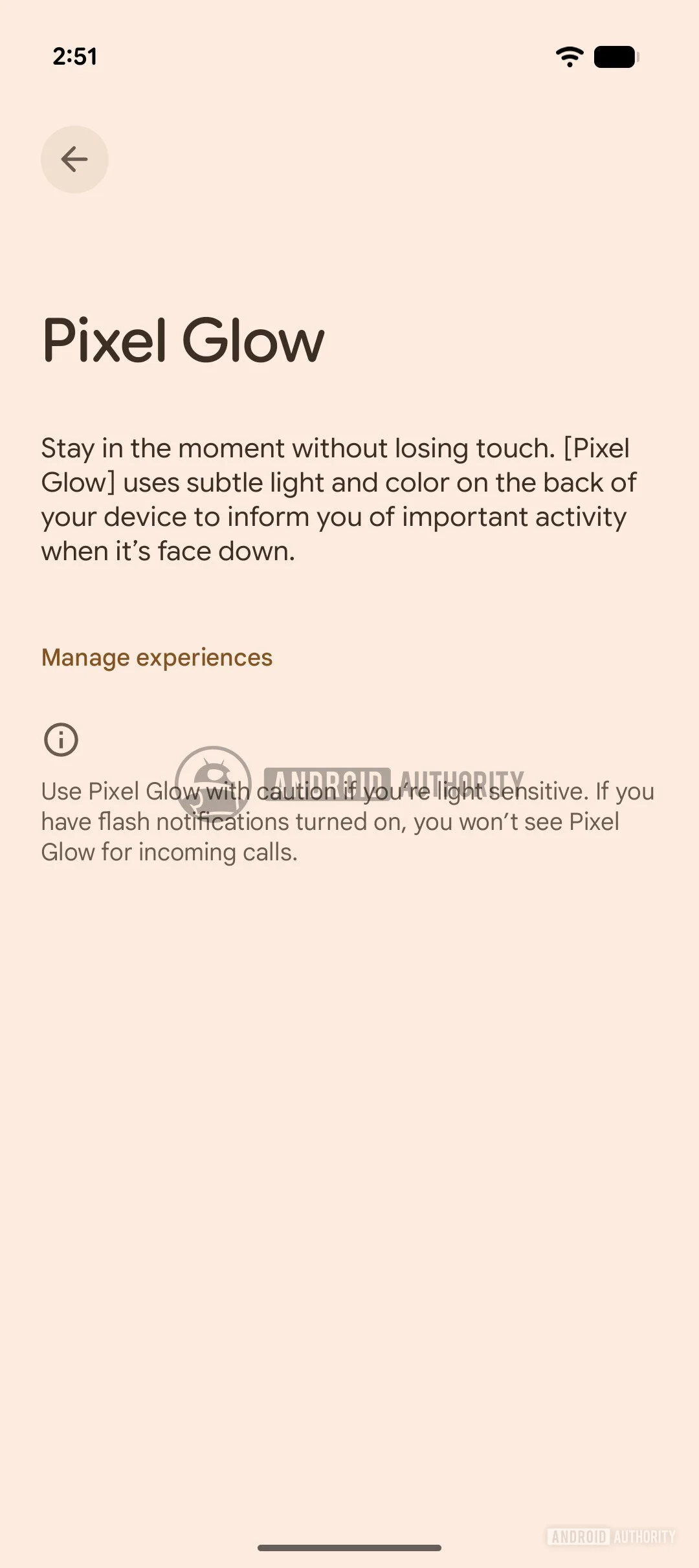
The release of Android 17 Beta 4 has provided more than just routine stability patches; it has offered a tantalizing glimpse into a potential paradigm shift for future Google hardware. Deep within the architecture of this latest build, investigators have uncovered references to a feature dubbed "Pixel Glow." While initial software-based notification systems like Flash Notifications have long existed, the emergence of Pixel Glow suggests a transition from purely screen-based or camera-flash-based alerts to a more sophisticated, dedicated hardware lighting system integrated directly into the chassis of the device.
The Evolution of Notification Aesthetics
For years, the smartphone industry has largely converged on a standard notification experience: screen wake-ups, vibration patterns, or auditory alerts. Even as manufacturers experimented with LED notification lights in the early days of Android, the trend eventually moved toward the "always-on display" (AOD) as the primary method for staying informed. However, Google’s latest findings indicate a desire to return to physical, ambient indicators, albeit with a modern, AI-driven twist.
The nomenclature itself—Pixel Glow—is highly suggestive. It moves away from the clinical, functional language of "flash notifications" toward something more ambient and design-centric. The internal documentation associated with the feature describes it as a method for users to stay informed while the device is placed face down. This behavior is reminiscent of legacy notification systems but elevated by modern hardware capabilities. If the device is face down, the screen is useless; therefore, a dedicated light source on the rear of the phone becomes an essential interface for user awareness.
Gemini Integration and Ambient Computing
One of the most compelling aspects of the discovered code is the explicit link between Pixel Glow and Gemini. The strings within the Beta 4 build indicate that the system will provide visual feedback during interactions with Google’s AI assistant. Given that Google has spent the last year establishing a distinct "rainbow" visual identity for Gemini’s interface, it is highly probable that the hardware lighting will mirror these aesthetics.
Imagine engaging in a hands-free conversation with Gemini while your phone rests on your desk. Instead of merely hearing a voice response, the back of your device could emit a subtle, shifting glow, indicating that the AI is listening, processing, or responding. This represents a significant step forward in ambient computing. It moves the AI interaction from being "in" the device to being "of" the device, allowing for a more tactile and visually communicative experience that doesn’t require direct eye contact with the display.
The Hardware Implications: A Hidden Component
The most critical piece of evidence uncovered is a diagnostic string that explicitly states: "The device must have hardware lights." This is not a software simulation; it is a prerequisite check for physical hardware. For years, the Pixel line has been defined by its iconic camera bar, which has served as both a functional housing for sensors and a signature design element.
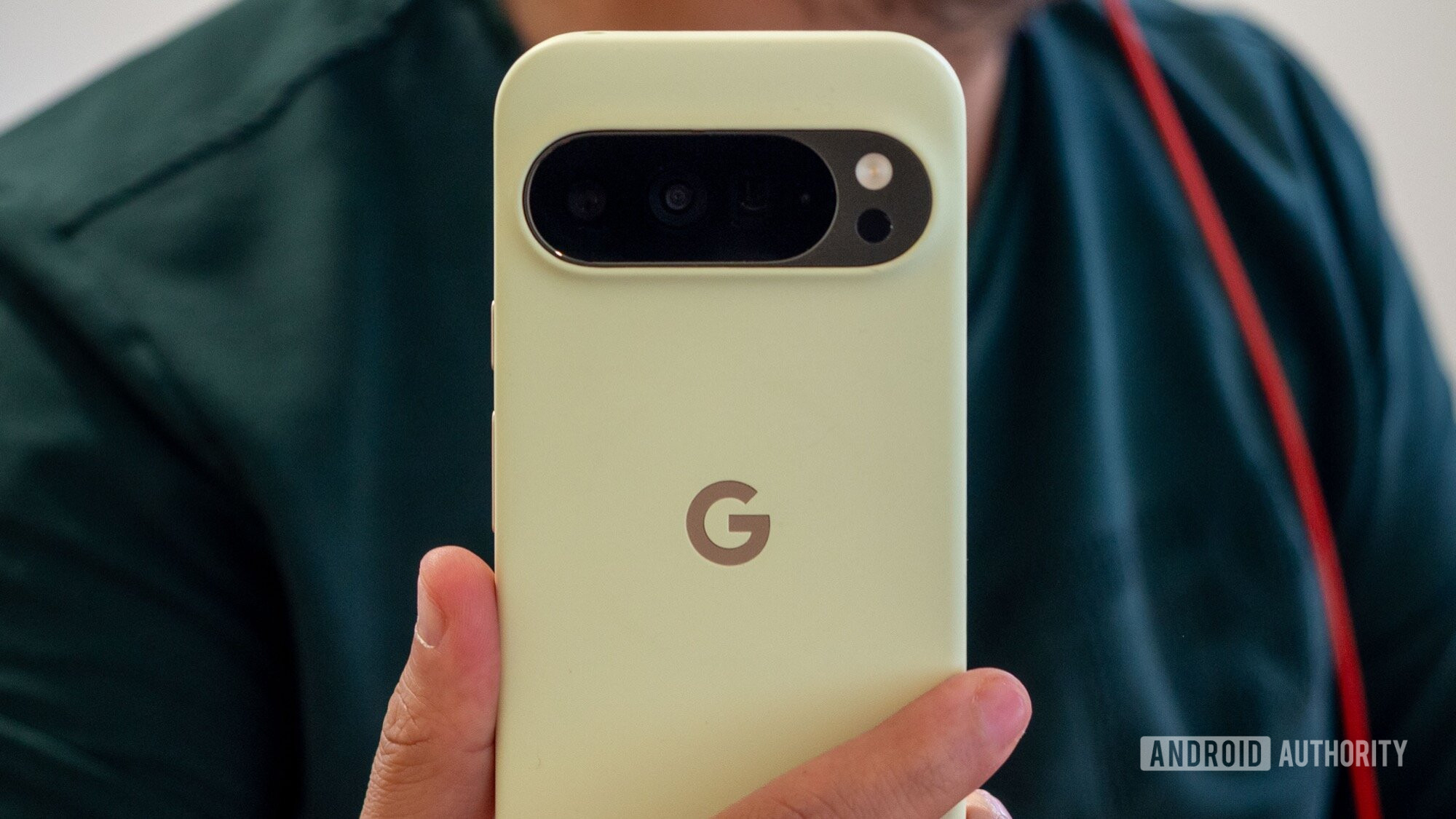
Industry analysts are already speculating on where such lighting could be positioned. While traditional CAD renders of the upcoming Pixel 11 series have not explicitly highlighted a dedicated light array, there is significant room for innovation within the camera housing itself. Integrating thin, high-fidelity LED strips or a light-diffusing material into the edges of the camera bar could provide a clean, elegant, and non-intrusive way to implement Pixel Glow without disrupting the established design language.
This move would be a strategic pivot. By incorporating custom hardware lights, Google is effectively creating a new tier of physical interaction. It differentiates the hardware from its competitors, who are largely focused on internal specifications and camera megapixels, by offering a unique, human-centric way to perceive digital notifications.
Industry Context and Competitive Strategy
From a broader market perspective, this is a calculated risk. Dedicated hardware lights are often associated with the "gamer phone" aesthetic—devices like the ROG Phone or RedMagic series, which utilize aggressive, high-intensity RGB lighting to appeal to a specific niche. Google, however, is clearly aiming for a more "subtle" and premium implementation. The focus on the word "subtle" in the discovered strings is not accidental; it is a design philosophy.
If successful, Pixel Glow could set a new trend in flagship smartphone design. It addresses the common pain point of "notification anxiety"—the need to constantly check one’s screen. By providing a low-intensity, color-coded visual cue, the user can discern the importance of a notification or the state of an AI process without being distracted by the full glare of a smartphone display. It aligns perfectly with the broader industry trend toward "digital wellbeing," where the goal is to make technology more helpful while remaining less intrusive.
Technical Challenges and Future Outlook
Implementing such a feature is not without its engineering hurdles. The inclusion of additional hardware components requires space, which is at an absolute premium inside modern, ultra-thin smartphones. Every millimeter is contested by battery capacity, camera sensors, and cooling systems. Furthermore, there is the issue of power consumption. While LEDs are inherently efficient, the circuitry required to drive them, especially for complex animations, adds another layer of complexity to the motherboard design.
Then there is the matter of user experience (UX) consistency. For Pixel Glow to be successful, it must feel like an extension of the operating system, not an afterthought. The integration with Android 17 suggests that Google is building this at the system level, allowing developers to potentially hook into this lighting system for their own apps, provided the hardware supports the necessary APIs.
We are currently in the phase of the development cycle where these "under-the-hood" features begin to materialize. While there is always a possibility that a feature discovered in a beta build could be delayed, scrapped, or modified, the presence of specific hardware-check strings suggests that the development team is far along in the prototyping or testing stages.
The Road Ahead
As we look toward the potential debut of the Pixel 11, the discovery of Pixel Glow provides a rare insight into the future of Google’s hardware roadmap. It indicates a company that is willing to experiment with the physical form factor of the phone to improve the user experience, rather than relying solely on software updates or iterative hardware improvements.
The implications for the user are profound: a phone that feels more alive, more communicative, and more deeply integrated with the AI services that are becoming the backbone of the Android experience. Whether this manifests as a ring light around the camera, a subtle strip beneath the glass, or something entirely new, it signals that the next generation of Pixel hardware may be the most distinct yet.
For the enthusiast community, this serves as a reminder that the most exciting developments in technology often happen in the quiet, undocumented lines of code that appear months before a device hits the shelves. We will be closely monitoring future Android 17 updates for any further references to "Orbit" or additional configurations for Pixel Glow. Until then, the prospect of a device that glows with the intelligence of its AI assistant remains one of the most compelling narratives in the mobile space.
As always, while these teardowns provide a roadmap for what may come, they are not guarantees. The path from a line of code to a mass-produced consumer device is fraught with engineering challenges, supply chain negotiations, and design refinements. Yet, the intent is clear: Google is looking to redefine how we interact with our phones, moving beyond the screen and into the realm of ambient, visual, and hardware-integrated intelligence. Whether this "Glow" becomes a hallmark of the Pixel 11 remains to be seen, but it is undoubtedly a feature worth watching as the industry approaches its next cycle of flagship releases.
