

For over a decade, my digital life was tethered to a singular, polished interface. Starting with the iPhone 5c, I became a true believer in the Apple ecosystem. It was a symbiotic relationship: my MacBook, iPad, and iPhone functioned as a unified entity, creating a frictionless workflow that felt impossible to replicate elsewhere. The convenience of AirDrop, the uniformity of iMessage, and the reassuring "it just works" mantra were the cornerstones of my daily routine. I viewed the Android alternative not as a legitimate competitor, but as a fragmented, less refined wilderness. Yet, as the years progressed, that seamless experience began to feel less like a feature and more like a gilded cage.
The realization didn’t hit me all at once; it was a slow accumulation of minor frustrations. As I kept track of industry trends, I couldn’t help but notice a recurring narrative: Apple, while undeniably masterful at refinement, often trailed behind in innovation. Time and again, I watched Android manufacturers pioneer hardware and software capabilities—ranging from advanced camera optics to high-refresh-rate displays—only to see them arrive on the iPhone years later, marketed as "groundbreaking" new features. This iterative, rather than transformative, approach began to wear on my patience.
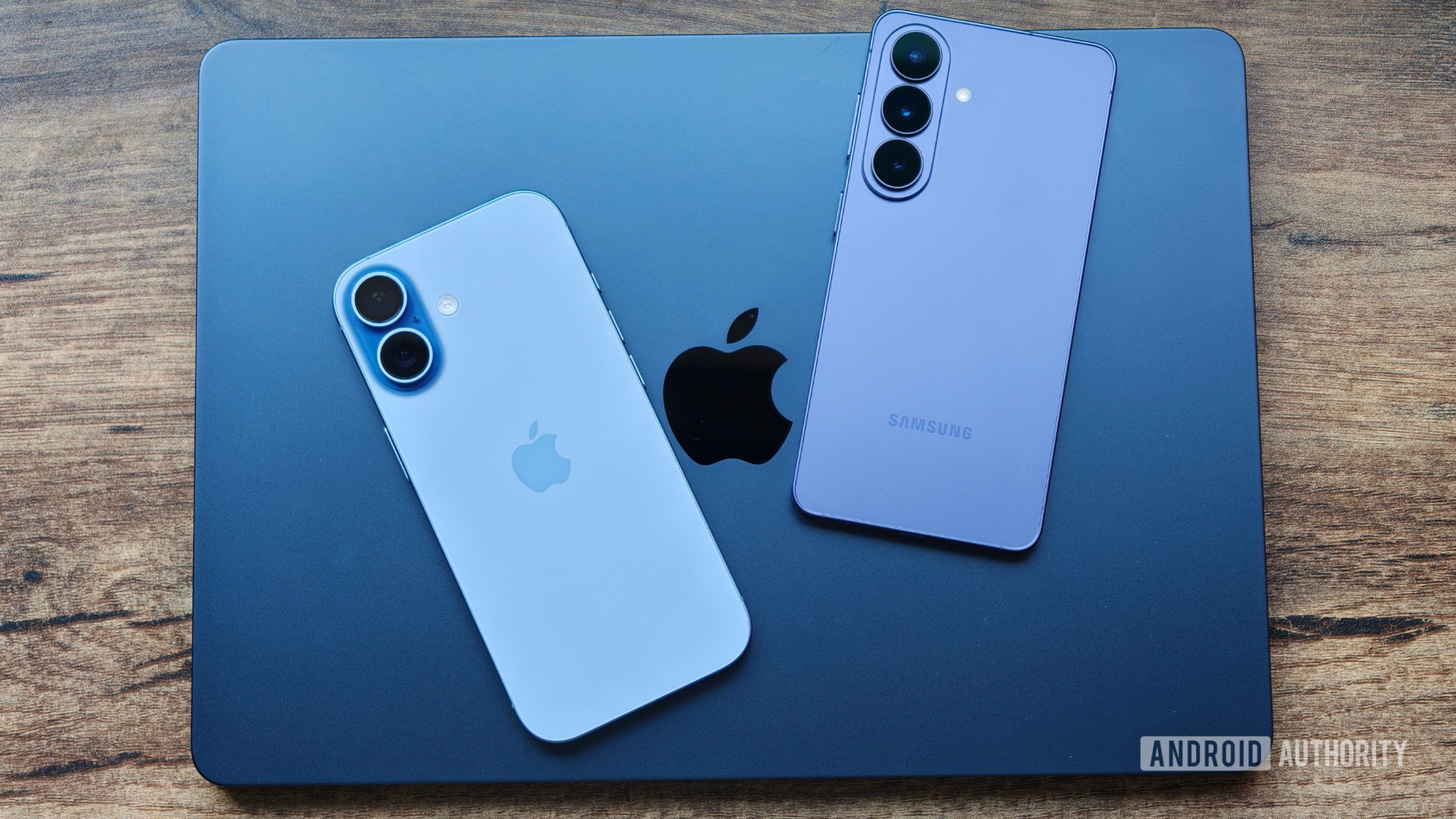
Curiosity eventually prompted me to pick up various Android handsets. What began as a casual experiment—testing the latest flagships for a few hours—slowly evolved into a daily habit. I found myself reaching for my Android device to handle tasks that felt unnecessarily cumbersome on iOS. It wasn’t just about raw power or customization; it was about agency. I realized that my loyalty was largely built on the fear of losing convenience, rather than a genuine preference for the platform’s limitations.
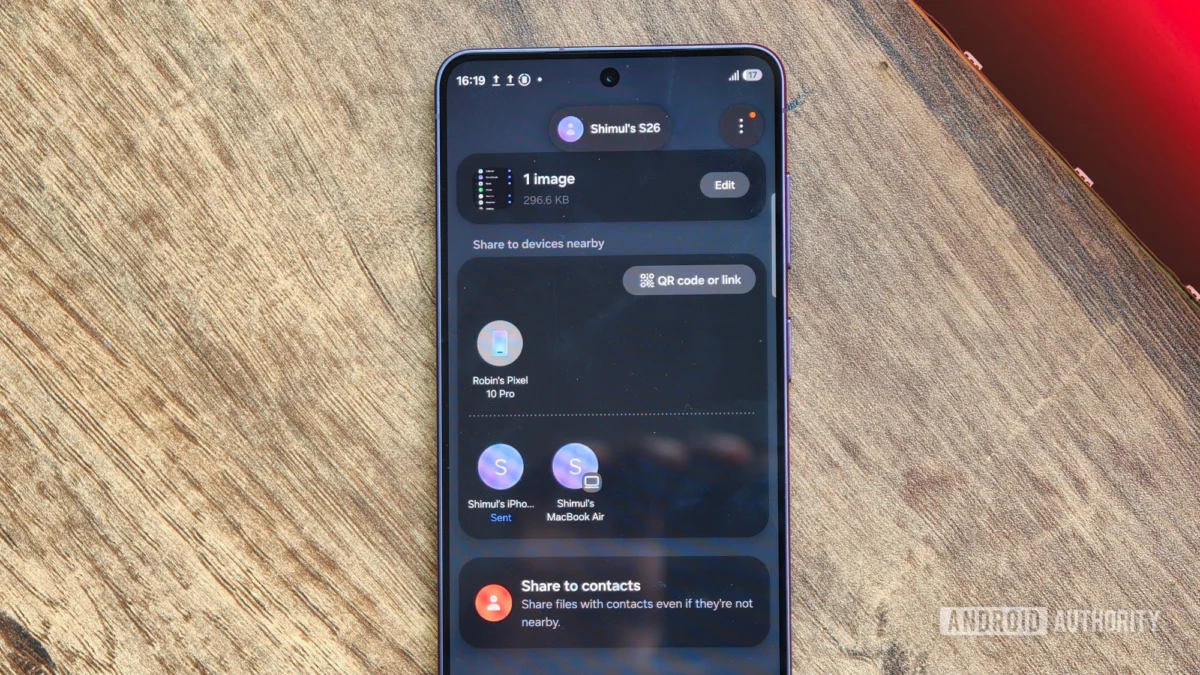
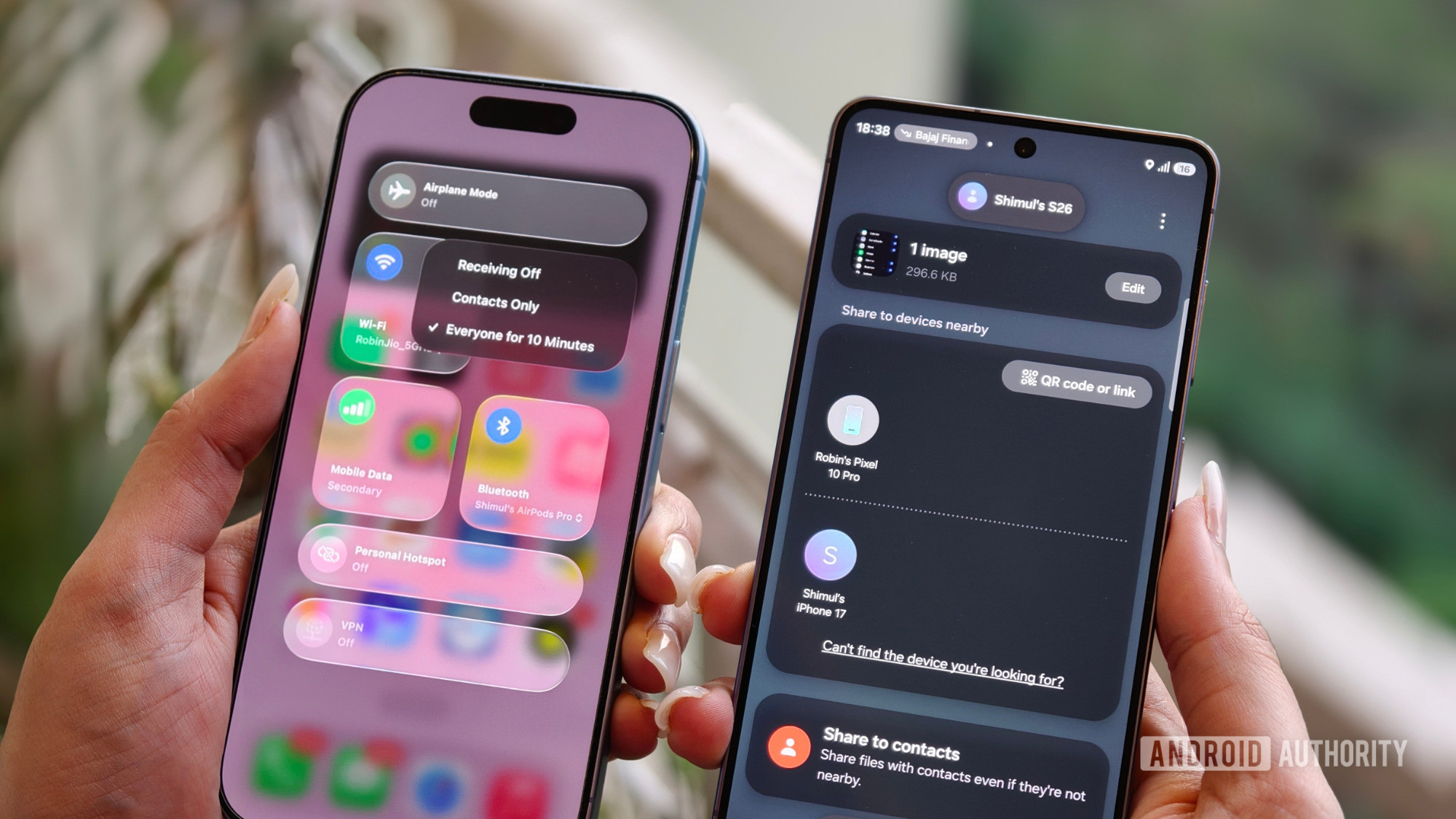
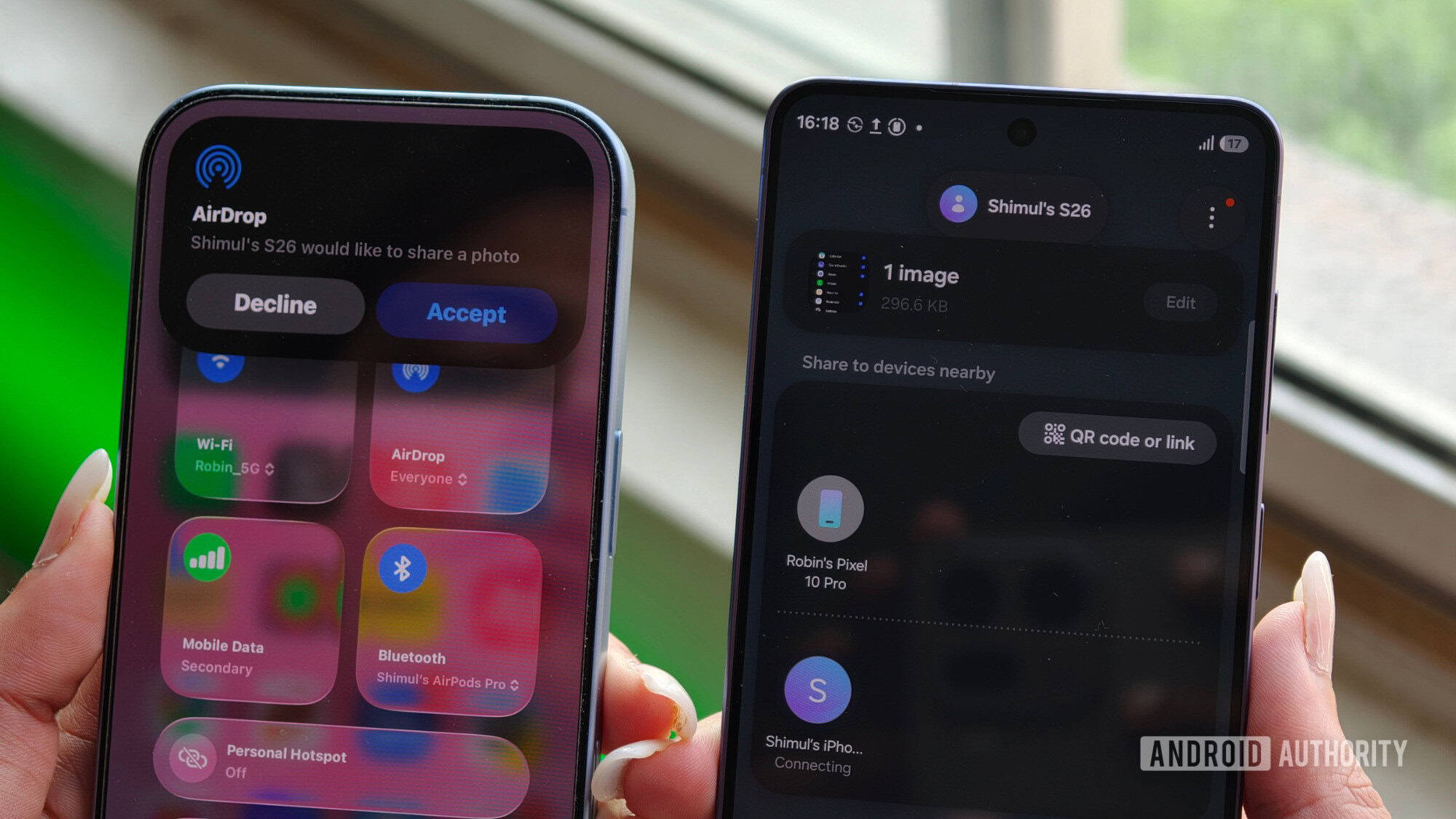
The tipping point finally arrived with the evolution of cross-platform connectivity. For years, the inability to move large files between my phone and my laptop without jumping through cloud-based hoops was the primary anchor keeping me in the Apple ecosystem. However, the recent maturation of Quick Share on modern Android flagships, such as the Galaxy S26 and the latest Pixel series, has effectively dismantled that barrier. The ability to move high-resolution photos and video files seamlessly between an Android device and a macOS machine is no longer a pipe dream; it is a reality that functions with the same, if not greater, efficiency than the ecosystem I spent thirteen years cultivating.
This shift signifies a broader trend in the mobile landscape. We are entering an era where hardware hegemony is being challenged by software interoperability. For years, companies relied on "walled gardens" to retain users, betting that the high cost of switching—in both time and money—would prevent churn. However, as standards like RCS and refined peer-to-peer sharing protocols become more universal, the moat surrounding these ecosystems is drying up. The industry is moving toward a more fluid experience, where users are no longer forced to choose between the hardware they prefer and the software ecosystem they rely on.
From an analytical standpoint, this transition represents a significant change in consumer psychology. When a long-term user finally makes the leap, it is rarely due to a single "killer feature." Instead, it is the cumulative result of a platform failing to respect the user’s growing need for flexibility. By clinging to archaic limitations—such as the persistent inclusion of basic, entry-level display technology on "affordable" models or restrictive file management—manufacturers risk alienating their most dedicated power users. My frustration with the hardware limitations of devices like the iPhone 17e—where base models still ship with outdated 60Hz panels—is a microcosm of a larger issue: a lack of competitive urgency in the mid-to-high-tier market.
The implications for the industry are profound. As the technological gap between flagship devices narrows, differentiation will increasingly rely on how open and adaptive an ecosystem can be. If a user can achieve the same level of productivity on an Android device while enjoying greater hardware freedom, the "ecosystem lock-in" defense becomes obsolete. This forces every player in the mobile space to innovate more aggressively to justify their premium positioning. It is no longer enough to rely on brand loyalty; companies must now compete on the merits of their user experience, software versatility, and the genuine value they provide to the end-user.
My personal experience during a recent trip underscored this shift perfectly. Relying solely on my phone for content creation, I found the limitations of my iPhone—specifically the absence of a dedicated, high-quality telephoto lens on the standard model—to be a major hindrance. Switching to the Galaxy S26 for my photography meant I could capture the quality I needed, and the subsequent transfer of those files to my MacBook was instantaneous. This was the moment the "friction" I had accepted for over a decade vanished. It was an eye-opening realization: I wasn’t trapped by a superior system; I was simply accustomed to a set of limitations that I no longer had to endure.
Looking toward the future, I anticipate that more users will prioritize modularity and interoperability over brand continuity. We are seeing a shift where power users and enthusiasts are demanding devices that work for them, rather than forcing them to work within the constraints of a platform’s design philosophy. This includes features like robust split-screen multitasking, file system access, and more aggressive hardware iterations that don’t hold back features for the sake of artificial segmentation.
Reflecting on my thirteen-year journey, the most jarring realization is not that I was wrong about Apple, but that I had stopped questioning why I stayed. The comfort of a familiar UI can be a powerful sedative, masking the fact that the mobile world has evolved beyond the boundaries of any single company’s design language. The transition to Android has not just provided me with a better, more capable smartphone; it has restored my agency as a consumer.
Ultimately, this is a story about the death of brand inertia. The digital walls are coming down, not through some grand legislative act, but through the quiet, steady progress of user-centric technology. Whether it is through improved file sharing, better cross-platform support, or simply the realization that the grass is greener on the other side, the era of the involuntary captive user is ending. For me, the switch wasn’t a betrayal of a brand I once loved; it was a long-overdue graduation into a more open, capable, and exciting digital world. I no longer feel the need to justify my choice based on legacy or habit. I am using the tools that best serve my needs, and for the first time in over a decade, I am not looking back. The transition was not just a change of hardware; it was a shift in perspective, proving that sometimes, the only thing keeping you from something better is the assumption that your current path is the only one available.
