

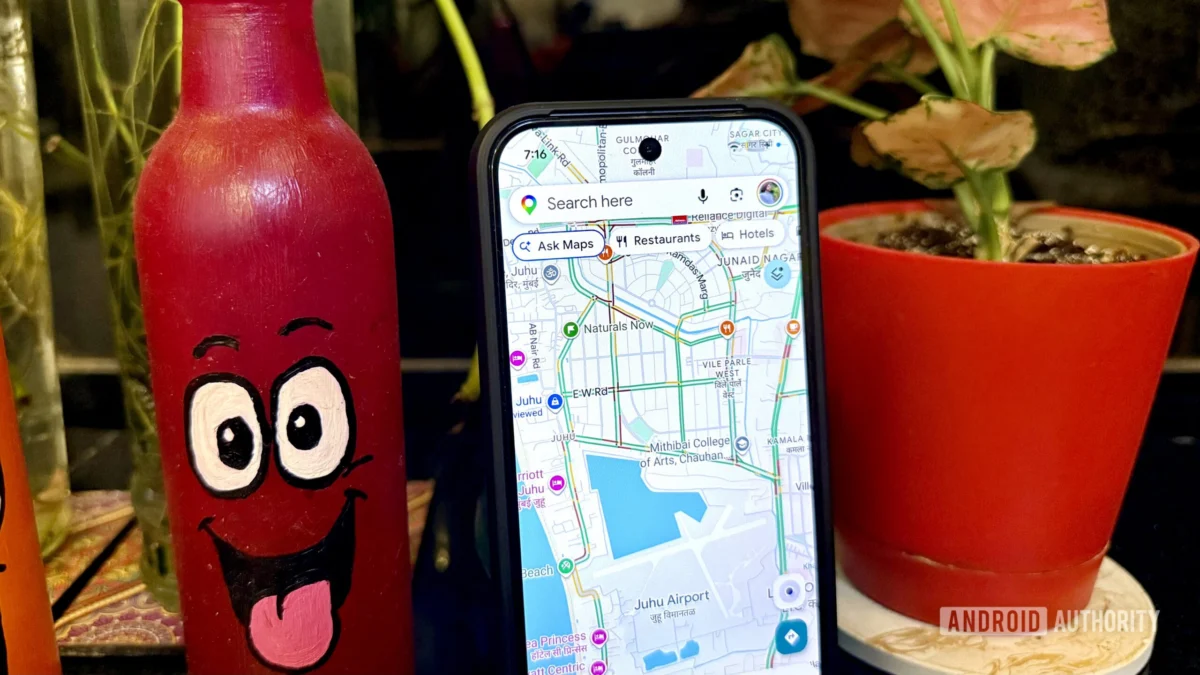
The evolution of digital navigation has moved beyond simple A-to-B routing, transforming into a sophisticated concierge service that integrates real-time environmental awareness with predictive behavioral modeling. With the integration of generative AI into mapping platforms, the standard approach to travel planning—often a frantic exercise in cross-referencing reviews, weather reports, and transit schedules—has been rendered obsolete. By harnessing large language models trained on massive, localized datasets, users can now bypass the "tourist trap" paradigm that has long plagued popular destinations, shifting the focus from generic landmarks to personalized, high-value experiences.
The Shift from Mechanical Metrics to Contextual Intelligence
Traditional mapping software functions as a linear processor. It calculates distance, estimates transit duration, and identifies points of interest based on proximity. However, this mechanical approach ignores the human cost of travel: the fatigue of navigating high-traffic areas, the discomfort of extreme weather, and the frustration of arriving at a destination only to find it overcrowded or inaccessible.
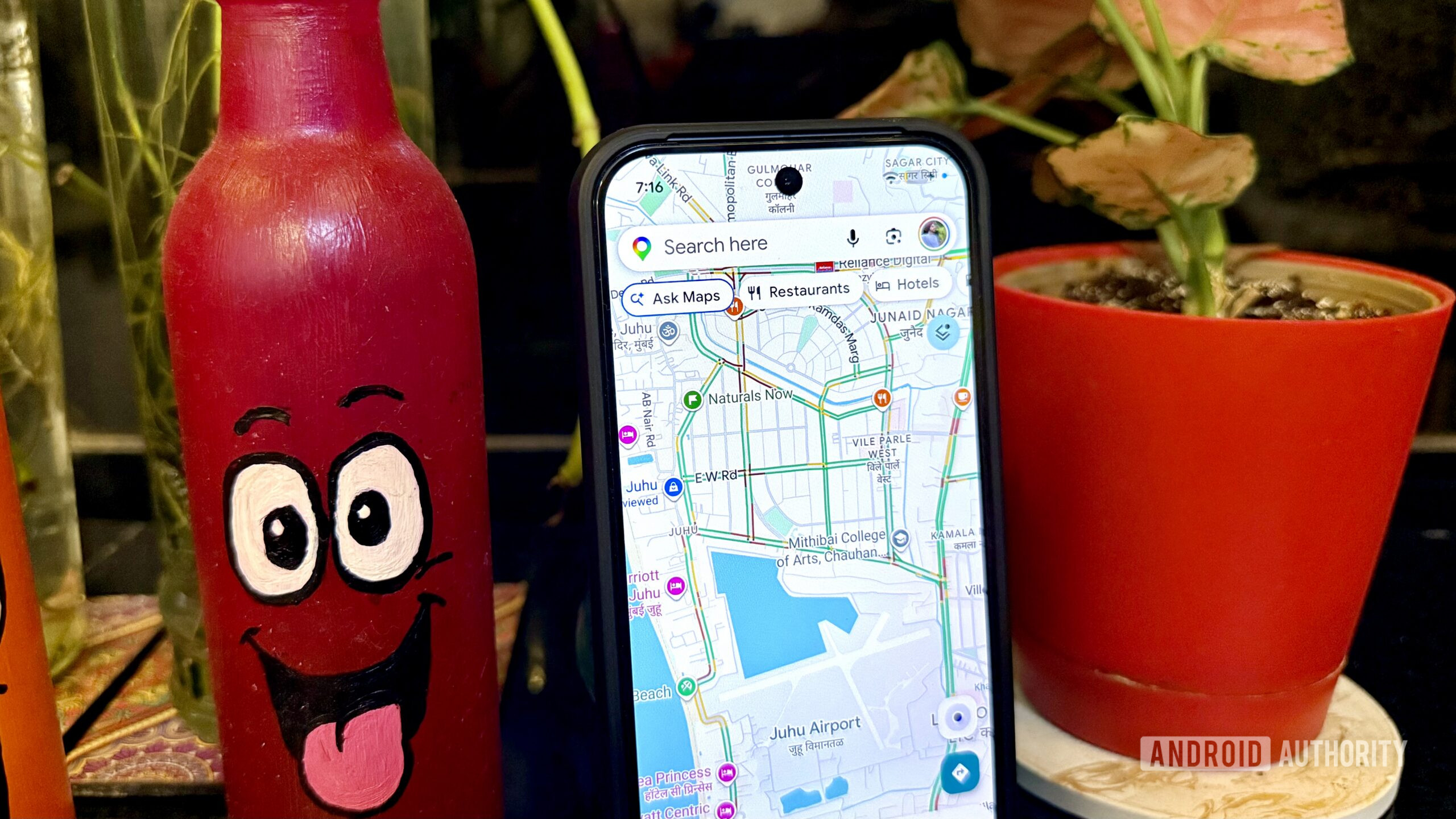
The new generation of AI-driven map interfaces fundamentally alters this dynamic by prioritizing "effort-optimization" over mere distance-optimization. When a user requests an itinerary, the AI analyzes variables that go far beyond longitude and latitude. It considers urban microclimates, pedestrian flow patterns, and real-time operational status. For example, a request for a "leisurely afternoon" in a bustling metropolis can now trigger a route that accounts for shaded walkways, quiet public squares, and transit hubs that avoid the sensory overload of main thoroughfares. This represents a significant industry shift: mapping platforms are no longer just tools for navigation; they are becoming decision-support systems that understand the nuances of user comfort and personal preference.
Temporal Arbitrage: Navigating the Crowds
One of the most persistent issues in modern tourism is the "peak hour" phenomenon. Iconic sites are often rendered unpleasant by the influx of visitors during standardized time slots. AI tools now allow for a strategy of temporal arbitrage—the practice of visiting popular locations at unconventional times to optimize the experience. By querying the AI about traffic trends and peak visitor windows, travelers can effectively "time-shift" their itinerary.
This isn’t merely about avoiding queues; it is about reclaiming the sanctity of a site. By directing users to hotspots during their "ebb" periods, AI enables a more intimate engagement with culture and architecture. In practical terms, this might mean visiting a high-demand café or a museum an hour before the typical lunch rush, ensuring a seamless experience that would have been impossible to coordinate manually without extensive research. The industry implication here is profound: as AI usage grows, we may see a more distributed flow of foot traffic across urban centers, potentially reducing the strain on over-touristed infrastructure.
The Interrogation Model: Moving Beyond Algorithmic Bias
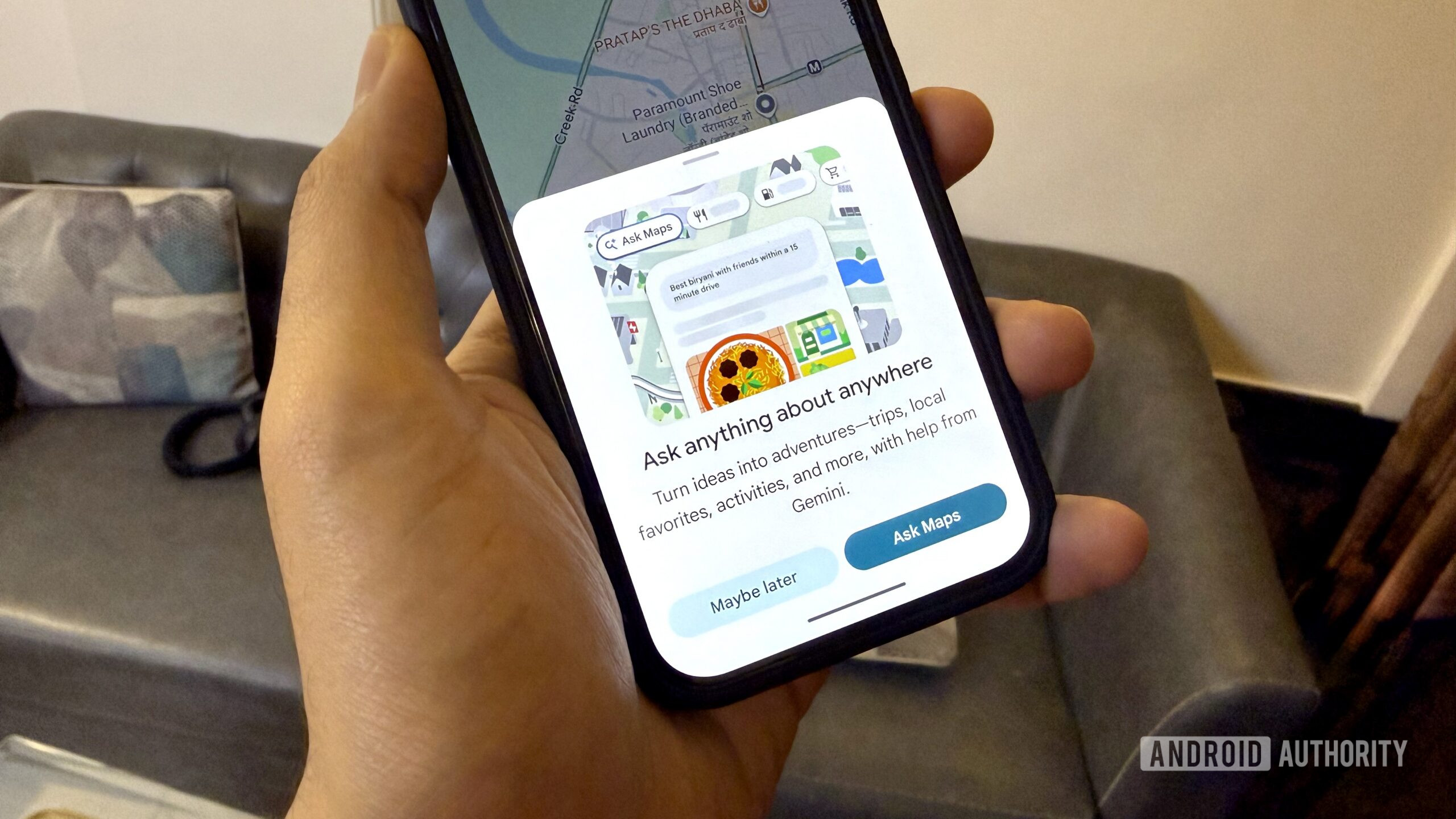
A common criticism of digital recommendation engines is their tendency to push "safe" or heavily marketed businesses—the restaurants with the most reviews rather than the best food. The "interrogation mode" facilitated by AI chat interfaces allows users to disrupt this feedback loop. By asking the AI to "justify its recommendations" or "compare the local vibe" of two distinct locations, the user forces the underlying model to move beyond superficial popularity metrics.
This process of interrogation acts as a filter against the "homogenization of tourism." When a user asks an AI to explain why it suggests a specific, perhaps lesser-known, hole-in-the-wall restaurant, the system must synthesize actual user sentiment, menu diversity, and atmosphere descriptions. This forces the AI to present the why behind the recommendation, providing the user with qualitative data that is far more valuable than a star rating. This level of granular inquiry empowers the traveler to curate a journey that aligns with their personal values rather than the generic preferences of the masses.
Curating Experiences Through "Vibe Alignment"
The concept of "vibe alignment" represents the next frontier in travel technology. Traditional search requires the user to input specific terms: "Italian restaurant," "public park," "art gallery." However, human intent is rarely that specific. We often plan our days based on energy levels and emotional goals. An AI that can interpret a prompt like "I want a morning that feels contemplative, a midday that feels vibrant and chaotic, and an evening that feels tranquil" is revolutionary.
By providing this emotional framework, the traveler grants the AI permission to curate a sequence of experiences that build a narrative throughout the day. This shifts the role of the map from a navigational tool to a narrative architect. The platform’s ability to link these disparate "vibes" into a coherent geographic plan—suggesting a quiet library for the morning, a bustling street market for the afternoon, and a secluded coastal spot for the sunset—is a testament to the power of context-aware AI.
Identifying "Negative Sentiment" Data
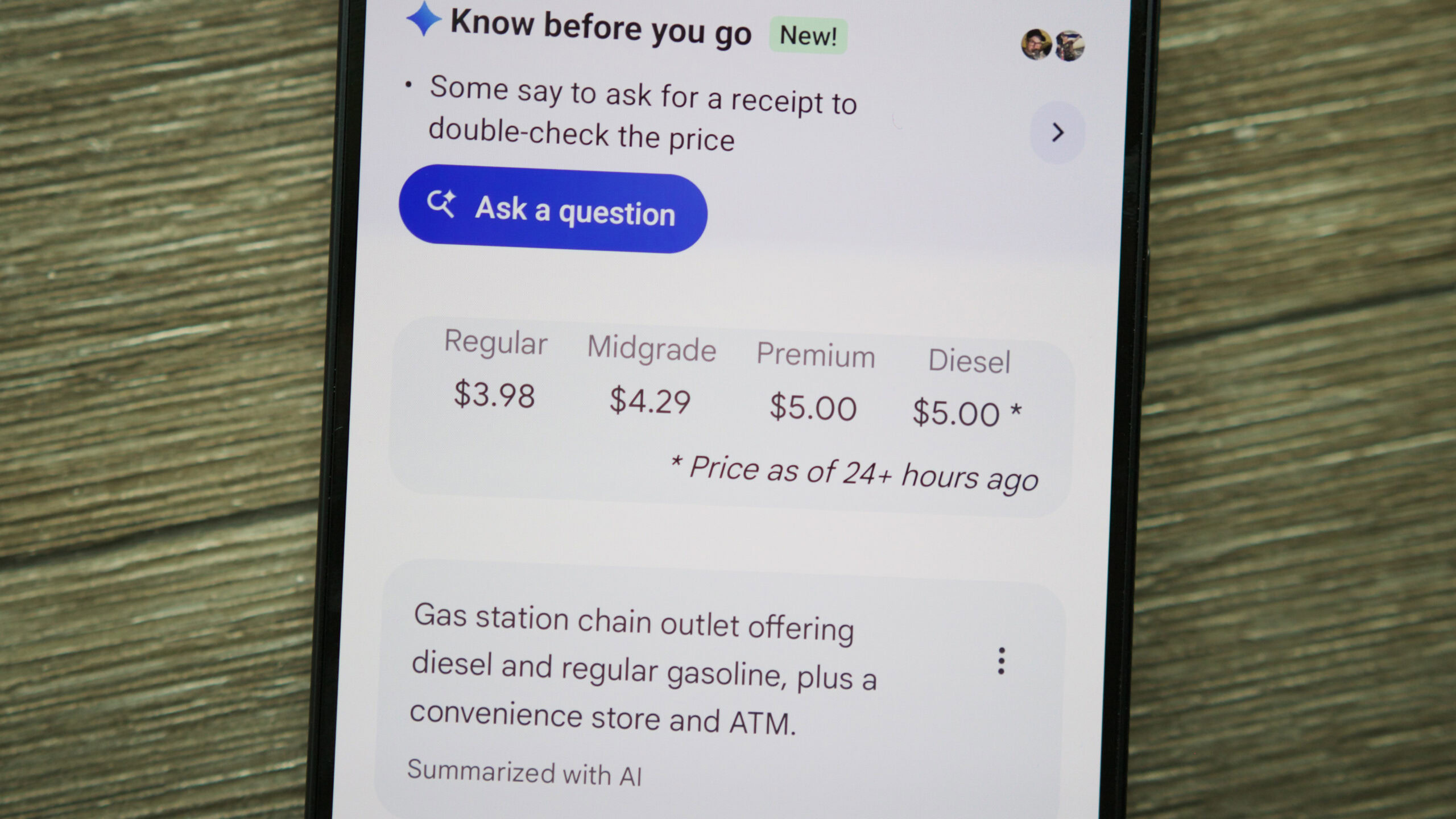
Perhaps the most underutilized aspect of AI in mapping is its ability to process negative sentiment at scale. Most travel guides focus on the positive: "best sights," "top-rated food." But for a traveler, knowing what to avoid is often more important than knowing what to see. By asking an AI to specifically look for "common complaints" or "recurring frustrations" regarding a location, a user can uncover critical information that might be buried in the noise of thousands of reviews.
This includes issues like poor accessibility, rude service, sanitation concerns, or structural flaws in a tourist experience that are rarely highlighted in brochures. By treating the AI as an auditor of public sentiment, the traveler gains a "balanced" view that prevents unpleasant surprises. This is a form of proactive risk management for the modern traveler. It allows for a more realistic expectation-setting, ensuring that the time spent on vacation is not marred by preventable annoyances.
Industry Implications and Future Trends
The integration of these features suggests a future where travel planning is significantly more efficient and democratic. As these AI tools become more adept at parsing complex, multi-modal, and preference-heavy queries, the barrier to entry for "authentic" travel decreases. A traveler who is not a local can now navigate a city with the same level of confidence as a resident, armed with a curated, AI-driven plan that respects their time and preferences.
However, this also presents challenges for the tourism industry. Small, high-quality businesses that rely on word-of-mouth may see their traffic patterns change as AI models favor them more heavily, while "tourist traps" that rely on high foot traffic and low repeat-visit rates may find themselves increasingly bypassed by savvy, AI-enabled travelers. We are entering an era of "informed discovery," where the mapping platform serves as the ultimate arbiter of quality, utilizing the collective intelligence of millions of users to help the individual navigate the complexities of the physical world.
As these technologies continue to evolve, we can expect even deeper integration with augmented reality and real-time IoT (Internet of Things) data, potentially allowing for dynamic, in-the-moment adjustments to itineraries based on sudden changes in city life. For now, the ability to converse with our maps, to interrogate them, and to ask them to build a day around our personal sense of "vibe" is the most significant leap forward in travel since the invention of the GPS itself. It is a transition from being a passenger to being the architect of our own journeys.
