

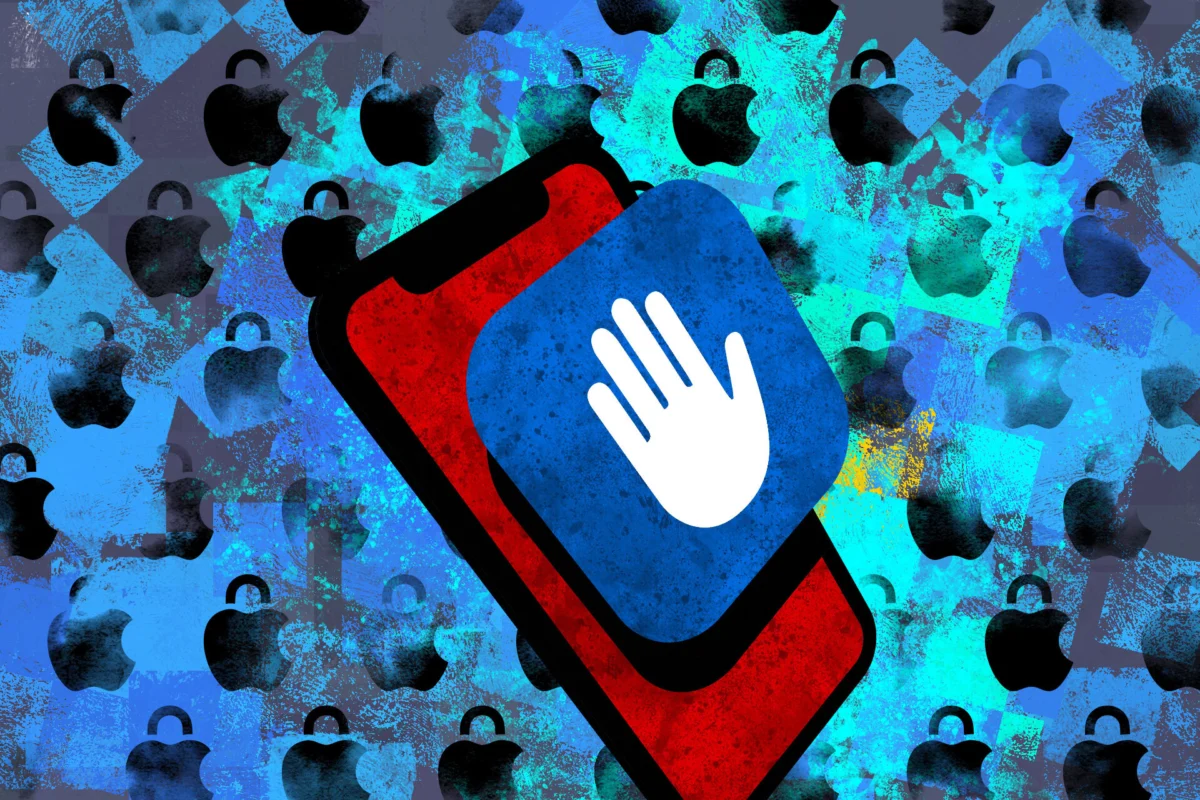
Four years into its deployment as a specialized security layer for high-risk users, Apple’s Lockdown Mode has maintained an unblemished record against the world’s most sophisticated mercenary spyware. In a recent update regarding the feature’s efficacy, Apple confirmed that it has yet to document a single instance of a successful remote breach on a device where Lockdown Mode was actively engaged. This milestone represents a significant victory for the Cupertino-based tech giant in its ongoing arms race against private intelligence firms and state-sponsored hacking entities that specialize in "zero-click" exploits.
The affirmation of the feature’s success was echoed by Sarah O’Rourke, an Apple spokesperson, who noted that the company is currently unaware of any successful mercenary spyware attacks targeting a device with these extreme protections enabled. This statement serves as a critical benchmark for the security community, providing a rare glimpse into the effectiveness of "attack surface reduction" as a primary defensive strategy. For a company that was once criticized for its perceived opacity regarding security vulnerabilities, this public confidence reflects a broader shift in Apple’s corporate philosophy toward proactive transparency and user notification.
Lockdown Mode was first introduced in 2022 as an opt-in suite of protections designed for a very specific subset of the population: journalists, human rights activists, diplomats, and high-level government officials. These individuals are frequently the targets of "mercenary spyware"—high-cost, highly sophisticated software developed by private companies like the NSO Group, Intellexa, and Paragon Solutions. Unlike traditional malware, which often requires a user to click a suspicious link or download a malicious file, mercenary spyware frequently utilizes "zero-click" exploits. These attacks can compromise a phone silently, often through a seemingly benign iMessage, a missed WhatsApp call, or a background data process, requiring no interaction from the victim whatsoever.
To combat these invisible threats, Lockdown Mode operates on the principle of extreme hardening. It is not merely a software patch but a fundamental shift in how the operating system handles data. By shrinking the "attack surface," the feature systematically disables or restricts various functionalities that are commonly leveraged by hackers to gain a foothold in the system. Patrick Wardle, a renowned cybersecurity expert specializing in macOS and iOS, has described Lockdown Mode as one of the most aggressive consumer-facing security features ever shipped. According to Wardle, the feature’s primary strength lies in its ability to eliminate entire classes of exploits by blocking complex message attachments, restricting WebKit features (the engine that powers Safari and other web-related tasks), and limiting the execution of certain types of code.
The success of this approach has been validated by more than just Apple’s internal metrics. Independent digital rights organizations, including Amnesty International and the University of Toronto’s Citizen Lab, have been at the forefront of investigating spyware infections globally. Donncha Ó Cearbhaill, the head of Amnesty International’s security lab, confirmed that his team has seen no evidence of a successful compromise on an iPhone where Lockdown Mode was active during the attack. In fact, historical data suggests the feature has functioned exactly as intended. In at least two documented instances involving the Pegasus spyware (developed by NSO Group) and the Predator spyware (developed by Intellexa), researchers found that Lockdown Mode successfully thwarted the intrusion attempts.
Perhaps most revealing is the psychological and economic impact Lockdown Mode has had on the spyware industry itself. Researchers at Google’s Threat Analysis Group recently observed a case where a sophisticated spyware suite intentionally "bailed out" of an infection attempt after detecting that the target device had Lockdown Mode enabled. This behavior suggests that spyware developers are increasingly wary of the feature. Because "zero-day" exploits—vulnerabilities unknown to the manufacturer—can cost millions of dollars on the gray market, hackers are reluctant to burn their most valuable tools on a device that might detect the intrusion or effectively block the payload. By making the cost of a successful attack prohibitively high, Apple has created a formidable deterrent that transcends mere technical barriers.

However, the efficacy of Lockdown Mode comes at a significant cost to the user experience. The "magic" of the modern smartphone experience is largely built on seamless background processes: link previews in messages, the rapid rendering of complex web fonts, and the automatic synchronization of shared media. Lockdown Mode strips these away. Users must manually copy and paste links into browsers, some websites may load incorrectly or slowly, and incoming FaceTime calls from unknown numbers are blocked entirely. For the average consumer, these trade-offs are often too burdensome, but for those whose lives or work depend on digital privacy, the inconvenience is a small price to pay for a "digital bunker."
The broader industry implications of Apple’s success are profound. For years, the narrative in cybersecurity was that the defender must be right 100% of the time, while the attacker only needs to be right once. Lockdown Mode flips this script by essentially removing the pieces of the puzzle that the attacker needs to win. This success is forcing other platform holders, such as Google with its Android ecosystem, to consider similar "hardened" modes for their own devices. However, Apple’s unique position as the controller of both the hardware and software (the "walled garden") gives it a distinct advantage in implementing such deep-level system restrictions.
Apple’s shift toward aggressive defense is also a response to the geopolitical reality of modern surveillance. In recent years, the company has become more vocal about the threats posed by the mercenary spyware industry, even going so far as to sue the NSO Group and provide financial support to organizations that investigate these attacks. Since 2021, Apple has sent thousands of threat notifications to users in over 150 countries, alerting them that they may have been targeted by state-sponsored attackers. This proactive notification system, combined with the technical shield of Lockdown Mode, has transformed Apple from a hardware provider into a frontline defender of digital human rights.
Looking toward the future, the cat-and-mouse game between Apple and spyware vendors is unlikely to end. As Lockdown Mode closes off traditional vectors like WebKit and iMessage attachments, attackers will inevitably look for deeper, more obscure vulnerabilities in the cellular modem firmware or the hardware’s "Secure Enclave." There is also the persistent possibility that a bypass for Lockdown Mode already exists but has not yet been detected by researchers. Security is never a destination but a continuous process of adaptation.
Despite these future risks, the current four-year streak of Lockdown Mode is a significant milestone in the history of mobile security. It proves that it is possible to build a consumer device that can withstand the most sophisticated digital weapons in the world, provided the manufacturer is willing to sacrifice some level of convenience for the sake of safety. For the diplomats, journalists, and activists who rely on these devices to communicate in dangerous environments, the "zero-hack" record is more than just a marketing statistic; it is a vital assurance of their personal and professional safety.
As we move into an era where cyber warfare and digital surveillance are increasingly used as tools of statecraft, the role of tech giants in protecting their users will only grow in importance. Apple’s Lockdown Mode has set a high bar, demonstrating that through a combination of attack surface reduction, transparency, and collaboration with independent researchers, it is possible to hold the line against the most well-funded adversaries in the digital landscape. For now, the "unbreakable" reputation of Lockdown Mode remains intact, serving as a testament to the power of principled, defensive engineering.
