

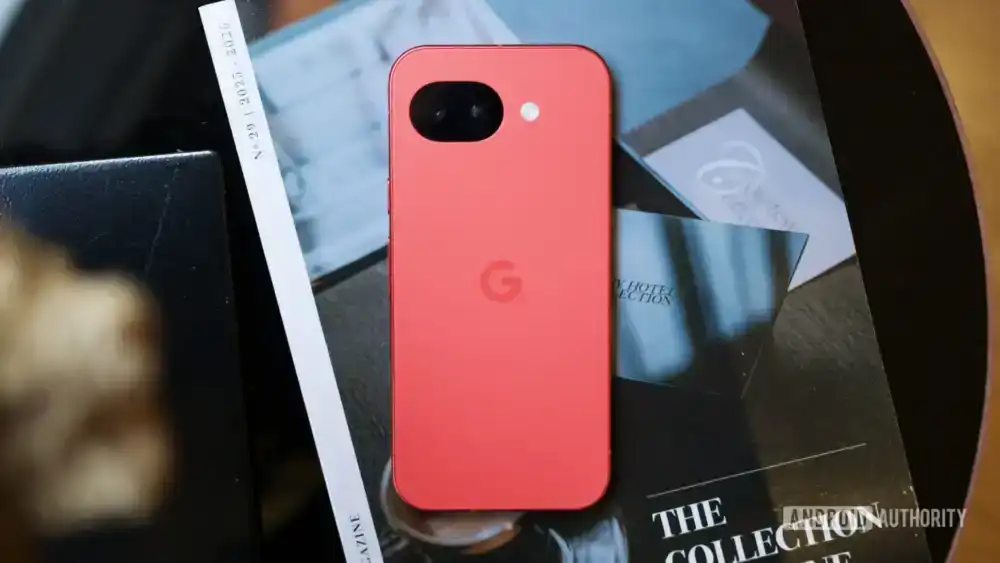
The contemporary smartphone landscape is undergoing a significant stratification, where the chasm between flagship devices commanding premium prices and capable mid-range alternatives continues to narrow, largely due to the aggressive technological parity achieved by manufacturers in the sub-$700 segment. Central to this evolving dynamic is Google’s "a-series," epitomized by the newly launched Google Pixel 10a. This device is rapidly establishing itself not merely as an affordable option, but as a formidable contender punching well above its established price bracket. Currently, early adopters and interested consumers are presented with compelling acquisition incentives, specifically through Amazon, allowing them to select between a substantial $100 gift card or a complimentary pair of Pixel Buds 2a, regardless of the chosen aesthetic variant—be it Obsidian, Lavender, Fog, or the vibrant Berry hue.
The significance of these bundled offers cannot be overstated, particularly when contextualized against the device’s core specifications. The Pixel 10a arrives carrying the Google Tensor G4 chipset, a silicon powerhouse previously reserved for the flagship Pixel 9 series. This strategic deployment of proprietary hardware into the mid-range signals Google’s commitment to democratizing high-level processing capabilities. Paired with 8GB of unified memory, the Tensor G4 ensures performance that eschews the typical compromises associated with budget-tier smartphones. Benchmarks and real-world usage confirm that daily operations, demanding multitasking, and even moderate gaming are handled with a fluidity that rivals devices costing hundreds more. This hardware synergy is crucial; it allows the Pixel 10a to deliver a near-premium user experience, leveraging Google’s optimized software stack to maximize efficiency.
Beyond raw processing power, the visual experience has been meticulously curated. The 10a boasts a high-quality P-OLED display, a panel technology that often signals higher price points. This screen renders visuals with exceptional fidelity, supporting a crisp Full HD+ resolution and, critically for modern mobile use, a smooth 120Hz refresh rate. Furthermore, the peak brightness specification, reportedly reaching 3,000 nits, indicates excellent outdoor visibility—a feature essential in today’s bright, pervasive outdoor computing environment. However, potential purchasers must note the deliberate design choice regarding screen size. At 6.3 inches, the display prioritizes one-handed usability and pocketability, aligning with consumer segments that find larger phablets cumbersome. For users accustomed to expansive 6.7-inch+ displays, this dimension may represent a functional trade-off, a key consideration in the purchasing decision matrix.
From an industrial design perspective, the Pixel 10a continues the lineage of thoughtful, robust construction Google champions. The integration of an aluminum frame paired with Gorilla Glass 7i for the front panel provides a reassuring tactile quality and durability often absent in plastics-heavy competitors. The inclusion of an IP68 rating for ingress protection against water and dust further cements its status as a reliably built device, capable of withstanding real-world hazards that cheaper alternatives often fail to address. These material choices elevate the perceived value far beyond the expected $499 MSRP.
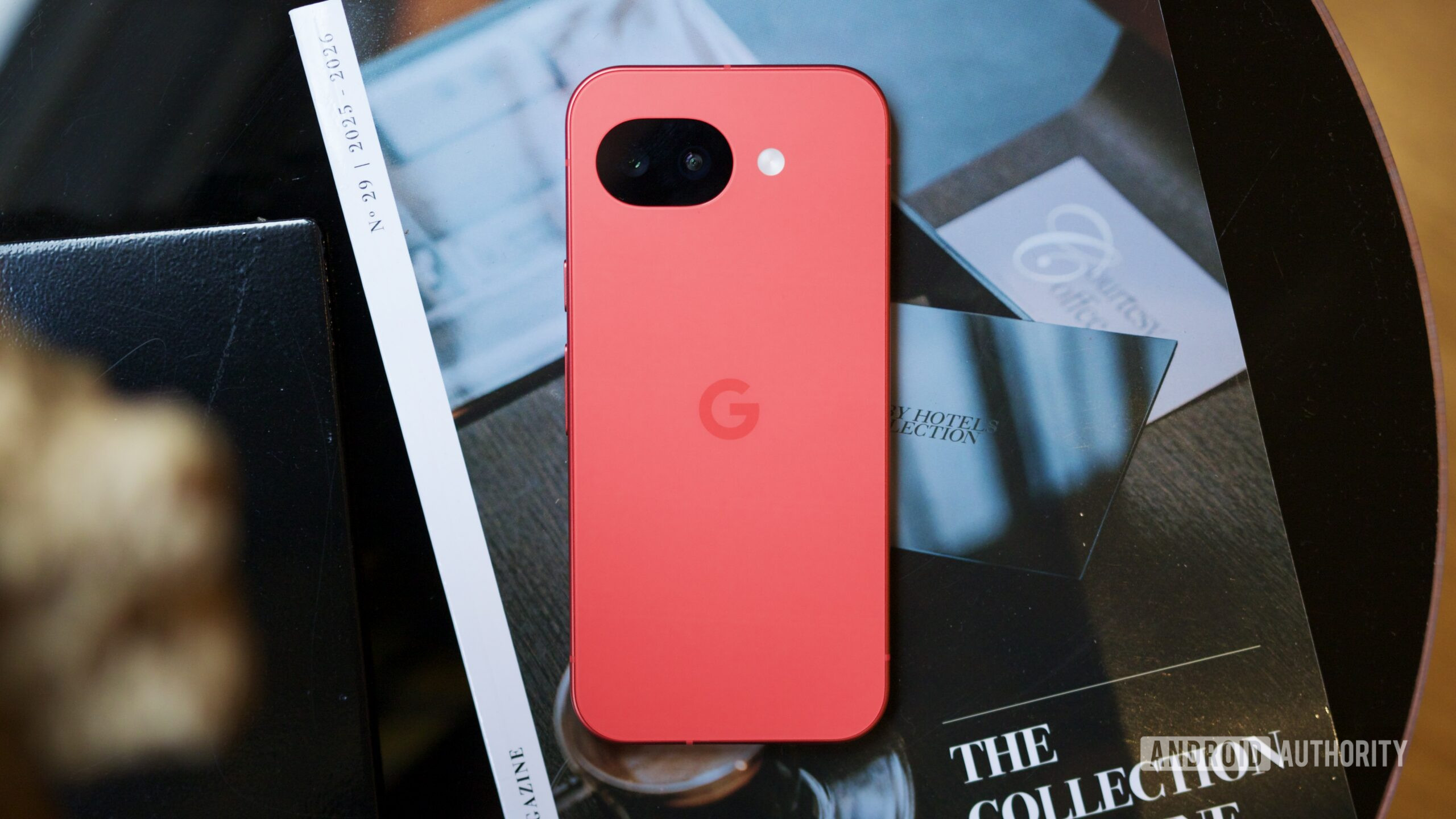
Analyzing the camera module requires nuance. While all Pixel devices inherently benefit from Google’s computational photography algorithms, which are industry-leading for image processing, the hardware specifications on the 10a are necessarily scaled back to meet the aggressive pricing target. Consumers should anticipate "more than decent" performance—images that are consistently sharp, color-accurate, and excel in everyday point-and-shoot scenarios, particularly leveraging Night Sight capabilities. However, the expectation of flagship-tier optical zoom or cutting-edge sensor technology should be tempered. The camera system on the 10a represents a strategic compromise: sacrificing marginal photographic superiority for significant gains in overall device affordability and core performance metrics.
Battery life and charging infrastructure present another area of pragmatic engineering. The inclusion of a substantial 5,100mAh cell addresses common concerns about endurance, suggesting strong all-day performance even with the 120Hz display active. The charging speeds, capped at 30W wired and 10W wireless, are competitive but not segment-leading. While faster charging technologies are emerging across the industry, Google prioritizes battery longevity and thermal management over raw wattage numbers, a strategy that appeals to users prioritizing long-term battery health over instantaneous top-ups.
The strategic implication of the Pixel 10a’s positioning—leveraging flagship silicon (Tensor G4) and premium display tech (120Hz P-OLED) while maintaining a mid-range price—is a direct assault on the dominance of established mid-market players, particularly from Chinese OEMs who traditionally dominate this space through aggressive component sourcing. Google is leveraging its vertically integrated software and custom silicon advantages to deliver a competitive package that focuses on the experience derived from the software rather than simply stacking raw specifications. The Tensor G4’s enhanced AI/ML capabilities, which underpin features like Call Screening, Magic Eraser, and superior on-device processing, provide a functional differentiation that hardware specifications alone cannot convey.
The current promotional window—the choice between a $100 retailer credit or the Pixel Buds 2a—is indicative of modern product launch strategies. These are often structured as pre-order bonuses designed to drive initial sales velocity and secure positive early press coverage. The fact that these promotions remain active immediately following the general release underscores a potential strategy to maintain momentum past the initial announcement buzz. For a device already priced competitively at $499, the addition of $100 in flexible spending power (the gift card) represents a nearly 20% effective discount on the total cost of ownership, while the Pixel Buds 2a offer an attractive hardware synergy bundle, encouraging ecosystem lock-in.
From a broader market trend perspective, the success of devices like the Pixel 10a speaks volumes about consumer maturity. Early adopters flocked to flagship specifications regardless of price; today’s mainstream consumer is far more discerning, valuing tangible performance gains and essential features (like display quality and battery life) over niche flagship amenities (like extremely advanced periscope zoom lenses). This shift validates Google’s "a-series" philosophy, which has consistently prioritized software experience and core functionality over maximalist hardware.
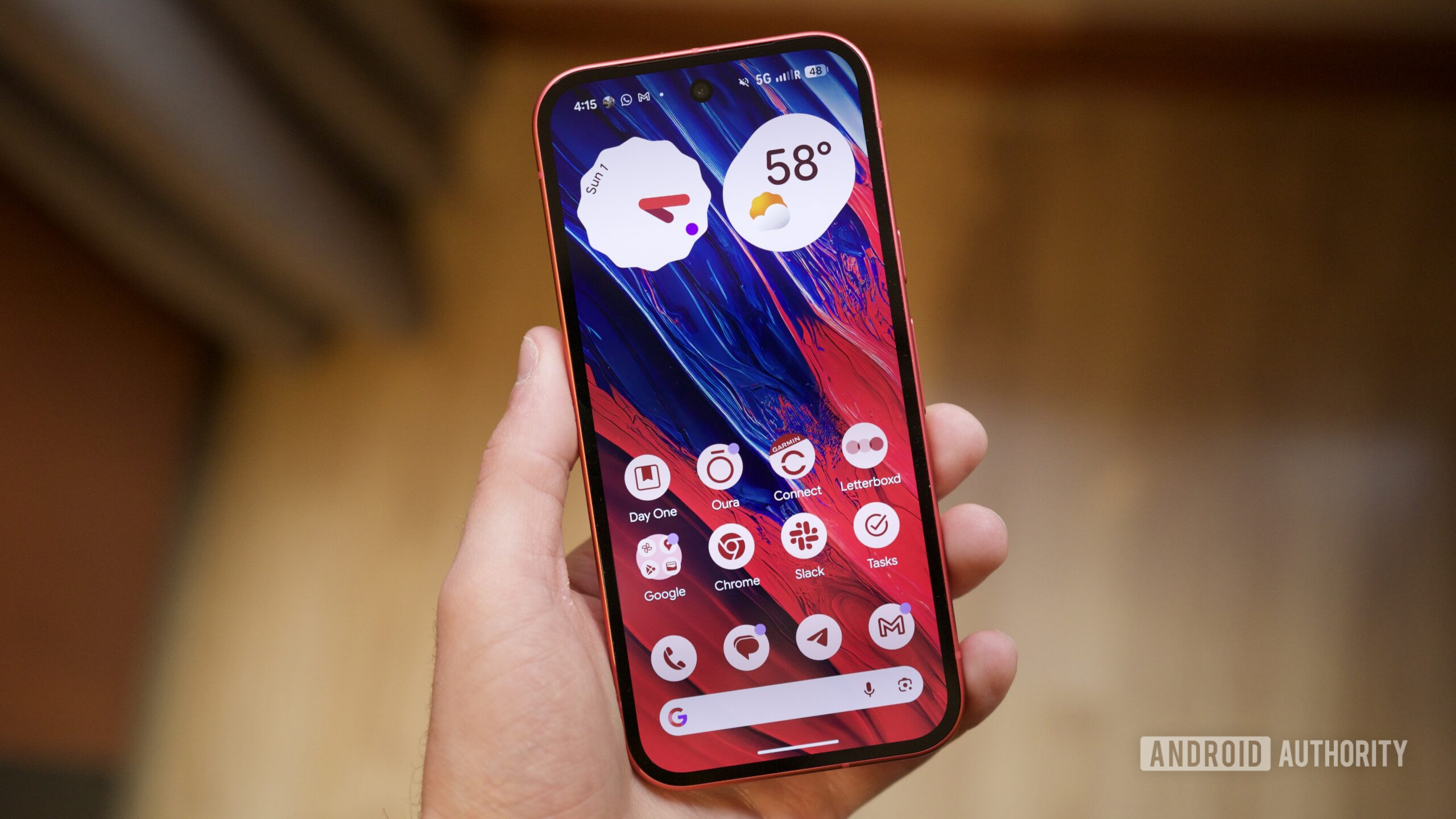
The future impact of this device hinges on Google’s long-term commitment to supporting the Tensor G4 platform within this price segment. If the Tensor G4 ensures extended software update longevity and consistent performance gains through future Android versions, the 10a could set a new benchmark for longevity in the mid-range market, challenging the traditional two-year lifecycle expectations often associated with non-flagship Android phones. This longevity, combined with the current value proposition, positions the 10a as a critical device for Google’s growth strategy, aiming to expand its active user base globally without diluting the brand perception associated with its premium Pixel line.
The hardware construction also hints at future trends. The IP68 rating, often seen as a premium feature, suggests that durability and weatherproofing are becoming non-negotiable baseline requirements, even in budget-conscious offerings. Consumers expect their primary communication device to withstand environmental variables, pushing manufacturers to absorb these costs earlier in the product stack.
The choice between the gift card and the earbuds is a nuanced marketing play. The gift card appeals to the pragmatic user who might immediately funnel that value into a case, screen protector, or perhaps even apply it towards a carrier subsidy for a future upgrade. Conversely, the Pixel Buds 2a targets the connected user, immediately integrating the purchaser into the Google audio ecosystem, thus increasing the stickiness of the platform. Retailers like Amazon, facilitating these promotions, benefit from increased traffic and basket size, solidifying their role as primary distribution channels even for hardware launches.
In conclusion, the Google Pixel 10a is engineered as a value proposition where every major specification—processor, display refresh rate, and battery capacity—has been optimized to deliver an experience that defies its price tag. The immediate availability of substantial purchase incentives, whether financial or accessory-based, merely serves to amplify an already compelling case. For consumers seeking high-level performance without the associated thousand-dollar burden, the 10a, backed by these timely offers, represents a mature, calculated move by Google to capture significant market share in the increasingly important mid-range sector. The urgency implied by the pre-order expiration suggests these deals are transient, rewarding those who act decisively to secure this high-value package.
