

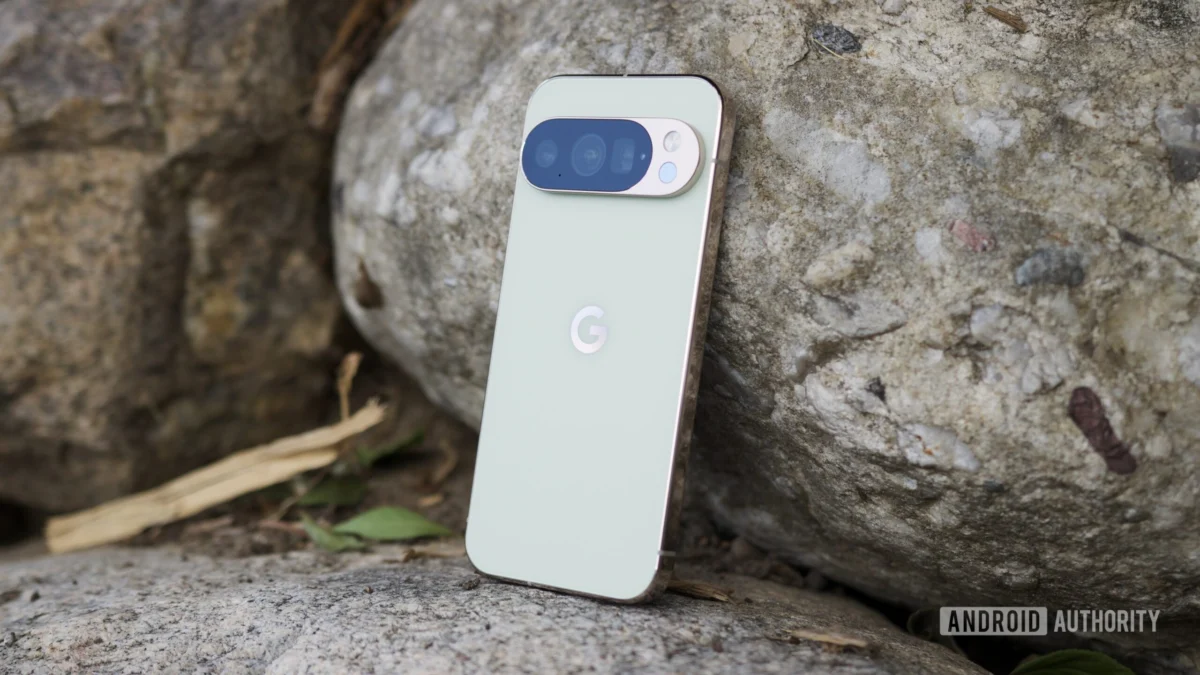
The contemporary mobile marketplace operates on an unforgiving, hyper-accelerated cadence where consumer technology obsolescence is measured in months rather than years. Within this ecosystem, Google’s Pixel hardware division has carved out a formidable reputation, transitioning from a niche enthusiast brand into a mainstream titan capable of competing toe-to-toe with established giants like Apple and Samsung. Current lineups boast impressive diversity, ranging from the standard Pixel 10 and its sophisticated Pro sibling, to the expansive Pixel 10 Pro XL and the bleeding-edge Pixel 10 Pro Fold. Despite the undeniable engineering prowess embedded within these current-generation flagships, purchasing any handset from the existing Google inventory at this precise juncture represents a fundamentally flawed financial and technological strategy.
Understanding the economic and temporal dynamics of consumer electronics requires looking past immediate gratification to evaluate the broader product lifecycle. Google has officially cemented August 12 as the target date for its forthcoming hardware showcase, placing the official unveiling of the next-generation ecosystem less than a fortnight away. Committing capital to an outgoing hardware generation mere weeks before a major platform refresh is an exercise in guaranteed regret. Buyers who pull the trigger today risk immediate depreciation, paying full retail value for hardware that will instantly be relegated to secondary status the moment a successor is introduced.
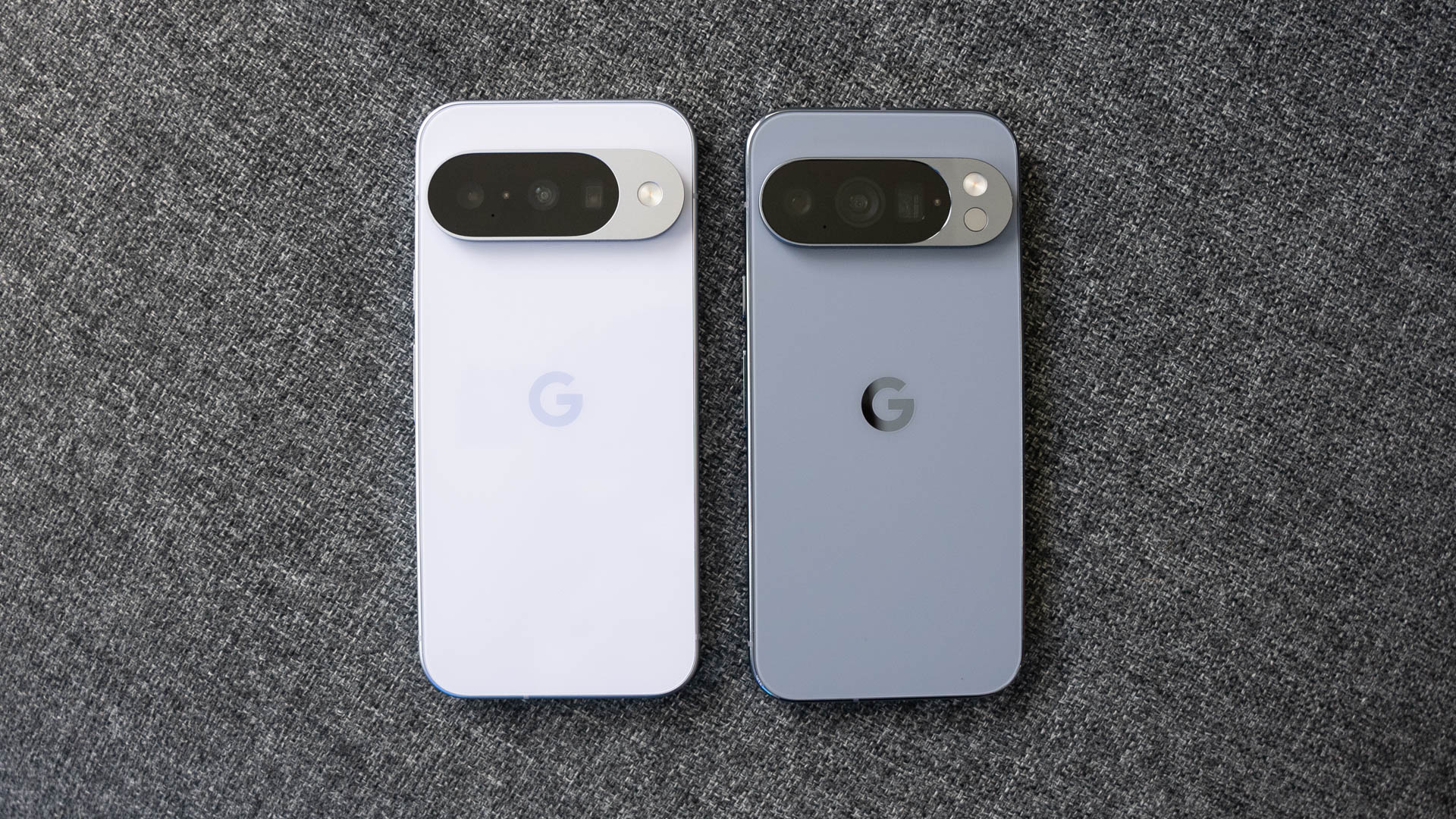
Industry analysts tracking the upcoming hardware cycle anticipate substantial architectural shifts under the hood, spearheaded by the rumored debut of the Tensor G6 system-on-chip. Early industry intelligence suggests this next-generation silicon will embrace an ambitious 1+4+2 core configuration, anchoring performance around a primary ARC C1-ultra core clocked at an aggressive 4.11GHz, supported by four performance-oriented ARM C1-Pro cores running at 3.38GHz, and a pair of efficiency-focused C1-Pro cores operating at 2.56GHz. Furthermore, the transition to an advanced 2nm fabrication node—representing a direct shrinkage from the 3nm architecture utilized in previous iterations—promises profound leaps in raw computational throughput and thermal management.
The strategic trade-offs engineered into the Tensor G6 silicon offer fascinating insights into Google’s evolving hardware philosophy. Whispers from the supply chain indicate that Google may adopt a PowerVR C-Series CXTP-48-1536 graphics processing unit, leaning on foundational architecture first established in 2021. While a superficial glance might interpret this as a regression compared to the preceding generation’s graphics subsystem, expert industry analysis suggests a calculated design compromise. For consecutive generations, Tensor-powered devices have battled thermal throttling under sustained loads and mediocre battery endurance. By channeling silicon real estate and thermal headroom toward boosting central processing and neural processing unit capabilities—while streamlining graphics demands—Google appears focused on delivering sustained peak performance without the excessive heat dissipation that previously hindered user experience.
If these hardware projections prove accurate, consumers can anticipate a roughly 15% boost in central processing speeds paired with a remarkable 30% improvement in overall power efficiency. For the average end-user, this translates into tangible real-world benefits: cooler operating temperatures during intensive multitasking sessions and noticeably extended battery longevity throughout heavy daily use. While purists may debate the theoretical limits of the graphical subsystem, the overarching design philosophy prioritizes stability, thermal comfort, and artificial intelligence processing headroom—areas where modern smartphones derive their primary competitive differentiation.
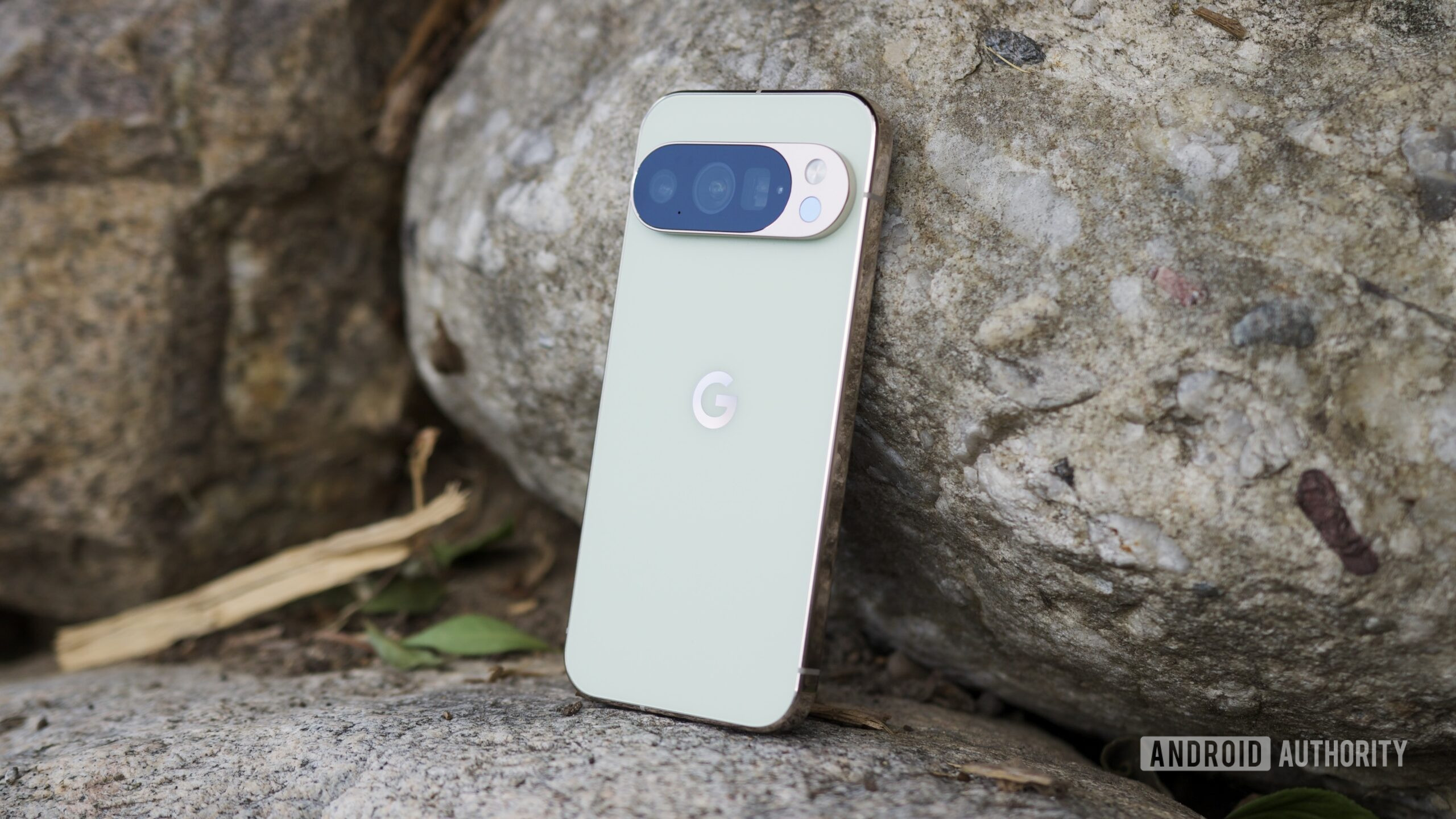
Beyond core silicon architecture, the impending hardware release cycle is rumored to introduce external aesthetic and functional innovations that will sharply delineate the upcoming generation from its predecessors. Supply chain leaks and regulatory filings have pointed toward a novel illumination array embedded around the signature camera bar. Speculated to launch under monikers like Pixel Glow or Gemini Glow, this luminous indicator is projected to serve dual purposes: visually signaling when a user is actively engaging with artificial intelligence assistants versus human interlocutors, and functioning as a customizable notification ledger reminiscent of alternative industry design paradigms.
Hardware refinements will not be limited to cosmetic lighting accents or chipset revisions. Broader generational updates are expected to encompass significant imaging sensor upgrades, highlighted by a new 50-megapixel primary sensor for the baseline models. Additionally, industry rumblings strongly indicate a strategic shift in internal connectivity components, with Google purportedly moving away from Samsung-sourced modems in favor of advanced MediaTek hardware. This anticipated modem transition addresses one of the most persistent historical pain points associated with the Tensor lineage: cellular connectivity stability and standby power consumption in fringe network environments.
For consumers currently navigating a broken, failing, or obsolete smartphone, the temptation to immediately purchase an existing model is understandable. However, even for those facing urgent replacement needs, restraint remains the wisest course of action. Alternative flagship ecosystems, such as Samsung’s Galaxy S series, offer contemporary choices, but waiting out the final days before an official hardware launch yields distinct advantages regardless of whether a buyer intends to adopt the newest technology or capitalize on clearance pricing.
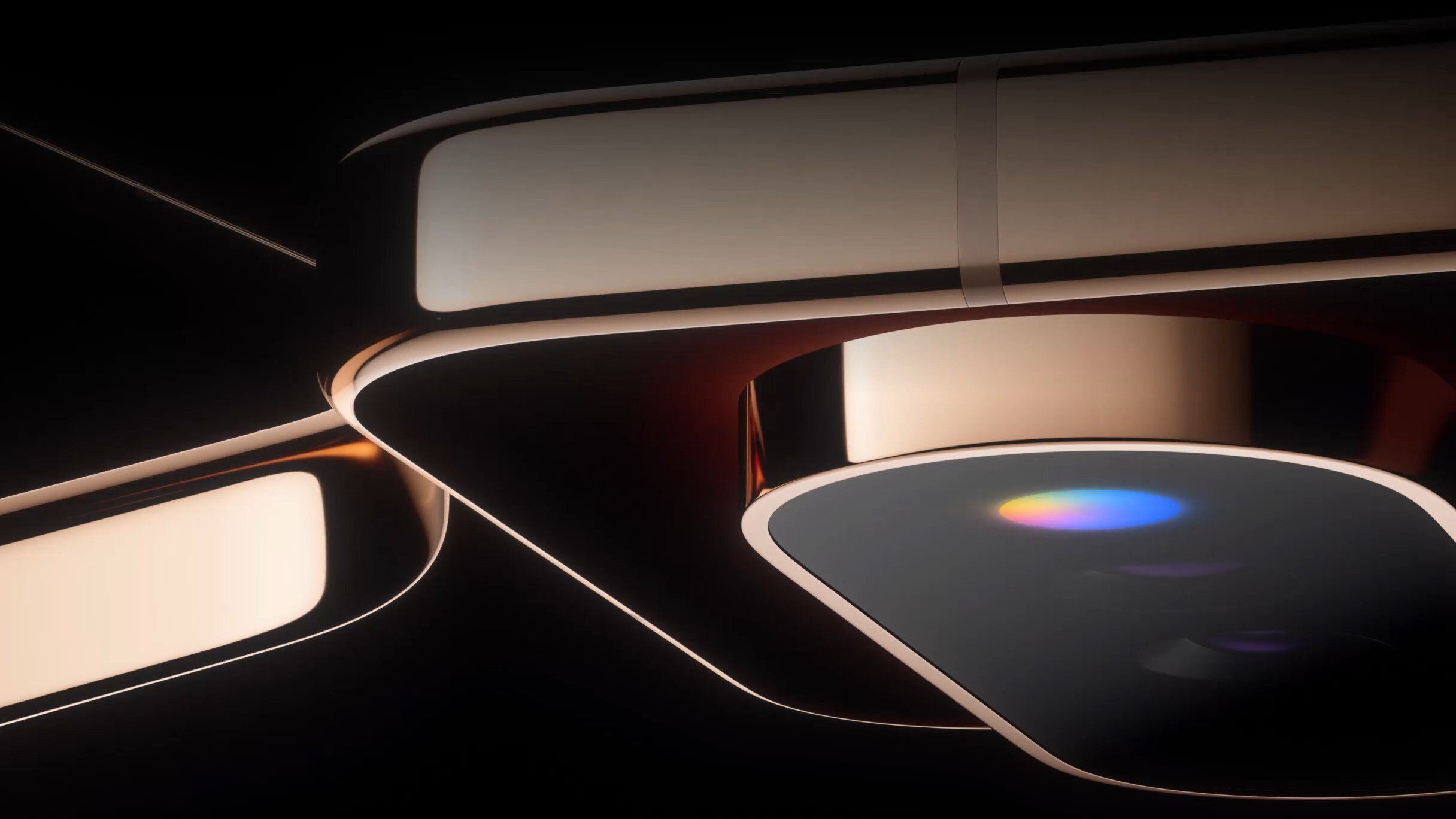
The economic aftermath of a major product launch creates a uniquely favorable environment for budget-conscious consumers. Once a successor is formally announced, official retail channels and third-party vendors invariably initiate aggressive inventory-clearing markdowns. Waiting until the launch event takes place does not merely protect buyers from premature obsolescence; it unlocks access to steep, unprecedented price cuts on current-generation hardware. Consumers who place minimal value on cutting-edge silicon or cosmetic lighting arrays can secure mature, highly reliable technology at a fraction of its original launch cost, simply by exercising temporary discipline.
Ultimately, navigating the modern smartphone market requires treating timing as a critical variable in consumer purchasing decisions. Committing to a Google Pixel device right now runs counter to basic economic logic and product lifecycle awareness. By exercising patience for just a few short weeks, buyers position themselves to reap the dual benefits of accessing revolutionary next-generation features or acquiring proven flagship hardware at heavily discounted clearance rates. In the fast-paced landscape of mobile technology, patience is not merely a virtue—it is the ultimate financial strategy.
