


The evolving landscape of corporate cybersecurity has encountered a formidable escalation in social engineering tactics, as prominent digital extortion networks pivot toward cutting-edge authentication terminology to compromise corporate environments. Security researchers and telemetry analysts have documented a sprawling campaign wherein threat actors leverage passkeys, multi-factor authentication, and single sign-on frameworks as psychological hooks to breach enterprise Microsoft 365 tenants. This coordinated offensive highlights the aggressive adaptability of cybercriminal organizations, which increasingly exploit modern security modernization efforts to deceive corporate personnel and siphon valuable intellectual property.
The mechanics of these intrusions reflect a high degree of operational maturity. Rather than relying on generic phishing templates or automated credential-stuffing sweeps, the threat groups execute meticulous reconnaissance campaigns. By scouring professional networking platforms, corporate websites, and public databases, these adversaries map out internal organizational structures, identify key personnel, and construct tailored pre-attack intelligence. Once targets are selected, the campaign typically initiates with voice calls or direct text messaging campaigns where the attackers convincingly impersonate internal information technology help desks or enterprise security administrators.
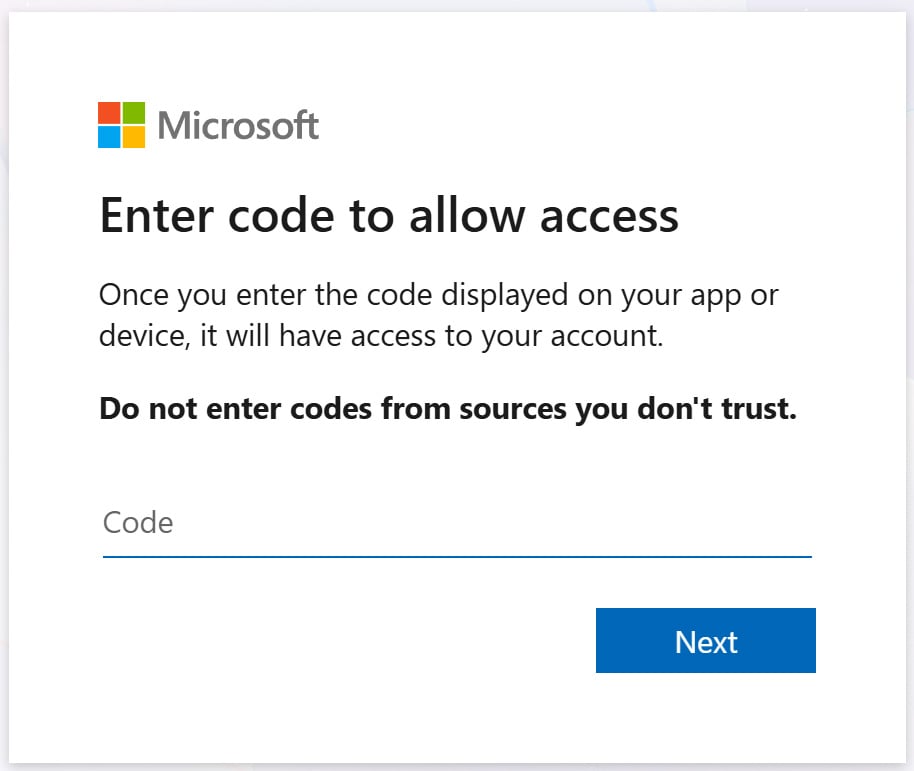
During these interactions, targeted employees are subjected to intense psychological pressure. The perpetrators manufacture false emergencies, claiming that immediate modifications to passkeys, authentication settings, or single sign-on configurations are mandatory to prevent catastrophic lockouts from essential workplace tools. Victims are subsequently driven toward carefully crafted adversary-in-the-middle infrastructure or manipulated into executing device-code authentication sequences. These rogue portals mirror legitimate corporate entry points with alarming accuracy, utilizing sophisticated domain names that incorporate target company names alongside technical jargon such as key synchronization, account setup, and identity verification.

Industry attribution traces this malicious activity to multiple specialized factions operating within a unified digital extortion ecosystem. Notable clusters identified in telemetry include groups tracked as Storm-3121 and Storm-3032, alongside overlapping threat intelligence clusters recognized in the broader security community under designations like UNC6671. These entities maintain historical ties to notorious extortion and data-theft collectives, including those previously operating under names such as ShinyHunters, BlackFile, Falcon, Pink, and Redact. Their ultimate objective extends beyond simple credential harvesting; they seek deep, persistent access to enterprise cloud repositories for large-scale extortion operations.
Once initial access is established within a corporate cloud environment, the trajectory of the compromise shifts toward methodical internal reconnaissance and data harvesting. Telemetry logs analyzed across multiple enterprise incidents reveal distinct operational phases following a successful breach. Attackers frequently initiate sessions from unmanaged devices, navigating immediately to shared infrastructure endpoints such as the Office 365 portal’s web applications. After satisfying authentication checkpoints, the threat actors systematically probe the boundaries of the compromised identity’s permissions. Within minutes, automated scripts and manual queries explore user profiles, assigned software applications, approval management interfaces, and personal sign-in activity logs.
A favored technique observed in these incursions involves device-code phishing maneuvers, which trick unsuspecting users into entering provided codes into legitimate authentication prompts. This trickery issues an authorization token directly to an attacker-controlled OAuth application, granting the adversary persistent access across connected enterprise services. Consequently, a single compromised identity can unlock pathways into a vast array of interconnected Software-as-a-Service platforms, ranging from dedicated cloud productivity suites and customer relationship management tools to cloud storage repositories and enterprise collaboration environments.
To secure their foothold, the threat actors rapidly establish operational persistence. They frequently register alternative multi-factor authentication methods under their direct control, including foreign phone numbers, rogue authenticator applications, and software-based one-time password tokens. This step insulates the unauthorized session from standard security checks and allows the intruders to bypass subsequent verification challenges. Following this stabilization phase, the threat actors deploy automated systems—frequently utilizing tools like Microsoft Graph and customized Node.js scripts—to comprehensively map out the enterprise cloud architecture.
Although administrative queries targeting user directories, group lists, and site collections are routine in daily corporate operations, the telemetry associated with these intrusions displays distinct behavioral anomalies. Threat actors systematically navigate across disparate resources, rapidly reviewing privilege structures and security configurations before pivoting directly toward sensitive data repositories. High-volume extraction operations typically target SharePoint Online and OneDrive for Business, with intrusions extending deep into Exchange Online via REST API connections to capture private email threads, internal correspondence, and confidential attachments.
Significantly, the exfiltration methodology is meticulously calibrated to evade conventional detection mechanisms. Rather than executing rapid, high-volume data grabs that immediately trigger security alerts, the attackers adopt a patient posture. Data theft operations are frequently drawn out over several days, maintaining modest access velocities—often retrieving fewer than one thousand files or emails within any given hour—to blend seamlessly with normal business traffic and legitimate user behaviors.
Defending against this sophisticated threat vector requires a fundamental realignment of corporate security strategies. Security operations teams are advised to monitor closely for anomalous sign-in behaviors immediately preceding unauthorized multi-factor authentication registrations, abnormal Microsoft Graph enumeration queries, and irregular access patterns targeting cloud storage platforms. Incident response protocols for suspected compromises must be swift and comprehensive, necessitating the immediate revocation of active sessions and tokens, credential resets, the removal of unauthorized mailbox forwarding rules, and the mandatory re-registration of verified authentication methods for affected accounts.
Ultimately, enterprise resilience against passkey-themed social engineering relies on proactive architectural hardening. Organizations must accelerate the deployment of genuinely phishing-resistant multi-factor authentication standards, strictly restrict access to sensitive cloud assets to managed and compliant endpoints, and disable device-code authentication protocols wherever business operations do not explicitly require them. As extortion syndicates continue to weaponize modern authentication concepts against human vulnerabilities, enterprise defense must evolve beyond simple perimeter protection into continuous behavioral visibility and zero-trust verification across every layer of the cloud ecosystem.
