

The escalating frequency of software supply chain compromises has taken a troubling new turn, highlighting the persistent vulnerabilities lurking within administrative utility ecosystems. Security researchers have uncovered a sophisticated cyberattack involving the legitimate distribution networks of two popular Windows utility programs: Q-Dir, a multi-pane alternative to the traditional File Explorer, and DesktopOK, a utility engineered to preserve desktop icon layouts across fluctuating display resolutions and monitor configurations. Both applications, developed by independent software engineer Nenad Hrg and distributed via the official SoftwareOK platform, were secretly modified to disseminate a potent, Python-based remote access Trojan (RAT). This security breach underscores a sobering reality in modern enterprise and consumer computing: even highly trusted, niche software utilities frequently deployed by systems administrators and power users can be weaponized against their user bases without immediate detection.
The incident first came to light following a series of user complaints and community inquiries across various technical forums over a two-week period. These murmurs prompted an in-depth investigation by threat intelligence specialists at the AhnLab Security Intelligence Center (ASEC). Analysts confirmed that the installers hosted on the official platform had been quietly substituted with malicious variants. This compromise did not merely affect fresh downloads executed by new users; it also insidiously impacted the integrated update mechanisms of previously clean, long-standing installations. Consequently, systems that had maintained trusted utilities for years were suddenly exposed to malicious payloads simply by permitting routine software updates. The realization that automated software update channels can be silently subverted represents a severe fracture in the trust model governing third-party utility maintenance.
What makes this particular supply chain intrusion exceptionally dangerous is the provenance of the digital certificates attached to the compromised executables. According to telemetry and forensic analysis provided by ASEC, the trojanized binaries were cryptographically signed using valid digital certificates issued directly to the legitimate developer, Nenad Hrg. Software signing certificates are designed to establish trust, assuring operating systems and endpoint security solutions that a binary originates from a verified source and has not been altered since compilation. When malicious actors manage to leverage compromised or stolen developer certificates, they effectively blind standard defensive verification heuristics. Operating systems like Microsoft Windows readily execute signed binaries, and many automated security controls lower their guard when encountering valid signatures from recognized independent developers, allowing the underlying threat to execute its initial stages unimpeded.
Delving into the technical mechanics of the attack reveals a meticulously orchestrated multi-stage execution chain. Once a user executes the compromised installer or triggers an in-app update for Q-Dir or DesktopOK, the software deploys its concealed payload alongside its standard operations, minimizing immediate behavioral suspicion. The primary payload fetched and installed by these malicious wrappers is a sophisticated Python-based RAT designed to establish long-term persistence and broad reconnaissance capabilities within the targeted network environment. To ensure survival across system reboots and user sessions, the malware automatically registers a recurring scheduled task within the Windows Task Scheduler. This persistence mechanism guarantees that the surveillance apparatus remains operational even if the initial application is closed or uninstalled by an unwary user.
Functionally, the embedded Python RAT is heavily equipped for comprehensive espionage and remote manipulation. The malware grants its operators full interactive capabilities, supporting direct shell command execution, on-the-fly Python script execution, file transfers, and high-resolution screen capturing. Beyond active surveillance, the Trojan acts as an aggressive internal scout, conducting exhaustive environment discovery. It systematically inventories local system configurations, user privileges, network parameters, and, most critically, the operational status of installed security software. By profiling the host machine’s defense posture, the malware ensures that its handlers understand precisely what defensive barriers stand in their way before attempting subsequent, potentially noisy post-exploitation activities.

A particularly revealing aspect of the ASEC analysis is the inclusion of an expansive blacklist hardcoded into the malware’s configuration. The RAT checks the host environment against an exhaustive inventory of 1,206 distinct process names corresponding to major endpoint detection and response (EDR) platforms, traditional antivirus engines, and specialized security monitoring agents. This comprehensive blacklist encompasses a broad spectrum of global and regional cybersecurity solutions, including AhnLab V3, CrowdStrike Falcon, SentinelOne, Trend Micro, Avast, McAfee, ESET, Symantec, Kaspersky, Bitdefender, Sophos, Fortinet, Elastic Security, Malwarebytes, and FireEye. By cross-referencing active processes against this extensive directory, the malware can dynamically adapt its behavior, throttling its communications, pausing specific functions, or relaying precise defensive intelligence back to its command and control (C2) infrastructure to help malicious operators strategize evasion techniques.
Despite comprehensive forensic evaluations, security investigators have yet to definitively determine the precise vector utilized by the threat actors to breach the SoftwareOK distribution infrastructure or modify the installer binaries. Whether the compromise stemmed from an initial phishing campaign targeting the developer, an unauthorized access vector into the build pipeline, or a broader server-side intrusion remains an open question. Furthermore, establishing a precise timeframe for the distribution window has proven exceptionally challenging. ASEC has emphasized that while specific version numbers have been flagged, the sheer unpredictability of software distribution mirrors broader supply chain trends where attackers selectively inject malicious files into rotation to evade synchronized detection by automated web crawlers and threat intelligence feeds.
The implications of this supply chain compromise extend far beyond individual consumer annoyance, posing acute risks to corporate networks and managed service providers. Systems administrators and IT professionals are precisely the demographic that relies on niche, high-efficiency tools like Q-Dir and DesktopOK to manage dense server racks, multi-monitor workstations, and complex file directory structures. Because these users frequently possess elevated privileges and administrative credentials within enterprise environments, compromising their workstations offers threat actors an invaluable stepping stone toward lateral movement, domain dominance, and high-impact corporate espionage or ransomware deployment. The targeting of administrative toolsets represents a deliberate tactical pivot by advanced adversaries, capitalizing on the high-trust, high-privilege profile of system administrators to maximize the return on investment for supply chain attacks.
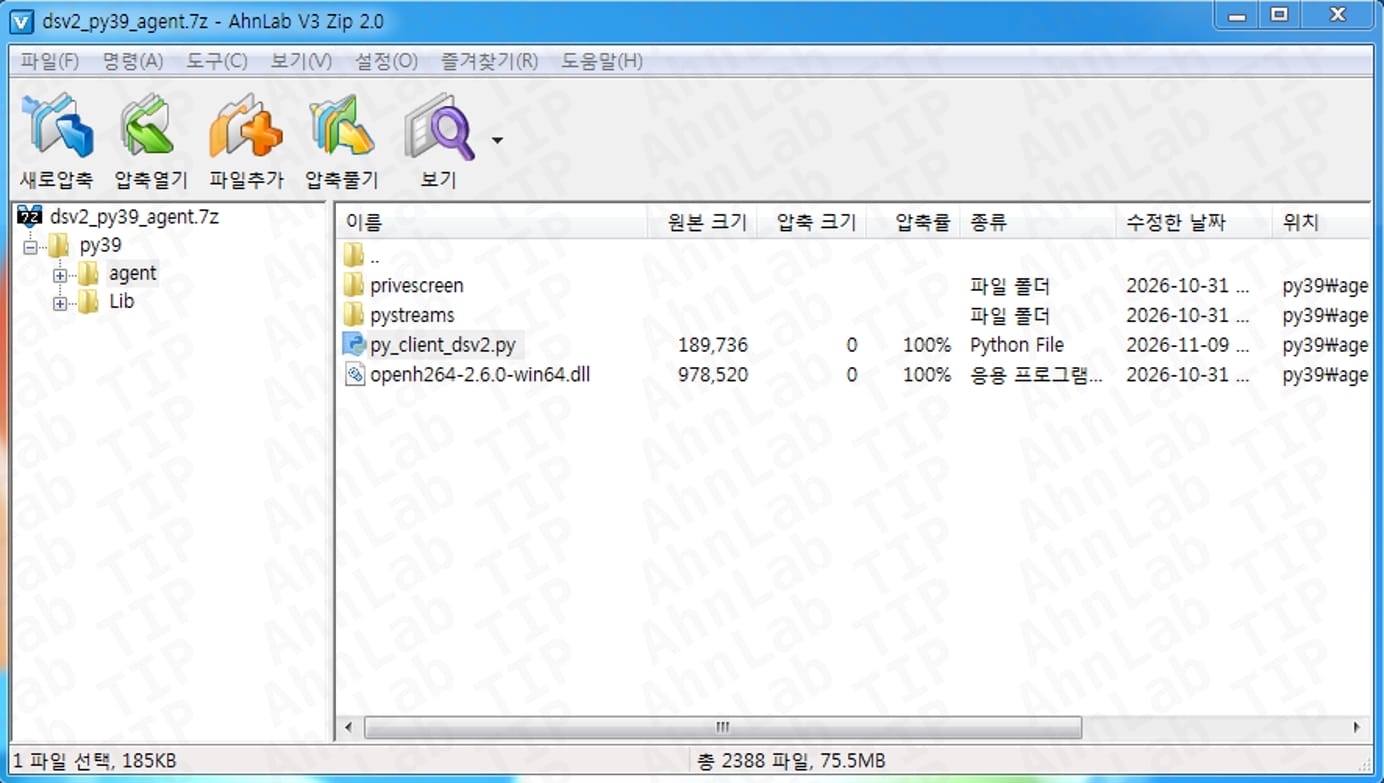
Mitigating the fallout from this incident requires rigorous, multi-layered remediation strategies. Cybersecurity analysts stress that simply uninstalling the compromised versions of Q-Dir or DesktopOK is entirely insufficient to neutralize the threat. Because the Python RAT establishes independent persistence mechanisms, victims must conduct holistic forensic audits of their systems. This includes inspecting the Windows Task Scheduler for anomalous or unrecognized background tasks, examining local file systems for unauthorized Python execution environments or residual script libraries, and analyzing outbound network traffic for suspicious connections routed to unknown external command and control servers. Organizations and individual users are strongly advised to cross-reference any recently downloaded or updated installers against the official SHA-256 cryptographic hashes provided in security advisories.
The Q-Dir and DesktopOK incident serves as a stark reminder of the fragile underpinnings of the modern software supply chain. As open-source components, interpreted languages like Python, and third-party utility modules become deeply embedded in software development and administrative workflows, attackers increasingly view distribution pipelines as high-yield attack surfaces. Software developers, particularly independent creators operating without the vast security resources of multinational tech conglomerates, face mounting pressure to fortify their build environments, implement rigorous cryptographic verification, and adopt secure continuous integration and continuous deployment (CI/CD) pipelines. Until the broader software ecosystem addresses these systemic distribution vulnerabilities, utility applications will remain prime targets for malicious actors seeking stealthy, high-privilege access to the world’s most sensitive computing environments.
