


The modern financial sector relies on an intricate, highly interconnected web of third-party vendors, shared digital ecosystems, and legacy systems bridged with modern application programming interfaces. While this architecture fosters unprecedented speed and convenience for global commerce, it concurrently introduces a vast surface area for calculated exploitation. This reality was underscored recently when French cooperative banking giant Crédit Mutuel Arkéa fell victim to an advanced, multi-stage cyberattack. The security breach enabled unauthorized actors to initiate fraudulent transactions scaling up to $133 million (€118 million), laying bare the systemic risks associated with third-party software and vendor access models.
Crédit Mutuel Arkéa, a monumental force within the French financial landscape serving more than 5.8 million members and managing upwards of €211.5 billion in assets, was forced to execute emergency protocols. These protective measures included the deliberate suspension of targeted internal systems to isolate the threat vector and prevent lateral movement across its corporate network. Despite the staggering valuation of the illicit transfers, the institution maintained throughout its public disclosures that retail and commercial client assets remained entirely insulated from the breach. The malicious operation leveraged the bank’s own institutional liquidity accounts rather than individual user deposits, highlighting a calculated shift in adversary tactics away from consumer-facing targets toward institutional clearing accounts.

The anatomy of the attack points heavily toward an exploited entry point within a trusted third-party service provider. According to official technical disclosures released by Crédit Mutuel Arkéa via a dedicated stakeholder FAQ, the external threat actor bypassed perimeter defenses by breaching the network of an affiliated vendor. By infiltrating this adjacent environment, the perpetrators secured an authenticated foothold that permitted direct interaction with institutional banking infrastructure. Crucially, the bank explicitly exonerated Fortuneo, its prominent digital banking subsidiary, while emphasizing that internal administrative or operational human error played no role in facilitating the breach. Instead, cybersecurity analysts observing the incident have categorized the intrusion as an exceptionally sophisticated, targeted strike executed by actors possessing deep familiarity with banking orchestration frameworks.
Public awareness of the security lapse materialized not through immediate corporate transparency, but via the watchful eye of the decentralized blockchain intelligence community. On November 2, prominent on-chain investigator ZachXBT published urgent alerts warning of anomalous, large-scale liquidity movements originating from centralized exchange accounts. According to the blockchain telemetry compiled during the investigation, the attackers rapidly converted the extracted capital into stablecoins—specifically USDC and USDT—to obfuscate the trail and accelerate cross-border liquidation.
This on-chain pivot toward decentralized stablecoins illustrates a burgeoning trend in cybercriminal methodology. Traditional fiat laundering pathways subjected to stringent International Banking Account Number (IBAN) freezes and centralized reporting mechanisms often trap stolen capital. By contrast, immediately converting misappropriated institutional funds into cryptographic assets allows threat actors to leverage automated market makers and decentralized exchanges to fracture the transaction trail. ZachXBT publicly criticized the initial lag in corporate disclosure, noting that the window of silence granted the perpetrators sufficient time to launder approximately $30 million before European Union law enforcement agencies could coordinate asset freezes.

By November 4, Crédit Mutuel Arkéa formally addressed the unfolding crisis, releasing a communique assuring clients that the situation had been brought under control and operational normalization was underway. The institution reiterated that while the breach resulted in temporary delays for specific transaction executions, the core integrity of customer holdings stayed intact. Nevertheless, the organization’s crisis management team concurrently issued heightened warnings concerning secondary threat vectors. Security leaders recognized that high-profile financial incidents frequently trigger opportunistic phishing campaigns. Consequently, the bank urged all account holders to exercise extreme caution regarding unsolicited communications, reinforcing the protocol of independently verifying any suspicious directives through direct communication with designated advisors.
While Crédit Mutuel Arkéa declined to formally endorse the specific €118 million valuation popularized by blockchain sleuths, it acknowledged that the figures cited represented the correct general order of magnitude. The financial institution confirmed that a significant sum had indeed been shifted, though proactive intervention by banking partners and law enforcement successfully intercepted and blocked a portion of the illicitly transferred capital. In the wake of the incident, collaborative investigations involving specialized judicial authorities, national police units, and private digital forensics experts have been mobilized to map out the exact modus operandi and trace the ultimate geographical destination of the laundered funds.
This high-stakes financial intrusion serves as a stark wake-up call for the broader European banking sector, illuminating the persistent fragility of supply-chain cybersecurity. As financial institutions increasingly outsource ancillary services—ranging from customer relationship management software to cloud infrastructure and payment processing gateways—they inherently inherit the security hygiene of every connected vendor. A single compromised credential or unpatched vulnerability within a minor third-party partner can serve as a master key for hostile actors seeking entry into Tier-1 financial institutions.
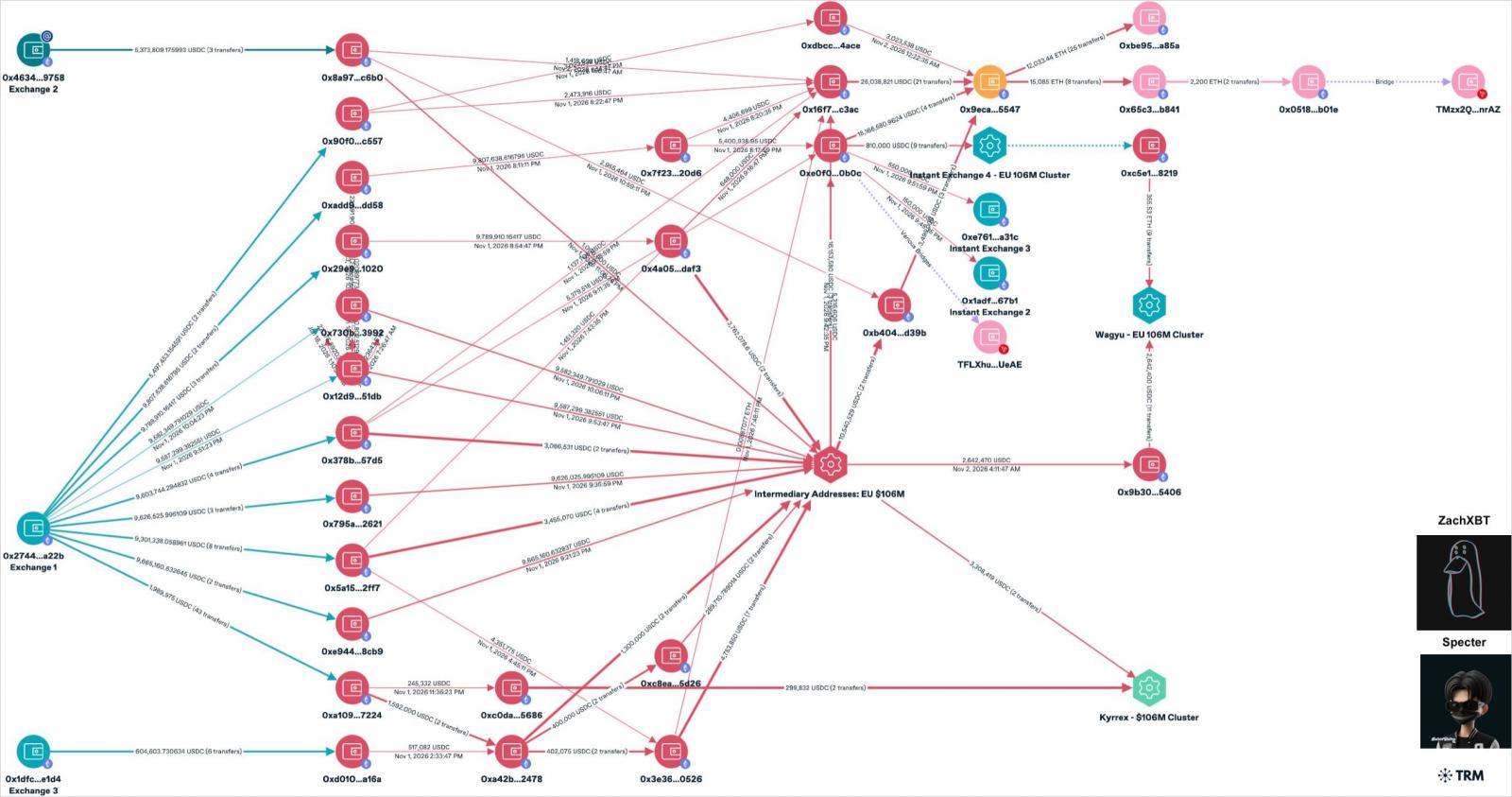
Furthermore, the incident underscores the growing convergence between traditional banking infrastructure and decentralized finance (DeFi) liquidity rails. Cybercriminals no longer need to physically vault doors or rely exclusively on localized mule networks to monetize major heists. Instead, they can weaponize high-speed, programmatic wire transfer systems to push funds across institutional ledgers, immediately routing the capital into permissionless cryptographic networks where traditional freezing orders lose efficacy. This cross-jurisdictional fluidity creates severe friction for law enforcement agencies attempting to recover stolen assets in real time.
In response to these evolving threats, financial regulators across the European Union are expected to accelerate the enforcement of stringent operational resilience frameworks, such as the Digital Operational Resilience Act (DORA). These regulatory mandates place an affirmative legal duty on financial entities to continuously audit, monitor, and test the digital security postures of their entire third-party supplier ecosystems. Moving forward, institutional risk management will likely shift from perimeter defense to zero-trust architectures, where even trusted service providers face continuous behavioral analysis, strict network segmentation, and real-time anomaly detection to prevent malicious actors from weaponizing internal clearing accounts.
