

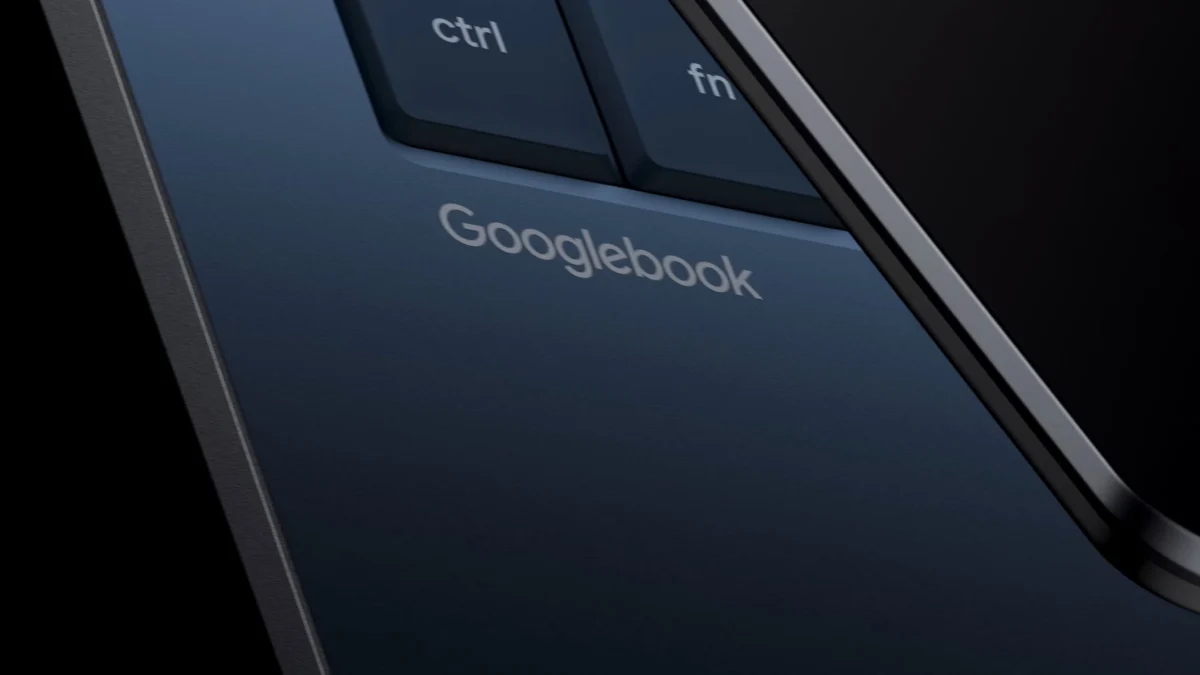
The modern personal computing landscape is defined by an invisible, relentless struggle: the battle against digital clutter. Whether downloading research papers, saving high-resolution images, or capturing quick screenshots, users continuously scatter disparate files across their desktop interfaces. Over time, this default behavior transforms clean digital workspaces into chaotic dumping grounds. Recognizing this universal pain point, software engineers and hardware architects have continually sought smarter operating system paradigms. Now, as anticipation builds for the impending commercial release of Google’s upcoming Android-powered laptop ecosystem—widely tracked under the moniker "Googlebooks"—recent deep-dive inspections of pre-release software packages suggest a transformative shift in how desktop environments manage file curation, automation, and contextual organization.
Under the hood of early pre-release builds intended for these forthcoming Android laptops, software analysts have uncovered an innovative software framework provisionally titled "Device Intelligence." This specialized suite of utilities is designed to leverage on-device machine learning algorithms to fundamentally streamline the desktop experience. Rather than relying on traditional, rigid hierarchical directory structures or manual user intervention, Device Intelligence seeks to introduce proactive file management. By interpreting user intent and contextual relevance, the platform promises to automatically classify documents, media, and downloads into cohesive, functional collections, all while preserving strict privacy standards through localized processing architectures.
To fully understand the gravity of these emerging software capabilities, it is essential to examine the broader historical trajectory of desktop file management systems. Since the inception of graphical user interfaces in the late twentieth century, the desktop metaphor has remained remarkably consistent. Users are presented with a visual workspace that mirrors a physical desk, where files can be placed, stacked, or filed away into hierarchical folders. While this metaphor proved revolutionary for early personal computing, it has struggled to scale with the exponential growth of modern data consumption. Today’s users generate and ingest data at unprecedented volumes, pulling assets from cloud storage platforms, messaging applications, web browsers, and media capture devices simultaneously.
The resulting friction is palpable. Traditional operating systems place the entire administrative burden squarely on the shoulders of the user. Organizing files requires deliberate cognitive effort: opening directory trees, creating new folders, renaming documents, and manually relocating assets. When users are rushed or handling high-velocity workflows, organization frequently falls by the wayside, leading to the ubiquitous phenomenon of the cluttered desktop. While operating system developers have introduced incremental solutions—such as automated sorting views, smart folders, and search indexing—these tools often feel reactive rather than proactive. They index what is already there rather than actively anticipating organizational needs before a mess accumulates.
Enter the paradigm of on-device AI integration. By embedding lightweight, highly efficient machine learning models directly into the operating system fabric, modern hardware platforms can analyze metadata, contextual cues, and semantic relationships without requiring constant round-trips to remote cloud infrastructure. Within the newly discovered Device Intelligence framework for Googlebooks, this manifests as an advanced, opt-in file curation engine. When activated by the user, the utility continuously evaluates incoming files against ongoing projects, themes, or temporal activities.
For instance, consider a user planning an upcoming international voyage. Over several days, they might download PDF itineraries, save hotel confirmation screenshots, capture photographs of prospective tourist destinations, and download travel advisories from various web portals. In a legacy desktop environment, these files would naturally scatter across the primary desktop screen or default download directory. However, the Device Intelligence suite identifies the underlying thematic thread connecting these disparate assets. Automatically, the system aggregates them into a unified, accessible collection tailored to the trip, rendering manual sorting entirely obsolete.
Crucially, privacy advocates and security-conscious consumers will note the foundational design choice governing this functionality: processing occurs strictly on the local machine. The early builds inspected by industry analysts confirm that the intelligence layer operates locally within the Googlebook hardware architecture. Files utilized by the system do not leave the physical device, nor are they repurposed to train broader cloud-based artificial intelligence models. This local-first approach addresses mounting consumer anxieties regarding data sovereignty and surveillance capitalism, ensuring that personal workflows remain strictly confidential.
Complementing this automated classification capability is a thoughtfully engineered desktop widget ecosystem. Recognizing that even the smartest background sorting is ineffective if accessing collections requires cumbersome navigation through traditional file explorer utilities, the interface incorporates dynamic home-screen and desktop widgets. These interactive elements allow users to instantly summon specific file collections with a single click or tap, bridging the gap between automated organization and rapid executive access. The workflow is designed to reduce friction, allowing creators, professionals, and students to focus on their primary tasks rather than file management housekeeping.
Beyond local file curation, the Device Intelligence ecosystem extends its utility through deep integrations with advanced knowledge management platforms, specifically Gemini Notebook—formerly recognized across the industry as NotebookLM. This integration represents a significant convergence between file systems and generative knowledge synthesis. In modern professional and academic environments, gathering files is merely the first step; the subsequent challenge involves synthesizing that information, extracting key insights, and generating structured outputs.
By establishing a native pipeline between the operating system’s core file layers and Gemini Notebook, Googlebooks enables a frictionless workflow for information aggregation. Users can seamlessly ingest local documents, images, and research assets directly into existing notebooks or initialize new ones on the fly. This functionality mirrors traditional file uploading paradigms seen on desktop and mobile architectures, but elevates the experience through deep operating system integration.
Within the standard system-wide share sheet, Gemini Notebook appears as a first-class destination. Whether a user is browsing high-resolution imagery in Google Photos, reviewing technical documentation in a PDF viewer, or compiling notes from a web browser, sharing assets directly into a structured research environment requires minimal interaction. The user simply selects the share target, chooses the desired notebook destination, and allows the platform to ingest the material. The only notable operational constraint identified in current software iterations is a file size threshold capped at 200MB per transfer, a limitation designed to balance memory allocation and processing speed on portable computing hardware.
This deep coupling of file systems and knowledge-management AI highlights a broader evolution in operating system design. For decades, applications have operated in relative isolation, requiring users to act as manual couriers moving data between file explorers, editors, and productivity suites. Next-generation platforms are increasingly breaking down these silos. By treating AI not as a standalone chatbot or a peripheral web service, but as an integral tissue connecting the file system, local storage, and productivity apps, operating systems are transitioning from passive digital containers into active cognitive assistants.
As the official commercial introduction of Googlebooks approaches later this September, industry analysts and technology enthusiasts are closely monitoring how these software features will mature. Software development is a fluid discipline; features discovered in early engineering builds, APK teardowns, and experimental branches are subject to refinement, relocation, or even exclusion before reaching public distribution channels. Nevertheless, the presence of Device Intelligence in pre-release code offers a clear window into the strategic trajectory of Android-powered laptop development.
The implications for the broader laptop and tablet market are profound. For years, Google’s desktop ecosystem has carved out a distinct niche defined by speed, security, and web-centric efficiency. However, as consumers demand more robust local computing capabilities, complex file handling, and seamless multi-app workflows to rival traditional legacy operating systems like Windows and macOS, hardware and software architectures must evolve. Introducing intelligent, privacy-respecting automation to fundamental tasks like desktop organization and research synthesis represents a compelling value proposition.
Ultimately, the success of these innovations will hinge on user execution and trust. If the AI sorting mechanisms prove accurate, unobtrusive, and completely reliable, they could permanently eliminate the cultural acceptance of the cluttered desktop. Users will no longer view digital workspaces as chaotic environments that require periodic, agonizing clean-up sessions. Instead, the desktop will function as a dynamic, self-organizing interface that adapts fluidly to human intent. As the technology community awaits the official hardware unveiling in the coming weeks, the underlying software architecture suggests that the future of personal computing is not just about storing more data, but about eliminating the cognitive friction of managing it entirely.
