

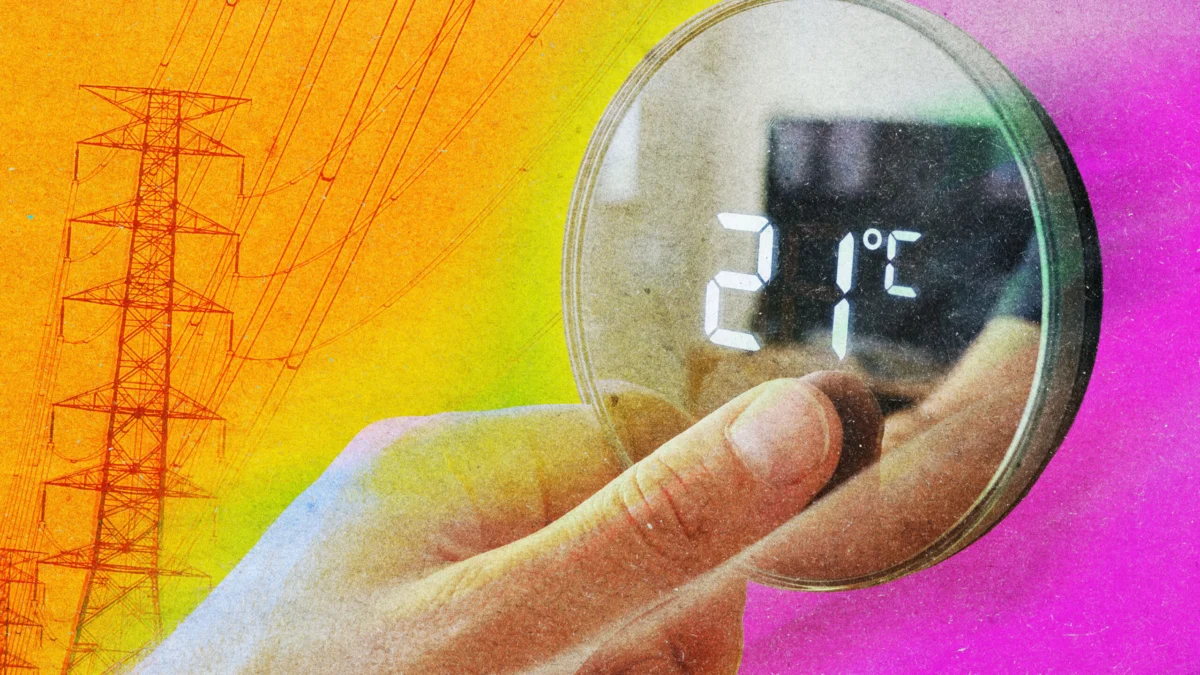
The modern electrical grid is undergoing its most profound structural transformation since the era of Thomas Edison. As clean energy targets accelerate, severe climate events stress legacy infrastructure, and energy-hungry data centers—fueled by the expansion of artificial intelligence—drive unprecedented electricity demand, grid operators face a critical capacity crunch. Rather than relying solely on the slow and capital-intensive construction of centralized natural gas peaker plants or multi-gigawatt transmission corridors, utilities are increasingly turning to an agile, software-defined alternative: the virtual power plant (VPP).
At its core, a virtual power plant is an aggregation of decentralized, internet-connected energy assets installed at residential, commercial, or industrial properties. These distributed energy resources (DERs)—which include smart thermostats, residential solar-plus-storage systems, bidirectional electric vehicle (EV) supply equipment, connected water heaters, and smart heat pumps—are orchestrated via cloud platforms to modulate energy consumption or inject stored power back into the grid during periods of peak stress. Instead of firing up a polluting, fossil-fueled generator when air conditioning loads surge on a sweltering summer afternoon, a utility can dispatch digital commands across hundreds of thousands of participating households, instantly shaving megawatts off system-wide demand.
For residential consumers, this technological shift unlocks an unprecedented opportunity: transforming from passive ratepayers into compensated market participants. However, the decision to link personal home infrastructure to utility software involves balancing financial incentives against lifestyle convenience, equipment control, and data privacy.
The Mechanics of Aggregation and Grid Economics
Historically, utilities managed fluctuations in electrical demand through supply-side elasticity. When millions of households turned on appliances simultaneously, grid operators dialed up production at standby power stations. Virtual power plants invert this dynamic through dynamic demand flexibility and distributed generation.
When an extreme weather event or regional supply shortfall threatens grid stability, an automated VPP aggregation platform issues localized commands to participating assets. A smart thermostat might automatically pre-cool a residence an hour before an anticipated peak event and subsequently drift upward by two degrees during the critical window. Simultaneously, smart EV chargers can throttle down or pause their power draw, while residential batteries discharge stored solar energy into the household or the surrounding distribution feeder.
Individually, shifting a single thermostat by a few degrees or pausing a 7.2-kilowatt EV charger yields a negligible impact on a utility scale. Yet, when orchestrated across an expansive regional footprint, the collective capacity becomes formidable. Industry data indicates that aggregating hundreds of thousands of connected devices can yield hundreds of megawatts of flexible capacity within seconds—matching the output of a conventional thermal power station without the associated carbon footprint, fuel costs, or permitting delays.
The macroeconomic implications are substantial. Research from the Rocky Mountain Institute and the U.S. Department of Energy suggests that nationwide deployment of VPPs could save billions of dollars in avoided generation and transmission upgrade costs over the coming decades, lowering aggregate system expenditures and reducing the likelihood of rolling blackouts.
Financial Models: What Participants Can Expect to Earn
Utility compensation structures for VPP participants vary significantly based on geography, regulatory environments, and the specific capabilities of the enrolled hardware. Generally, programs operate on a tiered financial model governed by the degree of dispatchable capacity each asset offers.
-
Smart Thermostat Programs: Smart thermostats represent the most accessible point of entry. Because they only manage space heating and cooling loads, financial returns are relatively modest. Typical programs offer an upfront enrollment credit—often ranging from $50 to $150—frequently delivered as a direct bill credit, digital gift card, or instant rebate on the hardware itself. Ongoing participation typically yields an additional $25 to $50 annually for permitting the utility to adjust setpoints during a predetermined number of "demand response" events each season.
-
Managed EV Charging: Electric vehicles represent sizable battery assets on wheels. Unmanaged, EV charging can strain local distribution transformers; managed, it provides exceptional grid flexibility. Programs focused on smart EV charging reward drivers for shifting their charging cycles to off-peak overnight hours or allowing temporary power throttling during grid emergencies. Compensation can take the form of discounted time-of-use (TOU) electricity rates, monthly cash-back incentives, or recurring annual bonuses reaching several hundred dollars.
-
Residential Battery Storage: Stationary home battery systems (such as lithium-iron-phosphate or lithium-ion packs paired with rooftop solar) command the highest compensation tiers. Because these systems can both absorb excess solar generation and discharge energy on demand without impacting the homeowner’s direct comfort, utilities compensate owners aggressively. In high-value markets, annual performance-based payouts and dynamic export credits can reach several hundred to several thousand dollars per year, substantially accelerating the payback period on initial hardware investments.
Regulatory Nuance and Market Challenges
Despite the rapid proliferation of VPPs—with hundreds of active programs and millions of enrolled households across North America—the regulatory and operational framework remains in a phase of active refinement.
Energy economists, including faculty at UC Berkeley’s Energy Institute at Haas, emphasize that program design directly dictates whether a VPP creates authentic economic efficiency. A persistent analytical challenge lies in establishing accurate baseline calculations. If a utility compensates a consumer for curtailing power usage that they had no intention of drawing in the first place—such as paying for an uncharged EV when the owner was away on vacation—the program risks inflating costs for non-participating customers who ultimately subsidize those payouts.
Furthermore, regulatory fragmentation continues to hinder uniform national deployment. While regions like California, Texas, the Northeast, and the mid-Atlantic have developed progressive regulatory mechanisms and established participation under Federal Energy Regulatory Commission (FERC) frameworks, other jurisdictions remain constrained by legacy utility monopolies that lack the statutory incentives to embrace distributed resources over traditional capital expenditure.
Key Factors Homeowners Must Assess Before Enrolling
Determining whether to participate in a virtual power plant requires a thorough assessment of technical prerequisites, lifestyle tolerances, and operational terms.
1. Hardware Compatibility and Program Discovery
VPP participation is not universal; it is highly dependent on specific hardware ecosystems and utility partnerships. A program might support specific brands of Wi-Fi-enabled thermostats or particular EV models while excluding others based on cloud Application Programming Interface (API) limitations.
Prospective participants should review their local utility’s customer portal under terms such as "Demand Response," "ConnectedSolutions," "Managed Charging," or "Bring Your Own Device" (BYOD). Concurrently, device companion applications (from smart thermostat, inverter, or automaker platforms) increasingly surface direct enrollment prompts if the hardware detects an eligible regional utility program.
2. Personal Lifestyle Flexibility and Equity Constraints
The feasibility of automated load control is inherently tied to household demographics and daily routines. For an electric vehicle owner whose vehicle remains parked overnight and requires only a fraction of that time to reach a complete charge, utility-managed scheduling is virtually imperceptible.
Conversely, households with less predictable schedules, individuals managing medical conditions requiring strict temperature regulation, night-shift workers, or families with caregiving responsibilities must carefully evaluate whether automated thermostat drift could disrupt daily living. Energy policy experts underscore that lower-income households, which may already implement aggressive self-rationing of energy to reduce utility bills, often have minimal thermal flexibility to surrender.
3. Override Rights and Opt-Out Protocols
A critical safeguard in any residential VPP agreement is the opt-out mechanism. Reliable programs prioritize customer autonomy, allowing users to override automated adjustments instantly via the device’s physical interface or smartphone application without punitive financial penalties.
Homeowners must verify the fine print: Does opting out of a single heatwave event forfeit the annual performance payment, or does it merely reduce the dynamic payout proportionally? For home battery owners, programs must specify reserve capacity minimums, guaranteeing that the utility cannot drain the battery below a certain threshold (e.g., 20% to 30%) to ensure backup power remains available in the event of an actual blackout.
4. Data Governance and Telemetry Privacy
Integrating consumer devices into utility-grade software platforms necessitates continuous telemetry exchange. Smart thermostats log occupancy trends and environmental metrics, while EV chargers record usage timing, power draw, and duration. Digital rights advocates point out that high-resolution energy data can theoretically be analyzed to infer internal household routines.
While platform operators maintain that data aggregation is anonymized and strictly functional—focusing on broader cohort physics rather than individualized behavioral tracking—consumers should review data-sharing clauses to verify whether their energy metrics are shared exclusively with the operating utility or monetized through third-party data aggregators.
The Evolution Toward Bidirectional Energy Systems
The trajectory of virtual power plants is rapidly pivoting from unidirectional load curtailment (simply turning things down) to sophisticated bidirectional orchestration.
While first-generation residential programs primarily focused on peak shaving via thermostats, the next decade will be defined by the mainstream commercialization of Vehicle-to-Grid (V2G) and Vehicle-to-Home (V2H) technologies. As global automakers integrate bidirectional onboard inverters into next-generation electric vehicles, passenger cars will effectively serve as mobile power plants on wheels. A fully charged EV battery possesses enough energy storage capacity to power an average single-family home for multiple days or discharge substantial current back into the municipal grid during critical supply shortfalls.
As market access rules evolve, residential VPPs will increasingly interact with wholesale capacity and ancillary services markets, granting distributed assets the same market-clearing status historically reserved for multi-million-dollar turbine stations.
Conclusion
Virtual power plants redefine the foundational compact between energy consumers and energy providers. By transforming everyday appliances into decentralized grid assets, VPPs offer a viable, cost-effective pathway toward grid decarbonization, infrastructural resilience, and localized energy generation.
For individual homeowners, participating in a VPP is rarely an all-or-nothing proposition. By conducting due diligence regarding hardware compatibility, evaluating household comfort margins, and verifying opt-out terms, consumers can successfully monetize their smart devices while playing an active, compensated role in fortifying the broader energy ecosystem.
