

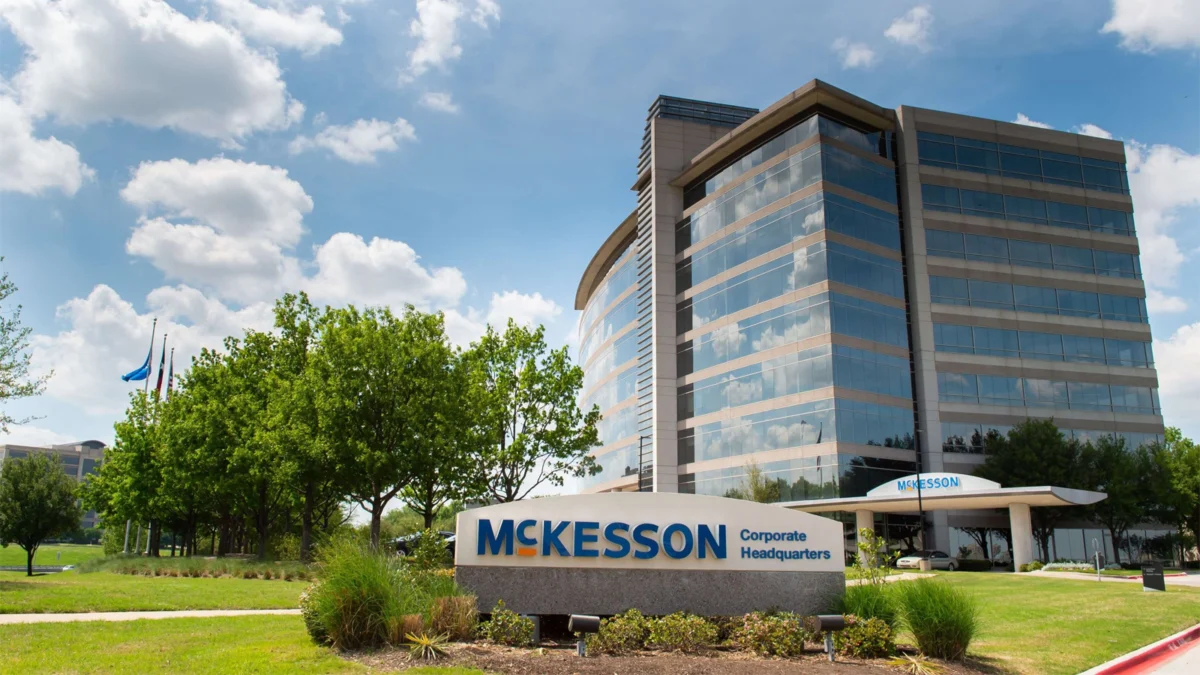
The American healthcare ecosystem is facing an unprecedented reckoning with digital extortion following a major security breach at pharmaceutical and medical supply giant McKesson. The incident, which came to light through regulatory filings and preliminary disclosures, highlights a troubling evolution in how cybercriminal organizations target critical infrastructure. Rather than deploying traditional malware or zero-day exploits, threat actors are increasingly weaponizing human psychology, leveraging sophisticated social engineering to pierce the perimeter of heavily guarded enterprise networks.
Corporate Disclosures and Early Regulatory Filings
McKesson formally addressed the unfolding crisis in a Form 8-K filing submitted to the U.S. Securities and Exchange Commission (SEC), confirming that it had identified a serious cybersecurity incident on August 25, 2026. According to the filing, the discovery prompted an immediate internal mobilization, bringing in specialized incident response teams and leading external digital forensics experts to map out the extent of the unauthorized access.
In its initial communications with stakeholders and regulatory bodies, the corporate distributor emphasized that its forensic evaluation remained in its formative stages. "Information about the incident, including any updates, is available on the company’s website," corporate representatives stated in the regulatory documentation, noting that as of the filing date, executive leadership had not yet categorized the event as financially material to the enterprise’s overarching operations or balance sheet.
Nevertheless, subsequent notices dispatched to corporate customers confirmed that third-party applications had been compromised, resulting in the unauthorized extraction of sensitive data from the enterprise ecosystem. While the organization acknowledged that clients might encounter sporadic service degradation as a precaution, it stressed that proactive, widespread system disconnections had not been initiated across its operational footprint.
The Mechanics of the Breach: Enter ShinyHunters
Responsibility for the breach was quickly claimed by the notorious cybercriminal syndicate known as ShinyHunters. In communications with security researchers, representatives from the extortion collective laid out the blueprint of their infiltration strategy, pointing directly to voice phishing, commonly referred to as vishing, as their primary vector for initial access.
The campaign relied heavily on meticulous impersonation tactics. Threat intelligence investigators monitoring the group noted the widespread registration of deceptive domains—specifically utilizing the .claims top-level domain coupled with targeted corporate identifiers. In the case of McKesson, the attackers utilized the mckesson[.]claims domain to convincingly mimic internal help desk personnel and IT support staff. This technique aligns with broader threat tracking data compiled by security researchers, who have observed the syndicate systematically adopting specialized domain infrastructures to deceive corporate employees into surrendering authentication tokens.
By employing persuasive voice interactions, the threat actors successfully manipulated multiple internal employees into divulging sensitive credentials. This social engineering triumph allowed the group to compromise Okta single sign-on (SSO) accounts belonging to targeted staff members. Armed with valid credentials, the intruders bypassed conventional perimeter defenses, transitioning seamlessly into lateral movement across critical SaaS and cloud environments.
Cloud-Scale Exfiltration and the Record Controversy
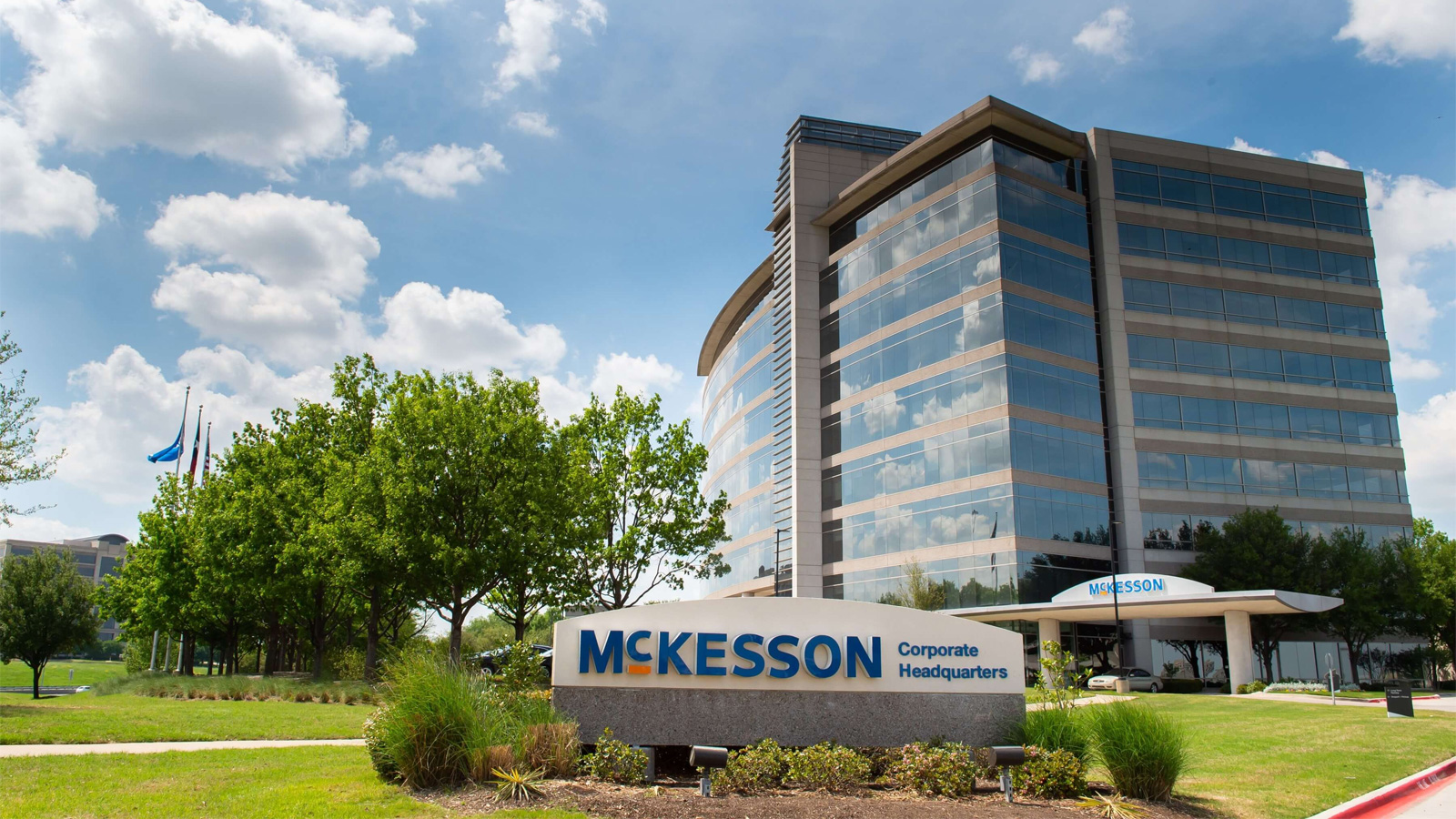
Once inside the corporate network, the cybercriminals targeted key cloud platforms, specifically leveraging compromised administrative privileges to access Salesforce and Snowflake environments. According to the threat group’s accounts, the intrusion spanned four days—from August 21 to August 25—during which approximately one terabyte of corporate and patient-related data was systematically exfiltrated.
The syndicate asserted that the breach yielded a staggering raw count of roughly 284 million data records stored within their targeted Snowflake repository. However, cybersecurity analysts and industry experts have urged caution in interpreting this metric. Clarifications from the threat actors themselves confirmed that the 284 million figure represents a line-by-line tally of raw database records rather than a distinct count of unique, impacted human beings. Because the data has not been fully parsed or deduplicated by the hackers, the exact number of distinct individuals whose privacy has been compromised remains undetermined.
Despite the ambiguity surrounding the individual headcounts, the scope of the exposed data categories remains exceptionally broad and sensitive. The stolen repository reportedly encompasses a comprehensive swath of personal, medical, and administrative information. Included in the alleged haul are full names, residential addresses, dates of birth, Social Security numbers, unique patient identification tokens, direct telephone numbers, electronic mail addresses, Medicaid tracking numbers, specific medical record numbers, detailed medication histories, allergy disclosures, diagnosed illnesses, disabilities, appointment schedules, and treating physician profiles.
Furthermore, the data dump allegedly contains sensitive records pertaining to deceased and terminally ill patients, pharmaceutical shipment manifests, internal invoices, corporate employee details, Salesforce support logs, internal communications, and operational details concerning various healthcare providers and clinics that rely on the distributor’s infrastructure. While McKesson has refrained from publicly verifying the exact contents of the stolen files, the breadth of the allegations underscores the systemic risks inherent in centralized healthcare data depositories.
Escalating Financial Demands and the Extortion Playbook
Following the conclusion of the data exfiltration phase on August 25, the extortion collective initiated direct contact with McKesson’s leadership, issuing a multi-million-dollar ransom demand totaling $55,236,150. The group imposed a stringent 72-hour deadline for compliance and negotiation. According to statements released by the hackers, corporate management elected not to engage or respond to the financial ultimatum, prompting the group to begin preparing the stolen data for public leaks or secondary monetization on illicit underground forums.
This aggressive posture is symptomatic of a broader, highly coordinated campaign orchestrated by ShinyHunters against the healthcare and health technology sectors. Health-ISAC (Health Information Sharing and Analysis Center) recently issued comprehensive threat warnings to organizations across the medical vertical, highlighting a sharp escalation in targeted social engineering attacks designed to subvert corporate identity providers and siphon data from cloud-hosted SaaS platforms.
The McKesson incident is far from an isolated event. Over recent months, the same collective has been linked to a string of high-profile data security breaches impacting major players in the health technology space, including Medtronic, DentaQuest, iRhythm, OneMedical, and AdaptHealth. These coordinated attacks point to a deliberate strategic pivot by extortion groups toward the medical supply chain, where the aggregation of vast patient datasets creates immense leverage for high-stakes digital extortion.
Industry Implications and the Human Element in Security
The unfolding crisis at McKesson serves as a stark reminder of the limitations inherent in modern enterprise cybersecurity postures, particularly regarding credential-based threats. Modern security frameworks routinely invest heavily in automated threat prevention tools, network firewalls, and endpoint detection mechanisms. However, as highlighted by recent industry threat telemetry—such as comprehensive enterprise simulations measuring post-compromise behavior—defensive efficacy plummets drastically once an adversary successfully acquires valid, legitimate user credentials.
When attackers authenticate using authentic Single Sign-On tokens obtained via vishing, security systems often misinterpret malicious activities as routine administrative behavior. This blind spot allows threat actors to blend seamlessly into legitimate cloud traffic, executing rapid data exfiltration before behavioral anomalies trigger formal incident response protocols.
The reliance on cloud-hosted SaaS environments, while essential for modern business agility and distributed healthcare logistics, simultaneously introduces massive single points of failure. When third-party applications or cloud storage buckets are improperly isolated or inadequately monitored for anomalous data-pull volumes, a single social engineering lapse at the help-desk level can cascade into a catastrophic enterprise-wide data breach.
Looking Toward Future Trends in Healthcare Cybersecurity
As the healthcare sector digests the ramifications of the McKesson incident, cybersecurity professionals anticipate a fundamental shift in how organizations approach identity verification, employee training, and third-party risk management. Traditional security awareness training, which often relies on periodic, checkbox-style phishing simulations via email, has proven wholly inadequate against real-time, highly adaptable voice phishing campaigns executed by professional criminal syndicates.
Organizations are increasingly moving away from basic multi-factor authentication (MFA) models—such as SMS-based codes or easily phishable push notifications—and accelerating the adoption of hardware-bound, phishing-resistant credentials conforming to FIDO2 and WebAuthn standards. These cryptographic protocols make it mathematically impossible for an employee to surrender their credentials over a fraudulent phone call or a spoofed landing page, effectively neutralizing the vishing vector.
Furthermore, healthcare enterprises are expected to implement much stricter continuous monitoring and behavioral analytics across cloud repositories like Snowflake and Salesforce. Establishing rigid guardrails on data export velocities, enforcing strict data loss prevention (DLP) policies, and curtailing over-privileged service accounts will be paramount in halting attackers during the critical window between initial credential compromise and massive data exfiltration.
Ultimately, the McKesson breach underscores a sobering reality for the digital age: as technological perimeters become increasingly robust, the human element remains the primary battleground. Protecting critical healthcare infrastructure will require not only advanced cryptographic defenses and vigilant cloud monitoring, but a profound cultural reinvention of how organizations authenticate identity, verify authority, and protect the custodians of sensitive medical data.
