

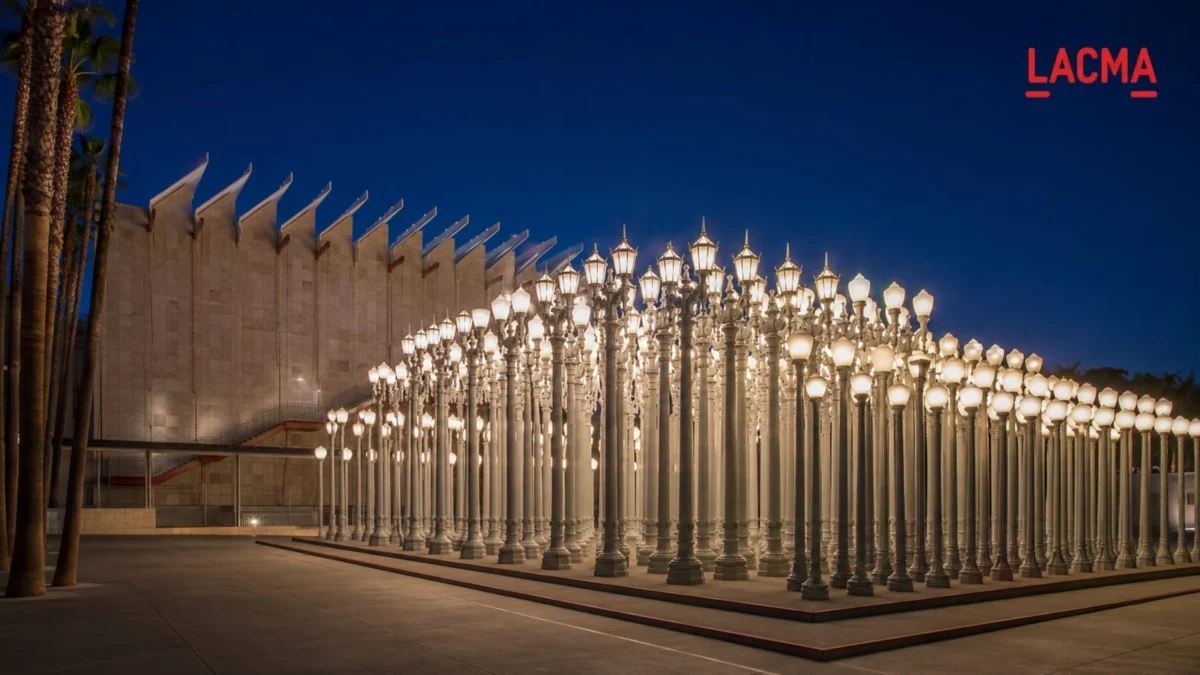
The modern digital landscape has long since erased the boundary between high culture and high-tech vulnerability. In an era where data is routinely harvested, stored, and monetized across disparate enterprise networks, even bastions of artistic heritage and historical preservation are finding themselves on the front lines of cyber warfare. The Los Angeles County Museum of Art (LACMA), a premier cultural institution holding over 155,000 works spanning six millennia of human creativity, has recently underscored this harsh reality. More than a year after detecting anomalous activity within its computing infrastructure, the museum has formally disclosed that a sophisticated network breach compromised sensitive personal data, including the social security numbers and medical records of patrons and employees alike.
The timeline of the security incident highlights the agonizingly complex nature of modern forensic investigations. According to official disclosures, the museum’s monitoring systems flagged suspicious network behavior on July 11, 2025, noting that the unauthorized activity had likely commenced four days earlier, on July 7. What followed was a protracted digital excavation. It took a full month of initial triage before cybersecurity specialists could definitively confirm that the institution’s perimeter defenses had been breached and its network compromised.
Yet, confirming a breach is vastly different from charting its exact parameters. In the immediate aftermath of the discovery, the precise volume and classification of the exfiltrated files remained frustratingly opaque. The labyrinthine structure of legacy databases, intertwined with modern cloud services and third-party vendor integrations, often turns digital forensics into a needle-in-a-haystack endeavor. It was not until late February 2026—many months after the initial intrusion—that the preliminary contours of the stolen data began to emerge from the forensic fog. Even now, the full scope of the compromise continues to ripple outward, culminating in formal notifications distributed to affected parties deep into the third quarter of 2026.
This protracted disclosure window highlights a systemic vulnerability inherent in how cultural and educational non-profits manage cybersecurity risk. Unlike major financial institutions or multinational technology conglomerates, which often maintain sprawling, dedicated security operations centers (SOCs) operating on continuous threat intelligence loops, museums and galleries frequently operate under tighter financial constraints. These organizations are tasked with preserving physical artifacts, curating exhibitions, and engaging the public, meaning IT budgets are frequently squeezed to prioritize visitor experiences over robust, defense-in-depth security architectures. Consequently, when a determined threat actor gains unauthorized access, they often dwell undetected for days or weeks, moving laterally through flat networks that lack proper segmentation.
The nature of the compromised data at LACMA elevates this incident from a routine corporate IT failure to a severe privacy crisis. The exposure of social security numbers combined with medical information represents a worst-case scenario for identity theft. Unlike a compromised email address or a leaked password—which can be changed with relative ease—social security numbers are permanent identifiers. When bundled with personal health data, these records command top dollar on illicit dark web marketplaces. Cybercriminals can leverage this information to commit medical identity theft, fraudulently bill insurance providers, secure unauthorized lines of credit, or orchestrate highly targeted spear-phishing campaigns against victims who believe they are communicating with trusted medical or administrative entities.
In response to the confirmed exposure, the museum has initiated a structured remediation protocol. Formal data breach notifications have been dispatched to all individuals whose information was identified within the compromised datasets, complying with state and federal reporting mandates. Furthermore, the institution has engaged law enforcement agencies to aid in tracking down the perpetrators. To mitigate immediate fallout, impacted individuals have been provided access to a one-year subscription for comprehensive identity theft and fraud protection services through Financial Shield, with an enrollment cutoff established for November 22. Specialized support channels, including a dedicated helpline, have also been established to triage questions and alleviate the anxieties of affected employees and patrons.
Industry experts, however, point out that post-breach mitigation—while necessary—is merely a reactive bandage on a systemic wound. The broader implications of the LACMA incident resonate far beyond the boundaries of Southern California, serving as a cautionary tale for the global arts and heritage sector. Cultural institutions are prime targets for cybercriminals precisely because attackers assume these entities possess soft defenses and valuable data troves. Galleries, museums, and historical societies routinely collect membership dues, process donations, manage donor databases containing high-net-worth individuals, and maintain extensive human resources files for staff and volunteers. To a malicious actor, a mid-sized museum can serve as a lucrative stepping stone or an easy repository of unencrypted personally identifiable information (PII).
Furthermore, the operational reality of enterprise security is starkly illustrated by contemporary threat research. Cybersecurity benchmarks, such as those highlighted in recent industry threat reports, demonstrate that traditional prevention mechanisms frequently fail once an attacker secures initial access. Statistics show that once valid credentials are compromised and utilized by an adversary, the vast majority of subsequent malicious actions—such as privilege escalation, internal reconnaissance, and data exfiltration—go completely unblocked by standard endpoint protection tools. This phenomenon explains why intrusion detection often occurs long after the damage has been done. If an attacker can blend in using legitimate administrative credentials, perimeter defenses become little more than a paper tiger, leaving organizations blind to internal data hoarding until it is too late.
The incident at LACMA also brings to light the legal and regulatory pressures facing non-profit organizations. As data privacy laws tighten across various jurisdictions, regulatory scrutiny on how organizations store, handle, and purge sensitive data has intensified. State attorneys general are increasingly aggressive in investigating corporations and institutions that fail to maintain reasonable security practices. The lengthy delay between the 2025 intrusion and the 2026 data identification phase could potentially draw regulatory inquiries regarding the speed and thoroughness of the investigation, adding legal liabilities to an already complex public relations challenge.
Looking toward the future, the lessons of the LACMA breach must catalyze a paradigm shift in how cultural institutions approach digital risk management. Security cannot remain an afterthought or a line item that is perpetually underfunded. Moving forward, museums must adopt zero-trust architectures, ensuring that network segments housing sensitive financial, medical, and personal records are heavily isolated from general administrative traffic. Multi-factor authentication (MFA) must be rigorously enforced across all employee and vendor access points, accompanied by continuous behavioral monitoring that looks beyond static perimeter defenses to flag anomalous internal data movements in real-time.
For the victims whose private lives have been inadvertently exposed by this security failure, the road ahead involves constant vigilance. Financial advisors recommend that individuals affected by the breach maintain aggressive oversight of their credit profiles, establish security freezes with major credit bureaus, and scrutinize every medical statement for discrepancies or unauthorized procedures. While institutional apologies and one-year monitoring subscriptions offer a baseline of support, the permanence of compromised biometric and governmental identifiers means that the shadow of this breach will linger for years to come.
Ultimately, the LACMA data breach serves as a sobering reminder that the digital transformation of society leaves no institution untouched. As museums increasingly digitize their operations, transition to cloud-based ticketing and donor systems, and digitize employee workflows, their digital attack surfaces expand exponentially. Safeguarding the past can no longer come at the expense of securing the present. Unless cultural institutions match their dedication to historical preservation with an equal commitment to cybersecurity resilience, incidents of this magnitude will continue to threaten the very public trust upon which these venerated organizations are built.
