

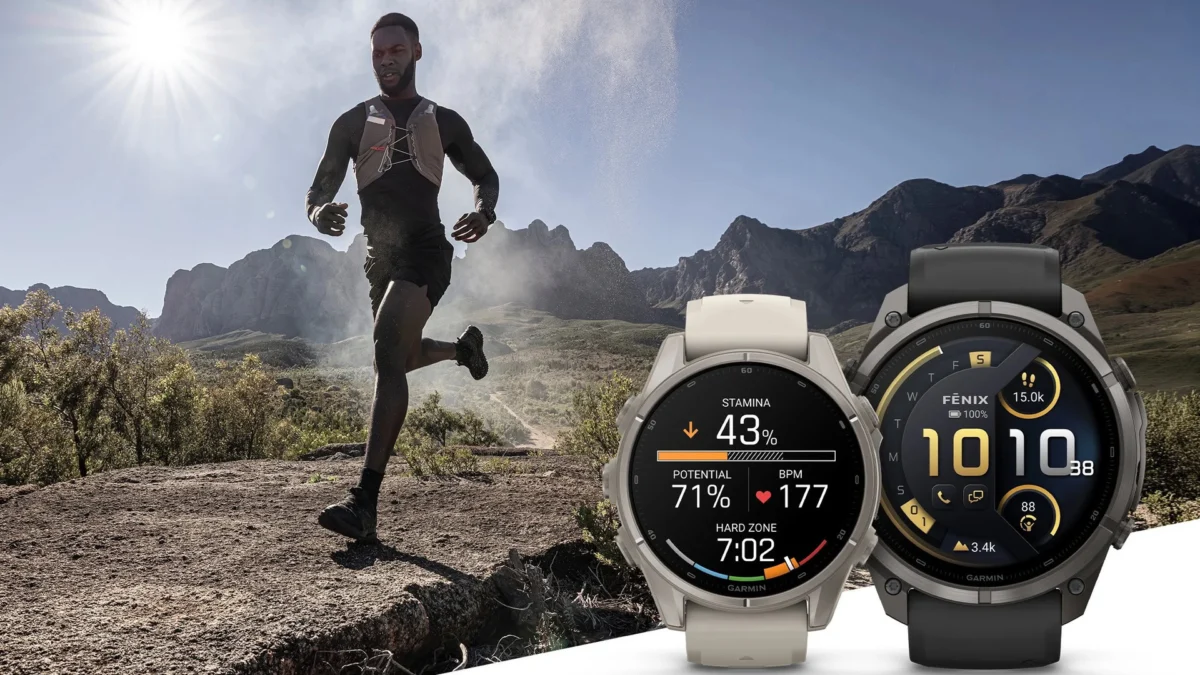
The outdoor wearable ecosystem has always been fiercely contested, with tech giants continually vying to outpace dedicated athletic hardware manufacturers. Recently, consumer electronics competitors have made aggressive claims regarding geolocation tracking precision, aiming to dethrone the industry’s gold standard. However, the perennial leader in rugged multisport engineering has firmly reasserted its dominance. Unveiling its latest generation of flagship multisport GPS smartwatches, the brand introduces an expansive suite of hardware modifications, refined ergonomics, and next-generation physiological telemetry designed for the world’s most demanding endurance athletes and backcountry explorers.
Available immediately across multiple distinct configurations, the new portfolio spans three versatile chassis sizes—43mm, 47mm, and 51mm—accommodating a wide array of wrist dimensions without sacrificing structural integrity. Complementing these robust hardware options is the introduction of the ComfortFit accessory strap ecosystem, utilizing an innovative split-weave textile design engineered to minimize moisture retention and optimize skin contact for precise optical heart rate monitoring during intense athletic pursuits.
Engineering Breakthroughs in the Base fēnix 9 Model
Even at the entry level of this flagship tier, the upgrades are substantial. The standard iteration introduces a heavily upgraded AMOLED display panel that doubles the maximum luminance output of its predecessor while maintaining absolute clarity under harsh midday sunlight. Protection is paramount for extreme sports equipment, which is why this panel sits beneath a resilient, scratch-proof sapphire crystal lens. Furthermore, the physical control architecture has been re-engineered with advanced leakproof sealing, certifying the timepiece for full dive operations down to 40 meters.
Internal computational capability receives a major boost as well. System memory has been increased by fifty percent, leaping from 32GB to an expansive 64GB. This memory expansion directly supports an entirely rewritten, high-performance mapping engine. According to hardware specifications, topographical panning and route rendering are now thirty percent faster, eliminating the frustrating stutter historically associated with complex, offline vector maps. Athletes navigating unfamiliar terrain will experience instantaneous response times when zooming, panning, or reviewing elevation profiles on the fly.
Pushing Boundaries with the fēnix 9 Pro
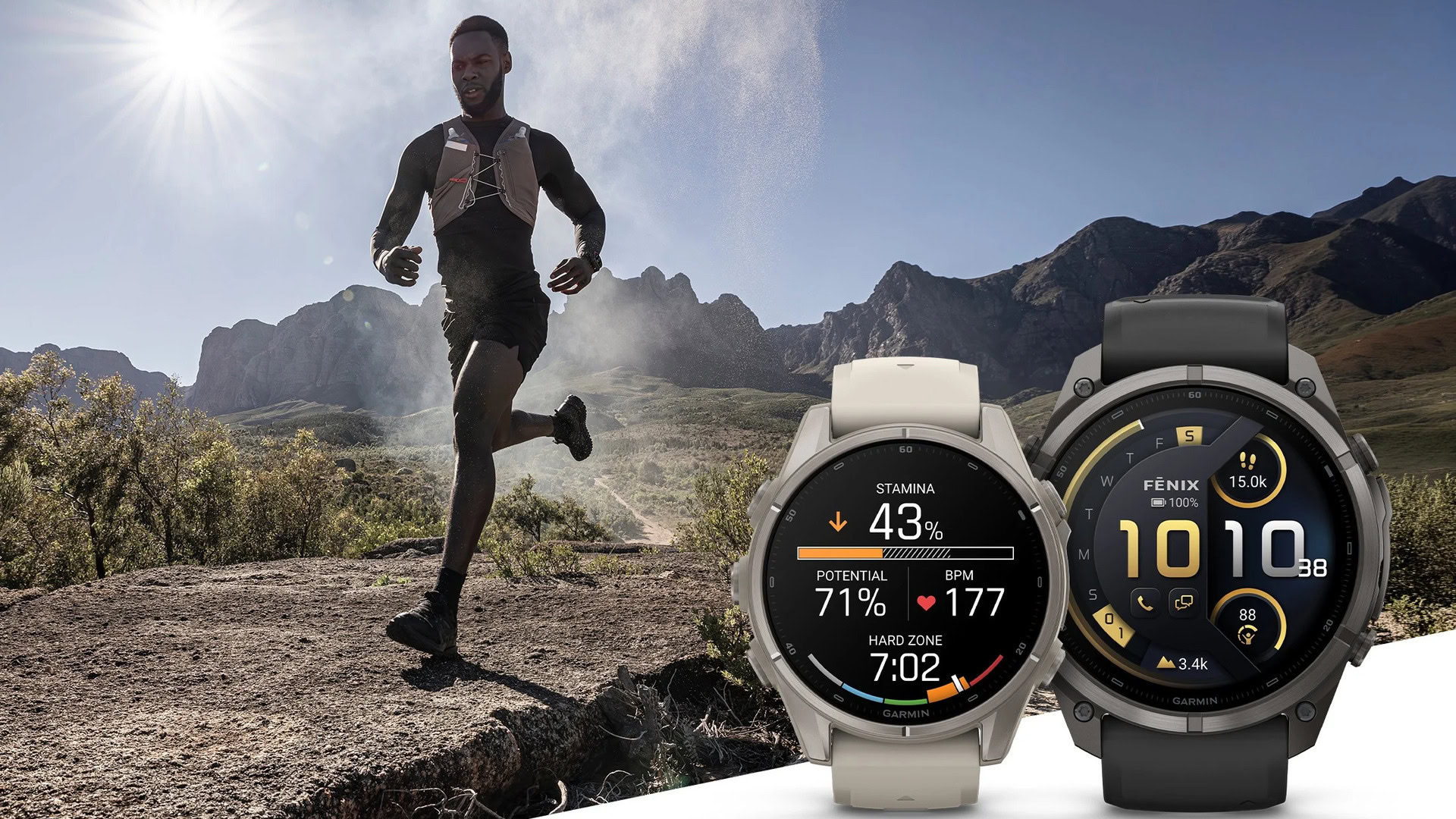
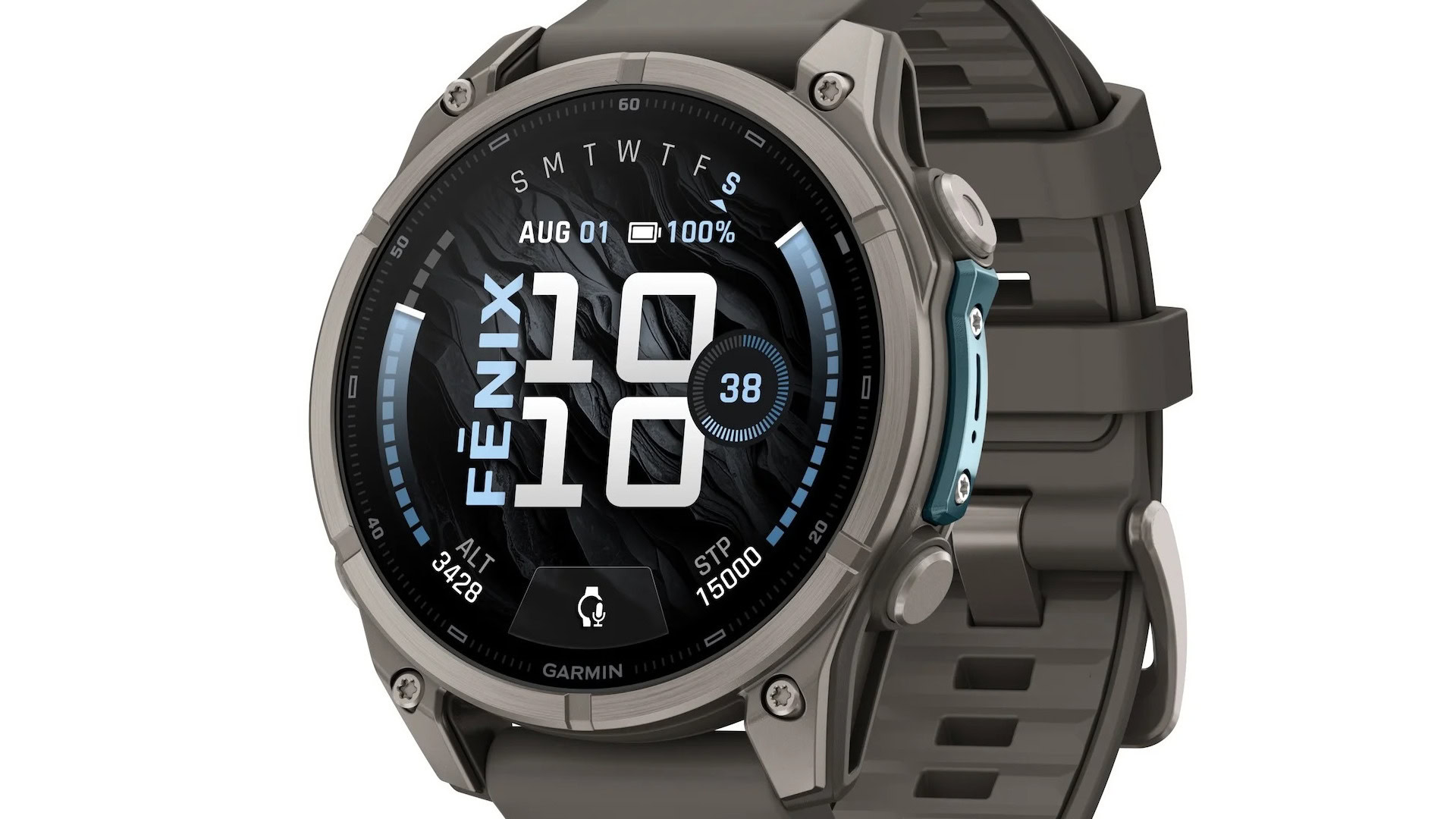
For those requiring the pinnacle of outdoor technology, the Pro variant delivers unprecedented design and capability milestones. In a notable first for the high-end adventure segment, the Pro models incorporate a lightweight yet remarkably durable titanium watch case, striking an optimal balance between structural ruggedness and wrist comfort.
The 51mm Pro configuration introduces a breathtaking 1.5-inch AMOLED screen—representing a fifteen percent viewing area expansion over previous generations—accomplished without inflating the physical footprint of the watch chassis. Select Pro editions also integrate advanced photovoltaic solar charging layers beneath the glass, marrying the vivid visual fidelity of organic light-emitting displays with the legendary endurance of sun-harvesting tech.
Visual performance reaches dizzying heights with a peak output of 3,000 nits, ensuring legibility in blinding alpine environments. For nocturnal operations, the integrated multi-LED flashlight features a dedicated green light spectrum mode, scientifically proven to preserve human night vision during dark-sky navigation or tactical excursions. Complete standalone operation is now a reality thanks to built-in satellite communication hardware, native LTE connectivity, and dedicated SOS messaging protocols, allowing adventurers to leave their cellular devices behind when venturing deep into the wilderness.
Advanced Remote Communication and Safety Infrastructure
Garmin has significantly upgraded its integrated satellite ecosystem for select Pro variants, reinforcing its commitment to backcountry safety. Leveraging subscription-based emergency and messaging architectures, these tools ensure that remote travelers maintain a vital lifeline to civilization. The enhanced infrastructure guarantees seamless communication with friends, family, and a dedicated 24/7 global coordination response center.
This communication layer is further complemented by smarter, predictive endurance analytics. By continuously analyzing historical training load, environmental stressors, and real-time physiological outputs, the upgraded software engine calculates stamina depletion rates with clinical precision. This empowers athletes to dynamically adjust their pacing mid-race, preventing premature exhaustion during ultramarathons, alpine climbs, and multi-day thru-hikes.
Industry Implications and Market Positioning
The introduction of this generation underscores a critical divergence in the modern smartwatch landscape. While mainstream consumer tech brands focus heavily on casual lifestyle metrics and smartphone integration, specialized fitness manufacturers continue to double down on mission-critical reliability, extreme durability, and localized utility. By incorporating cellular independence, military-grade materials, and robust satellite messaging into a device small enough to wear comfortably 24 hours a day, the company is bridging the gap between tactical rescue equipment and daily fitness tracking.
This strategy places immense pressure on competitors attempting to capture the lucrative high-end adventure market. When users are spending upward of a thousand dollars on an expedition tool, compromises in battery longevity, waterproofing, or offline navigation are unacceptable. By refining every touchpoint—from the ultra-bright display and titanium metallurgy to the lightning-fast mapping engine—the brand sets a high benchmark that will take rival ecosystems years to replicate.
Pricing and Global Availability
The new multisport ecosystem is structured to cater to varying budgetary and functional requirements. The standard iterations are priced at $999.99 for both the compact 43mm and mid-size 47mm versions, while the expansive 51mm base configuration retails for $1,099.99. Stepping up to the feature-rich Pro tier, the 43mm and 47mm variants command a price of $1,099.99, whereas the top-tier 51mm Pro edition sits at the apex of the lineup with a retail price of $1,199.99. All models are available for immediate purchase through official retail channels, signaling a major new chapter in elite outdoor wearable technology.
