

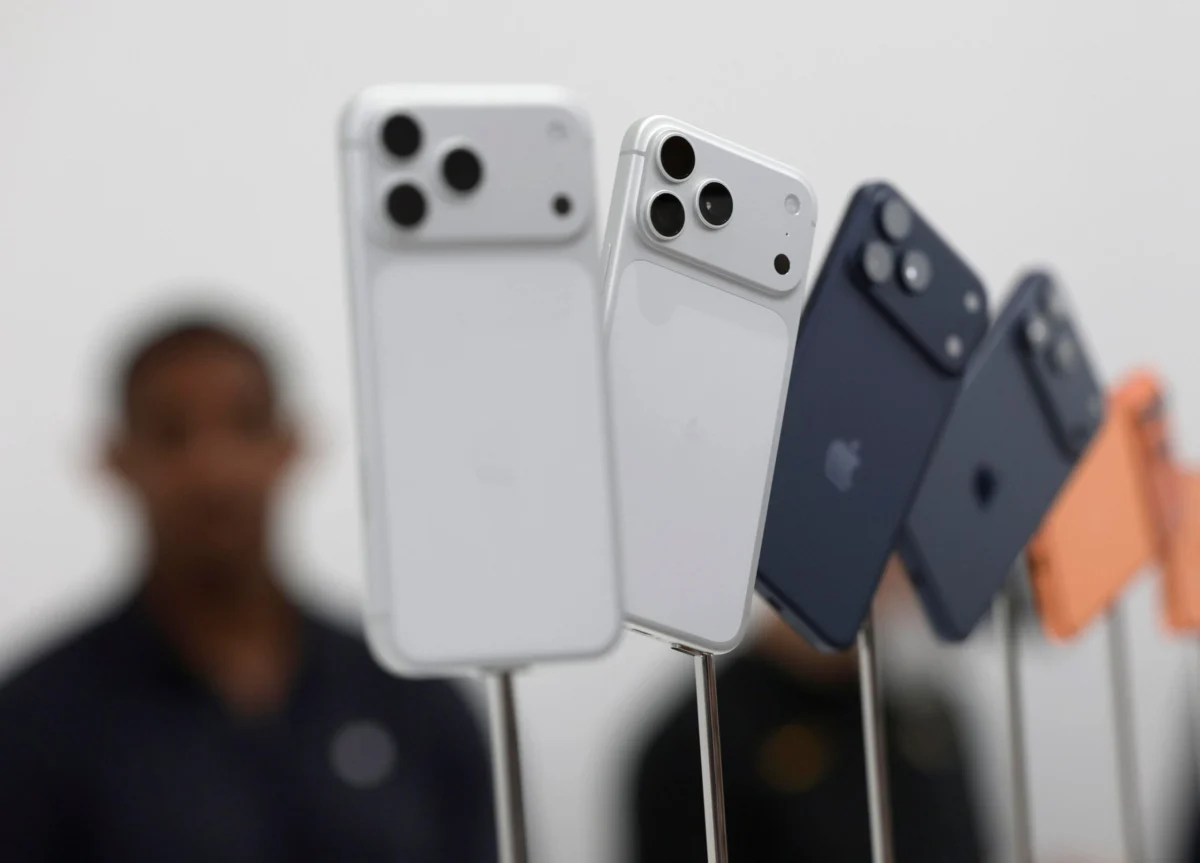
The annual late-summer anticipation for Apple’s next-generation hardware has taken a sharp turn toward anxiety as new data suggests the upcoming flagship cycle could be defined more by scarcity than by feature sets. For over a decade, Apple has maintained a reputation as the undisputed titan of supply chain management, orchestrating a global web of suppliers and assemblers with surgical precision. However, as the tech industry prepares for the debut of the iPhone 18 Pro, the iPhone 18 Pro Max, and the long-rumored foldable "iPhone Ultra," a critical bottleneck in the semiconductor sector threatens to upend the most high-stakes product launch in the company’s history.
At the heart of the impending crisis is a sudden and acute shortage of mobile Dynamic Random Access Memory (DRAM). According to industry analysts specializing in the semiconductor landscape, Apple is currently engaged in an aggressive "scramble" to secure enough memory modules to finalize its 2026 lineup. With the projected release date of Friday, September 18, looming, the margin for error has evaporated. While Apple typically sources its DRAM from a trio of industry giants—Micron, SK Hynix, and Samsung—the current demand for high-performance memory, driven largely by the global explosion of on-device Artificial Intelligence (AI), has stretched these suppliers to their absolute limits.
The technical nature of the shortage is particularly revealing of the complexities inherent in modern smartphone manufacturing. Reports from the front lines of the supply chain indicate that Taiwan Semiconductor Manufacturing Company (TSMC), the exclusive producer of Apple’s custom silicon, is currently holding approximately $1 billion worth of finished processors that cannot be shipped. The reason is a "packaging" deadlock: the sophisticated System-on-Chip (SoC) that powers an iPhone cannot be completed or tested until the corresponding DRAM is integrated into the final package. This means that while the "brains" of the iPhone 18 Pro are ready, they are essentially trapped in the factory, waiting for the memory components that allow them to function.
This $1 billion inventory pile-up represents a massive logistical hurdle. In the world of "just-in-time" manufacturing, such a backlog is an anomaly that ripples through every subsequent stage of the process, from final assembly in Zhengzhou to the cargo planes destined for distribution hubs in Memphis and Luxembourg. If these processors remain stalled for even a few more days, the volume of units available for the initial launch day could be significantly lower than in previous years, potentially leading to ship dates that slip into November or December within minutes of pre-orders opening.
The stakes are further heightened by Apple’s rumored strategy for the 2026 release cycle. Unlike previous years where a standard model anchored the entry-level premium tier, indications suggest that the base iPhone 18 may be held back until 2027. This leaves the market focused entirely on three high-end, high-margin devices: the Pro, the Pro Max, and the "Ultra" foldable. By narrowing the lineup to these premium tiers, Apple has inadvertently concentrated consumer demand onto the very models that require the most sophisticated components and the highest volumes of DRAM.
The "iPhone Ultra" foldable adds an entirely new dimension of risk to this equation. As Apple’s first foray into the foldable market, the device is expected to be a halo product—a showcase of engineering that commands a significant price premium. However, foldable devices are notoriously difficult to manufacture, requiring specialized display panels and complex hinge mechanisms that already have low yield rates compared to traditional "slab" phones. When you combine the inherent difficulty of building a foldable with a global memory shortage, the Ultra model becomes the most vulnerable link in Apple’s 2026 strategy. It is highly likely that this specific model will see the most severe shortages, becoming a rare commodity for the first several months of its lifecycle.

From an industry perspective, this situation underscores a growing trend: the "AI tax" on hardware. As smartphone manufacturers race to integrate generative AI features directly onto the device to ensure privacy and speed, the hardware requirements have skyrocketed. AI models require massive amounts of fast memory to run efficiently. The iPhone 18 Pro series is expected to lean heavily into these capabilities, necessitating a jump in RAM capacity that has caught the supply chain off guard. This isn’t just an Apple problem; it is a signal that the era of "enough" memory is over. Every major player in the mobile space is now competing for the same high-spec DRAM, and even a company with Apple’s purchasing power is not immune to the laws of supply and demand.
The implications for the consumer are clear: the window of opportunity to secure a device for launch day will be narrower than ever. In previous cycles, a "sell-out" usually meant a delay of two to three weeks. In the current environment, a sell-out could mean a delay of two to three months. This creates a high-pressure environment for the pre-order window. Historically, when stock begins to dwindle, consumers are forced to make split-second decisions—often settling for a different color or a higher (and more expensive) storage tier just to ensure they receive a phone before the holiday season. This "forced upsell" may bolster Apple’s average selling price (ASP), but it risks alienating long-time fans who find the purchasing process increasingly combative.
Despite the dire warnings, it is important to remember Apple’s historical resilience. The company has navigated global pandemics, trade wars, and factory lockdowns without missing a major launch window. Their engineers and logistics experts are likely working around the clock to qualify new batches of memory or optimize the packaging process to clear the TSMC backlog. There is also the possibility that Apple will prioritize its own retail channels over third-party carriers and Big Box retailers, funneling whatever limited stock exists to the Apple Store app and physical Apple locations.
Looking toward the future, this bottleneck may force a shift in how Apple designs its products. We may see an even greater move toward vertical integration, with Apple exploring ways to reduce its reliance on external DRAM vendors, though memory fabrication is a notoriously difficult and capital-intensive industry to enter. More likely, we will see Apple continue to use its massive cash reserves to secure long-term, exclusive supply contracts, effectively "starving" its competitors of the components they need—a tactic the company has used successfully in the past with flash memory and OLED displays.
As the September keynote approaches, the narrative surrounding the iPhone 18 Pro is shifting from "what can it do?" to "can I get one?" The technological leaps expected in this generation—including the refined 2nm silicon process, enhanced periscope zoom lenses, and the debut of the foldable form factor—are impressive, but they are moot if the devices remain on factory floors. For the tech-savvy consumer, the advice is simple: preparation is paramount. Monitoring the exact moment pre-orders go live and having multiple configurations ready as backups will be the only way to navigate what is shaping up to be the most volatile launch in a generation.
The broader semiconductor industry will be watching this launch as a bellwether for the "AI era" of consumer electronics. If the world’s most efficient supply chain struggles to meet the memory demands of its latest flagship, it suggests that the industry at large may be heading toward a period of sustained component friction. The transition to AI-centric hardware is not just a software update; it is a physical transformation of the device that requires more silicon, more memory, and more sophisticated manufacturing than ever before. The iPhone 18 Pro launch is the first real test of whether the global supply chain can keep up with the breakneck speed of the AI revolution.
In conclusion, while the prospect of an unprecedented sell-out is a looming shadow over the iPhone 18 Pro debut, it also highlights the incredible demand for Apple’s vision of the future. The scramble for DRAM and the $1 billion processor backlog are symptoms of a company pushing the boundaries of what is possible in a handheld device. For those who manage to snag a Pro or an Ultra model on day one, the reward will be a piece of cutting-edge technology that was, quite literally, hard-won. For the rest, the wait through the autumn months may be a long reminder of the fragility of the global high-tech ecosystem.
