

The contemporary media ecosystem has reached a fascinating inflection point where the boundaries between theatrical prestige and domestic convenience have effectively dissolved. This weekend, the sheer volume of high-caliber content across major platforms like Netflix, Prime Video, Apple TV+, and Paramount+ illustrates a broader industry trend: the weaponization of intellectual property to secure long-term subscriber retention. As the "streaming wars" transition from a period of reckless spending into a more calculated era of franchise management and auteur-driven projects, viewers are the primary beneficiaries of a curated, high-stakes library of narratives. From the gritty realism of special operations and historical tragedies to the revival of 1980s icons and the evolution of the superhero genre, the current slate offers a complex tapestry of storytelling that demands both time and critical attention.
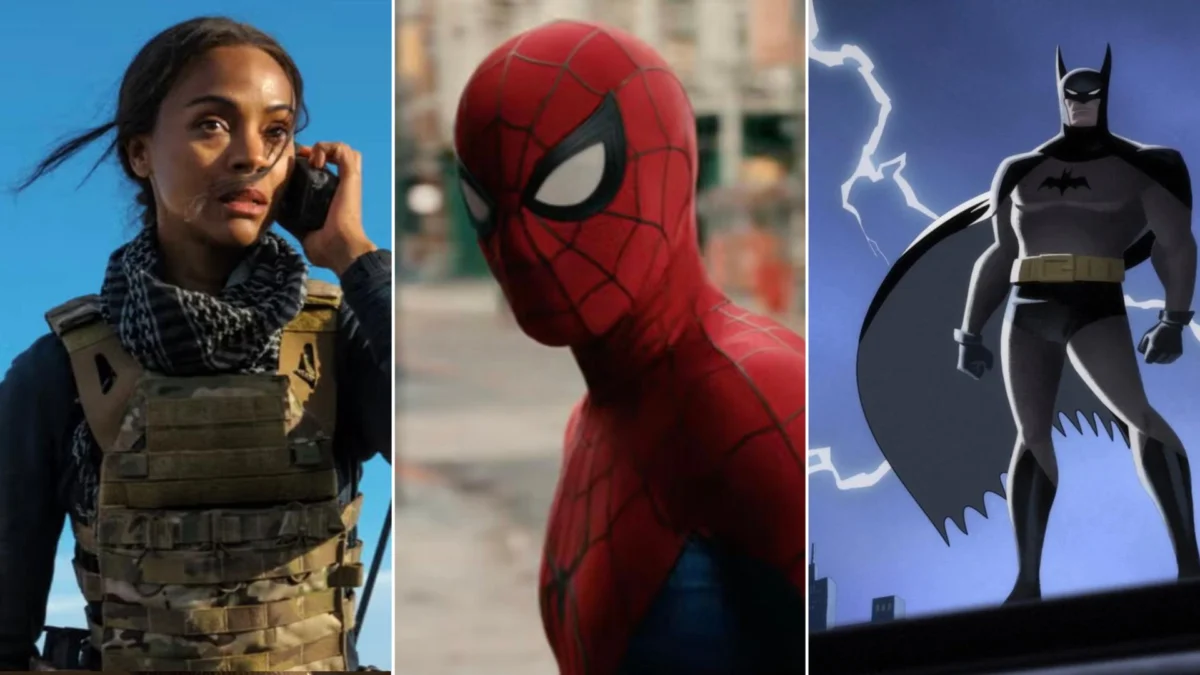
At the forefront of this weekend’s television cycle is the return of Taylor Sheridan’s Lioness for its third season on Paramount+. Starring Zoe Saldaña as CIA operative Joe McNamara, the series continues to explore the moral ambiguities of modern espionage. Sheridan, who has become the linchpin of Paramount’s content strategy, remains one of the few showrunners capable of bridging the gap between traditional procedural structures and cinematic serialized drama. Season 3 finds McNamara navigating a sprawling conspiracy that threatens both the geopolitical status quo and her personal domestic stability. With a powerhouse supporting cast including Nicole Kidman and Morgan Freeman, Lioness represents a specific brand of "red-blooded" thriller that leans into contemporary anxieties regarding national security and global terrorism. The industry implication here is clear: Paramount+ is doubling down on the "Sheridan-verse" to anchor its platform, betting that visceral, high-stakes military drama will maintain its core audience in an increasingly fragmented market.
Parallel to the live-action intensity is a significant resurgence in sophisticated animation, a medium that is increasingly being used to explore darker, more mature themes. Prime Video’s Batman: Caped Crusader enters its second season, continuing the noir-inspired vision established by executive producers Bruce Timm, J.J. Abrams, and Matt Reeves. By casting Hamish Linklater as the voice of the Dark Knight, the series leans into a 1940s detective aesthetic that differentiates it from the neon-soaked or hyper-realistic versions of Gotham seen in recent years. While some creative choices, such as the reimagining of legacy characters, have sparked discourse among purists, the show’s 88% critical rating suggests that there is a profound appetite for "Batman-as-detective" stories. This fits into a larger trend where streamers are using animation not just for children, but as a prestigious vehicle for adult-oriented genre storytelling.
This trend is further exemplified by the arrival of X-Men ’97 Season 2 on Disney+. Following the critical success of its debut, the series continues to mine the rich vein of 1990s nostalgia while modernizing the social allegories that have always defined the mutant franchise. The departure of lead writer Beau DeMayo has added a layer of industry intrigue to the production, yet the early episodes suggest that the series’ core identity—a blend of soap-opera interpersonal drama and high-concept sci-fi—remains intact. Simultaneously, Prime Video is catering to anime enthusiasts with a new take on Ghost in the Shell, produced by the acclaimed studio Science Saru. By revisiting the 1989 manga’s cyberpunk roots in a 2029 setting, the series explores the intersection of cybernetics and anti-terrorism, a theme that feels increasingly relevant in the age of AI and digital warfare.
In the realm of feature films, the transition from theatrical windows to streaming platforms continues to accelerate. Kingdom of the Planet of the Apes makes its debut on Prime Video, marking a new chapter for a franchise that has successfully navigated multiple reboots over several decades. Directed by Wes Ball, the film takes place generations after the reign of Caesar, focusing on the young chimpanzee Noa (Owen Teague) and his encounter with a mysterious human (Freya Allan). The film’s reliance on cutting-edge performance capture technology highlights the ongoing evolution of visual effects, proving that streaming audiences now expect the same level of technical sophistication as theater-goers.
For those seeking more grounded, psychological fare, HBO Max offers The Drama, an A24 production directed by Kristoffer Borgli. Starring Zendaya and Robert Pattinson, the film serves as a psychological autopsy of a relationship unraveling on the eve of a wedding. A24 has carved out a unique niche in the industry, acting as a "seal of quality" for arthouse cinema that often subverts genre expectations. The pairing of Zendaya and Pattinson—two actors who have successfully transitioned from teen icons to serious dramatic heavyweights—ensures that The Drama will be a significant talking point in the upcoming awards conversation.

Perhaps the most surprising entry this weekend is the streaming release of Avatar Aang: The Last Airbender on Paramount+. Originally envisioned as a wide theatrical release, the decision to pivot to a digital premiere reflects the shifting priorities of studio executives who see higher long-term value in bolstering their proprietary platforms. Set 13 years after the original Nickelodeon series, the film follows the original cast as adults, catering to the "Zillennial" demographic that grew up with the show. This strategy of "aging up" animated IP is a clever way to maintain brand loyalty among an audience that is now entering its prime spending years.
The weekend also features a notable trend in "redemptive" IP management, most notably with Travis Knight’s Masters of the Universe on Prime Video. After several failed attempts to revive the He-Man brand, Knight (known for Bumblebee and Kubo and the Two Strings) has delivered a film that balances 80s nostalgia with genuine emotional resonance. Starring Nicholas Galitzine as Prince Adam and Idris Elba as Man-At-Arms, the film avoids the cynicism often found in modern reboots, opting instead for a heartfelt action-adventure tone. This mirrors the success of Mortal Kombat II on HBO Max, which, despite a divide between critics and fans, has found an audience by embracing the "cheesy" high-octane energy of its source material.
In the theatrical space, Spider-Man: Brand New Day is making waves as a potential "genre-saver." Several years removed from the multiverse-spanning events of No Way Home, Tom Holland’s Peter Parker is reimagined as a reclusive loner. The inclusion of Jon Bernthal’s Frank Castle (The Punisher) signals a darker, more grounded direction for the MCU, suggesting that Marvel is listening to criticisms regarding "superhero fatigue" and a perceived lack of stakes. This pivot toward "street-level" heroics could be the blueprint for the next decade of superhero cinema.
Television’s weekly release cycle remains dominated by heavy hitters like House of the Dragon on HBO Max. Now deep into its third season, the Game of Thrones prequel has found a steadier pace, focusing on the internal rot of the Targaryen dynasty as the civil war intensifies. While some viewers have criticized the show’s bleakness, its production values and complex character studies remain the gold standard for high-fantasy television. On the opposite end of the spectrum, The Walking Dead: Dead City continues its third season on AMC+, though it faces the uphill battle of justifying its existence in an increasingly crowded market. The industry lesson here is the difficulty of maintaining momentum in a "zombie" franchise that has spanned nearly fifteen years.
Apple TV+ continues to build its reputation as the home of high-concept, stylish mysteries with Sugar and Silo. Sugar, starring Colin Farrell as a neo-noir private investigator, relies on a mid-series twist that has become legendary in streaming circles. Meanwhile, Silo enters its third season, continuing its slow-burn exploration of a dystopian underground society. Both shows benefit from Apple’s "quality over quantity" approach, which focuses on high production budgets and A-list talent to lure subscribers away from the more volume-heavy Netflix.
Finally, the weekend is rounded out by niche offerings that cater to specific genre enthusiasts. BritBox’s Gone, starring David Morrissey, provides the "slow-burn" British crime thriller that has become a staple of international television exports. On the comedic front, Stuart Fails To Save The Universe on HBO Max represents a fascinating experiment in spin-off culture, taking a secondary character from The Big Bang Theory and placing him in a multiverse-centric comedy.
As we look toward the future, this weekend’s lineup suggests that the streaming landscape is moving toward a permanent state of "Event TV." The sheer diversity of content—from historical documentaries like The Bombing of Pan Am 103 to speculative sci-fi and gritty gang dramas like The Westies—indicates that platforms are no longer content with being "passive" repositories of content. Instead, they are becoming active participants in the cultural conversation, using high-budget premieres to dictate the weekend’s social media discourse. For the viewer, the challenge is no longer finding something to watch, but rather deciding which high-stakes world to inhabit first.
