

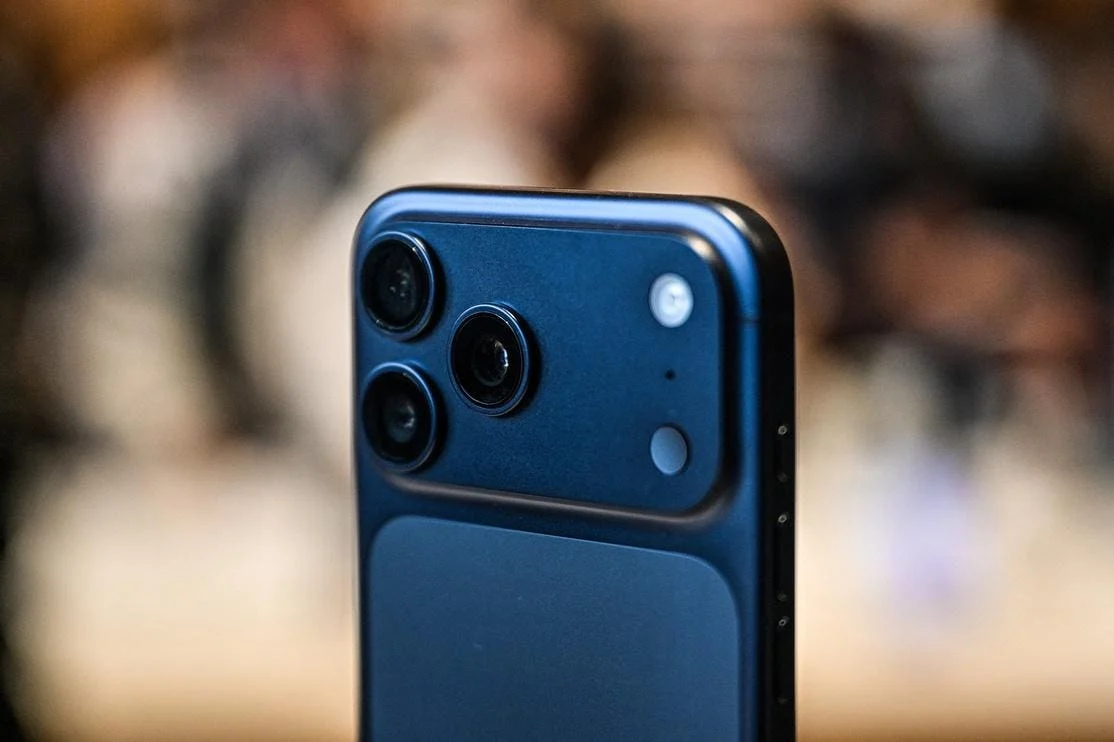
For the global technology sector, the month of September is not merely a change of seasons; it represents the most critical period in the consumer electronics calendar. This window is dominated by Apple’s annual hardware refresh, a meticulously choreographed event that has become the benchmark for industrial logistics and marketing precision. As we approach the anticipated unveiling of the iPhone 18 Pro, the tech community is once again looking toward Apple’s historical patterns to decipher the exact timing of its next major milestone. While the company remains notoriously tight-lipped regarding its internal schedule, a decade and a half of data points provide a remarkably clear roadmap. By analyzing the intersection of holiday schedules, supply chain rhythms, and historical keynote dates, we can pinpoint the likely release window for the iPhone 18 Pro with a degree of certainty that borders on the absolute.
The journey to the iPhone 18 Pro began nearly twenty years ago, but the specific "September Window" that we now take for granted was not always the standard. In the early days of the smartphone revolution, Apple favored a summer release cycle. The original iPhone, unveiled by Steve Jobs in January 2007 at Macworld, did not hit store shelves until June of that year. This pattern of June announcements continued through the iPhone 3G, 3GS, and iPhone 4, aligning with Apple’s Worldwide Developers Conference (WWDC). However, 2011 marked a fundamental shift in Apple’s strategy. With the introduction of the iPhone 4S on October 4, 2011, the company moved its flagship launch to the autumn. This transition was strategically designed to align the product’s peak sales period with the lucrative fourth-quarter holiday shopping season.
Since 2012, with the launch of the iPhone 5, Apple has refined this strategy into a rigid, predictable cadence. For over a decade, the company has consistently held its primary hardware event within the first two weeks of September. This consistency is not a product of coincidence but a result of rigorous operational planning. By launching in early September, Apple ensures that it can capture "Back to School" momentum while simultaneously building sufficient inventory for Black Friday and the December holidays. The only significant deviation from this pattern occurred in 2020, when the global pandemic disrupted international supply chains, forcing the iPhone 12 announcement into October. Even then, Apple attempted to maintain a September presence with an event focused on the Apple Watch and iPad, signaling their commitment to the month.
To understand why the iPhone 18 Pro is likely to follow a specific date, one must look at the "Labor Day Factor." In the United States, Labor Day falls on the first Monday of September. This public holiday serves as the unofficial anchor for Apple’s scheduling. Historically, Apple avoids holding major events during the holiday weekend or on the Monday itself. More importantly, the company has established a firm rule against holding keynotes on the Tuesday immediately following Labor Day. This Tuesday is traditionally treated as a "travel day" for the thousands of journalists, analysts, and industry partners who fly into San Jose and San Francisco to attend the event at the Steve Jobs Theater in Cupertino.
By examining the 2026 calendar, we see that Labor Day falls on Monday, September 7. Following the established logic—avoiding the holiday and the subsequent travel day—the first available window for a high-profile keynote opens on Wednesday, September 9. This specific alignment mirrors the 2015 launch cycle, where Labor Day also fell on the 7th and the keynote was held on the 9th. While Apple occasionally favors Tuesdays for its announcements, the Wednesday slot provides an extra buffer for technical rehearsals and media briefings. Given these historical precedents, Wednesday, September 9, stands as the most statistically probable date for the iPhone 18 Pro reveal.
The hardware itself, the iPhone 18 Pro and its larger sibling, the iPhone 18 Pro Max, are expected to represent a significant leap in Apple’s engineering trajectory. Rumors within the supply chain suggest that Apple is grappling with the physical limits of device weight and material density. The iPhone 18 Pro Max, in particular, is rumored to be among the heaviest devices Apple has ever produced, potentially rivaling the stainless steel models of previous generations despite the continued use of titanium alloys. This increase in mass is likely due to expanded battery capacities and a more sophisticated thermal management system required to support increasingly powerful on-device Artificial Intelligence (AI) processing.

Perhaps the most tantalizing prospect for this year’s event is the potential introduction of Apple’s first foldable device. While competitors have iterated on foldable screens for several years, Apple’s philosophy has always been to wait until a technology is mature enough to meet its stringent durability and aesthetic standards. If the "iPhone Fold" (or a foldable iPad/Mac hybrid) makes an appearance alongside the iPhone 18 Pro, it would mark the most significant diversification of the iPhone lineup since the introduction of the "X" in 2017. Such a move would not only address a growing market segment but also serve as a "halo" product to demonstrate Apple’s continued dominance in display innovation.
Complementing the hardware is the anticipated rollout of iOS 27. The relationship between Apple’s software and hardware is symbiotic; the new iPhone serves as the optimal vessel for the year’s software innovations. We are currently in the midst of the public beta cycle for this operating system, a period where enthusiasts and developers stress-test the features that will define the iPhone 18 Pro experience. iOS 27 is expected to double down on "Apple Intelligence," the company’s proprietary suite of generative AI tools. From advanced Siri capabilities to system-wide image and text generation, the software is being designed to take full advantage of the NPU (Neural Processing Unit) found in the upcoming A-series chips.
For consumers, the transition to a new iOS version can be a double-edged sword. While the public beta offers a glimpse into the future, it often comes with stability trade-offs. Tech journalists often advise caution during this phase, noting that "downloader’s remorse" is common among those who install beta software on their primary devices. However, by the time the iPhone 18 Pro reaches consumers—predicted for a retail launch on Friday, September 18—iOS 27 will have reached its "Golden Master" status, ensuring a polished and stable experience out of the box.
The industry-wide implications of this release schedule cannot be overstated. When Apple sets a date, the rest of the tech world adjusts its orbit. Competitors often attempt to "pre-empt" Apple by announcing their devices in August, or they wait until October to avoid being drowned out by the Cupertino marketing machine. The September launch also triggers a massive secondary market surge, as millions of users trade in older models to upgrade to the Pro series. This creates a ripple effect throughout the global economy, affecting everything from semiconductor demand to shipping logistics and retail labor schedules.
Furthermore, the launch of the iPhone 18 Pro will likely be accompanied by updates to the broader Apple ecosystem. Firmware updates for the AirPods Pro 3 and the AirPods Max 2 are expected to drop in tandem with iOS 27, introducing features like improved spatial audio and adaptive noise cancellation that are tuned specifically for the new hardware. This "ecosystem lock-in" is Apple’s greatest strength, ensuring that a new iPhone purchase often leads to the purchase of updated accessories, further driving the company’s services and wearables revenue.
As we look toward the future, the iPhone 18 Pro represents a bridge between the traditional smartphone era and the burgeoning age of spatial computing and AI-integrated portables. The meticulous timing of its release is a testament to Apple’s mastery of the "event as a product." By adhering to a timeline that has been refined over fifteen years, Apple minimizes risk and maximizes impact.
In conclusion, while we await the official invitations to arrive in our inboxes, the historical data speaks for itself. The intersection of a September 7 Labor Day and Apple’s operational preferences points directly to a September 9 keynote. With pre-orders typically opening the following Friday and the official release date slated for September 18, the countdown to the iPhone 18 Pro has effectively begun. For the tech-savvy consumer and the industry analyst alike, the next few weeks will be a study in how a trillion-dollar company maintains its crown through a blend of cutting-edge innovation and remarkably disciplined tradition. The iPhone 18 Pro is not just a phone; it is the culmination of a yearly ritual that continues to define the modern digital age.
