

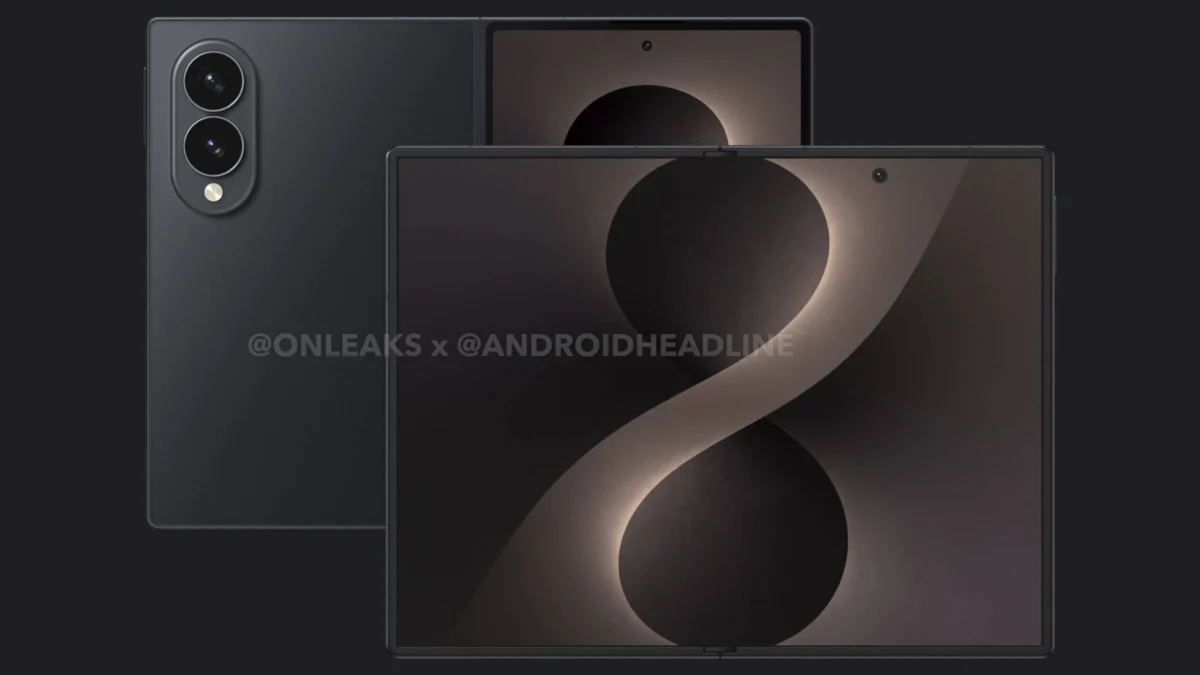
The landscape of mobile hardware is undergoing a seismic shift as manufacturers move beyond the experimental phase of foldable technology into a period of refinement and standardization. Samsung, long the dominant force in the foldable arena, appears to be preparing for a significant evolution in its product roadmap. Recent intelligence regarding the upcoming Galaxy Z Fold 8 Wide suggests that the company is moving away from the unconventional, narrow aspect ratios that have defined its flagship folding line for years, opting instead for a more ergonomic and traditional 4:3 display format. This pivot is not merely a design choice; it is a calculated response to shifting market demands, intensifying competition, and the necessity of providing a more intuitive user experience.
For years, Samsung’s Z Fold series was characterized by a distinctively tall and narrow outer screen. While this design facilitated one-handed use, it often resulted in a cramped keyboard experience and a main internal display that felt somewhat disconnected from standard content consumption patterns. The industry, however, is now gravitating toward a "wider is better" philosophy. This shift was underscored by the recent release of the HUAWEI Pura X Max, which signaled that manufacturers are finally prioritizing a more natural, tablet-like footprint for their high-end foldable devices.
The Mathematics of the Display
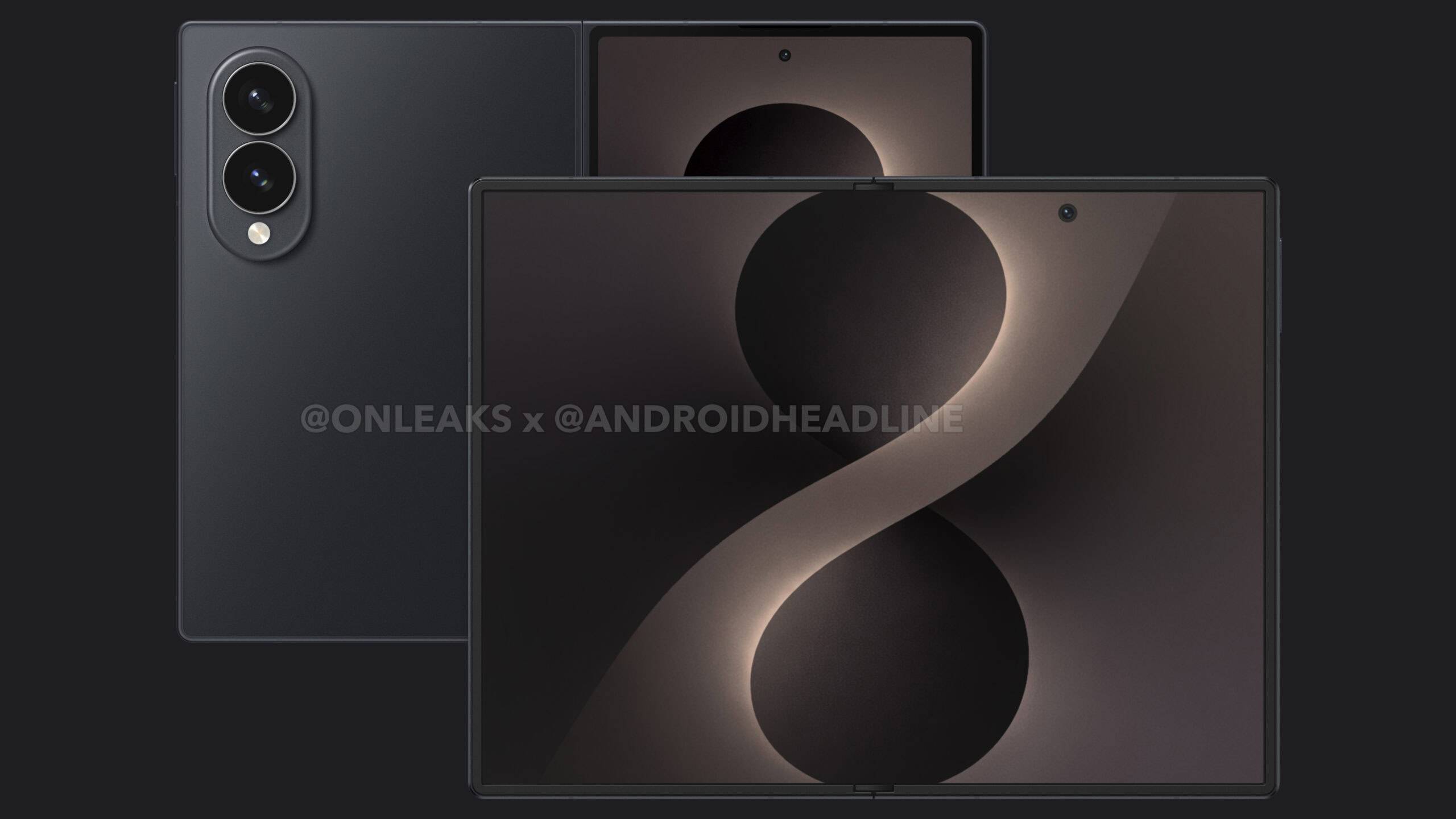
The reported transition to a 4:3 aspect ratio for the Galaxy Z Fold 8 Wide’s internal panel is a significant departure from the near-square dimensions of its predecessors. According to recent technical leaks, the internal display will span 7.6 inches, while the cover screen is expected to sit at 5.4 inches with a 4.7:3 ratio. By adopting a 4:3 internal canvas, Samsung is aligning its hardware with the established "Gold Standard" of tablet computing.
The implications of this move for daily productivity are substantial. The 4:3 ratio is historically rooted in the foundational architecture of digital documents and early television standards, yet it remains the most versatile format for modern productivity. On a mobile device, a 4:3 ratio provides a more expansive canvas for multitasking—allowing users to view two full-sized applications side-by-side without the awkward horizontal stretching or excessive vertical whitespace often encountered on current models. For professionals who rely on their foldables for drafting documents, editing spreadsheets, or consuming professional-grade media, this change promises to bridge the gap between a portable smartphone and a functional tablet.
Industry Implications and the "Apple Effect"
The industry’s move toward a uniform aspect ratio is, in many ways, an acknowledgment of Apple’s inevitable entry into the foldable space. Reports have long suggested that if—or when—a foldable iPhone hits the market, it will prioritize a design language that feels native to iOS users, likely favoring a wider, more balanced screen that mimics the dimensions of current iPad mini models. By adjusting the Galaxy Z Fold 8 Wide to mirror these dimensions, Samsung is effectively future-proofing its ecosystem against incoming competition.
This standardization also addresses a long-standing pain point for third-party developers. Creating applications that scale correctly across a dizzying array of foldable aspect ratios has historically been a nightmare for Android developers. When the industry coalesces around specific, standardized ratios like 4:3, it incentivizes developers to optimize their interfaces for the foldable form factor, creating a more cohesive software ecosystem. This could be the catalyst that finally pushes foldable devices from a niche, enthusiast-driven category into the mainstream enterprise market.
Engineering Constraints and Architectural Shifts
While the user-facing benefits are clear, the engineering challenge of transitioning to a wider foldable cannot be overstated. A wider device necessitates a completely redesigned hinge mechanism, as the structural integrity of a wider panel is inherently more difficult to maintain under repetitive stress. The rumored 4.9mm thickness (when unfolded) is a testament to the advancements in materials science that Samsung is employing to keep the device sleek despite the larger surface area.
Furthermore, moving to a wider form factor forces a rethink of internal component placement. To maintain a thin, balanced chassis, the battery cells must be thinner and more distributed, and the cooling systems—essential for the expected inclusion of the Snapdragon 8 Elite Gen 5 processor—must be re-engineered to handle thermal loads across a broader physical footprint. This suggests that the Z Fold 8 Wide will not just be a screen refresh, but a total ground-up reconstruction of the Fold architecture.
Nostalgia Meets Modern Utility
It is a curious irony that the most cutting-edge technology of 2026 is returning to a "vintage" aspect ratio. The 4:3 format is deeply ingrained in the collective consciousness as the standard for early television and classic gaming. While modern cinema has largely moved to 16:9 or ultra-wide 21:9 formats, the 4:3 ratio remains superior for static content. Books, PDFs, web articles, and even many retro-inspired mobile games utilize vertical space in a way that feels cramped on a wide, cinematic screen but expansive on a 4:3 panel.
By embracing this ratio, Samsung is catering to a demographic that values utility over mere flashiness. The ability to display documents in a way that mimics a standard sheet of paper—without the need for constant scrolling or zooming—cannot be overstated for productivity. Additionally, the reduction of "letterboxing" on older or specifically formatted media provides a cleaner, more immersive viewing experience that feels less like a compromise and more like a deliberate design choice.
Looking Toward the Unpacked Future
As we look toward the mid-year release of the Galaxy Z Fold 8 Wide, the broader market context suggests that this device is intended to coexist with, rather than replace, the standard Fold and Flip models. This tiered approach allows Samsung to capture multiple segments of the market: the traditionalists who prefer the tall, narrow footprint of the current Z Fold, and the power users who demand the expanded, tablet-like experience of the Wide variant.
The integration of flagship-tier silicon, such as the Snapdragon 8 Elite Gen 5, indicates that this will be a high-performance machine. In an era where mobile AI and heavy multitasking are becoming the standard, having a device that can comfortably host complex workflows is paramount. If the leaked specifications hold true, the Z Fold 8 Wide will likely become the benchmark against which all other foldable devices are measured throughout 2026.
Ultimately, this transition represents the "growing up" of the foldable market. The industry is moving away from proving that a phone can fold, to demonstrating how a folding device should function. By refining the aspect ratio, focusing on content density, and streamlining the physical footprint, Samsung is positioning the Galaxy Z Fold 8 Wide as a serious tool for the modern professional. The era of the "gimmick" is firmly in the rearview mirror; the era of the foldable as a primary, desktop-class computing device has arrived. As manufacturers continue to converge on these more natural, human-centric form factors, the divide between the handheld phone and the workstation will continue to blur, setting the stage for a new generation of mobile computing.
