

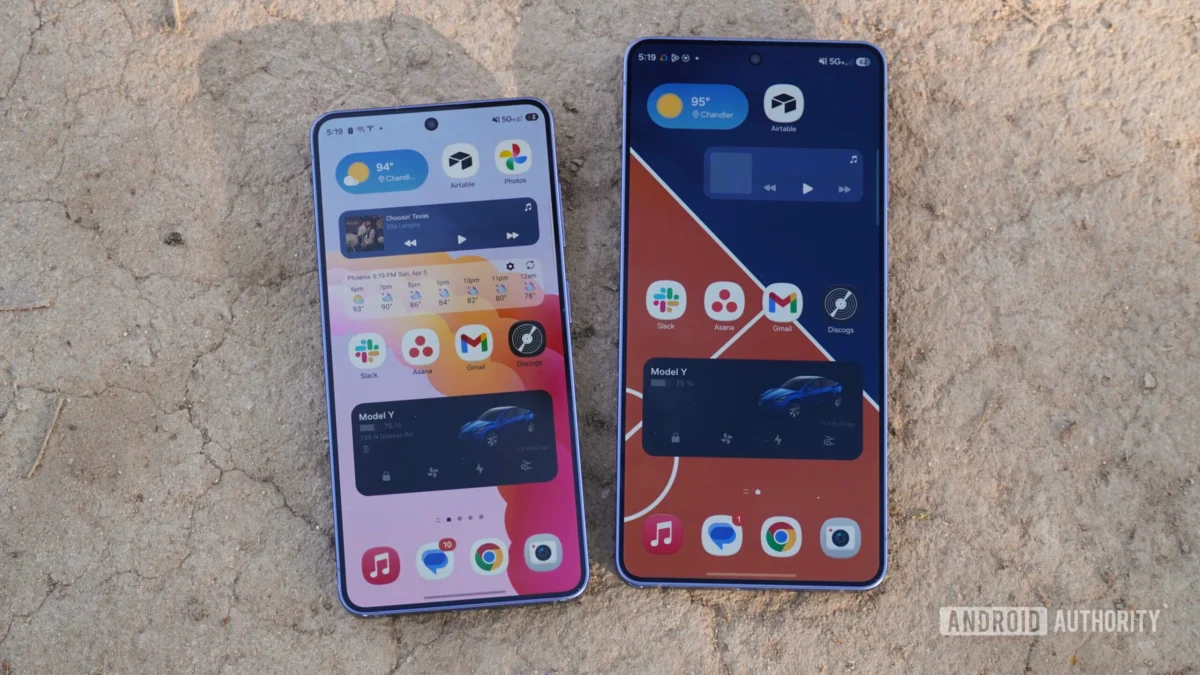
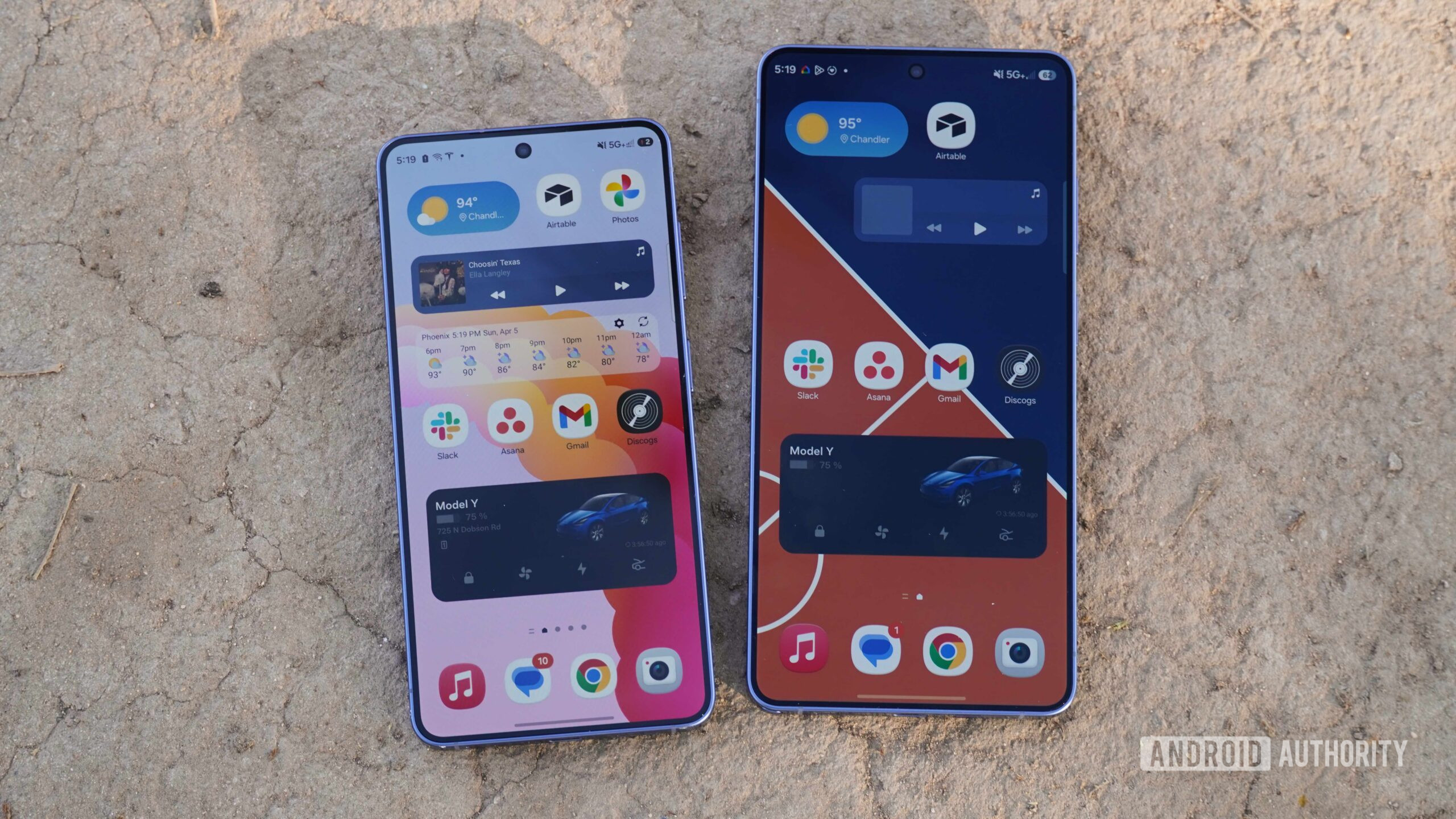
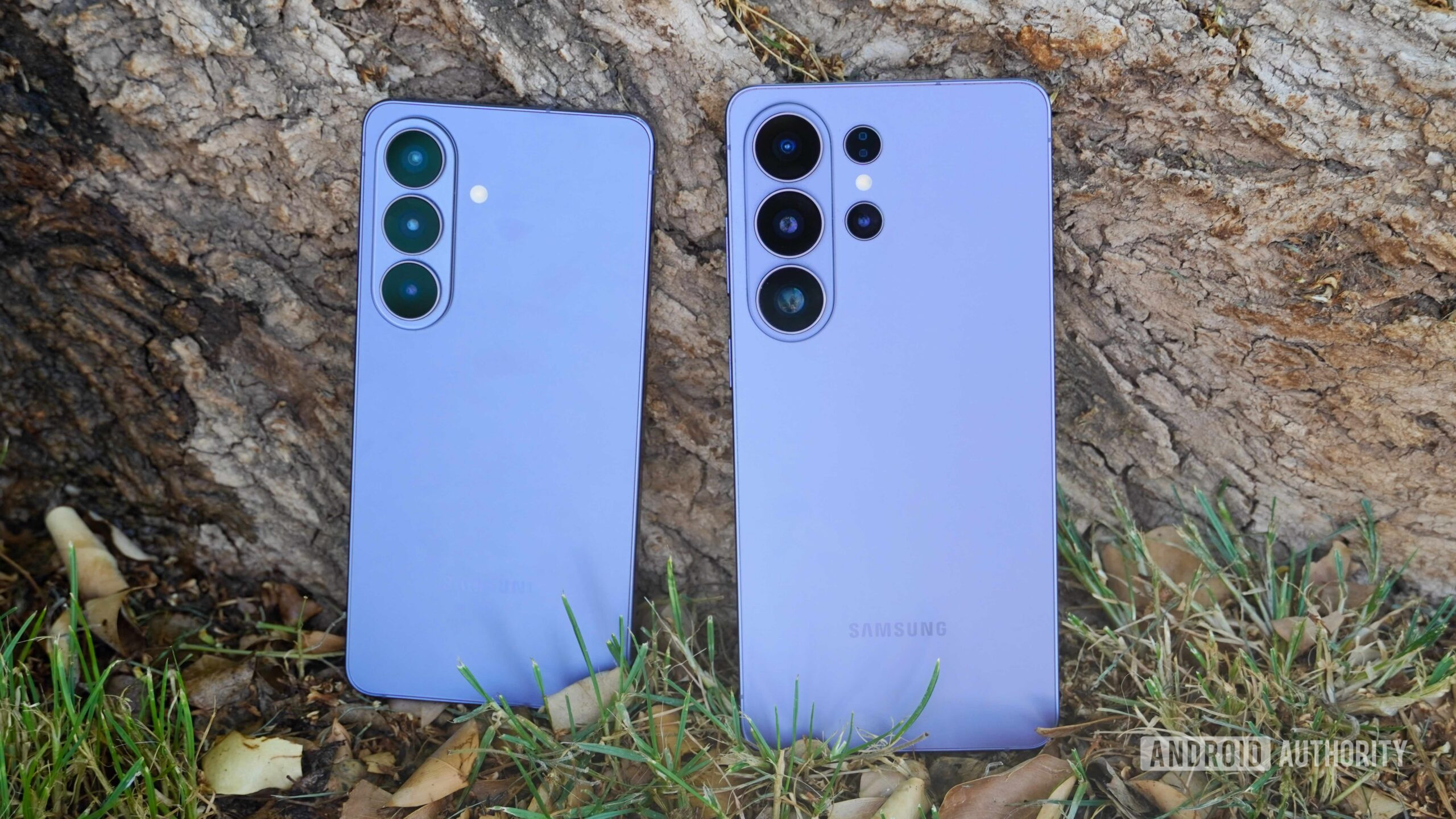
For years, the smartphone industry has followed a predictable cadence: manufacturers release a standard flagship and a "Pro" or "Ultra" variant, with the latter primarily serving as a repository for larger screens and slightly better camera hardware. As someone who has historically gravitated toward compact, lightweight handsets—having personally invested in the streamlined profiles of the Galaxy S25 Edge and the iPhone Air—I have spent years avoiding the oversized "Ultra" category. Yet, after spending several weeks putting both the 6.3-inch Galaxy S26 and the 6.9-inch Galaxy S26 Ultra through their paces, the landscape has shifted. For the first time, the delta between the base model and the flagship Ultra has widened to such an extent that the price gap is not merely a premium; it is a fundamental indicator of longevity and utility.
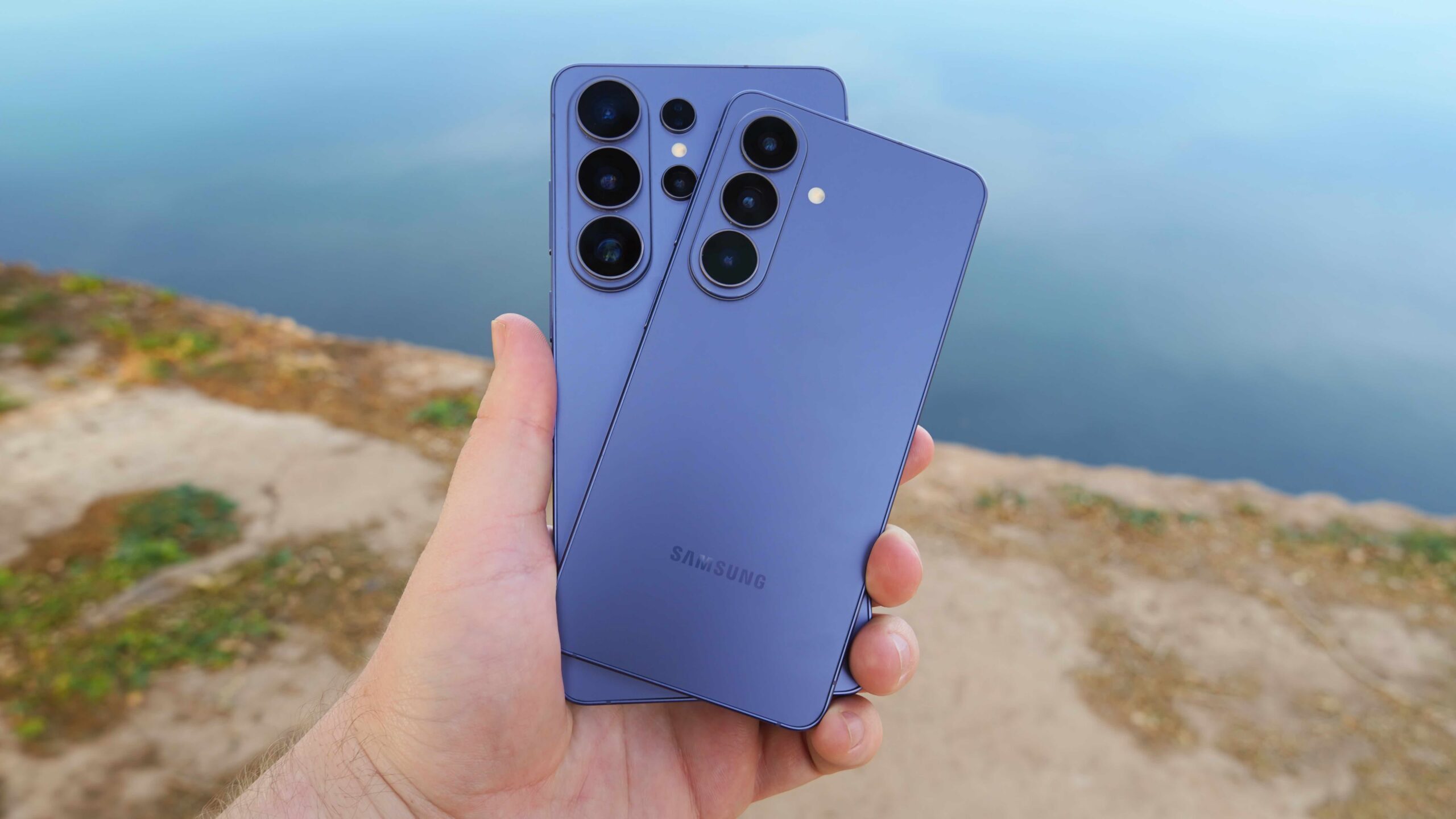
The Galaxy S26 and S26 Ultra share the same internal heart—the potent Snapdragon 8 Elite Gen 5 chipset—and operate within the same One UI 8.5 ecosystem. However, beneath this shared silicon lie two devices moving in opposite directions. While the base S26 feels like a stagnant iteration of its predecessor, the S26 Ultra has successfully redefined what a large-format device can be, effectively justifying its $1,300 price tag through structural refinement and feature exclusivity.
The Ergonomics of Innovation
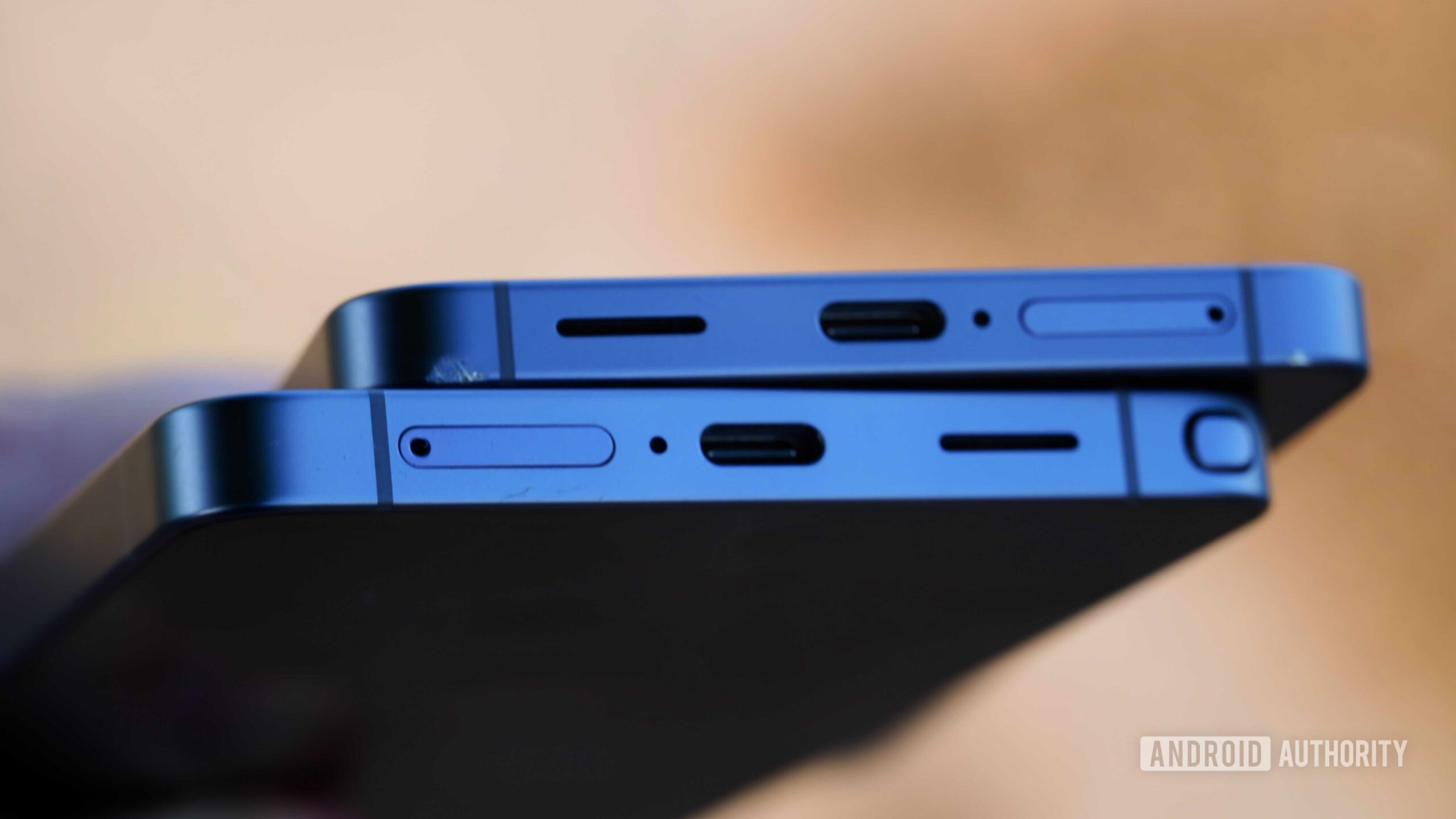
The common critique of "Ultra" phones is their bulk, which often makes them cumbersome for one-handed operation. Surprisingly, Samsung has managed a feat of engineering that makes the S26 Ultra feel deceptively manageable. Despite its expansive 6.9-inch footprint, the device maintains a slim 7.9mm profile and weighs in at just 214 grams. When compared against the current market competition—such as the Pixel 10 Pro XL (8.5mm, 232g) and the iPhone 17 Pro Max (8.8mm, 233g)—the S26 Ultra feels remarkably light. This isn’t just a marketing metric; it directly impacts daily usability, reducing the "burden" factor often associated with premium phablets.
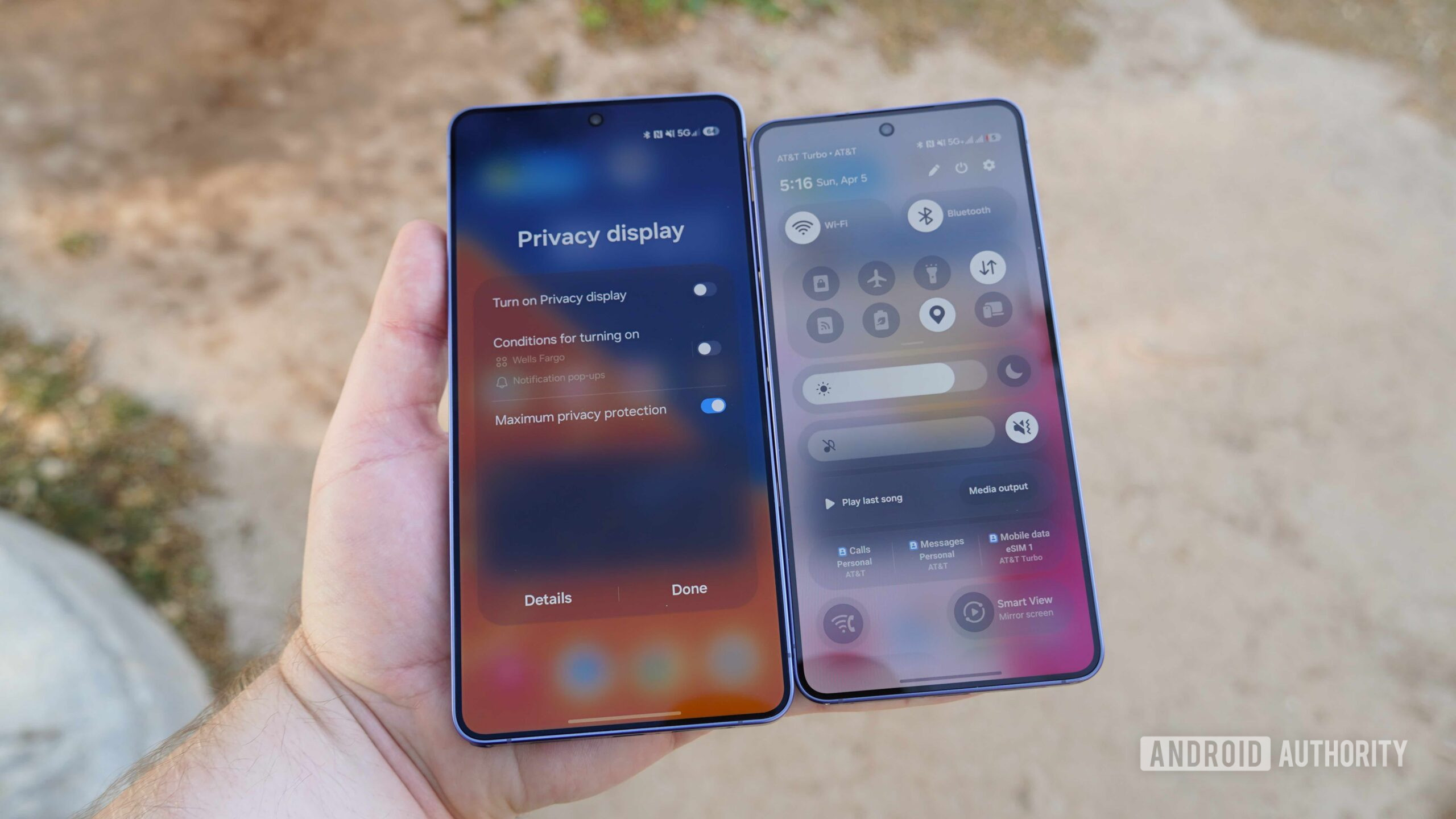
However, the real showstopper is the display technology. Samsung has introduced the Flex Magic Pixel OLED panel, which enables a proprietary Privacy Display feature. In an era where digital security and visual privacy are becoming paramount, this is not just a gimmick. Having tested the device in crowded subway cars, busy airports, and packed stadiums, I found the ability to electronically restrict viewing angles—effectively rendering the screen unreadable to anyone but the user—to be a transformative experience. While purists might argue that this panel slightly compromises off-angle brightness or absolute sharpness compared to a traditional, uninhibited OLED, the trade-off is negligible. In practice, the added peace of mind outweighs the marginal loss in peak visual fidelity.
A Study in Strategic Downgrades
Conversely, the base Galaxy S26 suffers from a series of "puzzling downgrades" that suggest a lack of vision for the device’s future. The most glaring issue is the display resolution. By opting for a standard FHD+ panel, the base S26 is effectively locked out of ProScaler, Samsung’s latest AI-driven visual enhancement suite. This creates an immediate divide in the user experience: the S26 Ultra feels like a forward-looking tool, while the base S26 feels like a legacy device packaged in a modern chassis.
The hardware discrepancies extend deep into the machine’s architecture. While both models utilize the same processor, only the Ultra benefits from a redesigned, high-efficiency vapor chamber. This is not merely an "enthusiast" feature; it is vital for thermal management. During heavy tasks—such as sustained gaming or long-form video editing—the S26 Ultra maintains peak performance, whereas the base model’s thermal envelope is significantly more constrained.
More concerning is the degradation of connectivity. In a bizarre move, Samsung removed the mmWave 5G antenna from the base S26, a feature present in the S25. Furthermore, the absence of an ultra-wideband (UWB) chip and the omission of Bluetooth 6 support—keeping the base model on the older Bluetooth 5.4 standard—renders the phone less future-proof. When we consider that Samsung is promising seven years of software support, these hardware gaps become critical. It is difficult to justify a device that is already missing foundational connectivity features on day one, particularly when those features are expected to become the industry baseline within the next two years.
The Camera Paradox
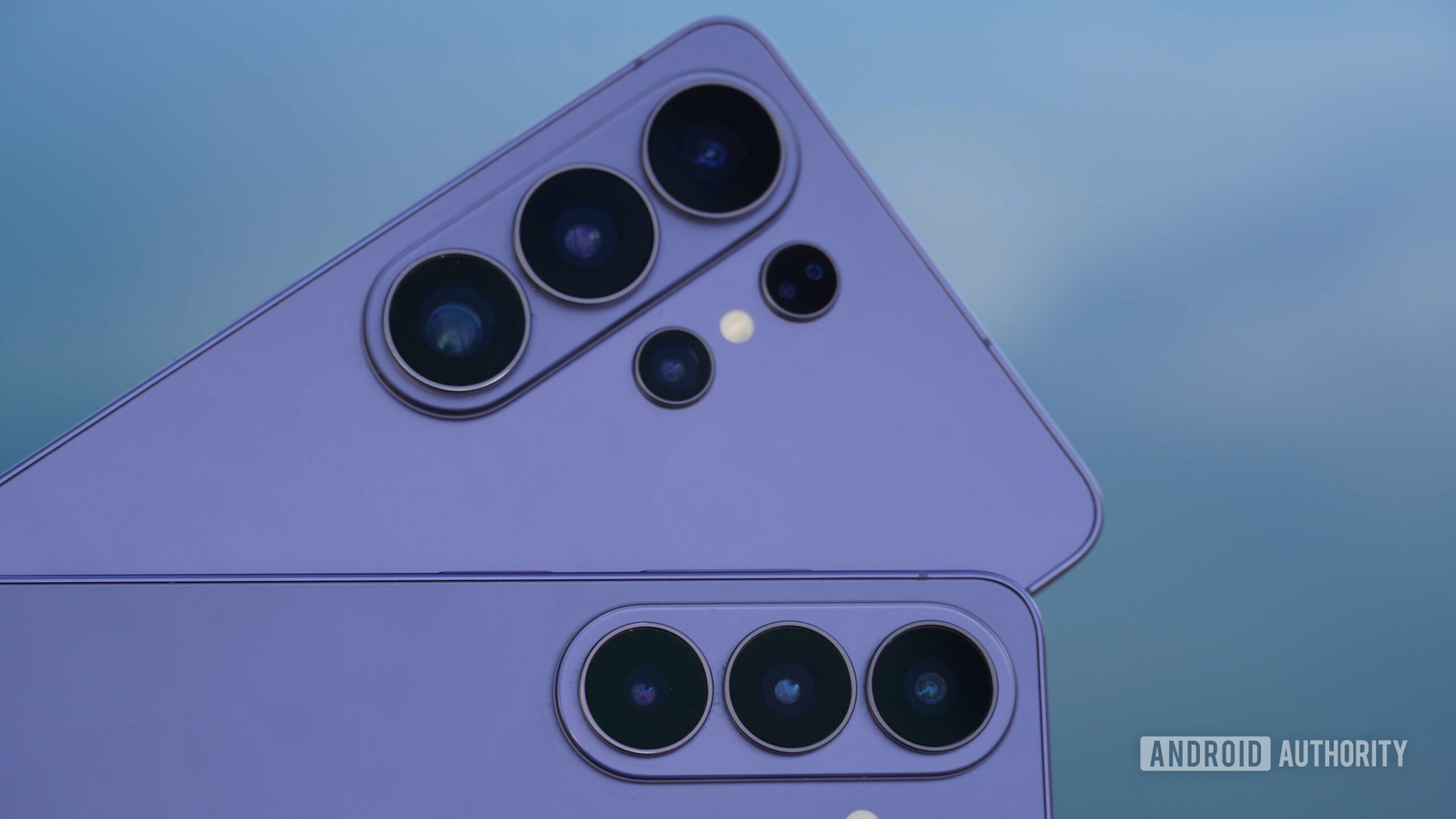
Imaging has long been the primary battleground for smartphone dominance, and here, the chasm between the two devices is at its widest. The S26 Ultra features a sophisticated 200MP primary sensor and a 50MP telephoto lens utilizing the new All Lenses on Prism (ALoP) design. These components, coupled with larger apertures, allow for a level of detail and low-light performance that is genuinely class-leading.
The disappointment lies with the base S26. Samsung has opted to keep the same rear camera array that was found on the S22. While it is true that modern computational photography and updated image signal processing (ISP) can squeeze more life out of older sensors—and the new 24MP intermediate capture mode is a welcome addition—it cannot replicate the raw physical capabilities of the Ultra’s hardware. The 10MP telephoto lens, in particular, feels like a relic. It is simply unable to compete with the zoom lengths and clarity offered by current flagship standards. For a consumer looking to keep their device for half a decade, this reliance on three-year-old camera hardware is a significant drawback.
The Charging Divide
Perhaps the most visceral difference in daily life is the charging experience. The North American market has long lagged behind global standards for wired charging, but the S26 Ultra finally breaks this trend with 60W support. In our testing, the Ultra went from a dead battery to a full charge in just 42 minutes. This speed fundamentally changes how you interact with your phone; a quick top-up during a short break is enough to carry you through the rest of the day.
The base S26, meanwhile, is stuck at a sluggish 25W. A 30-minute charge on the base model only recovers about 55% of the battery, a metric that feels archaic in 2026. Coupled with the fact that the smaller 4,300mAh battery in the base model requires more frequent charging, the user experience becomes an exercise in frustration. The lack of integrated Qi2 magnetic charging on both models remains a missed opportunity, but the disparity in wired speeds makes the S26 Ultra the clear winner for any power user.
Conclusion: The Value Proposition
It is tempting to view the $1,300 price point of the Galaxy S26 Ultra as excessive, especially when inflation and component costs are driving up the entry-level market. However, value is not defined solely by the sticker price; it is defined by utility and longevity. While the S26 Ultra has maintained its price point, the base S26 and S26 Plus have seen price hikes of $100 this year, further eroding their value proposition.
When you weigh the cutting-edge display technology, the thermal efficiency, the modern connectivity, the superior camera hardware, and the vastly improved charging speeds, the S26 Ultra is not just the most expensive option—it is the only one that feels like a complete, 2026-ready flagship. The base S26 is a device designed for the present, while the S26 Ultra is built for the coming years. For those who prioritize a smaller or more budget-conscious phone, the current S26 lineup offers little to get excited about. We can only hope that Samsung’s trajectory shifts with the S27 series; for now, if you are looking to invest in a Samsung flagship, the path of least resistance—and highest reward—is clearly the Ultra.
