

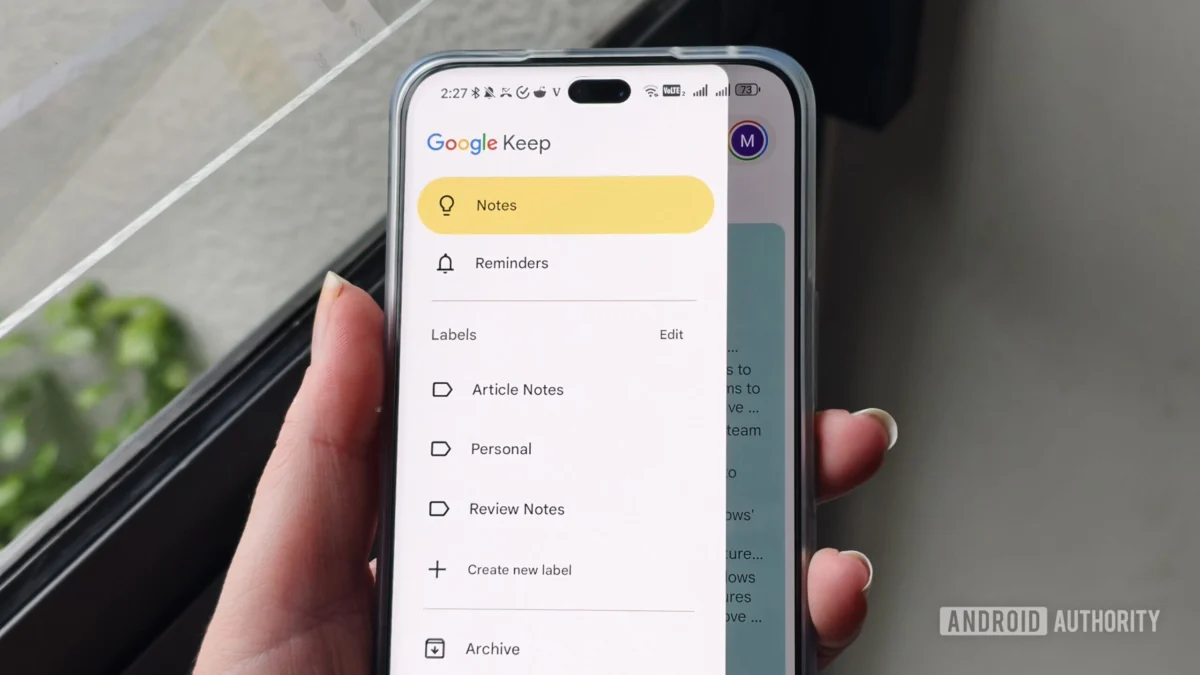
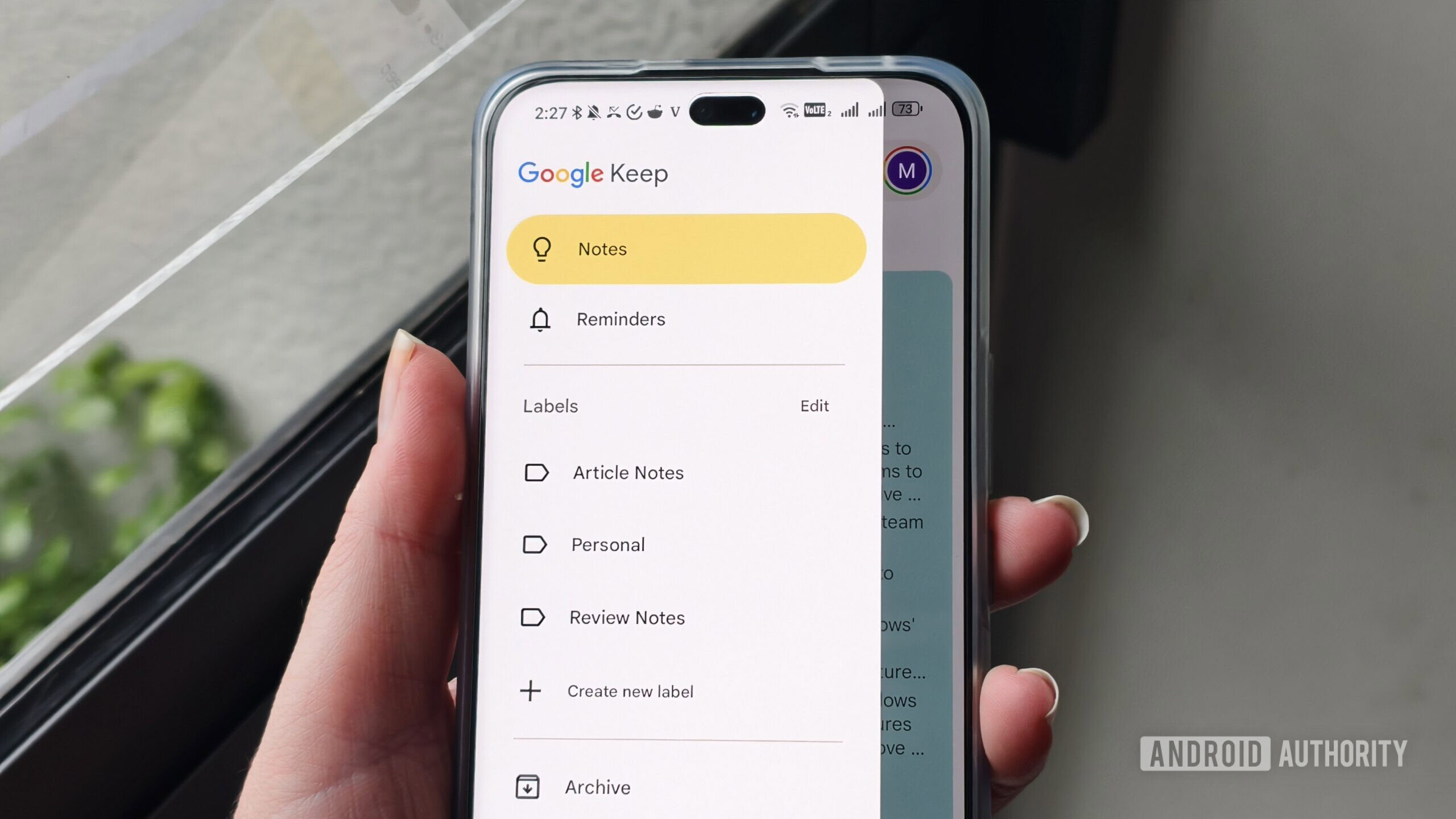
In an era where digital ecosystems are increasingly dominated by data-hungry conglomerates, the convenience of ubiquitous cloud-synced applications often comes with a hidden, high-stakes price tag: the erosion of personal privacy. Google Keep, while undeniably slick, intuitive, and seamlessly integrated into the Android experience, serves as a quintessential example of this trade-off. While users appreciate its speed and accessibility, it is crucial to recognize that "free" tools operated by massive advertising-driven corporations are rarely private. When you entrust your deepest thoughts, sensitive task lists, and professional drafts to such platforms, you are effectively granting the provider full access to your data.
This reality extends far beyond the surface-level fear of a malicious actor breaching an account. The genuine concern lies in the architecture of these services. Even with robust two-factor authentication, the data resides on corporate servers where the service provider retains the keys. This means the company can, and will, comply with government subpoenas or legal requests for your information. Furthermore, these platforms often employ automated scanning—sometimes for benign purposes like spam detection or feature optimization, but increasingly for profiling and advertising analytics. For users who prioritize digital sovereignty, the time has come to transition toward platforms that employ zero-knowledge encryption and local-first data architecture.
The Shift Toward Local-First Computing
The industry is currently witnessing a paradigm shift back toward local-first software. This philosophy prioritizes the user’s ownership of their files, ensuring that data is stored directly on the device rather than exclusively on a remote server. This approach not only enhances privacy but also ensures that applications remain functional offline, providing a snappier, more reliable user experience that doesn’t rely on constant server connectivity.
1. Obsidian: The Power of Personal Knowledge Management
For those looking for a robust replacement, Obsidian stands out as the gold standard for users who want complete control. Unlike Keep, which forces you into a proprietary cloud, Obsidian treats your notes as simple Markdown files stored locally on your device. This is the cornerstone of its privacy model: if the files are on your hard drive, they are yours alone.
The beauty of Obsidian lies in its extensibility. While it can function as a straightforward, minimalist scratchpad, it is capable of evolving into a sophisticated "second brain" through the use of backlinking, graph views, and an extensive library of community plugins. For users who require multi-device synchronization, Obsidian offers an encrypted sync service. Because they utilize end-to-end encryption, even the developers cannot decrypt your data on their servers. While the learning curve is steeper than a standard mobile app, the trade-off is a level of customization and security that is fundamentally unmatched by mainstream alternatives.
2. Notesnook: Balancing Simplicity with Security
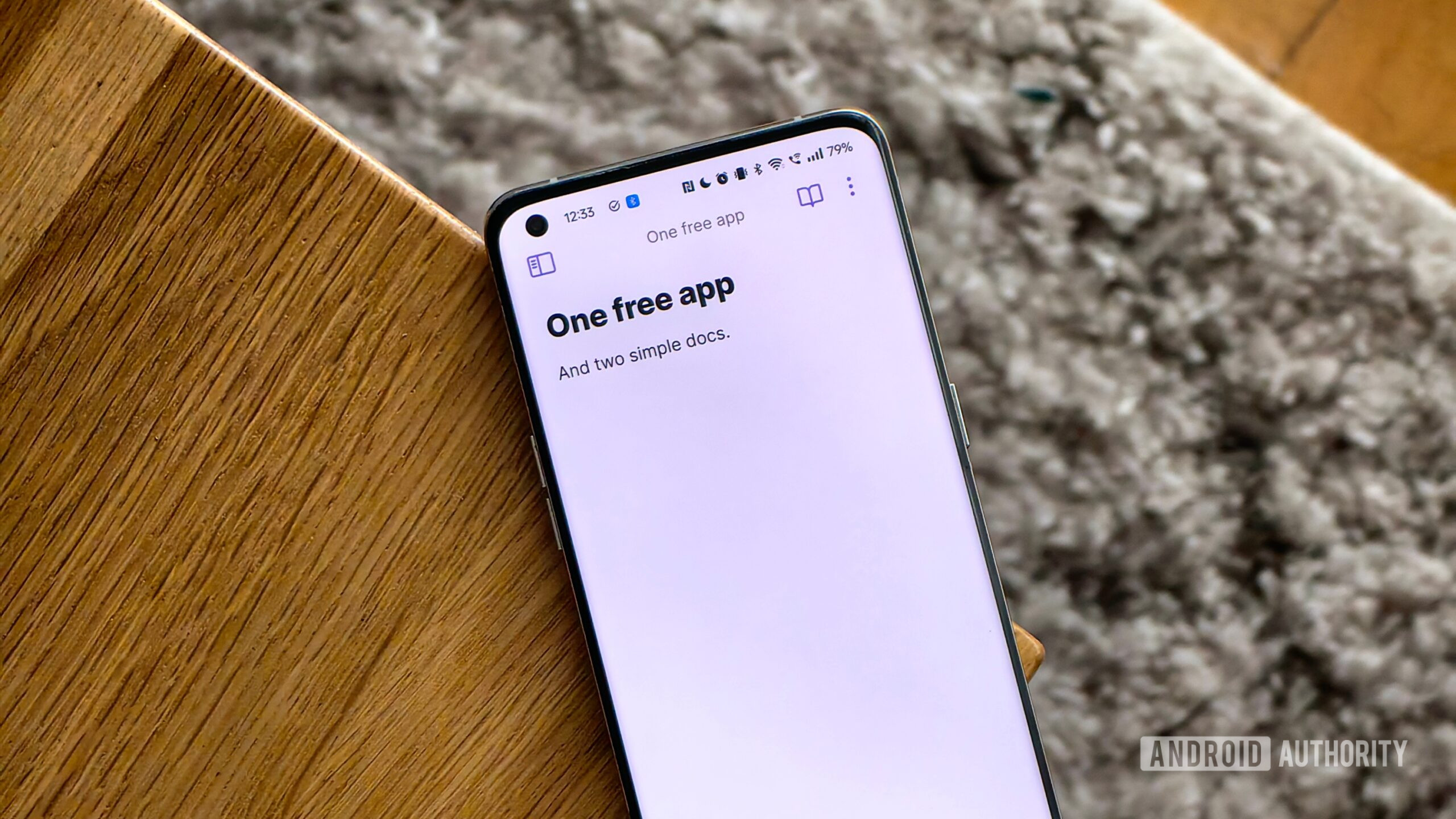
If the complexity of Obsidian feels like overkill, Notesnook offers a compelling middle ground. It maintains a user interface that feels familiar and accessible, closely mirroring the ease of use found in traditional note-taking apps. However, under the hood, it operates on a fundamentally different set of principles. Notesnook is built from the ground up with end-to-end encryption as a default state.
The open-source nature of the project is a significant advantage, allowing for public auditing of its security claims. It avoids the "data harvesting" model entirely, relying on a subscription model to sustain development. By separating the service provider from the data, Notesnook ensures that your sensitive information—be it financial records or personal journals—remains completely invisible to anyone but you. It is a pragmatic choice for those who want the convenience of cloud sync without sacrificing the security of zero-knowledge architecture.
3. Standard Notes: The Institutional Grade Standard
Acquired by Proton—a company synonymous with privacy-first tech—Standard Notes has cemented its reputation as a fortress for your text. It is intentionally designed to be utilitarian and distraction-free. While it may lack the flashy animations or modern aesthetic flourishes of its competitors, its strength lies in its uncompromising security posture.
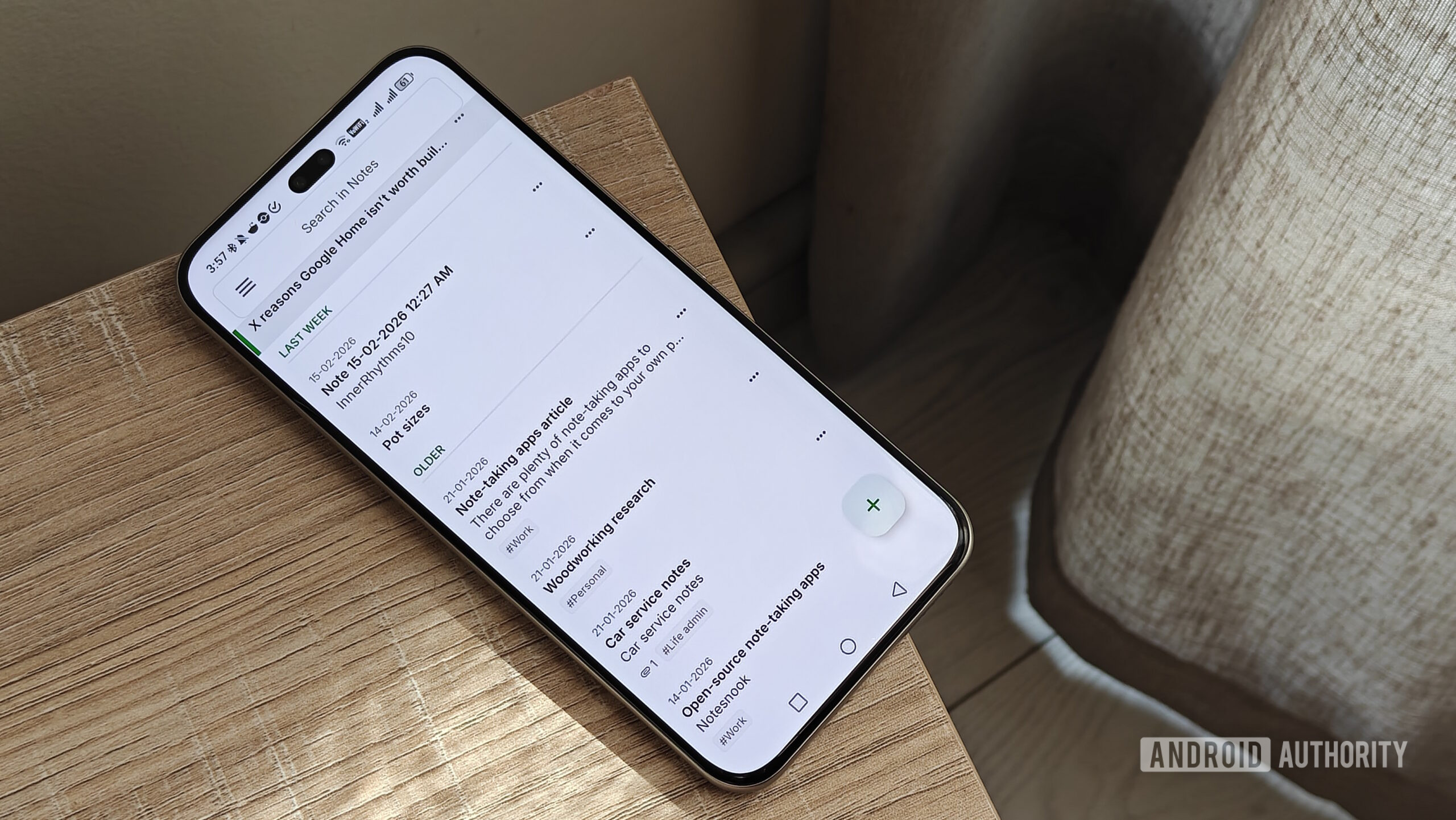
Standard Notes is designed for users who want to "set it and forget it." With features like app-level locking, secondary passwords for specific folders, and robust end-to-end encryption, it is tailored for professionals handling sensitive data. Although its pricing tiers are higher than some boutique apps, for those already entrenched in the broader private ecosystem, the integration and peace of mind it provides are invaluable. It represents a mature approach to software where longevity and security take precedence over iterative UI redesigns.
4. Justnote: The Lightweight Privacy Advocate
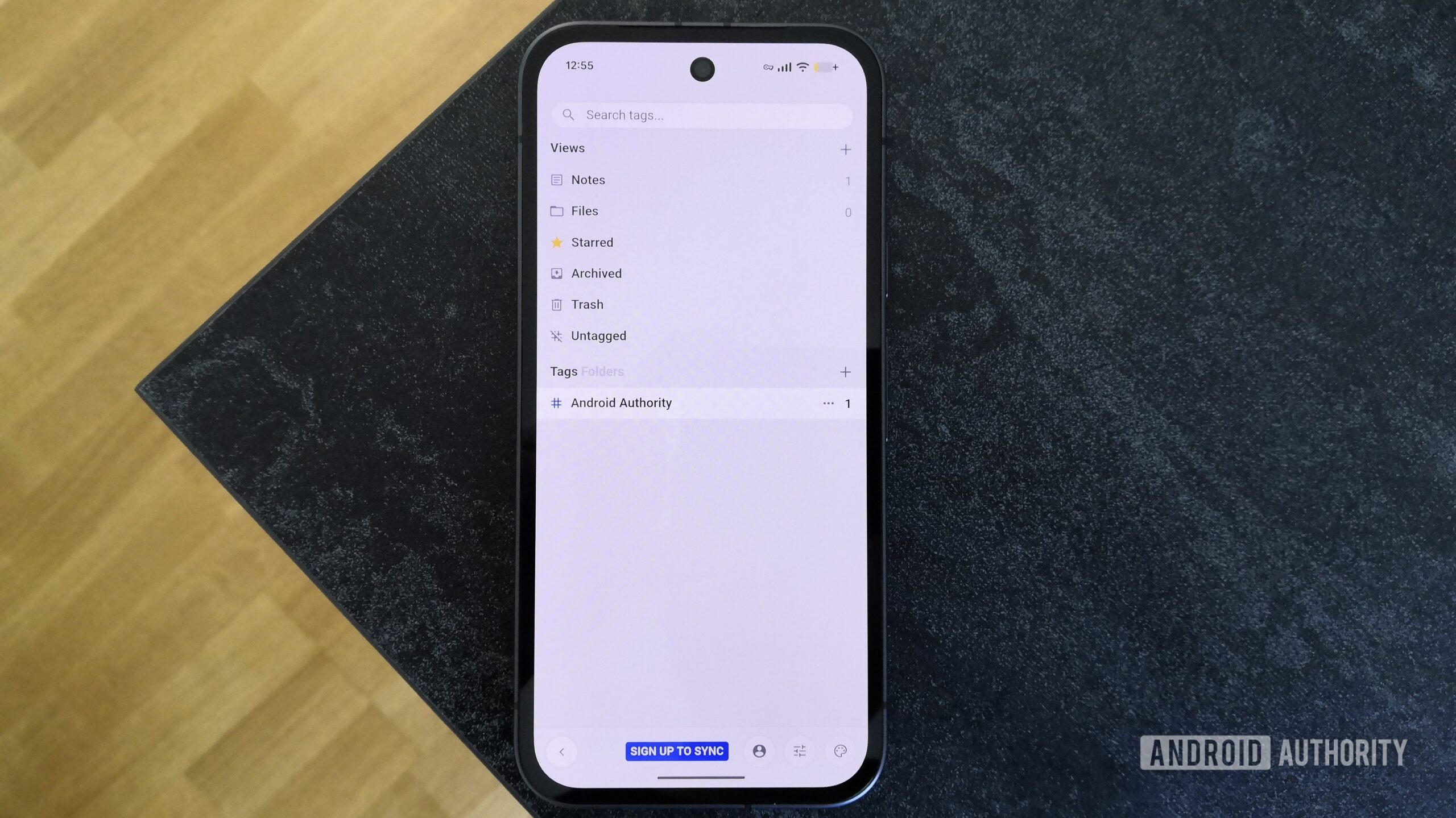
Sometimes, you don’t need a knowledge graph or a complex management suite; you just need a place to jot down a quick thought. Justnote fills this niche perfectly, offering a lean, performant, and privacy-centric alternative to the bloated applications that currently dominate the mobile space.
The primary industry implication of an app like Justnote is that it proves privacy does not have to be an expensive or complicated feature. By stripping away unnecessary telemetry and focusing on simple, encrypted storage, it provides a sanctuary for users who are weary of the automated account flags and intrusive monitoring common in larger tech ecosystems. It serves as a reminder that the best tool for the job is often the one that does the least to get in your way.
5. Anytype: The Hybrid Evolution
Anytype represents the future of the note-taking category, blending the visual, block-based organization of modern tools with the privacy-first architecture of local-first software. It is a true hybrid; it stores data locally on your device while offering a secure, encrypted peer-to-peer syncing mechanism.
Anytype is built on the concept of "objects," allowing you to define your own data structures. This makes it incredibly powerful for project management, research, and long-term planning. Because it is decentralized and encrypted, the data remains yours regardless of the company’s future. It addresses the "Notion dilemma," where users want powerful features without the accompanying lack of privacy.
The Future of Digital Privacy
The movement away from platforms like Google Keep is part of a larger, necessary reckoning within the technology industry. For years, users accepted a bargain: high-quality software in exchange for personal data. As the risks of data leaks, targeted advertising, and potential account locking become more apparent, the "privacy-by-design" movement is gaining significant momentum.
When choosing your next note-taking home, consider the long-term implications. Ask yourself: If this company were to disappear tomorrow, would I still have access to my data? Can I export my notes into a universal format like plain text or Markdown? Does the service provider have the ability to view my content?
The transition away from legacy cloud-only apps is not just about changing your software; it is about changing your relationship with your digital footprint. By investing in tools that prioritize encryption, local ownership, and transparency, you are participating in a growing ecosystem that values the user as a customer rather than a product. Whether you opt for the complexity of Obsidian or the simplicity of Justnote, the most important step is taking back the keys to your own information. The digital landscape is shifting, and the power to decide who sees your private thoughts is finally moving back into your hands.
