

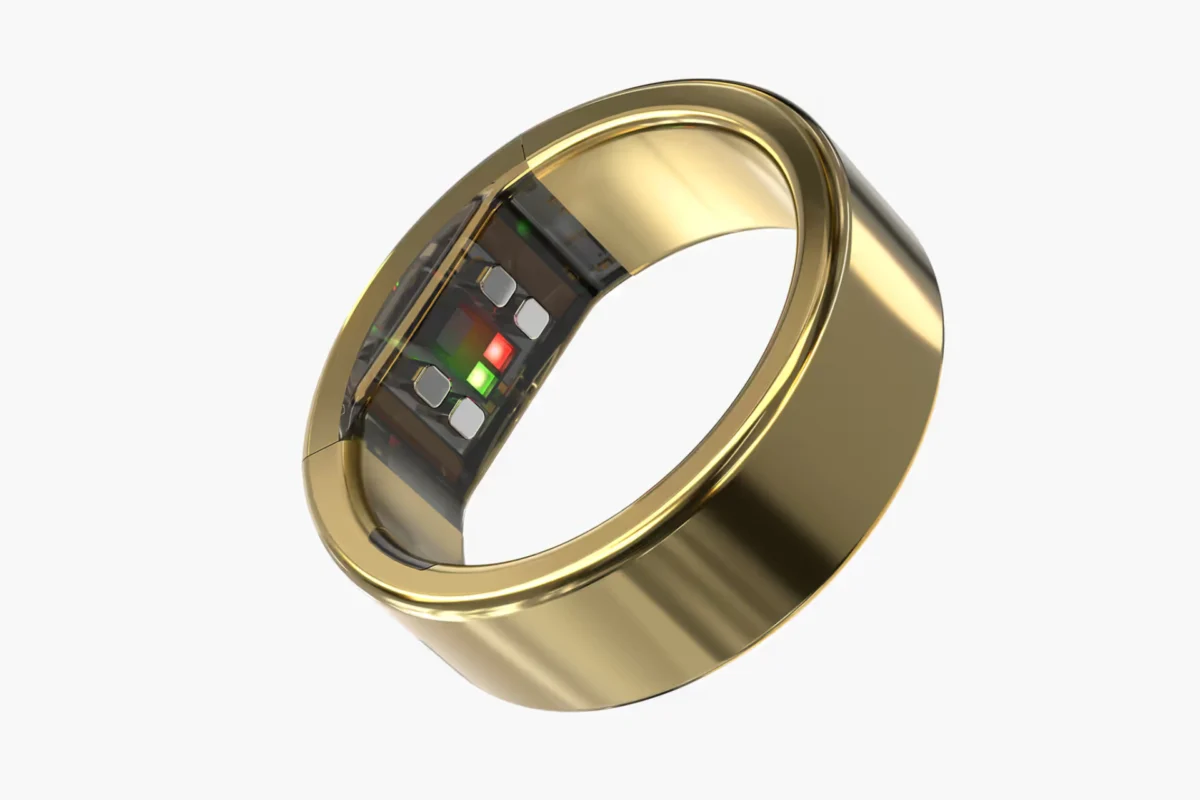
The global wearable technology sector is currently witnessing a high-stakes game of corporate chess, centered on the most intimate of form factors: the smart ring. At the heart of this confrontation is Ultrahuman, a Bengaluru-headquartered health-tech firm, which has recently secured a pivotal regulatory victory that could alter the trajectory of the industry. Following a period of enforced absence from the United States market—a hiatus dictated by complex patent litigation and trade restrictions—Ultrahuman has received clearance from U.S. Customs and Border Protection to resume imports. This approval centers on the company’s latest flagship, the Ring Pro, a device engineered not only to push the boundaries of biometric tracking but also to navigate the treacherous legal waters that previously saw its predecessor effectively barred from American shores.
The stakes for this comeback could not be higher. The United States remains the undisputed epicenter of the smart ring economy. According to data from IDC, the U.S. market accounted for approximately 2.6 million units sold in 2025, representing a staggering 60% of the 4.4 million units moved globally. With a year-over-year growth rate of 59%, the region is the primary engine for revenue and brand prestige in the wearables space. For Ultrahuman, the temporary loss of this market was more than a logistical hurdle; it was a financial blow of significant proportions. CEO Mohit Kumar has indicated that the import restrictions resulted in up to $50 million in lost sales, as the company was unable to fulfill demand for its existing Ring Air model during a critical window of market expansion.
The catalyst for this disruption was an October ruling by the U.S. International Trade Commission (ITC) in favor of Oura, the Finnish pioneer that has long defined the smart ring category. Oura’s legal victory effectively curtailed the import of Ultrahuman’s earlier models, creating a vacuum that Oura was quick to fill. The impact on market share was immediate and dramatic. In early 2024, Ultrahuman held a respectable 11.5% of the U.S. market, a figure that surged to 24.6% by the second quarter of 2025. However, as the ITC-mandated restrictions took hold, Ultrahuman’s presence plummeted to low single digits by the end of that year. Conversely, Oura’s dominance solidified, with its market share climbing from 63.3% to a commanding 85%.
Ultrahuman’s strategy for reclamation hinges on the Ring Pro. While the company maintains that its previous Ring Air model did not infringe on Oura’s patents—a claim it continues to defend in federal court—the Ring Pro represents a proactive "design-around" strategy. The new device features a redesigned unibody metal structure, a departure from previous manufacturing processes that specifically addresses the points of contention in the patent dispute. This engineering pivot was dual-purpose: it provided a clean slate for legal clearance while allowing the company to introduce hardware upgrades that are essential for competing in an increasingly crowded premium segment.
Technologically, the Ring Pro is positioned as a significant leap forward. By moving toward a unibody construction, Ultrahuman has improved the device’s durability and aesthetic appeal, but the real innovations lie beneath the surface. The company has touted enhanced on-device processing capabilities, allowing for more sophisticated data analysis without constant reliance on a paired smartphone. Battery life, a perennial pain point for miniaturized wearables, has also seen improvements. These features are critical as the device tracks a comprehensive suite of biomarkers, including heart rate variability (HRV), peripheral oxygen saturation (SpO2), skin temperature, and detailed sleep architecture.
The financial model of the Ring Pro also reflects a competitive push. With a starting price of $399—and a promotional $349 price point for early adopters—Ultrahuman is positioning itself directly against Oura’s high-end offerings. However, the true differentiator may lie in the software ecosystem. While the industry has trended toward subscription-based models to ensure recurring revenue, Ultrahuman’s approach to data accessibility and integrated health coaching remains a core part of its value proposition to a user base that is increasingly wary of "subscription fatigue."

The demographic data surrounding Ultrahuman’s U.S. presence reveals a specific and lucrative niche. The American user base is notably female-centric, with women accounting for approximately 74% of the company’s users in the region. This is significantly higher than the global average of 68%. This skew suggests that the smart ring form factor is resonating more deeply with women than traditional wrist-based wearables, likely due to the intersection of jewelry aesthetics and specialized health tracking, such as menstrual cycle monitoring and pregnancy insights. For Ultrahuman, capturing this demographic is essential for regaining the 50% revenue share that the U.S. once provided at the company’s peak.
However, as Ultrahuman moves to retake the U.S., Oura is launching a counter-offensive on Ultrahuman’s home turf. The recent launch of the Oura Ring 4 in India marks the first time the Finnish giant has officially entered the Indian market. This move sets the stage for a global rivalry where the two leaders will compete in each other’s primary territories. The Indian market presents a different set of challenges; while it is a massive potential consumer base, the smart ring category there is still in its infancy. Shipments in India actually saw a 30.6% decline in 2025, a contraction attributed to the exit of several low-cost "repackagers" who failed to offer meaningful technological differentiation.
In India, Ultrahuman currently leads with a 30.4% market share, but the entry of a brand with Oura’s global recognition could disrupt this. The average selling price for smart rings in India has dropped to roughly $160, indicating a price-sensitive market that contrasts sharply with the premium-heavy U.S. landscape. Mohit Kumar has welcomed the competition, suggesting that Oura’s entry will help mature the category and increase general consumer awareness of smart rings as a viable alternative to smartwatches.
Looking toward the future, the smart ring market is entering a phase of rapid evolution. Industry analysts suggest that the current duopoly—or "dueling monopolies" in certain regions—may soon face pressure from even larger tech conglomerates. With Samsung’s entry into the space and persistent rumors of Apple’s interest in a ring-style wearable, startups like Ultrahuman and Oura must innovate beyond basic health tracking.
Ultrahuman has already signaled its intentions to diversify. Kumar has hinted at the development of a new wearable device focused on an entirely different biomarker, potentially moving into the realm of continuous glucose monitoring (CGM) or other metabolic health indicators that have yet to be successfully miniaturized into a ring format. The company’s focus on "the metabolic hull"—a holistic view of human health through various data points—suggests that the smart ring is merely the foundational piece of a larger bio-monitoring ecosystem.
The immediate challenge for Ultrahuman, however, remains operational. Rebuilding a supply chain and distribution network that was effectively mothballed in the U.S. for months is a massive undertaking. Kumar estimates it will take five to six months to reach full scale. During this time, the company must convince consumers that it is a stable, long-term player capable of navigating the legal complexities of the American market.
As shipping for the Ring Pro begins in mid-May, the industry will be watching closely. Ultrahuman’s ability to reclaim its lost 24% market share will serve as a case study in how hardware startups can survive aggressive patent litigation from dominant incumbents. If successful, Ultrahuman will not only have revived its business but will have also proven that in the world of high-tech wearables, a well-timed engineering pivot can be as powerful as a courtroom victory. The battle for the American finger is far from over; it has merely entered a more sophisticated, and more competitive, new chapter.
