

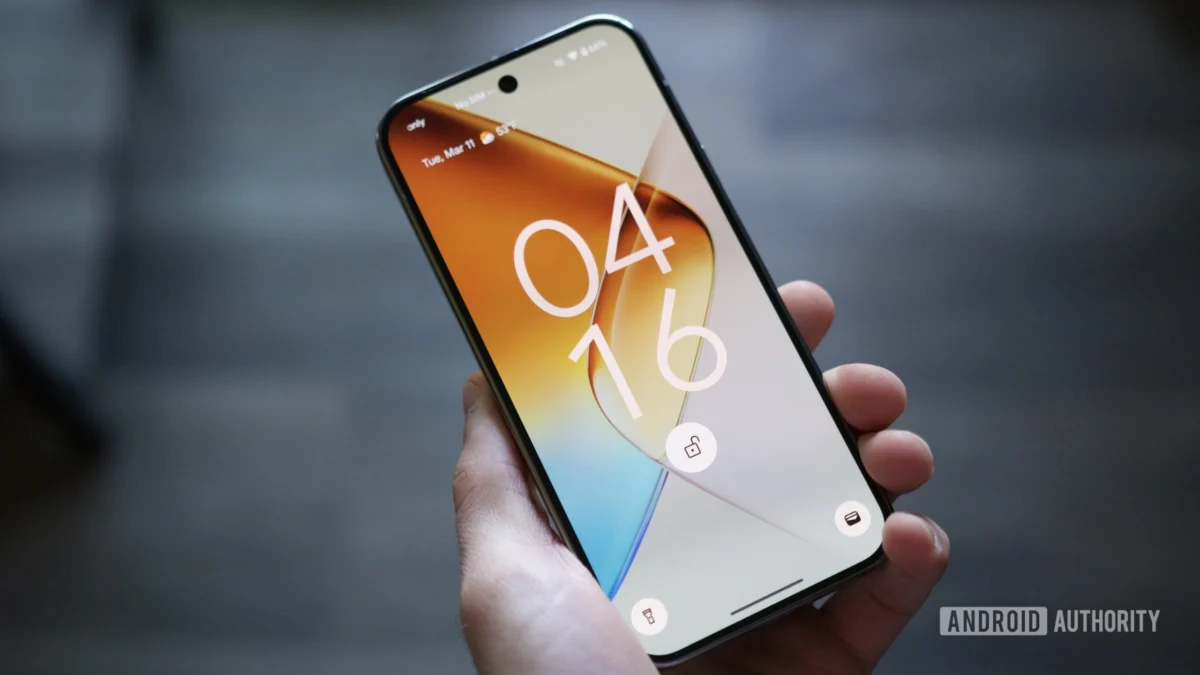
The digital ecosystem surrounding Google’s flagship Pixel smartphones is currently grappling with a significant, recurring stability challenge centered squarely on the device’s primary gateway: the lock screen. Fresh reports emerging in the wake of the March 2026 Pixel Drop and accompanying security update indicate a noticeable spike in user complaints detailing system freezes, particularly when the device is in its locked state or utilizing the Always-On Display (AoD) functionality. This situation is particularly concerning as it echoes a similar, high-profile incident that surfaced following the stable rollout of the Android 16 operating system late last year, suggesting a persistent vulnerability within the core user interface framework that Google is struggling to fully eradicate.
The scope of this reported instability appears to span several generations of Pixel hardware. Initial anecdotal evidence points toward the most recent flagships—the Pixel 10 series and the preceding Pixel 9 line—as primary victims. However, a broader spectrum of devices, including the mid-range Pixel 9a and even the venerable Pixel 8 Pro, are also registering these disruptive failures. This widespread impact across different tiers of hardware suggests the root cause is likely situated deep within the operating system or the specific proprietary adjustments Google has layered onto AOSP for the Pixel experience, rather than being isolated to a single chipset or memory configuration.
Users describe the experience with frustrating consistency. The device becomes unresponsive while displaying the lock screen, sometimes showing a partially rendered AoD—often described as a "fuzzy" lower section—that fails to refresh or respond to input. Crucially, standard interaction methods fail: screen taps yield haptic feedback, indicating the hardware is receiving the command, but the visual interface remains static. Even invoking the power button to launch the integrated Gemini assistant—a feature central to the modern Pixel experience—occurs in the background without any visual confirmation on the frozen display. The only recourse reported by affected owners is the often-disruptive hard reboot, requiring the simultaneous press of the power and volume-up buttons to force a system reset.
Contextualizing the Crisis: A Pattern of Lock Screen Vulnerabilities
To fully appreciate the implications of the March 2026 event, it is essential to frame it within the recent history of Pixel software deployment. The lock screen, serving as the nexus for notifications, security verification, and quick access to essential services, is arguably the most scrutinized element of any mobile OS. When it fails, user confidence erodes rapidly. Last year’s turbulence following the Android 16 launch underscored this fragility. That incident required Google to push an out-of-band hotfix, indicating a critical failure in pre-release quality assurance.
The recurrence of a functionally identical issue just months later suggests that the previous fix may have been a targeted patch rather than a systemic overhaul. Software development, particularly for complex, heavily customized interfaces like the Pixel Launcher environment, often involves intricate dependencies. A fix applied to address one specific sequence of state changes (e.g., AOD transition to full lock screen) might inadvertently introduce regressions in another related state change pathway, which may only be triggered under specific conditions—conditions users are now encountering post-March update.
Furthermore, the timing is significant. The March update is not merely a monthly security patch; it is the quarterly "Pixel Drop," typically laden with new feature integrations designed to showcase the unique selling propositions of the Pixel line. When a core stability function is compromised by the introduction of new features, it creates a negative feedback loop where users associate innovation with increased risk of breakage.
Expert Analysis: Deep Dive into Potential Root Causes
From a systems architecture perspective, lock screen freezing often points toward bottlenecks in three key areas: display rendering pipelines, memory management related to persistent state preservation (like AoD), or security/biometric service integration.
-
Display Rendering Thread Deadlocks: The transition between the ultra-low-power AoD state and the fully active lock screen requires rapid context switching in the graphics pipeline. If the March update introduced changes affecting GPU scheduling or memory allocation for rendering surfaces, a deadlock could occur where the system waits indefinitely for a resource to free up, resulting in a perceived freeze. The fact that haptic feedback persists suggests the main application processor is still running, but the display server thread is stalled.
-
SystemUI Resource Contention: The lock screen environment is managed by the SystemUI process. This process aggregates data from notification services, the time service, security services (like face unlock or fingerprint readers), and, increasingly, AI integration points like Gemini access. If a new widget or visual element introduced in the March Drop is aggressively querying an API or suffering from a memory leak within this critical process, it can starve the entire UI thread. The "fuzzy" display mentioned by some users strongly suggests a partial failure in the buffer swap or compositing stage of the rendering process.
-
Background Service Interference: The mention of rollback to the February update working suggests the issue lies in code introduced in the March build. If this update modified how background services synchronize with the foreground UI state—perhaps related to new battery optimization routines or background connectivity checks—a rogue service could be sending conflicting state change commands to the lock screen handler, leading to the observed hang.
The attempted workaround involving Play System updates—which handles core Google Play Services and underlying Android framework components—suggests users are grasping at standard escalation paths. The failure of this to resolve the issue for many reinforces the conclusion that the flaw is likely embedded within the main device firmware partition (the core OS image) delivered via the Pixel Drop itself, rather than the dynamically updateable Play Services layer.
Industry Implications: Trust and Differentiation
For Google, these recurring stability issues present a significant hurdle in its long-term strategy to differentiate the Pixel line from the broader Android ecosystem. The core value proposition of a Pixel device—beyond hardware innovation—is positioned as the purest, most optimized, and earliest access to Google’s vision for Android. When the user experience is marred by fundamental instability, this promise rings hollow.
In the highly competitive premium smartphone market, where iterative hardware improvements are common, software stability and feature reliability are critical differentiators. Samsung, Apple, and even Chinese manufacturers have invested heavily in robust OS layers. A pattern of lock screen failures, especially when mirroring previous bugs, signals potential weaknesses in Google’s internal quality assurance (QA) and beta testing pipelines for proprietary software features. It suggests a gap between developer builds and real-world usage scenarios that only widespread public deployment seems to uncover.
This instability also impacts developer confidence. If core system components like the lock screen are prone to breaking with monthly updates, third-party developers building custom lock screen widgets, security applications, or alternative launchers face an unpredictable development environment, potentially leading to slower innovation in those areas or increased fragmentation of the user experience.
Navigating the Immediate Future: Remediation and Trends
Google’s official acknowledgment via its Pixel Community liaison is a positive first step, indicating internal tracking of the problem. Historically, when such critical bugs are confirmed, Google favors an over-the-air (OTA) fix delivered outside the standard monthly cadence. This rapid response mechanism, demonstrated after the Android 16 incident, is the likely trajectory here. Users should expect an emergency patch, perhaps designated as a "March Hotfix" or an accelerated April security release focused exclusively on resolving this lock screen instability.
The trend moving forward will likely involve Google intensifying its closed and open beta programs. Greater emphasis may be placed on stress-testing specific, high-interaction UI layers like the lock screen and AoD during these pre-release phases. We might see a temporary deceleration in the pace of new, complex features introduced in Pixel Drops if stability concerns continue to mount, prioritizing foundational reliability over feature velocity.
For current users, the only reliable mitigation appears to be the drastic measure of manually downgrading the firmware to the stable February 2026 build (BP4A.260205.001.A1), although this process is complex, requires technical proficiency, and wipes user data—a solution unacceptable for the average consumer. Until an official patch arrives, users are essentially relegated to hoping their usage patterns do not trigger the specific software state that induces the freeze, or adopting the inconvenience of a daily forced reboot cycle.
The current situation serves as a stark reminder that even for the creators of the operating system, maintaining seamless, high-performance user interfaces across a diverse hardware portfolio remains one of the most complex engineering challenges in modern mobile technology. The coming weeks will be telling, as the speed and transparency of Google’s response will directly influence consumer perception of the Pixel platform’s maturity. The expectation is clear: the fundamental gateway to the device must be impervious to software updates.
