

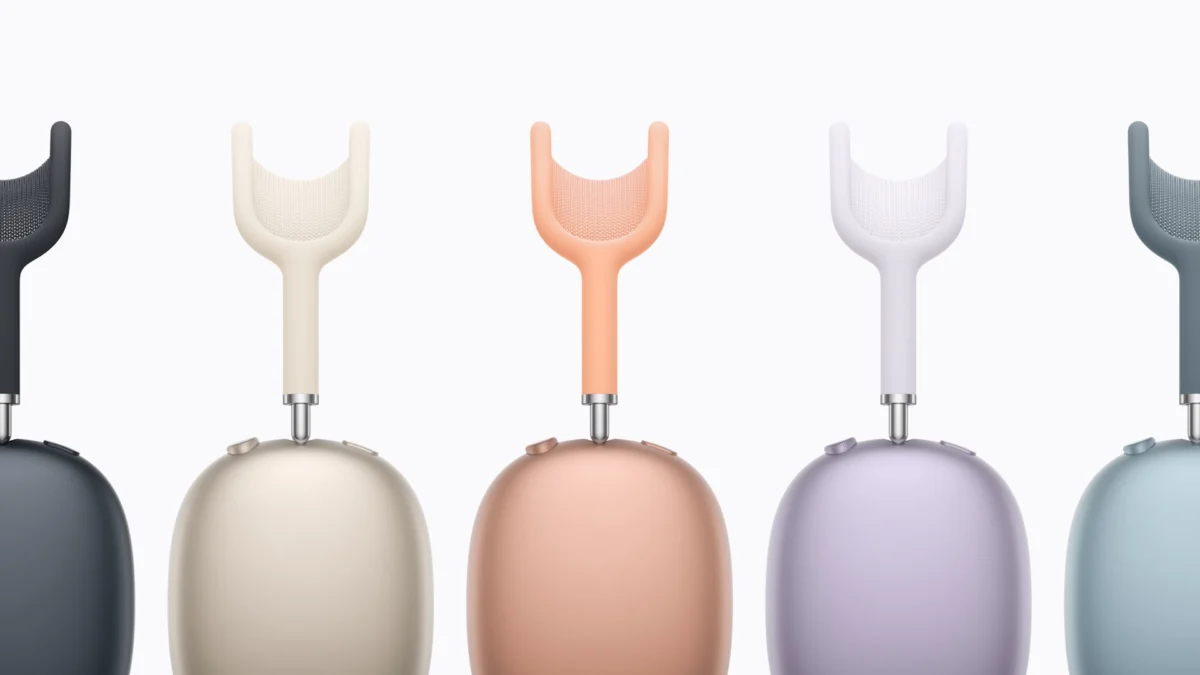
Apple’s recent cadence of product introductions, including the anticipated MacBook Neo and the younger-skewing iPhone 17e, suggests a broad strategic maneuver across its hardware portfolio. Capping this flurry of activity is the unexpected unveiling of the AirPods Max 2, an over-ear headphone refresh that fundamentally upgrades the original’s internal architecture by incorporating the powerful Apple H2 chip. This move is significant, not merely as an iterative update, but as a clear declaration of intent in the fiercely competitive high-end audio market, particularly against established rivals like Sony’s forthcoming WH-1000XM6.
The arrival of the AirPods Max 2 arrives more than five years after the debut of the original over-ear model, and roughly eighteen months following the necessary USB-C port migration. Stripped down to its core components, the physical design appears to retain the celebrated—if somewhat polarizing—aesthetic of its predecessor. However, the internal substitution of the processing unit is the crucial differentiator. By migrating the H2 chip, first seen in the AirPods Pro 2 in 2022, Apple is retroactively bringing a suite of advanced features to the Max line that have long been standard in its premium true wireless earbuds.
This H2 integration closes several critical feature gaps that plagued the original AirPods Max, transforming the device from a premium audio appliance into a truly modern, feature-complete competitor. Key capabilities now unlocked include vastly improved Adaptive Transparency mode, allowing users to hear environmental sounds while dynamically reducing harsh noises in real-time—a crucial safety and convenience feature in busy urban environments. Furthermore, the H2 chip facilitates enhanced personalized audio profiles, building on the foundation of Spatial Audio. This enables a more tailored acoustic experience, potentially mapping the user’s unique ear geometry more precisely for improved head-tracking fidelity and spatial placement of sound sources.
Beyond feature parity, the performance metrics related to noise cancellation have seen a substantial leap. Apple claims the AirPods Max 2 delivers an Active Noise Cancellation (ANC) efficacy that is 1.5 times greater than the first generation. This quantitative improvement suggests a dedicated effort to counter the industry-leading quietude offered by competitors. In the premium segment, ANC is often the primary deciding factor for frequent travelers and office workers; a 50% improvement, if verifiable in real-world testing, is a disruptive metric. Complementing this, the introduction of a new high-dynamic-range (HDR) amplifier promises audio output characterized by greater clarity, reduced distortion, and a wider dynamic range, aiming for a "cleaner" and more faithful reproduction of high-resolution source material.
Despite these internal advancements, Apple wisely retains several core attributes that cemented the original Max’s appeal among its dedicated user base. The capacity to process 24-bit, 48kHz lossless audio remains a unique selling point, contingent on a wired connection via the provided USB-C cable. This wired pathway is also the exclusive route to engaging the full implementation of Personalized Spatial Audio with precise head tracking—a feature that remains unmatched in the wireless headphone market when leveraged through Apple’s proprietary ecosystem. For mobile gamers or users prioritizing ultra-low latency, the wired connection also ensures reduced lag when utilizing the dedicated Game Mode across iOS, iPadOS, and macOS devices.
However, the preservation of the design extends to one particularly criticized component: the Smart Case. In a move that seems to ignore widespread user feedback, Apple has opted to stick with the original iteration of the protective cover. This case, often derided for offering minimal physical protection and inducing a low-power standby mode rather than true shutdown, represents a clear area where engineering focus prioritized internal silicon over practical external refinement. For a product commanding a flagship price, the continued insistence on this controversial accessory speaks to a certain degree of corporate confidence, or perhaps, a missed opportunity for a total product overhaul.
Market Context and Industry Implications
The launch timing of the AirPods Max 2 is strategically significant. It arrives at a moment of sustained maturation in the premium noise-canceling headphone space. For years, the segment has been dominated by a duopoly of sorts: Apple commanding the high-end within its walled garden, and Sony setting the global benchmark for performance and cross-platform compatibility, primarily through its WH-1000X series.
The original AirPods Max, launched in late 2020, represented Apple’s first major foray into this category. It established a design language rooted in premium materials—aluminum earcups, stainless steel headband—that differentiated it immediately from the plastic-heavy competition. Yet, its high cost ($549), considerable weight, and lack of core features (like ANC improvements or advanced codecs) limited its mass appeal outside the most dedicated Apple loyalists.
The introduction of the H2 chip signals a shift in Apple’s approach. It suggests a move from establishing a premium design to achieving premium performance parity with industry leaders, followed by leveraging ecosystem lock-in for differentiation. By adopting the H2 chip, Apple is not just adding features; it is standardizing its processing backbone across its highest-tier audio products. This consolidation of silicon simplifies development pipelines and allows for more rapid feature parity across product generations.
From an industry perspective, this upgrade forces competitors like Sony to recalibrate their expectations for the 2026/2027 landscape. Sony’s anticipated WH-1000XM6, which will undoubtedly feature substantial ANC and codec improvements over the XM5, now faces a direct, feature-matched rival that possesses the unparalleled advantage of native integration within the world’s largest installed base of premium smartphones and computers.
Expert Analysis: The H2 Equation and Ecosystem Lock-In
The crux of the AirPods Max 2’s competitive viability hinges on the real-world efficacy of the H2 chip upgrades versus the expected capabilities of the Sony WH-1000XM6. Sony has historically held the lead in sheer noise suppression capability, often utilizing advanced proprietary processing that rivals can struggle to match. If Apple’s claim of 1.5x more effective ANC translates to a genuine, measurable superiority or even a strong parity against the XM6, the calculus changes dramatically for iPhone users.
The true competitive moat, however, remains the ecosystem integration. Features like instantaneous pairing, seamless device switching across Mac, iPad, and iPhone (enhanced by the H2’s improved connection handling), and the exclusive access to Personalized Spatial Audio via the Lightning/USB-C connection are powerful inertia factors. For a user deeply embedded in Apple’s ecosystem, the marginal performance gains of a competitor often do not outweigh the friction introduced by non-native compatibility. The H2 chip enhances this friction reduction, making the experience feel inherently smoother and more reliable.
Conversely, the Sony WH-1000XM6 will likely continue to dominate the Android and multi-platform user bases. Sony’s support for higher-quality Bluetooth codecs (like LDAC) often provides superior wireless audio fidelity for Android users, a feature Apple continues to conspicuously omit. Furthermore, the XM series generally offers a lighter physical profile and superior battery endurance compared to the Max line, addressing persistent user complaints about the Max 2’s physical design.
The pricing structure, maintaining the $549 starting point, positions the AirPods Max 2 firmly in the ultra-premium category. This high barrier to entry reinforces the notion that these headphones are targeted at affluent Apple enthusiasts rather than the broader mass market seeking value. This strategy contrasts sharply with Sony, which often prices its flagships slightly lower or offers aggressive promotional pricing post-launch, appealing to a wider demographic concerned with price-to-performance ratios.
Future Trajectories and Market Evolution
The introduction of the H2 chip in the AirPods Max 2 sets a precedent for Apple’s future audio hardware development. We can anticipate that subsequent generations of AirPods Pro and potentially even Beats products will continue to benefit from rapid adoption of new silicon, allowing Apple to dictate the pace of feature rollout within its own ecosystem.
Looking ahead, the competitive battleground is shifting from raw audio quality and ANC effectiveness to personalized audio processing and spatial computing integration. Apple is clearly positioning the AirPods Max 2 as a foundational piece of hardware for future spatial computing experiences, especially as augmented reality devices become more sophisticated. The emphasis on head tracking and personalized spatial mapping suggests that these headphones are not just for music consumption but for creating immersive three-dimensional audio environments necessary for future Apple Vision products or advanced gaming on iOS.
The industry trend is leaning towards "context-aware" audio. The improved Adaptive Transparency on the H2 chip is an early manifestation of this, where the headphones actively adjust their behavior based on the user’s environment and activity. If Sony fails to match this level of real-time environmental intelligence in the XM6, Apple could carve out a significant lead in the "smart" audio category, moving beyond simple noise cancellation to genuine acoustic assistance.
Availability and Conclusion of the Initial Assessment
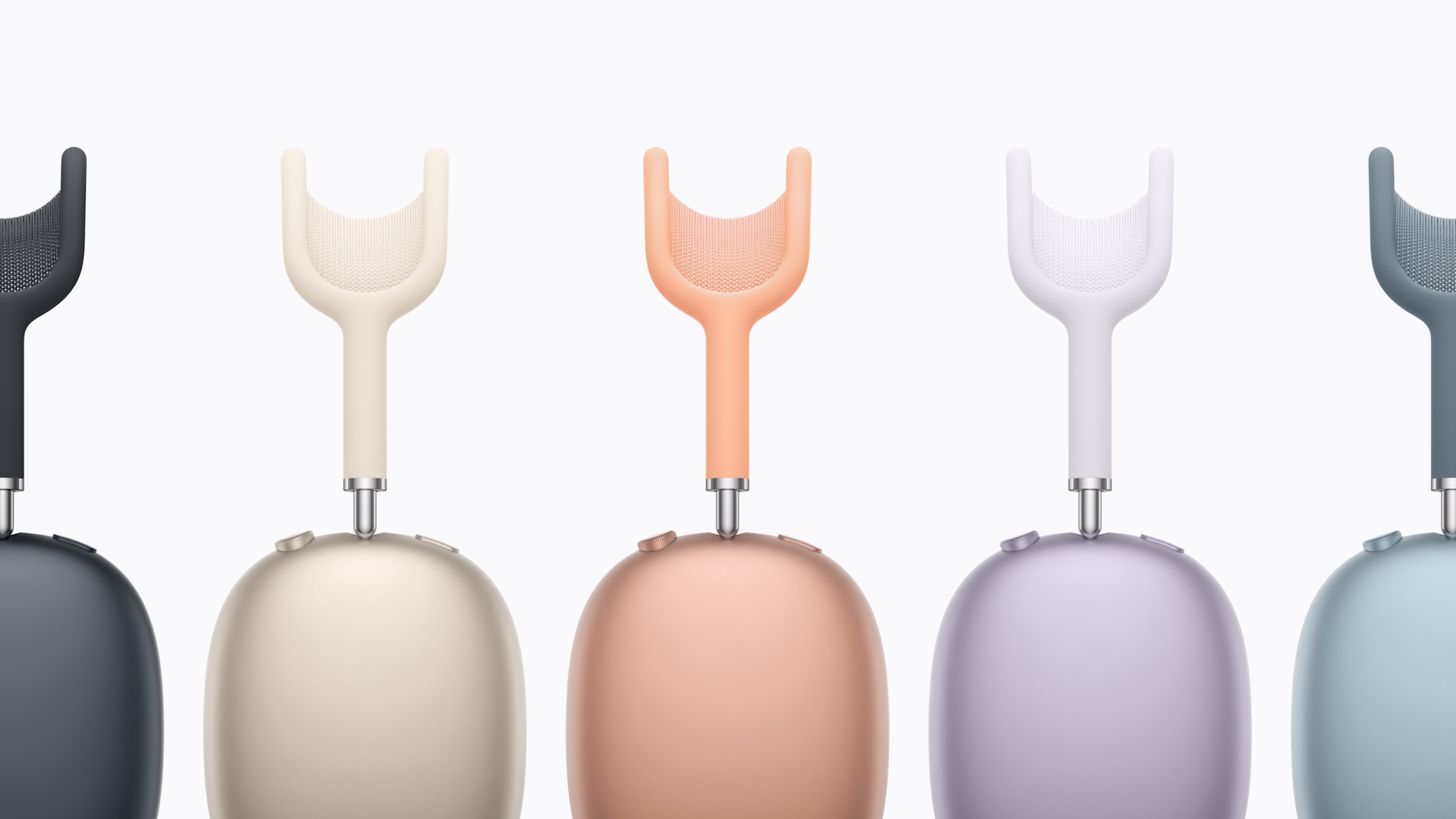
Apple has set the ordering window for the AirPods Max 2 to commence on March 25, with general availability commencing early next month. The color palette—Midnight, Starlight, Orange, Purple, and Blue—maintains the vibrant, customizable aesthetic that appeals to Apple’s design-conscious consumers.
In summary, the AirPods Max 2 is a necessary and substantial internal upgrade that finally brings the hardware up to the standard expected of its price point and the capabilities of Apple’s current processing silicon. It aggressively targets the noise cancellation and feature set currently dominated by the competition, particularly Sony. However, the success of the Max 2 against the anticipated Sony WH-1000XM6 will not be determined solely by specifications on paper. It will depend on the tangible, real-world gap in ANC performance, the continued dominance of Apple’s ecosystem advantage, and whether users are willing to overlook the persistent ergonomic and accessory flaws—like the divisive Smart Case—to secure that seamless integration. The contest is tighter than ever, forcing both giants to push the boundaries of what premium wireless audio truly means in the mid-2020s.
