

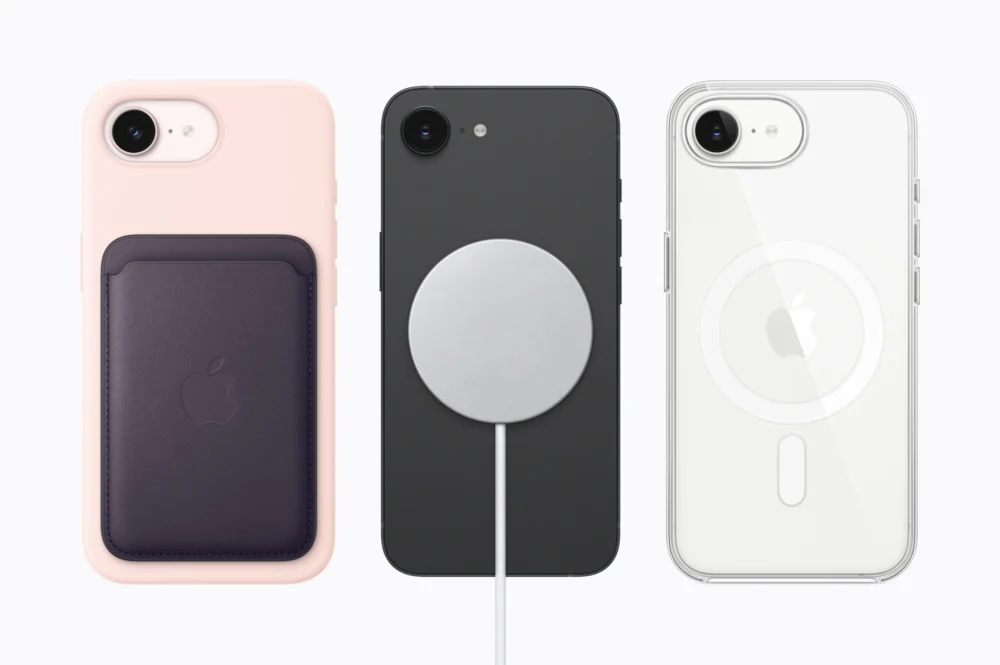
The recent unveiling of Apple’s latest entry-level offering, the iPhone 17e, has inadvertently illuminated a significant strategic divergence in the competitive mid-range smartphone market, particularly when juxtaposed against the concurrent release of the Google Pixel 10a. While the Pixel 10a boasts several advancements that position it favorably against its direct Apple counterpart—especially concerning display technology and AI integration—the Cupertino giant’s inclusion of MagSafe across its entire new slate has cast a long shadow, suggesting Google may have inadvertently handicapped its own device by neglecting a feature that is rapidly becoming a consumer expectation: seamless magnetic accessory integration via Qi2.
This contrast is particularly stark given the context of the broader smartphone hardware landscape. Apple, historically, has leveraged its proprietary ecosystem features—from the original 30-pin connector to Lightning, and now MagSafe—to create compelling user lock-in and a thriving third-party market. The adoption of MagSafe, or the Qi2 standard it inspired, across the entire iPhone 17 lineup, including the cost-conscious 17e, signals a commitment to this integrated magnetic experience, even at the entry level. For Google, the decision to omit this feature from the Pixel 10a, a device positioned to compete fiercely on value, appears to be a calculated, albeit potentially damaging, cost-saving measure that isolates it from a burgeoning accessory economy.
The Magnetic Divide: Defining Modern Convenience
Convenience in contemporary mobile technology is increasingly defined by reduced friction in daily interactions. Wireless charging, while conceptually simple, often introduces the frustrating requirement of precise alignment on a charging pad. MagSafe resolves this elegantly. It transforms the passive act of placing a phone on a charger into an active, satisfying magnetic connection, ensuring optimal power transfer without the fiddling associated with standard Qi pads. The author’s preference for slightly slower, reliably aligned magnetic charging over faster, finicky alignment underscores a growing sentiment among power users: the user experience derived from magnetic coupling outweighs marginal speed advantages in wireless power delivery.
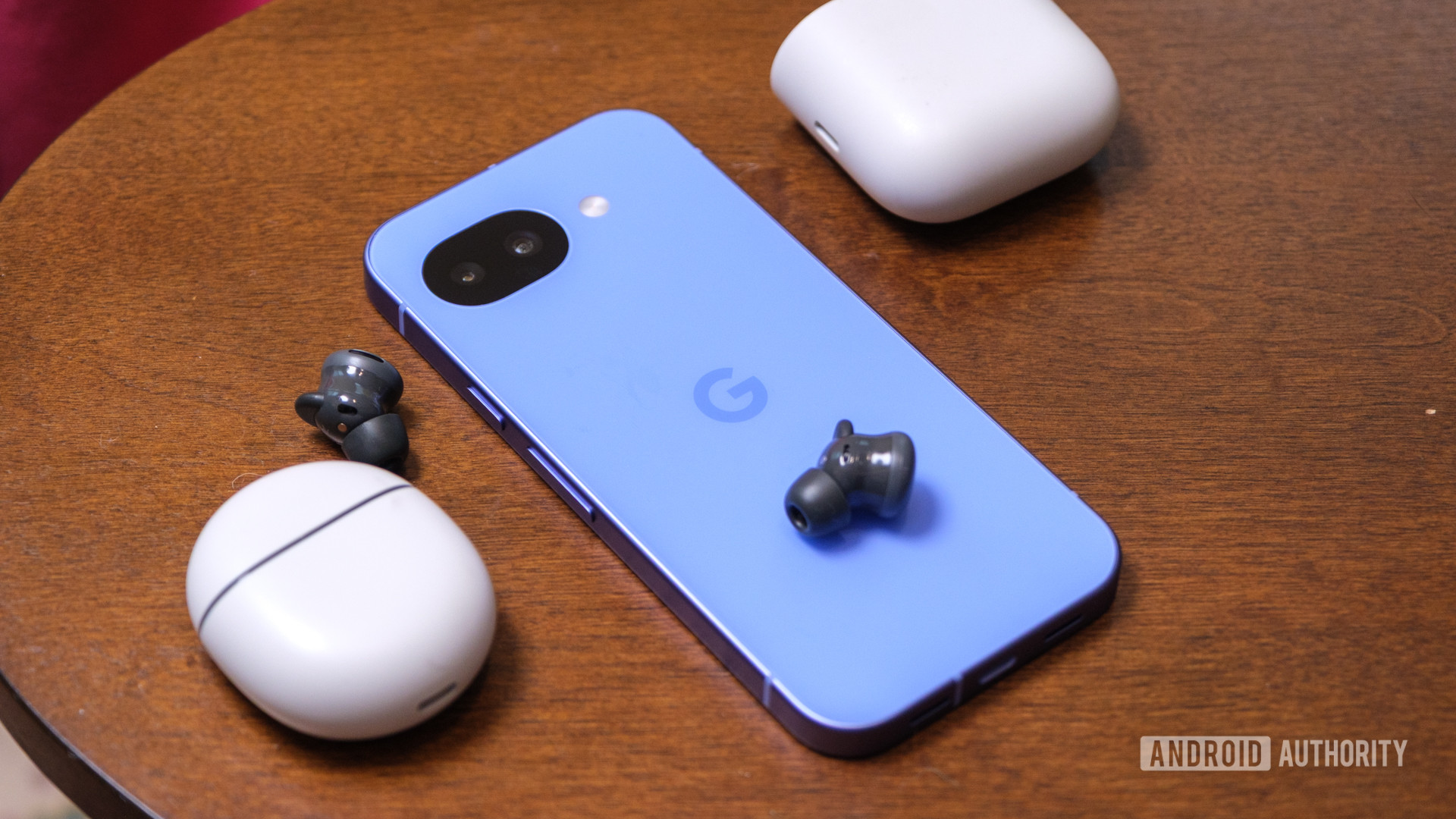
This convenience extends far beyond mere charging. The proliferation of Qi2-compatible accessories, heavily influenced by Apple’s foundational MagSafe technology, has established a robust ecosystem for modularity. Users now rely on magnetic attachments for everything from slim wallets and secure grip rings to specialized camera lens mounts and portable drive docking stations. This interconnectedness means a smartphone purchase is not merely a decision about operating system preference (iOS vs. Android) but a commitment to existing or desired peripheral compatibility. A user deeply invested in the MagSafe ecosystem—with car mounts, desk stands, and wallet attachments already deployed—faces significant practical friction when adopting a device like the Pixel 10a that fundamentally rejects native magnetic adherence.
The Pixel 10a’s exclusion from this growing magnetic nexus forces users toward "stopgap solutions," typically involving adhesive magnetic rings affixed to the phone or its case. As noted, these workarounds introduce compromises: inconsistent charging feedback, potential long-term residue, and, crucially, the risk of future accessory incompatibility should Google attempt to launch its own magnetic standard, dubbed "Pixelsnap" in this analysis. This immediately places the Pixel 10a at a disadvantage against the iPhone 17e, which benefits from years of market penetration and accessory development stemming from the original MagSafe launch.
Ecosystem Lock-In and Industry Momentum
The impact of a single major platform adopting a peripheral standard cannot be overstated in the technology industry. Apple’s history with Lightning serves as a clear precedent: when a dominant player validates a connector or charging methodology, the accessory manufacturing sector pivots rapidly. MagSafe/Qi2 is experiencing this phenomenon in real-time. A quick survey of online marketplaces reveals an avalanche of magnetically compatible peripherals, signaling strong manufacturer confidence in the technology’s stickiness.
For the Android ecosystem, the adoption of Qi2—the open standard derived from MagSafe—has been more fragmented. While flagship devices from various manufacturers have begun incorporating Qi2 compatibility, Google’s decision to exclude it from its crucial mid-range volume driver, the Pixel 10a, sends a confusing signal to accessory makers. They are faced with a choice: invest heavily in the standardized Qi2 protocol, knowing that Google’s most popular budget phone lacks native support, or prioritize the existing, Apple-driven MagSafe market. This hesitation stunts the growth of a unified magnetic accessory standard across the entire Android segment.

The Pixel 10a, therefore, is not just missing a feature; it is conspicuously absent from a rapidly solidifying hardware accessory trend. This absence creates an undeniable barrier to entry for consumers who value modularity, forcing them to choose between the superior feature set of the Pixel 10a (display, battery, AI) and the superior accessory integration of the iPhone 17e.
The Pixel 10a’s Counter-Offensive: Where Hardware Shines
To frame the debate solely around MagSafe would be a disservice to Google’s engineering efforts on the Pixel 10a. In several critical areas pertaining to baseline user experience and modern aesthetics, the Pixel 10a decisively outmaneuvers the iPhone 17e.
Aesthetically, the iPhone 17e’s display architecture appears remarkably retrograde. The retention of a large, conspicuous notch immediately dates the device, contrasting sharply with the sleek, near-bezel-less designs now standard in the competitive space. Furthermore, the camera presentation on the 17e—a single rear lens—suggests significant hardware compromises, likely a primary driver for keeping its price point low.
Conversely, the Pixel 10a showcases a more contemporary design philosophy. Its utilization of a hole-punch front camera maximizes screen real estate, and the rear features a dual-lens system, including a dedicated ultra-wide sensor, providing greater photographic versatility. Perhaps most notably, the 10a achieves a completely flat rear panel, entirely eliminating the camera bump phenomenon that plagues many modern smartphones, a significant ergonomic victory.
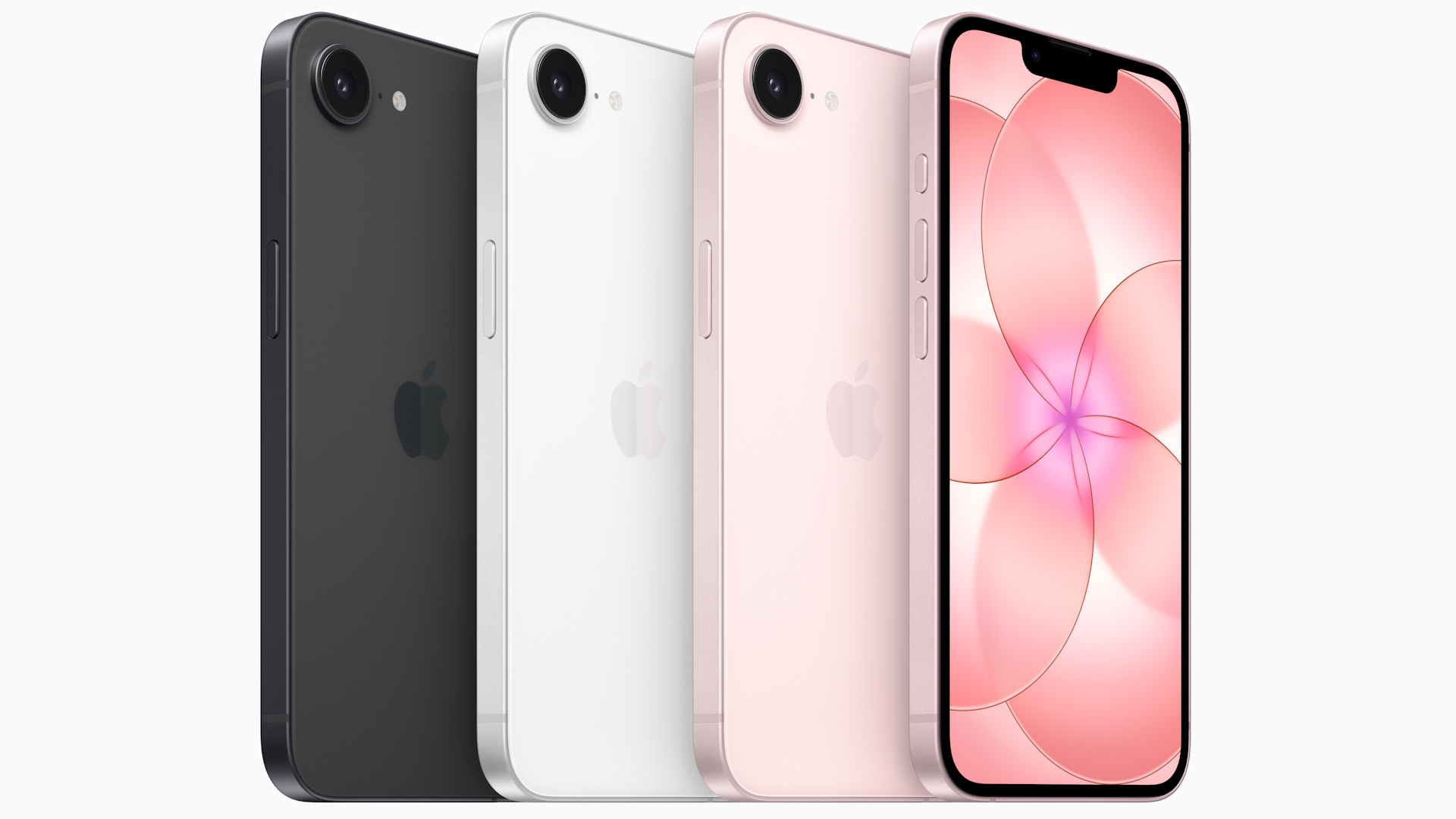
On performance metrics, the Pixel 10a also establishes a clear lead. Its display technology offers a 120Hz refresh rate, delivering demonstrably smoother scrolling and animation compared to the iPhone 17e’s locked 60Hz panel. In an era where high refresh rates are expected even in mid-range devices, this is a substantial functional differentiator. Power management is another area where the Pixel pulls ahead, equipped with a larger 5,100mAh battery and supporting 30W fast charging—metrics that typically surpass Apple’s entry-level offerings.
Finally, Google’s software differentiation, powered by its proprietary Tensor G4 chip, provides a distinct advantage through the Gemini AI suite. While Apple is reportedly integrating foundational AI capabilities into Siri, the depth and integration of Google’s on-device and cloud-based AI tools in the Pixel ecosystem offer a richer, more immediately accessible suite of productivity and utility features. These accumulated advantages—superior display, better battery, modern camera array, and leading AI integration—position the Pixel 10a as a fundamentally better piece of hardware for the average consumer seeking value.
The Price Point Conundrum and Strategic Implications
The $100 price differential between the Pixel 10a and the iPhone 17e serves as the primary justification for the omission of Qi2 magnetic charging. Google likely calculated that maintaining a sub-threshold price point was paramount for market penetration in the budget segment, even if it meant sacrificing features already present in its higher-tier Pixel 10 series (which reportedly supports Qi2). This strategy aims to win on raw feature-to-cost ratio.
However, this short-term cost control may yield long-term strategic penalties. If the industry continues its migration toward Qi2—driven by accessory demand catalyzed by Apple—Google risks creating a situation where its own mid-range volume leaders are perceived as obsolete peripherals within the broader hardware landscape. It creates a strange dichotomy: the Pixel 10a is technologically superior in core functionality, yet magnetically inferior to its primary rival.
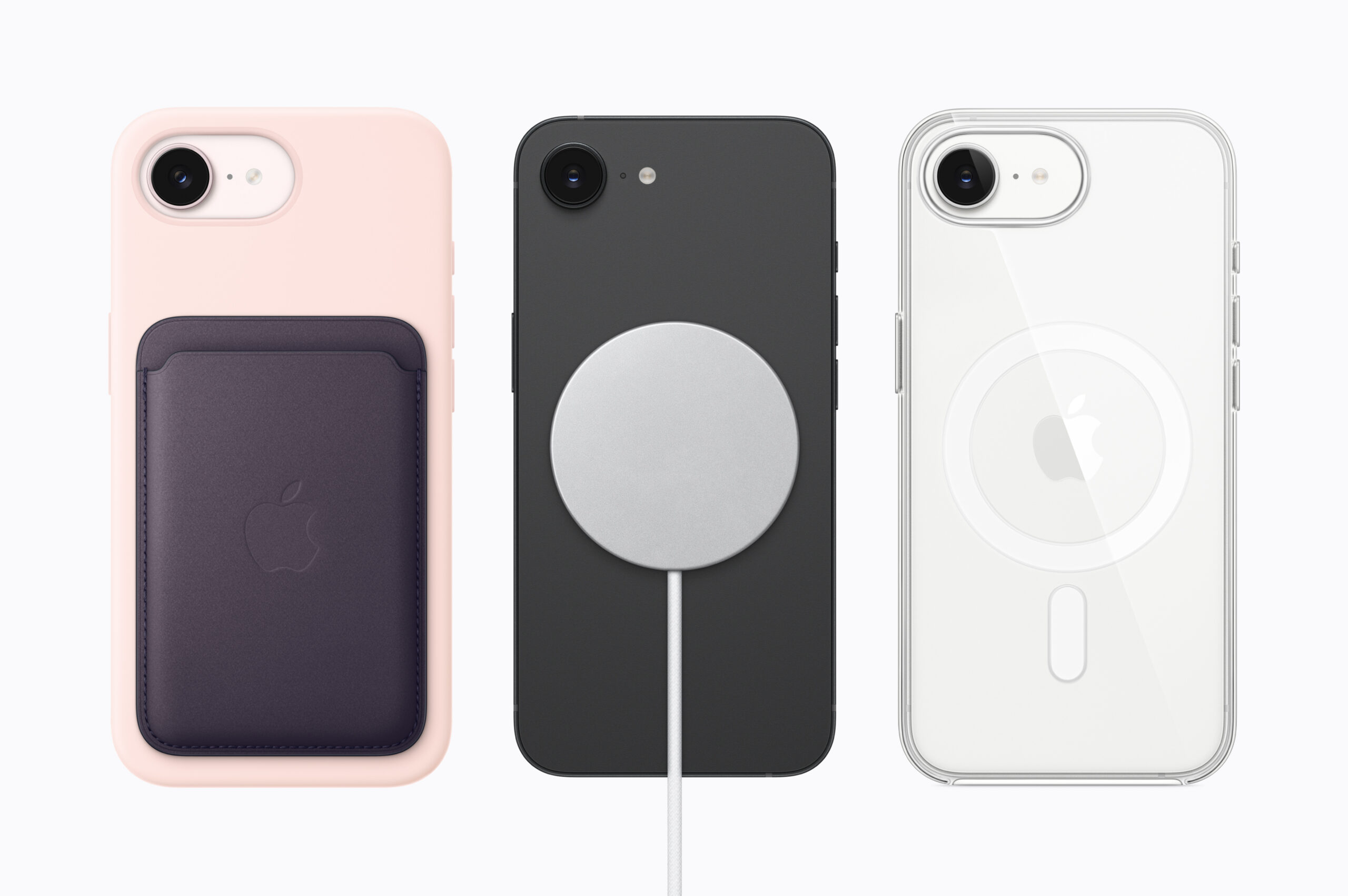
This situation mirrors past strategic missteps where manufacturers prioritized immediate margin preservation over ecosystem future-proofing. For Google, the omission is particularly curious because the magnetic charging/accessory ecosystem is precisely what elevates the higher-end Pixel 10 devices above their competitors. Excluding it from the 10a feels like a deliberate throttling of value proposition, suggesting the Tensor G4 processor might also be an older generation component utilized to manage cost—a compromise that is more glaring when placed next to a rival that integrates modern magnetic support across the entire stack.
Future Trajectories: A Course Correction Ahead?
The market reaction to the Pixel 10a’s lack of native Qi2 will be a crucial indicator for Google’s future roadmap. If consumer feedback heavily penalizes the 10a for this missing functionality, it validates the hypothesis that magnetic integration is transitioning from a premium feature to a baseline expectation. Given that the higher-end Pixel 10 models already incorporate Qi2, it is highly probable that Google views magnetic support as essential.
We may be witnessing a "holding pattern" year for the 10a, analogous to what some analysts termed Apple’s "iPhone 16e" equivalent—a necessary sacrifice to maintain pricing stability during a major hardware transition. It is anticipated that the subsequent iteration, the Pixel 11a, will almost certainly feature native Qi2 support, effectively neutralizing the iPhone 17e’s singular, powerful ecosystem advantage in this comparison.
For current consumers caught in the current release cycle, the advice shifts toward pragmatic value assessment. If seamless integration with existing or desired magnetic accessories is a priority, the premium paid for the iPhone 17e might be justified by the immediate convenience it offers. Conversely, if a consumer prioritizes screen smoothness, battery life, AI capabilities, and modern camera design, the Pixel 10a remains the objectively stronger handset, provided the user is willing to navigate the limitations of non-native magnetic accessory usage or is content with traditional wired charging. In the short term, avoiding the Pixel 10a in favor of a discounted standard Pixel 10, which presumably enjoys the full Qi2 benefits, might offer superior overall value until Google inevitably closes the magnetic gap in its budget line next year. The competitive dynamics between these two budget titans demonstrate that in modern smartphone warfare, hardware parity is often less about raw specifications and more about the seamless integration into the user’s established peripheral infrastructure.
