


The decision to voluntarily sever one’s connection to cellular networks—a move that, for many in the hyper-connected modern world, feels akin to self-imposed exile—was not made lightly. In the latter half of 2022, a confluence of technical failure and financial prudence dictated a drastic reduction in digital overhead. Following the demise of a primary smartphone, replacing it immediately was deemed fiscally irresponsible amidst escalating household expenditures. This necessity catalyzed an unplanned, year-long experiment in digital minimalism, relying instead on a collection of older, Wi-Fi-dependent legacy devices (older OnePlus models and similar hardware) that, critically, lacked the requisite cellular band compatibility for contemporary US carrier networks.
This forced hiatus mandated a complex infrastructure built around existing fixed broadband, the sporadic availability of public Wi-Fi hotspots, and the periodic, shared tethering resources from a spouse’s device. While the premise that surviving without mobile service is possible remains true in theory, the practical execution involves navigating a deliberately inconvenient reality. The initial acclimatization phase was jarring, marked by missed notifications and the friction of planned connectivity. Yet, as the weeks turned into months, the landscape shifted, revealing unexpected psychological and practical dividends that challenge the assumed indispensability of ubiquitous cellular data.
The Structural Hurdles of Disconnection: VoIP, Security, and Navigation
Transitioning from a standard mobile contract to a Wi-Fi-only existence immediately exposes the architecture of modern digital identity, much of which is predicated on a dedicated mobile number. The primary workaround for voice communication and SMS relied heavily on Voice over IP (VoIP) solutions, specifically Google Voice. This service provided a crucial lifeline, routing calls and texts over the internet. However, this substitution immediately introduced significant technical vulnerabilities, particularly concerning security protocols.
The Achilles’ heel of most VoIP integrations surfaces sharply with two-factor authentication (2FA). Many financial institutions, cloud services, and even critical professional platforms default to SMS-based 2FA, which is inherently inaccessible without traditional cellular reception. Navigating this required proactive, often tedious reconfiguration. Where possible, migrating 2FA reliance to dedicated authenticator applications (like Authy or Google Authenticator) proved effective. However, legacy systems lacking support for app-based verification necessitated awkward, temporary dependencies on the auxiliary cellular access provided by family members—a clear illustration of how deeply embedded the traditional carrier infrastructure is in essential digital trust mechanisms.
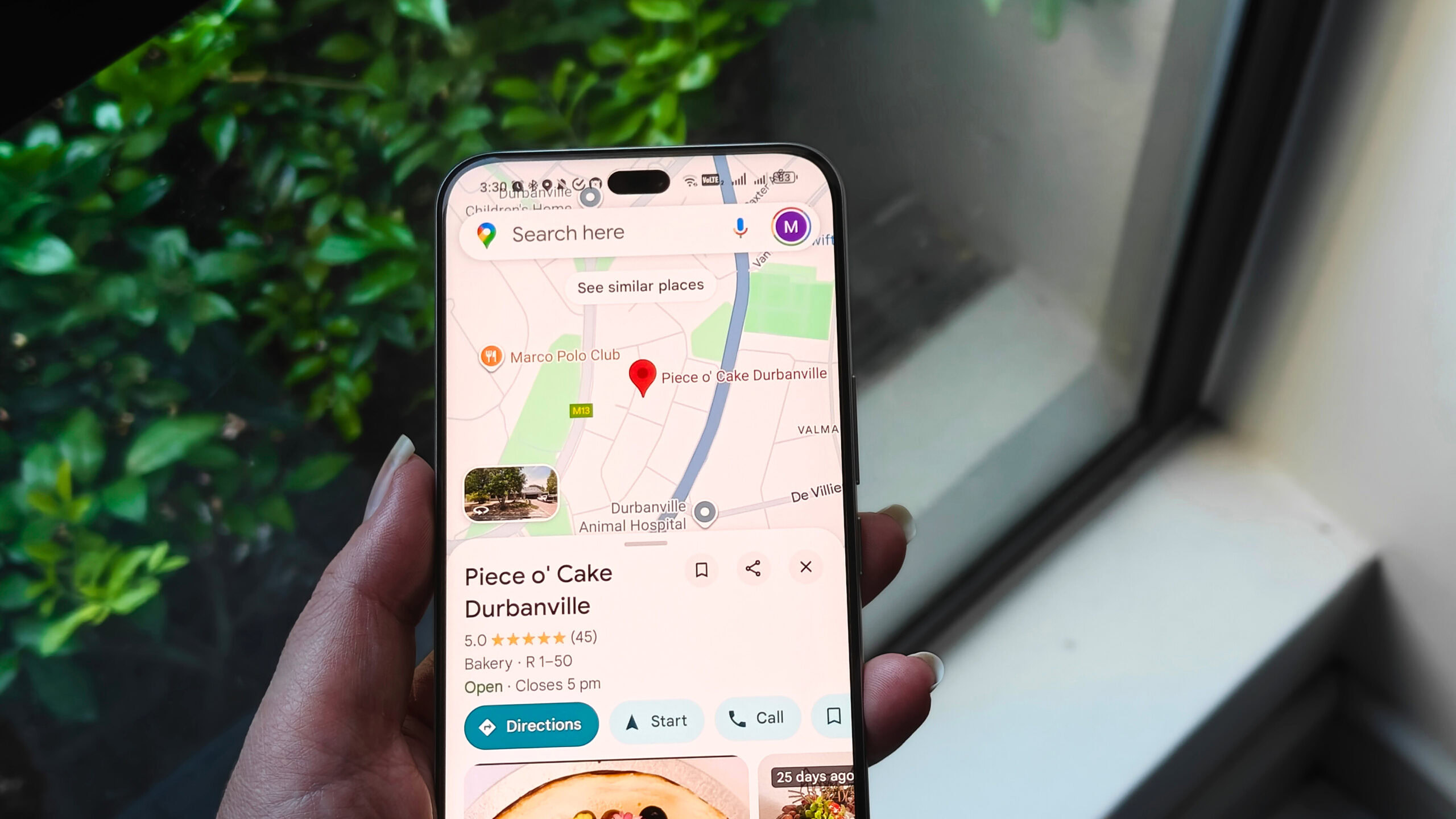
Beyond communication, geospatial awareness—a function most take for granted via instant GPS connectivity—became a matter of pre-computation. For an individual who admits to being directionally challenged, reliance on real-time navigation tools like Google Maps was significant. The solution involved rigorously downloading and maintaining local map caches for frequented areas. While this permitted turn-by-turn navigation, it created a distinct operational gap: the complete absence of live traffic data, incident reporting, or dynamic rerouting. This deficiency forced a return to an older mode of travel engagement, requiring heightened situational awareness and reliance on static landmarks rather than the constant, reassuring voice of a digital co-pilot correcting errors in real-time. This minor imposition fostered a subtle but measurable improvement in innate navigational competence.
It must be acknowledged that the feasibility of this experiment was significantly buffered by circumstantial advantages. Working remotely mitigated the daily requirement for constant professional connectivity. The smaller community setting meant that essential errands and social engagements were frequently situated near establishments offering robust public Wi-Fi. Furthermore, the device itself was provisioned for offline engagement. This included curating digital "time capsules"—pre-downloaded content for periods away from known hotspots. Utilizing tools like Kiwix allowed for the offline access to vast swathes of knowledge repositories (like Wikipedia subsets), transforming downtime into passive learning rather than an enforced digital detox.
Industry Context: The Assumed Necessity of Ubiquity
This personal trial sheds light on the broader telecommunications industry’s success in normalizing perpetual connectivity. Major carriers—Verizon, AT&T, and T-Mobile—have constructed their business models around the expectation that mobile connectivity is not a utility but an extension of self. The infrastructure investment that underpins 5G and forthcoming technologies reinforces this paradigm, focusing on seamless coverage and high-throughput data delivery everywhere.
The challenge posed by a Wi-Fi-only existence highlights a market segmentation issue. For the segment that can sustain this lifestyle (remote workers, those in dense urban/commercial areas), the cost of a dedicated cellular line often feels like a premium for convenience rather than necessity. However, for those reliant on cellular for work in the field, emergency access, or those residing in connectivity deserts, the service remains non-negotiable. The industry, therefore, faces a dichotomy: servicing the high-value, constantly connected consumer versus addressing the fundamental accessibility needs of the entire population.
From a technological perspective, the limitations encountered with VoIP and 2FA point toward the need for more robust, standardized protocols that decouple identity verification from the legacy SMS system. The rise of FIDO standards and alternative biometric authenticators suggests an industry trajectory away from SMS dependency, but implementation lags significantly behind user adoption patterns. The year without service served as a stress test for these emerging standards, revealing where the digital ecosystem remains stubbornly tied to the traditional cellular pipe.
The Unexpected Equilibrium: Intentionality Over Impulsion
The most profound revelation of the year was the psychological restructuring that accompanied the enforced absence of constant digital stimulus. Initially, the silence was unsettling—a phantom limb syndrome for notifications. However, this faded into a palpable sense of mental quietude. The ceaseless, low-grade cognitive load associated with managing an overflowing inbox, monitoring ephemeral social media feeds, and reacting to instant messaging was drastically reduced.
Digital engagement became inherently intentional. Every access to the internet, whether via home fiber or a coffee shop hotspot, was purposeful. There was no room for mindless scrolling or reflexive checking; data consumption had to justify the effort required to obtain it. This shift recalibrated the perceived importance of digital noise. Social media, news aggregators, and countless application alerts gradually receded in salience.
This newfound mental bandwidth was demonstrably redirected toward tangible, physical activities. The individual noted an increased investment in hobbies requiring physical presence—activities like rock climbing and kayaking—which demand full cognitive immersion, an immersion constantly fractured by the pocket-sized portal of distraction inherent in a connected smartphone. The mandatory mental engagement with navigation, as noted earlier, reinforced this preference for embodied experience over digital abstraction.
This experience resonates with broader discourse in digital wellness and cognitive science regarding attention residue and context switching costs. By eliminating the primary vector for context switching (the mobile device), cognitive resources previously spent managing digital interruptions were freed up, leading to deeper focus and engagement in the present environment.
Reintegration and Lasting Habits: The Permanent Modification
After approximately ten months, the financial situation stabilized sufficiently to re-subscribe to a standard mobile data plan and acquire new hardware. The immediate ease of reconnection was undeniable; real-time information retrieval and spontaneous communication returned, smoothing out the logistical friction of daily life. However, the experience was not a mere temporary pause that was easily erased. The habits forged during the year of scarcity proved remarkably resilient.
The primary artifact of the unplugged year is the establishment of physical and temporal boundaries around the device. The smartphone is no longer treated as a constant appendage. It often remains relegated to a specific charging station or room, rather than accompanying the user on every short errand or domestic movement. This deliberate separation enforces the principle of intention over stimulation. Mealtimes, social interactions, and periods dedicated to focused work are now consciously protected from the device’s presence, echoing the enforced discipline of the trial period.
Furthermore, the reliance on physical presence has persisted. The instinct to immediately consult a device for trivial information (e.g., the nearest highly-rated eatery while out) has been replaced by a greater willingness to rely on memory, external consultation with companions, or planning research before leaving a Wi-Fi zone.
Analysis and Future Implications: Beyond the Experiment
While a full year without cellular service is an extreme intervention—one that carries significant professional and personal risks for many—the insights derived offer critical commentary on modern reliance on mobile technology. The experiment underscores that the utility of the smartphone is frequently conflated with the addiction to its constant availability.
For the broader technology sector, this anecdote suggests an untapped market segment—or at least a psychological need—for technology that facilitates intentional interaction rather than compulsive connectivity. As mobile carriers push toward ever-faster, ever-present 5G and potentially 6G networks, there is a counter-movement advocating for digital agency.
Future trends may see greater integration of "focus modes" that are less cosmetic and more structurally limiting, mirroring the forced simplicity of a Wi-Fi-only device. Furthermore, the friction encountered with 2FA highlights a necessary evolution in digital security architecture. Until authentication processes universally abandon SMS dependency, users seeking flexibility will continue to face systemic blockades when attempting to decouple their identity from a specific cellular carrier.
In conclusion, while the logistics of functioning without a standard mobile contract are challenging—requiring meticulous planning, reliance on suboptimal VoIP substitutes, and the sacrifice of real-time data streams—the psychological remuneration can be substantial. The experience demonstrated that true digital equilibrium is often achieved not by adopting better apps, but by introducing systemic constraints that force a re-evaluation of what truly constitutes essential connection versus habitual distraction. The value gained was not in the connectivity that was lost, but in the rediscovered capacity for focused, undistracted presence. For most individuals, the full year is unnecessary; however, the core lesson—the intentional imposition of disconnection—remains a vital practice for maintaining cognitive sovereignty in an always-on world.
