

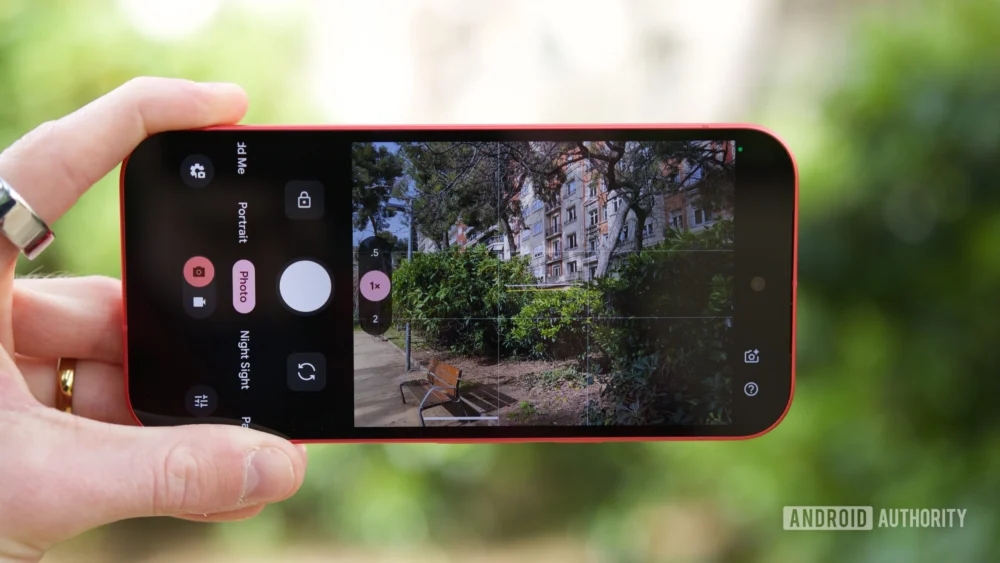
The trajectory of flagship smartphone design over the last half-decade has been one of relentless escalation, particularly in the realm of computational photography. As a professional engaged in documenting technological shifts, I routinely cycle through the top-tier offerings from major players—devices that often feel less like personal communication tools and more like sophisticated, pocketable imaging modules. My experience with the Google Pixel 10 Pro and concurrent flagship models from rivals like Vivo, characterized by their imposing optical arrays, has conditioned me to accept significant physical compromises. These massive camera housings—often referred to as "visors" or "cooktops"—are the unavoidable tax levied for cutting-edge sensor technology, advanced zoom capabilities, and complex optical stabilization systems. This trade-off, where superior imaging power necessitates a chunky, top-heavy device, has long been a source of quiet friction in my daily interaction with these otherwise powerful machines.
However, a recent intensive review period with the Google Pixel 10a has fundamentally shifted this perspective. This device, positioned in Google’s more accessible tier, has, perhaps unintentionally, served as a powerful rebuttal to the prevailing flagship design ethos. It has resolved what I now recognize as my single most persistent, yet often overlooked, hardware annoyance: the pervasive problem of camera-induced physical disruption. While the Pixel 10a is unlikely to challenge the absolute pinnacle of mobile imaging, its design philosophy underscores a critical industry realization: true technological advancement must integrate seamlessly into the user’s physical reality, not dominate it.
The Escalation of the Camera Bump: A Necessary Evil?
To appreciate the impact of the Pixel 10a, one must contextualize the current state of premium mobile hardware. The drive for "DSLR-like" performance in a pocketable slab has resulted in a physical arms race. Manufacturers justify increasingly enormous camera modules by citing the physics of optics: larger sensors capture more light, resulting in better dynamic range and lower noise, especially in challenging conditions. Furthermore, advanced features like high-magnification folded periscope telephoto lenses demand significant internal depth, which translates directly to a pronounced exterior protrusion.
For the enthusiast reviewer, this means constantly handling devices that are disproportionately weighted towards the top. This imbalance is not merely aesthetic; it affects usability. Balancing a heavy flagship on a single finger, or attempting one-handed operation, becomes a delicate balancing act. More critically, the sharp edges and sheer height of these camera banks introduce practical annoyances that accumulate over a day of use.
The history of this issue shows a pattern of manufacturers trying to mitigate the problem—through curved backs to ease the transition, or through strategic case recommendations. Yet, these are often band-aids applied to a fundamental design conflict. The industry standard has become accepting a device that feels structurally fractured, a collection of disparate components bolted onto a screen, rather than a cohesive, unitary object. This acceptance stems from the belief that photographic supremacy outweighs ergonomic considerations for the core consumer base.
The Pixel 10a: A Return to Tactile Harmony
Stepping away from the substantial mass of a modern flagship and picking up the Pixel 10a was an immediate, palpable shift in sensation. The weight distribution—a reported 183 grams—feels instantly more balanced and natural. It carries the comfortable heft of a device designed for the human hand, rather than one engineered to house increasingly complex optical machinery.
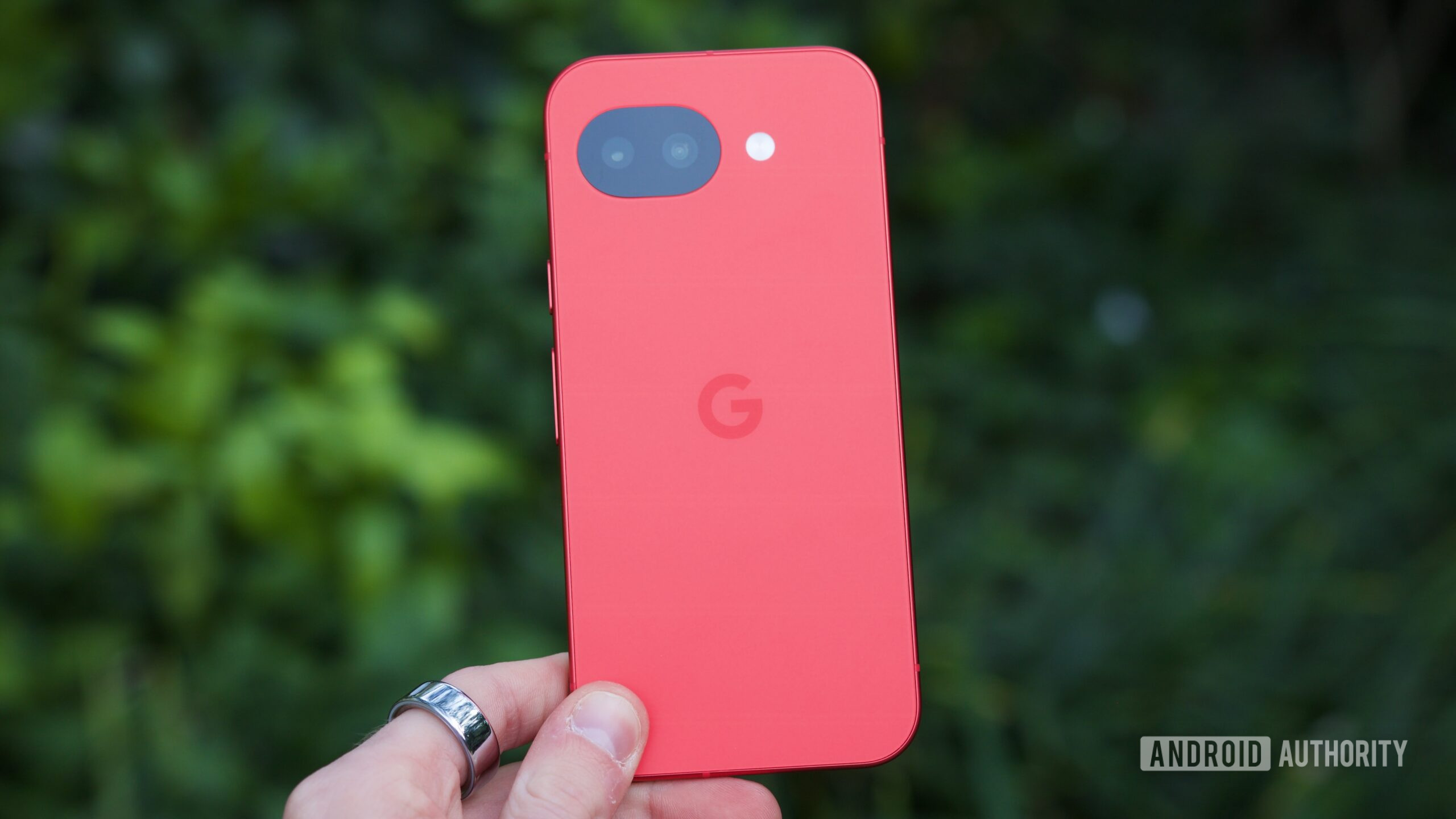
The most significant factor in this relief is the rear panel architecture. The Pixel 10a eschews the monumental camera bar or silo of its Pro counterparts. Instead, the camera hardware is integrated with remarkable subtlety. The back surface is nearly flush, presenting a continuous plane. Moving one’s hand across the device yields no jarring transition, no aggressive ledge, and no pronounced glass shelf jutting out. This unified physical presence evokes a sense of elegant simplicity reminiscent of earlier smartphone eras, where form factor was dictated by core functionality rather than optical ambition. The Pixel 10a functions, aesthetically and tactilely, as a single, unified object.
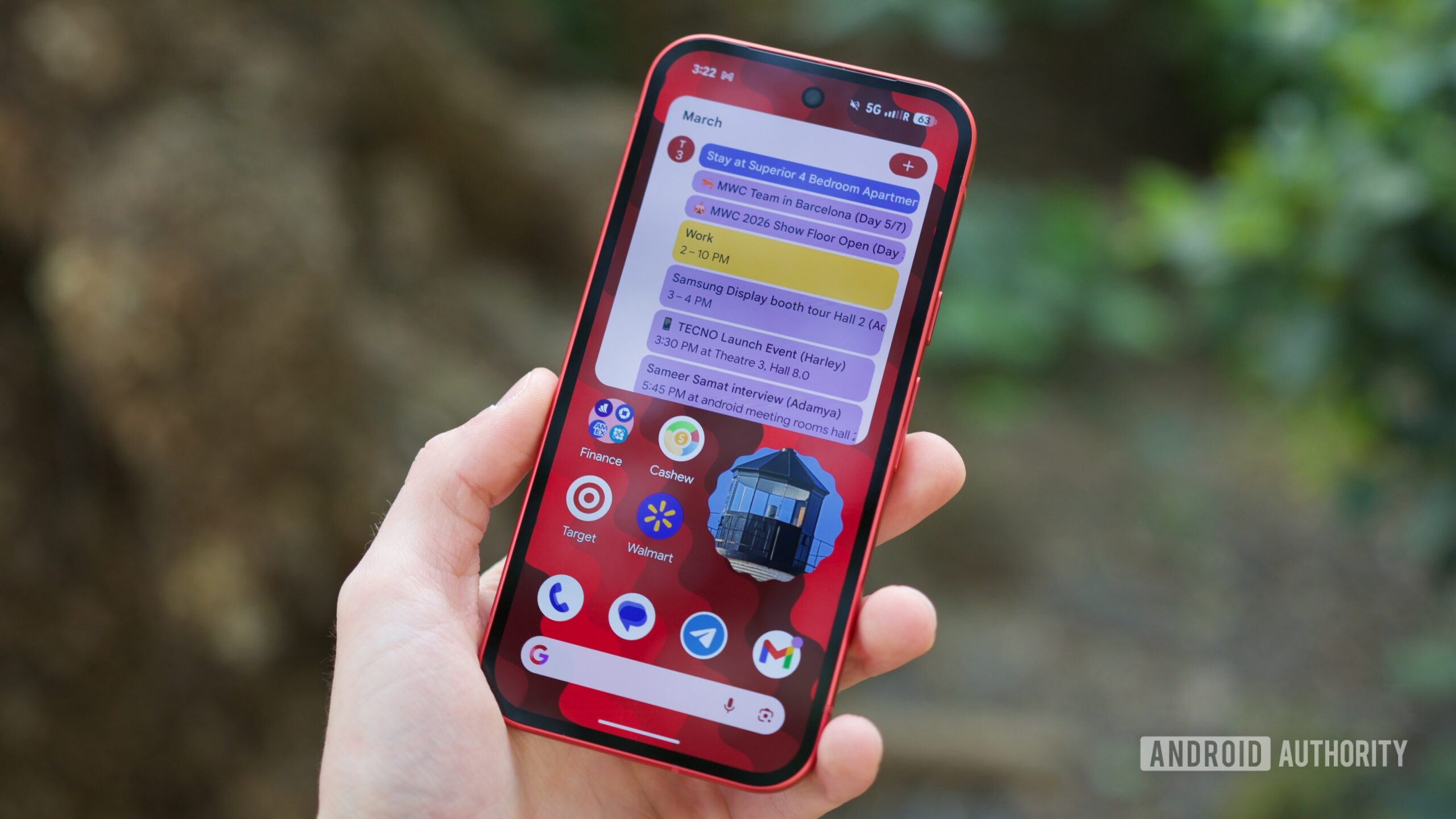
This return to physical coherence translates directly into improved daily handling. The ease with which the Pixel 10a slides into and out of a pocket, even in more restrictive clothing, is startlingly smooth. The frustrating snagging, where the edge of a massive visor catches on fabric seams, disappears entirely. This might seem trivial, but when this interaction occurs dozens of times daily, the friction adds up, contributing to a low-grade, chronic user dissatisfaction that users often attribute to their clothing or personal habits, rather than the device itself.
The Desk Wobble Conundrum: My Primary Pet Peeve
While pocketability is important, the single greatest hardware grievance I hold against contemporary flagships—and which the Pixel 10a decisively vanquishes—is "table wobble." This phenomenon occurs when a device, due to the uneven plane created by its pronounced camera bump, refuses to sit flat on a horizontal surface.
In a modern professional environment, where phones frequently rest on desks, conference tables, or kitchen counters while managing notifications, replying to messages, or referencing information, this wobble is an active impediment to productivity. Every interaction—a light tap, a swipe, or even a brief period of typing—causes the device to rock, pivot, or vibrate noisily against the hard surface. This forces the user into an inefficient workaround: either lift the phone entirely to interact with it or use a bulky case specifically to level the base plane, thereby negating the slim profile the manufacturer may have initially aimed for.
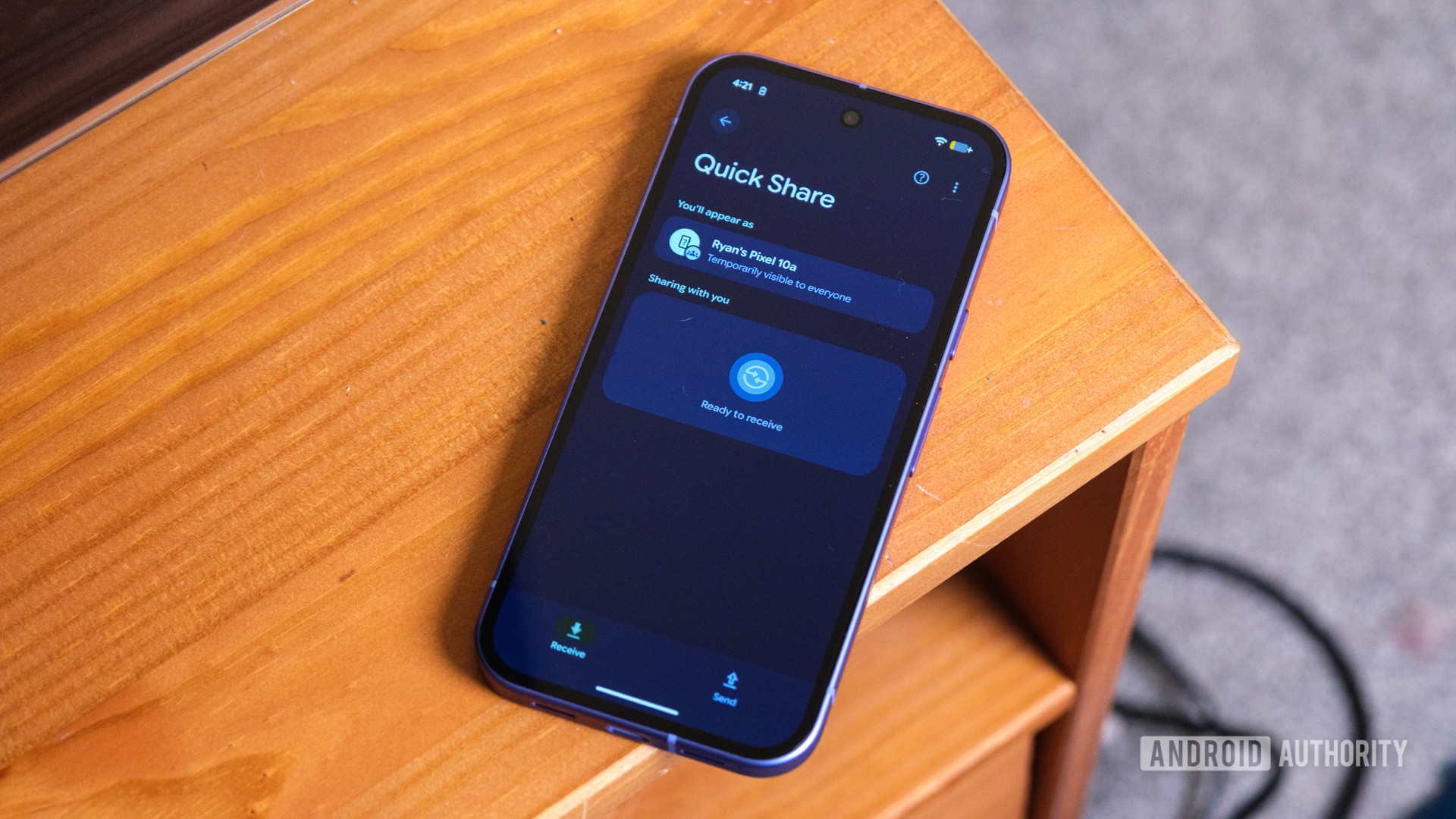
The Pixel 10a resolves this by maintaining a near-flat rear profile. When placed on a desk, it achieves complete, stable contact. The stability is absolute. I could engage in light touch-typing on the on-screen keyboard, interact with calculator apps, or rapidly dismiss alerts without the device lurching or rocking. This stability is not just convenient; it restores a fundamental expectation of desktop interaction with a portable device. It feels like a return to common sense, demonstrating that engineering can prioritize user interaction over maximizing sensor size.
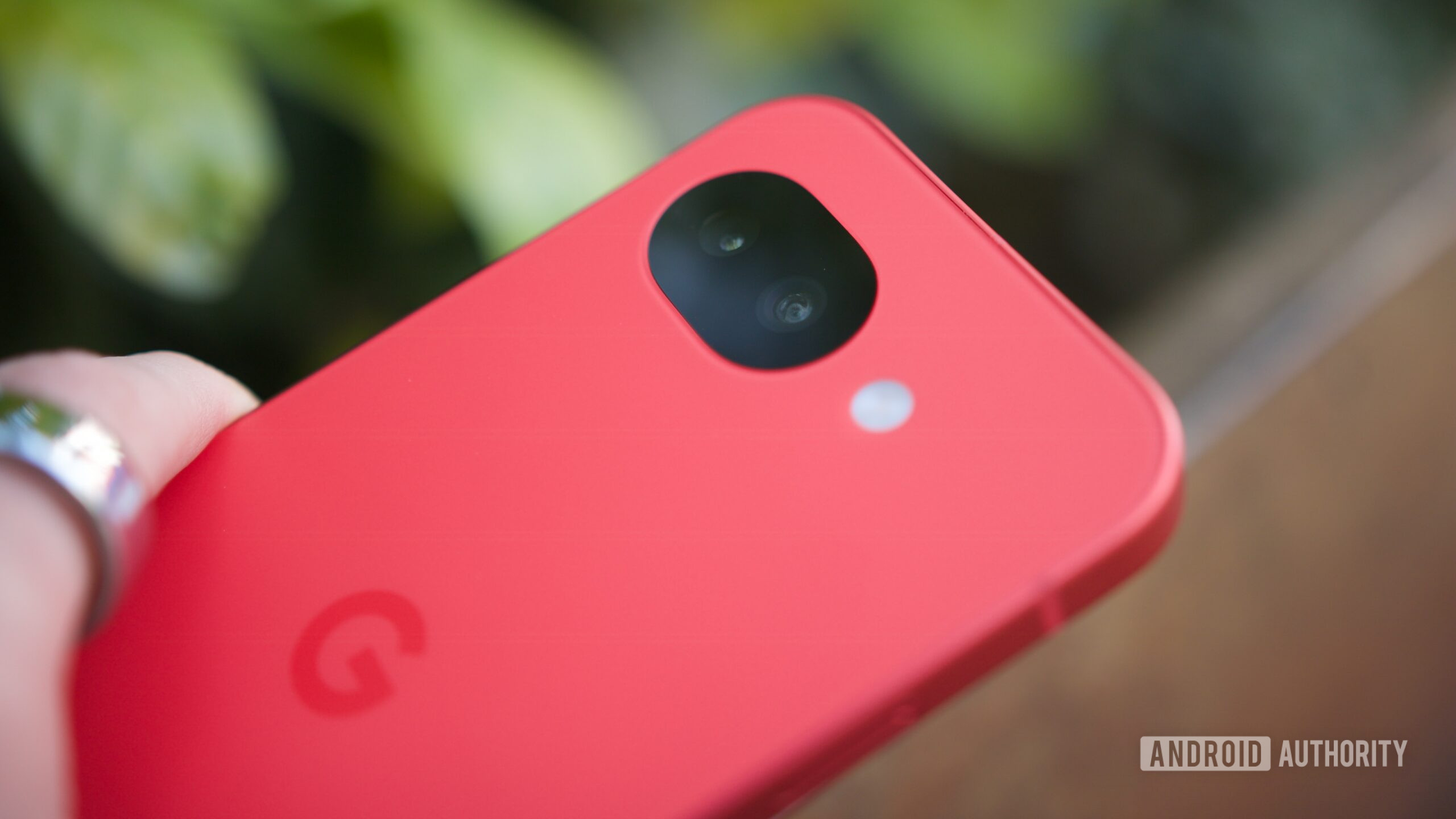
This stability is rooted in balanced engineering. Flagships, top-heavy with their dense optical stacks, are inherently prone to tipping, especially when weight is applied near the screen edge. The Pixel 10a’s more modest, yet still highly capable, camera system allows for a centralized, balanced mass distribution, ensuring it rests securely regardless of where it is placed or how it is tapped.
The Ergonomics of Compromise: Photographic Value vs. Usability Value
The inevitable question arises: Is the superior ergonomics of the Pixel 10a worth the sacrifice in photographic hardware? On paper, the answer appears to be a qualified "yes." The Pixel 10a, by design, operates with a less sophisticated optical suite compared to its Pro sibling. It foregoes the extreme zoom capabilities and may exhibit softer edge detail on its secondary lenses. Natural background separation (bokeh) is less pronounced without the benefit of larger physical sensors.
However, the true utility of a camera is defined not just by its maximum potential, but by its frequency of use. A device with the world’s best camera is useless if the user finds it cumbersome to carry or annoying to deploy for casual shots. My experience confirms this: I found myself reaching for the Pixel 10a far more often for spontaneous documentation—a quick snap of an interesting architectural detail or a fleeting moment—precisely because handling it was effortless. The cognitive barrier to capturing an image was significantly lowered.
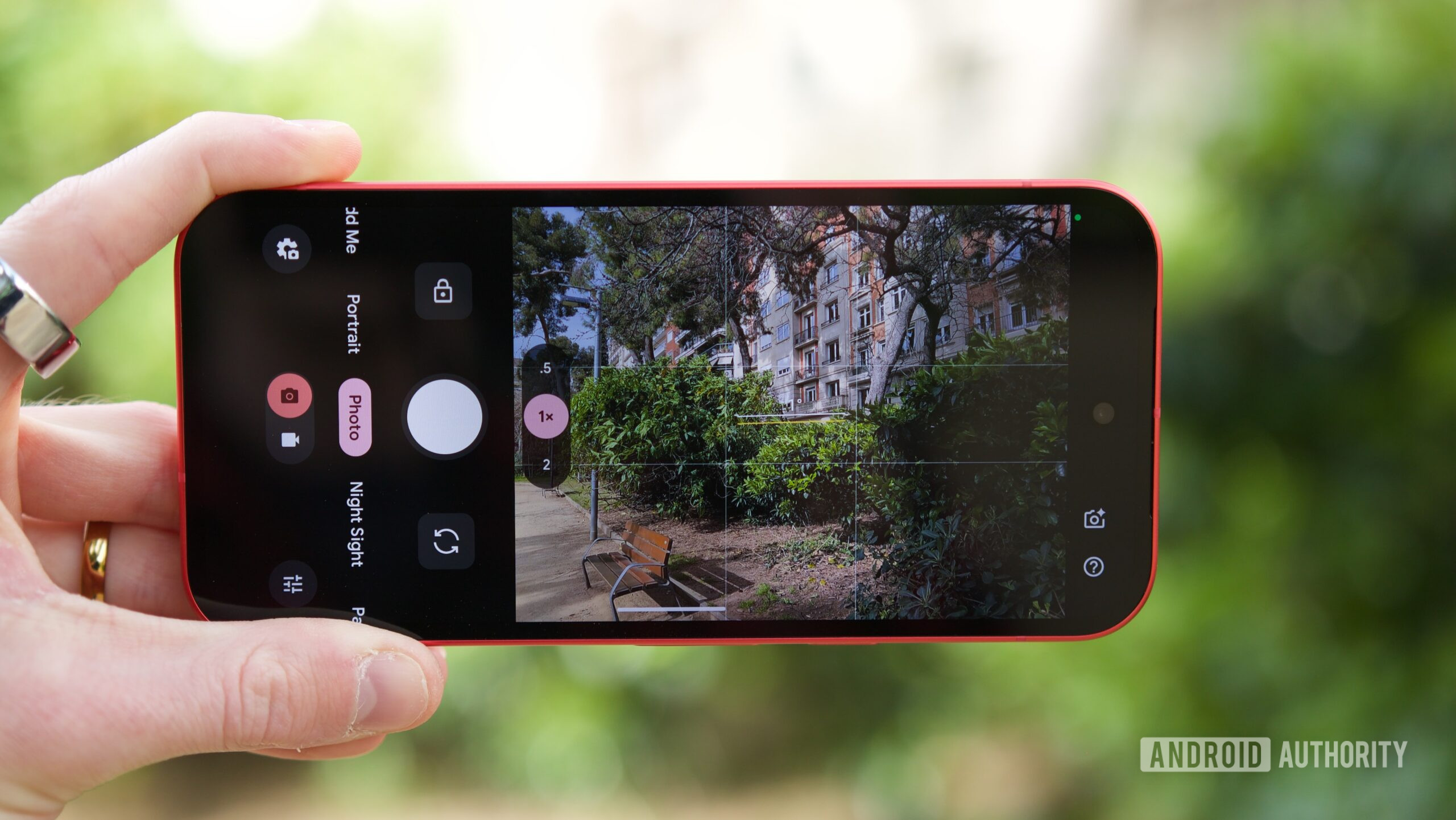
This suggests a critical divergence in market strategy. Flagships are increasingly targeting the imaging purist who prioritizes technical specifications above all else. The Pixel 10a, conversely, seems to capture the needs of the everyday communicator who requires reliable, high-quality imaging capabilities integrated into a device that respects the physical realities of daily life. For the vast majority of photographic needs—standard framing, excellent computational processing for skin tones and HDR—the 10a delivers performance that is more than sufficient, effectively neutralizing the supposed "must-have" status of the flagship camera hardware for the average user.
Industry Implications and Future Trends in Device Design
The success of the Pixel 10a’s design points toward a potential inflection point in smartphone design philosophy. For years, manufacturers have operated under the assumption that "bigger camera equals better phone," leading to ever-increasing thickness and complexity. This focus has alienated a significant segment of consumers who value portability, comfort, and seamless integration with everyday activities (like putting a phone in a pocket or using it on a flat surface).
The Pixel 10a’s form factor suggests that Google recognizes the diminishing returns of pushing camera size beyond a certain threshold, especially when weighed against the cumulative negative impact on physical ergonomics. This design choice has broader industry implications:
- Re-prioritization of User Experience Metrics: It suggests a market appetite for devices where usability—how the phone feels in the hand and interacts with its environment—is valued as highly as peak technical benchmarks.
- The Middle Ground as Innovation: True innovation doesn’t always require the largest component; sometimes it lies in intelligent constraint. By limiting the optical complexity, Google has unlocked significant usability advantages that are perceived as deeply satisfying by the user.
- Sustainability and Repairability: Thinner, less complex housings often correlate with easier manufacturing processes and potentially better repairability, aligning with growing consumer and regulatory pressures for more sustainable electronics.
This trend challenges the notion that the flagship segment must continually push physical boundaries. If a mid-tier device can deliver a superior physical experience while maintaining excellent core functionality (AI features, software longevity, solid battery life), the perceived value proposition of the bulky flagship begins to erode. Consumers are increasingly aware that they are paying a premium for engineering solutions to problems that are, in themselves, self-inflicted by the pursuit of the largest possible hardware.
The Longevity of Practicality
The Pixel 10a is not revolutionary in its specifications—it leverages the reliable Tensor G4 platform and inherits proven software optimizations. Its breakthrough is entirely tactile and functional. It serves as a powerful reminder that a smartphone is, fundamentally, a physical tool that spends most of its time being carried, handled, and rested on surfaces, rather than being actively photographed with.
The comfort derived from a flat back and balanced weight distribution transcends minor spec sheet differences. It impacts mood, reduces incidental frustration, and makes the device a more pleasant companion throughout the day. It is a device that doesn’t demand accommodation from the user; it accommodates the user.
In an ecosystem saturated with devices that feel progressively more alien to the human body—devices that demand specialized carrying solutions and careful placement—the Pixel 10a feels refreshingly, almost nostalgically, normal. It is a device that respects the user’s pocket, desk, and hand structure. For those of us weary of the flagship camera arms race, where the pursuit of optical perfection leads to physical awkwardness, the Pixel 10a stands as a testament to the enduring value of thoughtful, pragmatic industrial design. It is a compelling argument that sometimes, taking a step back from the relentless hardware escalation can result in a far more advanced user experience. Google has delivered a side-grade that feels, paradoxically, like a significant upgrade in day-to-day satisfaction.
