

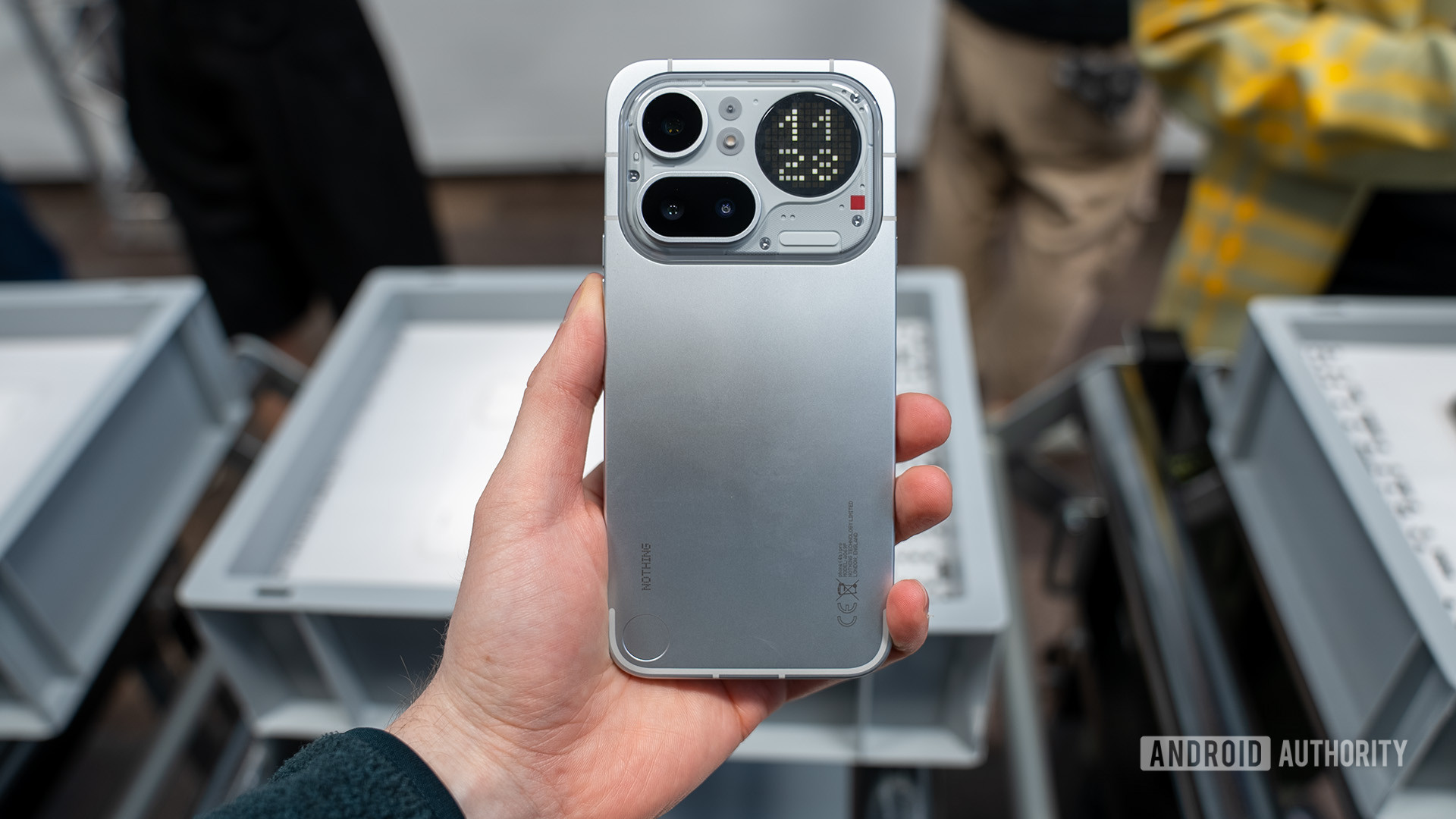
The recent unveiling of the Nothing Phone (4a Pro) has certainly stirred the mid-range smartphone sector. Arriving with a distinct aesthetic—featuring an unusual camera sensor array, a module reminiscent of the iPhone 17 Pro, and the intriguing addition of a secondary display tucked into the top-right corner—the device signals Nothing’s continued commitment to design distinctiveness, even seemingly stepping back from its fully transparent signature for this particular model. Priced aggressively at a $500 starting point, and boasting a reasonably competitive specification sheet, the 4a Pro positions itself as a compelling proposition for consumers seeking novelty in a crowded market.
However, in the fiercely competitive landscape of 2026 Android devices, where incremental improvements often outweigh radical design shifts in long-term user satisfaction, aggressive pricing and unique looks do not automatically guarantee the best purchasing decision. The decision matrix for a mid-range flagship killer involves balancing performance ceilings, software longevity, ergonomic comfort, and feature sets against perceived value. For potential buyers currently eyeing the 4a Pro’s unusual appeal, a thorough examination of established rivals offers compelling reasons to divert their investment. This analysis explores five powerful alternatives that, depending on individual priorities, offer superior long-term utility, refined user experiences, or more pragmatic feature combinations than Nothing’s latest offering.
The Context: Nothing’s Strategy Versus Market Realities
Nothing has successfully carved out a niche by prioritizing design language and a clean software experience (NothingOS). The 4a Pro, while visually arresting, represents a pivot. By adopting a more conventional chassis aesthetic—albeit with eccentric details like the secondary screen—Nothing seems to be balancing its design ethos with the need for mass-market appeal and hardware parity. The $500 segment is a critical battleground, traditionally dominated by Google’s Pixel A-series and Samsung’s Fan Edition (FE) lines, both of which leverage massive ecosystems and proven hardware philosophies. When evaluating the 4a Pro, one must weigh the ephemeral excitement of a niche design against the enduring value propositions offered by these market behemoths.
1. Google Pixel 10a: The Software Supremacy Play
The Google Pixel 10a stands as the most direct, and perhaps most pragmatic, counterpoint to the Nothing Phone 4a Pro. While the 4a Pro shouts with its asymmetrical design and secondary screen gimmick, the Pixel 10a whispers reliability and long-term assurance.
From a purely ergonomic perspective, the Pixel 10a is engineered for daily usability. At 27 grams lighter than its Nothing counterpart, and featuring a more manageable 6.3-inch display compared to the 4a Pro’s expansive 6.8-inch panel, the Pixel offers superior one-handed operation and pocketability. Furthermore, the design choice of a completely flush rear camera module on the Pixel contrasts sharply with the pronounced, attention-grabbing island on the Nothing device. For many users, subtle integration trumps ostentatious design flair, especially when considering long-term handling and case compatibility. The debut of the ‘Berry’ color option also signals Google’s increasing willingness to inject personality into its otherwise utilitarian hardware.
The true clincher, however, lies in the software experience. NothingOS has matured into a highly competent, near-stock Android skin, appreciated for its minimal bloatware. Yet, Google’s proprietary Pixel software stack remains the gold standard for the Android ecosystem in 2026. The implementation of the Material 3 Expressive UI is seamless, and the integration of Google’s latest on-device AI features provides tangible, day-to-day benefits that often surpass the novelty features offered by smaller manufacturers.
Crucially, the longevity commitment from Google dwarfs Nothing’s offering. Google’s pledge of seven years of guaranteed security patches and full Android OS upgrades provides unprecedented future-proofing for a mid-range device. Nothing’s three-year update window suddenly looks constrained when placed against this seven-year horizon, impacting resale value and device relevance significantly over time.
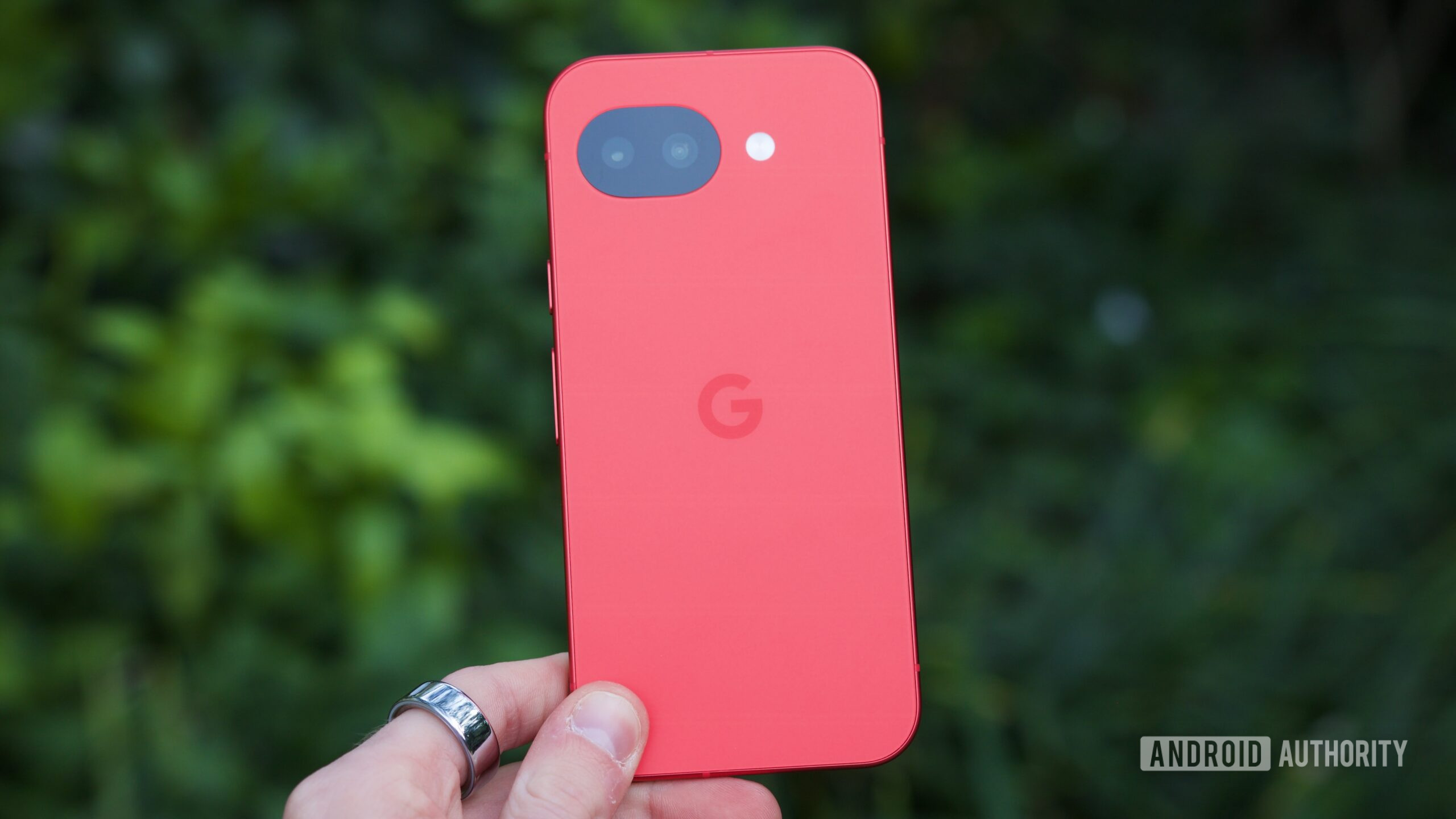
While the Nothing Phone 4a Pro might pull ahead slightly in raw performance metrics, battery capacity, and peak charging speeds—areas where Nothing often focuses its mid-range strategy—the Pixel 10a’s specifications are robust enough for demanding everyday tasks. Unless the specific appeal of the 4a Pro’s telephoto lens or its unique secondary screen is an absolute necessity, the Pixel 10a at the identical $500 price point delivers a more balanced, durable, and future-proof ownership experience. This is a choice prioritizing holistic user experience over momentary design shock.
2. Samsung Galaxy S25 FE: The Feature-Rich Powerhouse
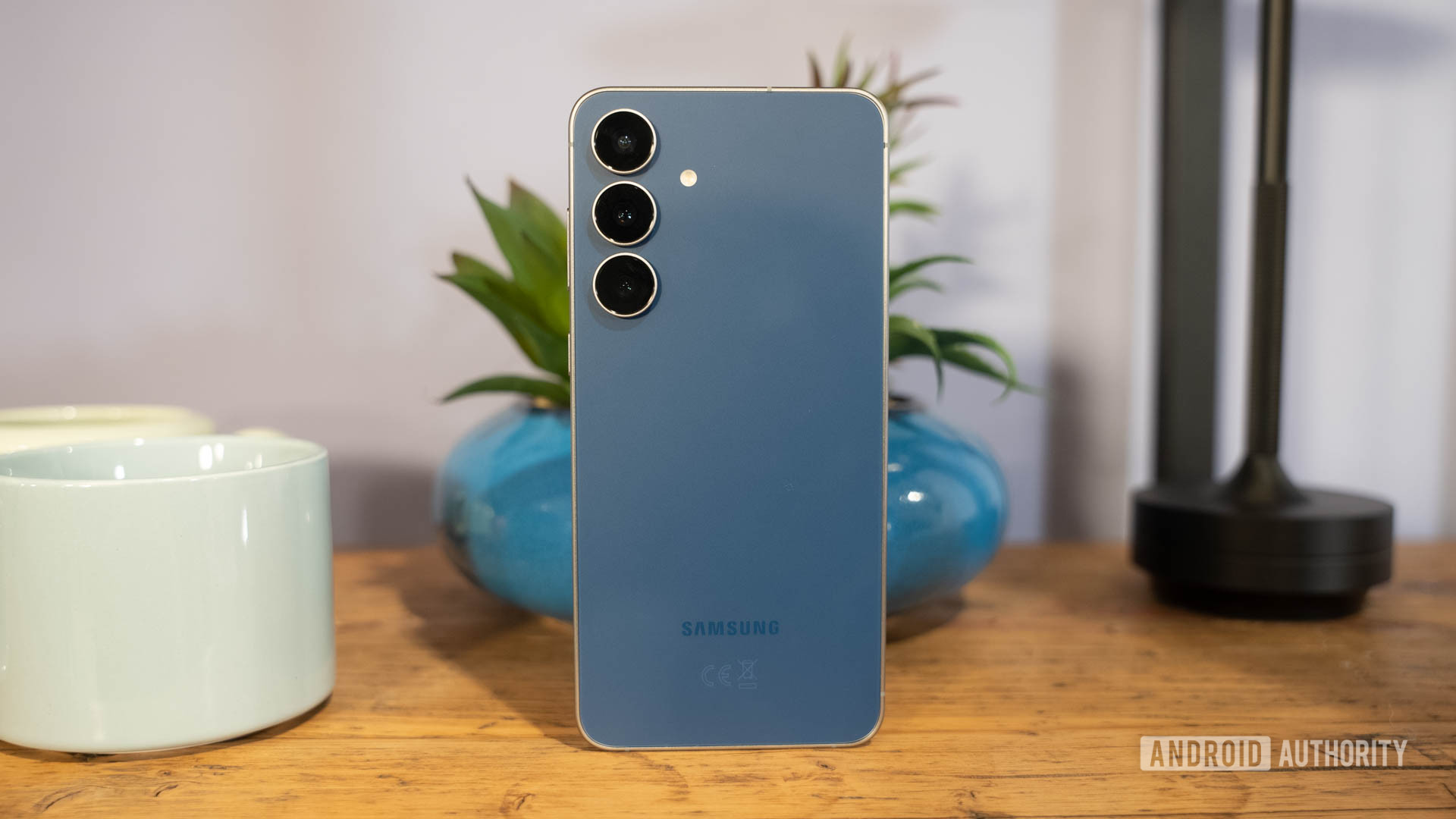
For consumers who find the Pixel 10a too conservative or whose requirements lean toward larger displays and versatile camera hardware, the Samsung Galaxy S25 FE emerges as a powerful alternative, particularly when strategic purchasing is employed.
The S25 FE addresses the size critique levied against the Pixel 10a by offering a generous 6.7-inch display, matching the footprint of the Nothing Phone 4a Pro. Critically, Samsung manages this screen size within a chassis that is demonstrably shorter, thinner, and lighter than the 4a Pro, suggesting better material efficiency. The inclusion of a dedicated 3x optical zoom telephoto camera is a significant hardware advantage over the 4a Pro, offering superior photographic versatility that computational photography alone cannot fully replicate.
Beyond optics, the S25 FE benefits from Samsung’s ecosystem strengths. The device carries an IP68 water and dust resistance rating, offering superior environmental protection compared to the 4a Pro’s IP65 rating. Furthermore, the Exynos 2400 chipset housed within the S25 FE typically provides a measurable uplift in sustained processing power compared to the Snapdragon 7 Gen 4 expected in the Nothing device, translating to smoother intensive application use and gaming.

Samsung has also matched Google’s commitment to longevity, promising seven years of software support, once again eclipsing Nothing’s three-year commitment. While Nothing holds a slight technical lead in sheer battery capacity and wired charging wattage, the S25 FE’s overall package—including premium build quality and superior ingress protection—makes this gap less consequential for the average user.
The primary caveat for the S25 FE is its initial retail price, which typically sits higher at $650. However, the analysis must account for market dynamics. Samsung’s "Fan Edition" line is notorious for rapid, significant price depreciation and frequent promotional deep discounts. Observing recent market trends, the S25 FE has frequently dipped below the $450 mark. If a consumer can acquire the S25 FE for $450 or less, it represents an undeniable value proposition, offering flagship-tier features, superior durability, and longer software support for less than the base price of the Nothing Phone 4a Pro.
3. OnePlus 13R: Raw Performance and Endurance
The Nothing Phone 4a Pro targets the stylish mid-range, but for users who define value through raw performance, battery endurance, and charging speed, the OnePlus 13R remains an untouchable benchmark in this approximate price bracket, despite its slightly older standing.
The 13R leverages the previous generation’s flagship processor, the Snapdragon 8 Gen 3. This places its raw computational and graphical performance significantly ahead of the mid-tier Snapdragon 7 Gen 4 anticipated in the 4a Pro. This performance delta is not merely theoretical; it impacts everything from complex multitasking to sustained high-frame-rate gaming.
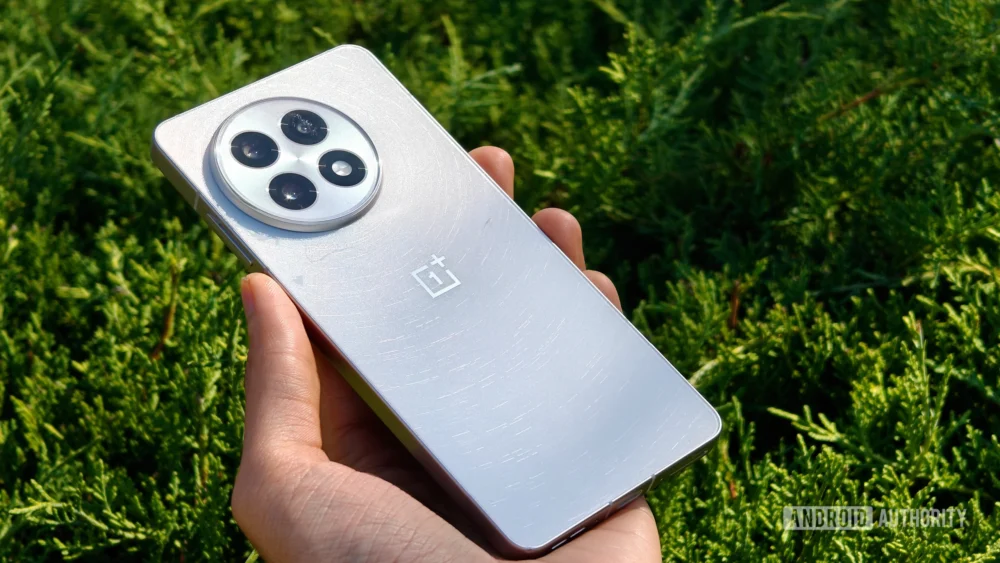
Where the 13R truly distances itself is in power management. It boasts a substantially larger 6,000mAh battery cell compared to the 4a Pro’s 5,080mAh unit, promising significantly extended screen-on time. This is complemented by blisteringly fast 80W wired charging, substantially outpacing the 4a Pro’s 50W capability, reducing downtime dramatically.
While OnePlus has nominally ceased active production of the 13R, indicating that retail channels are thinning, the device remains widely available through major electronics vendors, often hovering around its $600 MSRP for new stock. Even at this price point, the 13R matches the expected cost of the 256GB version of the 4a Pro, offering a superior chipset, greater battery stamina, and faster replenishment speeds for the equivalent outlay. The OxygenOS experience, while more feature-rich than NothingOS, provides a smooth, optimized environment that retains the performance focus OnePlus is known for. For the power user whose primary concern is hardware specifications over aesthetic novelty, the 13R delivers quantifiable superiority.
4. Moto G Stylus (2025): The Budget Champion with Utility
The previous three recommendations hover near or above the Nothing Phone 4a Pro’s $500 entry price. However, market analysis must always account for budget-conscious consumers who demand utility without premium pricing. The Motorola Moto G Stylus (2025) serves as an exceptional gateway into capable Android hardware at a significantly lower cost.
The G Stylus (2025) sacrifices cutting-edge performance and flagship camera fidelity, which is expected given its positioning. Its chipset and display technology will inherently fall below the standards set by the 4a Pro. Yet, it introduces unique value propositions in the sub-$400 space. The inclusion of a built-in stylus offers a level of note-taking and precision interaction absent in the other four alternatives listed here. Furthermore, the integration of 68W wired charging is surprisingly rapid for a device in this tier, often exceeding the charging speeds of devices priced hundreds of dollars higher. The faux-leather backing also offers a tactile feel that some users prefer over glass sandwiches.
While its current sale price fluctuates, frequently dropping well below the $350 mark and occasionally hitting near $280 during peak promotional periods, the value calculation shifts dramatically. If the Nothing Phone 4a Pro is technically superior across the board, the G Stylus offers 80% of the required functionality for potentially 60% of the cost. For users whose primary drivers are stylus integration, fast charging, and core daily operability, the G Stylus presents a compelling argument that the incremental visual and processing gains of the 4a Pro do not justify the significant price premium. This is the device for the pragmatic consumer prioritizing cost savings and integrated utility.
5. Motorola Razr (2025): The Foldable Experience Alternative
The Nothing Phone 4a Pro’s main draw for many is its bold, unconventional design. If the motivation for considering the 4a Pro stems from a desire to break away from monolithic slab smartphones, then the most logical alternative is a device that fundamentally changes the form factor: the Motorola Razr (2025).
The Razr (2025) offers a complete divergence in user interaction through its clamshell folding mechanism. While the 4a Pro’s secondary screen is a small, localized addition, the Razr integrates a functional 3.6-inch external display capable of handling notifications, quick replies, and even running select applications, transforming the device into a compact communication hub when closed. The main 6.9-inch internal display provides a standard flagship canvas when unfolded.
The foldable nature itself introduces practical benefits: enhanced portability when folded, superior hands-free operation (e.g., using the device in "tent mode" for video calls or timed photography), and the sheer novelty factor that Nothing attempts to achieve through its hardware idiosyncrasies.

Spec-for-spec comparisons show the 4a Pro likely leads in certain areas like sustained processing power or perhaps battery chemistry efficiency. However, the Razr (2025) is far from an underperformer, utilizing a competent MediaTek Dimensity 7300X processor paired with 8GB of RAM and a solid 50MP main camera. The improvements in the hinge mechanism and overall durability in the 2025 iteration have significantly reduced the compromises associated with early foldables.
Furthermore, recent market activity shows the Motorola Razr (2025) on sale at Amazon for prices dipping below the $500 threshold. If a consumer is willing to spend $500 on a phone because it looks different, the Razr offers a far more transformative difference—a folding screen—for the same investment, potentially making the Nothing Phone 4a Pro’s design elements seem tame by comparison.
Conclusion: Design vs. Longevity in the Mid-Range Battle
The Nothing Phone 4a Pro is a statement piece, an object designed to provoke conversation with its unique camera layout and supplementary display. Its $500 entry point is strategic. However, the market alternatives reveal a clear trade-off: novelty versus long-term assurance and refinement.
The Pixel 10a prioritizes software and longevity; the Galaxy S25 FE offers feature density and flexibility, especially when discounted; the OnePlus 13R dominates on raw power and endurance; the Moto G Stylus (2025) provides exceptional budget utility; and the Motorola Razr (2025) delivers a truly different form factor experience. For the discerning buyer in 2026, these options provide pathways to better long-term satisfaction, superior hardware value, or more practical functionality than the visually ambitious but potentially less enduring Nothing Phone 4a Pro. The industry trend continues to favor devices that offer robust software guarantees and proven performance metrics over fleeting design eccentricities.
