

The continuous evolution of mobile technology places an increasing emphasis on user interface customization, moving beyond mere functional updates to encompass deep aesthetic personalization. Central to this user experience is the digital background—the wallpaper—which serves as the primary visual anchor for any smartphone, tablet, or desktop interface. This weekly showcase delves into a fresh compilation of high-resolution imagery, specifically curated for diverse screen aspect ratios, offering readers compelling visual alternatives for their devices. This tradition underscores a broader industry trend: the elevation of device aesthetics from an afterthought to a core component of hardware and software identity.
The significance of the wallpaper extends far beyond simple decoration. In an era dominated by complex, multi-layered operating systems, a well-chosen background can profoundly affect perceived usability, reduce eye strain, and even influence user mood. For Android enthusiasts, who often value deep customization options, these shared assets become essential building blocks for creating a truly unique digital environment. Furthermore, the practice of sharing these visuals fosters a vibrant, collaborative community centered on digital artistry and mobile photography.
This specific compilation for the middle of March 2026 features a diverse gallery, blending professional contributions from our editorial team with captivating submissions from our readership. All provided images are offered royalty-free and without intrusive watermarks, ensuring seamless integration across personal devices. We prioritize accessibility, supplying optimized versions in both landscape and portrait orientations, catering to everything from ultrawide monitors to the latest flagship smartphones. For ongoing access to this week’s selection, alongside the extensive archives from prior weeks, a centralized repository remains available via the provided dedicated link. The opportunity for reader participation remains a cornerstone of this initiative; instructions for contributing your own photographic work are detailed toward the conclusion of this feature.
Editorial Highlights: Perspectives from the Team
The editorial team continues to contribute visual narratives, often capturing moments that blend the mundane with the sublime, thereby challenging conventional expectations of everyday scenes.
One compelling submission originates from Zac Kew-Denniss, who captured a scene in a local park that defies typical pastoral expectations. The resulting image possesses a distinctly surreal quality, suggesting an environment where the natural world interacts with unexpected, perhaps even otherworldly, elements. Such photographs are powerful because they transform a familiar setting into a subject worthy of contemplation, making the device screen a window into an altered reality. The ability of mobile photography—even when processed or framed artistically—to evoke such strong, unusual emotional responses highlights the democratization of visual storytelling in the modern technological landscape.
Following this, Jonathan Feist offers a breathtaking vista capturing the majesty of the Pacific Northwest, specifically a view afforded near the Mount Saint Helens Interpretive Center. This image serves as a potent reminder of nature’s untamed grandeur. In a world increasingly saturated with digital abstraction, authentic landscape photography offers a grounding counterpoint. The technical execution, presumably leveraging advanced mobile sensor capabilities to capture the dynamic range inherent in such mountainous scenes, showcases the high bar set for mobile imaging today. The implication here for device manufacturers is clear: users demand cameras capable of capturing professional-grade environmental depth and detail.
Finally, Rita El Khoury presents a study in organized chaos: a collection of shipping containers rendered visually engaging through careful composition and the interplay of color and texture. Industrial subjects, when framed correctly, can offer surprisingly rich geometric patterns that contrast sharply with organic forms. This particular image’s success lies in its ability to elevate utilitarian objects into abstract art, suggesting that visual appeal can be found anywhere, provided one possesses the discerning eye of an artist. These container studies often appeal to users seeking minimalist yet visually complex backgrounds that do not distract from application icons.
Reader Submissions: The Community’s Vision
The true vitality of this weekly feature stems from the artistic contributions of the wider community. The visual diversity in user-submitted wallpapers often surpasses curated collections, reflecting a broader spectrum of tastes and photographic explorations.
A notable contribution this week arrives from Igor Karkaroff, who returns to share two distinct pieces that lean heavily into digital abstraction and psychedelic aesthetics. Karkaroff notes that these pieces were developed with the potential visual language of future operating systems in mind. This context is crucial: these are not merely photographs of the real world but deliberate explorations of digital texture and color theory designed to complement advanced UI/UX paradigms, perhaps anticipating dynamic coloring systems or augmented reality overlays. The industry trend toward more fluid, less static interfaces suggests that these abstract, almost generative-looking backgrounds may become increasingly relevant as operating systems evolve toward spatial computing.
Shifting dramatically from digital abstraction back to the tangible, Mahesh Mistry delivers a stunning depiction of twilight, likely captured utilizing advanced computational photography techniques. The image, reportedly taken on a Google Pixel device leveraging Night Mode, showcases a dramatic transition from a deep indigo sky to the last vestiges of sunset color. The mastery of Night Mode algorithms is a critical area of competitive advantage in the smartphone market. Images like this serve as potent real-world benchmarks, demonstrating the capacity of modern computational imaging to render low-light scenes with minimal noise and rich tonal separation—a significant leap from the limitations of early smartphone cameras.
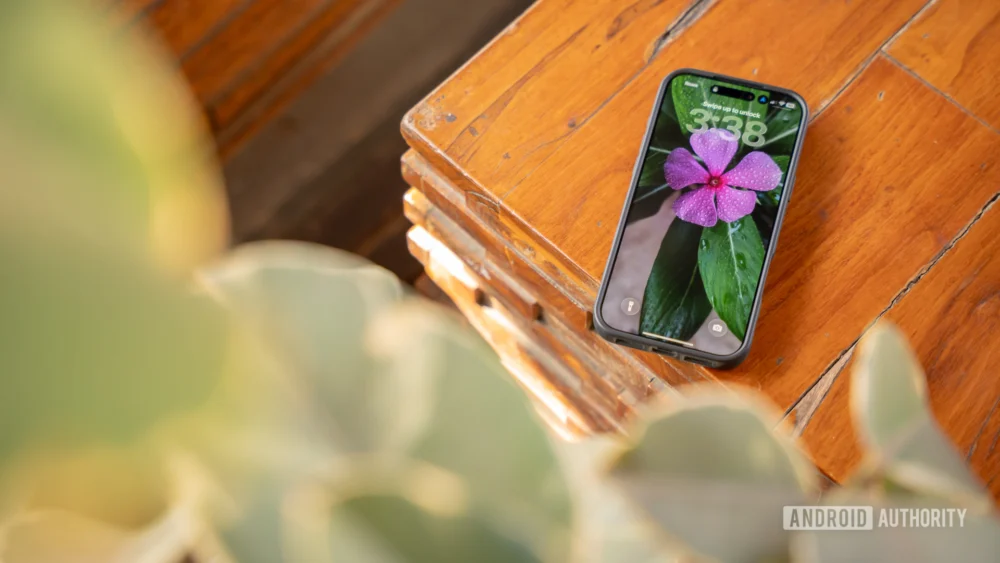
Plant life provides another recurring theme, exemplified by two distinct captures. The first, from Arnav Agrawal (captured with an iPhone X, demonstrating cross-platform excellence), focuses on an intriguing specimen of flora, highlighting intricate leaf structure or unique growth patterns. The second botanical image, a close-up of a Pink Periwinkle adorned with dewdrops, captured by Abhishek Chatterjee, emphasizes macro photography. Water droplets on petals represent a classic challenge in mobile photography, requiring precise focus stacking or a very shallow depth of field to isolate the subject while maintaining droplet clarity. These macro shots speak to the increasing sophistication of mobile camera hardware, particularly in autofocus speed and close-focusing capabilities.
Finally, an image that captures primal fascination: a tight shot of fire, submitted by Enosh William (also taken on a Pixel). While the contributor notes a degree of inherent noise, this characteristic is argued to enhance the image’s moody, visceral appeal. Fire is inherently dynamic, and capturing its flickering, chaotic energy in a static image requires balancing exposure to prevent blown-out highlights while preserving detail in the smoky shadows. This submission argues for the artistic merit of imperfection; sometimes, the noise inherent in high ISO, low-light capture contributes texture and atmosphere that a perfectly clean, digitally rendered image cannot replicate.
The Strategic Value of Visual Customization in Tech Ecosystems
The weekly ritual of sharing device backgrounds touches upon significant strategic implications within the technology sector. Device manufacturers, particularly those competing in the highly saturated Android space, recognize that personalization is a key differentiator when hardware specifications reach parity.
Expert Analysis: Aesthetics as a Competitive Moat
From an industrial design perspective, the wallpaper is the first layer of software a user interacts with. It dictates the perceived "personality" of the device. Companies invest heavily in developing proprietary visual languages—think of Samsung’s vibrant Material You implementations or Google’s own evolving Material Design themes. When a publication facilitates the sharing of high-quality, diverse imagery, it empowers users to bypass manufacturer defaults, fostering a sense of ownership and reducing brand allegiance based solely on pre-installed assets.
Furthermore, the evolution of display technology directly impacts wallpaper demand. The proliferation of high refresh rate OLED displays, with their perfect blacks, makes dark, high-contrast wallpapers incredibly popular, as they conserve battery life (on OLED panels) and provide superior visual pop. The presence of both abstract, digitally created art and richly detailed nature photography in this week’s collection reflects a user base demanding versatility—a background that works equally well for showcasing vibrant app icons as it does for quiet, immersive viewing.
Future Impact and Trends: Dynamic Backgrounds and AI Integration
Looking forward, the concept of a static wallpaper is rapidly being superseded by dynamic and context-aware backgrounds. We anticipate increased integration of AI-generated imagery, moving beyond simple generative art toward backgrounds that adapt in real-time based on time of day, weather conditions, or even user activity levels. Imagine a wallpaper that subtly shifts its color palette to match the ambient light detected by the phone’s sensors, or one that displays low-priority notifications through ephemeral visual elements rather than intrusive badges.
The continued focus on user-submitted content, as exemplified here, serves as an invaluable feedback loop. It showcases the raw, unfiltered visual desires of the power-user community, which often precedes mainstream software trends. If abstract, psychedelic designs or hyper-detailed macro shots gain traction in these weekly roundups, it signals a potential direction for future OS design language.
Participation and Archival Access
The success of this visual exchange is contingent upon sustained community engagement. The collection presented today represents a snapshot of current aesthetic preferences, but the archive serves as a living testament to evolving tastes over time. All featured high-resolution JPG and PNG files are accessible through the centralized Drive link, allowing users to select the precise resolution required for their specific hardware, whether that is a compact foldable or a large-format tablet.
For readers interested in contributing their own photographic work to future editions, the process is designed to be straightforward, though adherence to specific guidelines ensures quality control. Submissions should prioritize maximum available resolution, be accompanied by the contributor’s name for proper crediting, and include a concise description detailing the subject matter or the context of the capture (e.g., location, device used, artistic intent). Optional fields allow contributors to link to personal portfolios or social media profiles, supporting their creative endeavors. The rules are strict regarding originality and rights—only original, unencumbered content is eligible for review. This structured approach ensures that the featured content maintains its integrity and respects the intellectual property of the contributors while providing maximum utility to the end-user.
This dedication to high-quality, community-sourced visual assets solidifies the role of personalization in the mobile computing experience, transforming the passive screen into an active reflection of the user’s identity and the cutting edge of digital artistry. The next installment will continue this exploration, offering fresh perspectives for device personalization.
