


The smartphone industry is currently witnessing a fascinating tug-of-war between ever-increasing screen sizes and a lingering, yet potent, demand for truly pocketable devices. In this dynamic landscape, OnePlus has officially pulled back the curtain on the aesthetic and physical attributes of its forthcoming OnePlus 15T, a device that immediately warrants scrutiny because its realized design deviates notably from the speculative imagery that had circulated for weeks. This unveiling, executed through official channels on Weibo, signals a deliberate strategic pivot, particularly concerning its physical footprint and camera module presentation, positioning the 15T as a potential category disruptor in the premium compact segment.
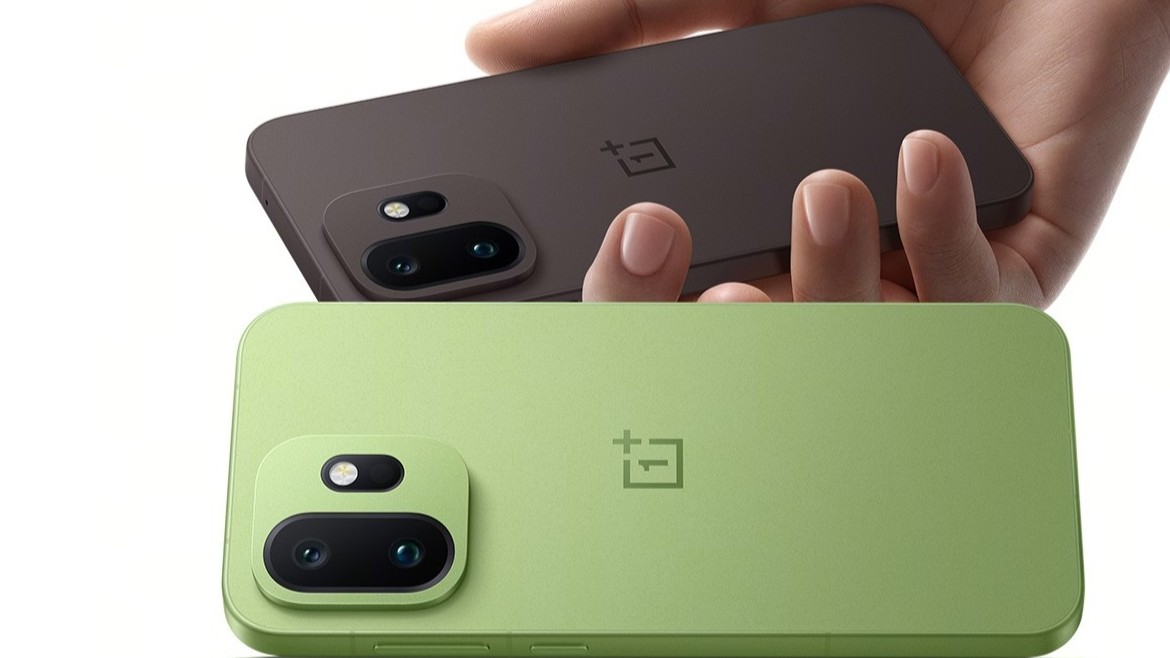
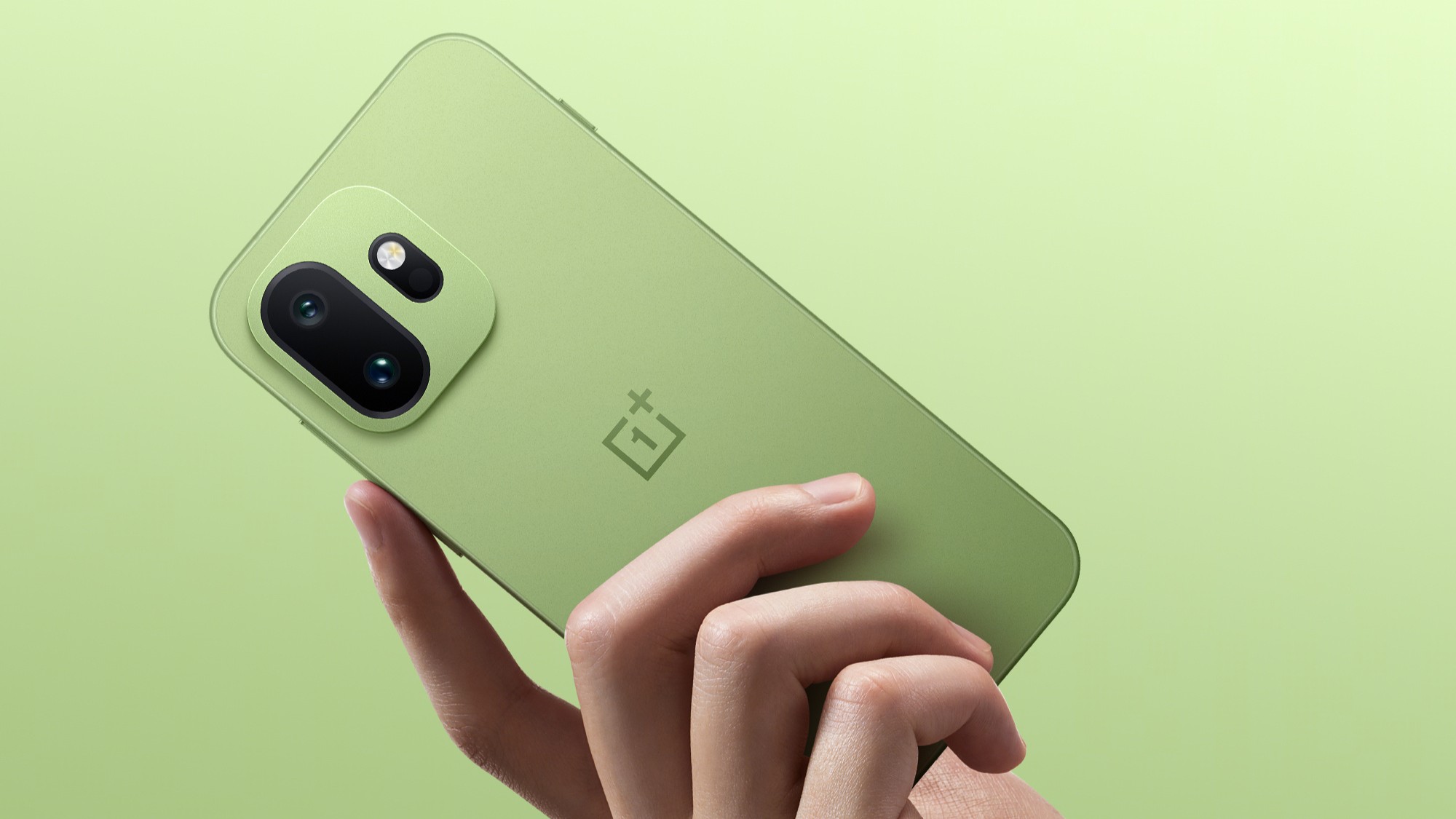
For months, the narrative surrounding the 15T had been shaped by various rumors, often projecting a design language heavily influenced by its larger sibling, the rumored OnePlus 13T. However, the officially released renders showcase a device prioritizing refined minimalism and ergonomic efficiency. Central to this design evolution is the rear panel, which features a strikingly clean, flat surface that evokes a sense of understated elegance. This contrasts sharply with some of the more complex or heavily stylized camera housings previously anticipated. The camera array itself is housed in a neatly contained, rounded square module positioned obligingly in the top-left corner. While this layout shares a foundational geometric similarity with the 13T series, the implementation on the 15T appears decidedly more restrained, housing what is confirmed to be a dual-sensor setup alongside the necessary LED flash unit.
This commitment to minimalism extends to the device’s overall profile. The chassis boasts distinctly flat edges, lending a modern, almost industrial rigidity, yet these edges transition smoothly into subtly rounded corners, a crucial concession for comfortable, protracted handling. The resulting slim profile is a testament to OnePlus’s effort to maximize internal components within a constrained physical envelope—a challenge that defines the premium compact phone niche.
The color palette confirmed by the manufacturer further reinforces this premium positioning. Two initial finishes have been showcased: a vibrant yet sophisticated green and a deep, earthy brown. The green iteration appears to utilize a soft-touch matte texture, offering tactile appeal and resisting fingerprint smudges, complemented by a camera island finish that harmonizes seamlessly with the main body color. The brown variant leans toward a more classic, perhaps even luxurious, muted aesthetic, suggesting OnePlus is aiming for broader demographic appeal beyond the typical tech enthusiast.
The screen specification is perhaps the most significant differentiator confirming the device’s "compact" designation. The OnePlus 15T is slated to feature a 6.32-inch flat OLED panel. In an era where the baseline for a standard flagship display hovers around 6.7 inches, the 15T’s dimensions carve out a significant user base segment that values one-handed operation and reduced pocket burden. Crucially, early visual data suggests remarkably thin bezels surrounding this display, meaning the reduction in external chassis size is achieved without drastically compromising screen real estate—a delicate balancing act engineers often struggle to perfect. The subtle rounding of the display corners is likely implemented not just for aesthetics, but to optimize the visual flow against the phone’s physical contours.
Moving beneath the surface, the performance specifications reveal that "compact" does not translate to compromise. Benchmarking data points toward the integration of the cutting-edge Snapdragon 8 Elite Gen 5 chipset, paired with configurations extending up to 16GB of RAM. This hardware places the 15T squarely in the top tier of Android performance capabilities, ready to handle intensive gaming, advanced multitasking, and demanding productivity suites without hesitation. This commitment to flagship silicon within a smaller frame is a direct challenge to the notion that high-power requires a large battery and chassis.
And speaking of batteries, this is where the OnePlus 15T presents its most audacious engineering feat. Despite the inherent spatial limitations of a compact body, reports strongly indicate the integration of a colossal 7,500mAh cell. To put this capacity into perspective, many full-sized flagship devices struggle to exceed 5,000mAh. If this figure holds true, the 15T could redefine expectations for battery endurance in small phones, potentially offering multi-day usability for moderate users—a feature historically sacrificed for portability. Complementing this massive power reserve are expected high-speed charging protocols: 100W wired charging, a robust 50W wireless charging standard, and the inclusion of bypass charging, which directs power directly to the system during heavy use, mitigating heat generation and battery degradation.
The camera system, while visually contained, is rumored to incorporate advanced optics. Specifically, industry chatter suggests the inclusion of a periscope telephoto lens capable of delivering approximately 3.5x optical zoom. Integrating such a sophisticated optical mechanism into a slim form factor is technically demanding, suggesting advanced lens stacking or innovative internal component placement, further emphasizing the engineering commitment to parity with larger models.
Furthermore, the expected durability profile suggests an almost over-engineered approach to longevity. The rumors point toward a trifecta of ingress protection ratings: IP66, IP68, and potentially IP69. While IP68 covers immersion in water, the inclusion of IP69 suggests resistance against high-pressure, high-temperature water jets—a level of ruggedness rarely seen outside dedicated action cameras or specialized industrial devices. This suggests the 15T is not merely a delicate piece of technology but a robust daily companion.
Industry Implications and Strategic Context
The official reveal of the OnePlus 15T’s design carries significant weight within the broader technology ecosystem. For several years, the market trend has been characterized by "phablets," making the pursuit of true compact flagships an underserved niche. Apple maintains a relatively strong position here with its baseline iPhone models, but on the Android side, options have been sporadic and often involved compromises in performance or battery life (e.g., the Sony Xperia Compact line’s evolution).
OnePlus’s re-entry into this space with a device that appears uncompromised—packing top-tier silicon, massive battery capacity, and advanced camera tech—sends a clear signal to competitors. It suggests that the brand recognizes a latent consumer desire for high-end specifications without the ergonomic burden of modern supersized screens. This strategy directly challenges the traditional industry assumption that flagship buyers prioritize screen size above all else. If the 15T succeeds in delivering on its promised specifications in this form factor, it could force other major manufacturers, including Samsung and Google, to re-evaluate their own compact offerings or risk losing a segment of discerning, high-value consumers.
The design itself, moving away from potentially cluttered leaked visuals to a cleaner, flatter aesthetic, aligns with a maturation of brand identity. It moves away from some of the more aggressive design language of previous generations toward a more mature, sophisticated look that might appeal to professionals who value discretion and usability over overt flashiness. The dual matte colorways—green and brown—are strategic choices that bypass the standard black/white/blue palette, aiming for a premium differentiation point.
Expert Analysis: Engineering Trade-offs and the Battery Enigma
The reported 7,500mAh battery capacity within a 6.32-inch chassis is the most critical technical detail requiring deeper scrutiny. Achieving this density necessitates either a highly energy-dense battery chemistry (which may present thermal challenges) or an exceptionally innovative internal layout. Traditional smartphone designs allocate significant space to non-battery components: cooling systems, complex camera modules, and larger motherboards. For OnePlus to fit this capacity, it implies either aggressive component miniaturization or the use of a stacked battery design, which increases manufacturing complexity and cost.
The confirmation of a periscope zoom lens further compounds the spatial dilemma. Periscope modules require a folded optical path, demanding precise alignment and significant depth, typically reserved for thicker devices. The fact that the 15T retains a slim profile while allegedly accommodating this, alongside the massive battery, suggests a mastery of internal component stacking that borders on industry-leading. Thermal management will be paramount; high-speed 100W charging combined with a high-performance SoC in a small volume creates a significant heat density challenge. The inclusion of bypass charging is a necessary mitigation, but sustained peak performance under load will be the ultimate test of the cooling solution.
The IP69 rating is equally noteworthy. Achieving IP68 is standard for premium flagships, but IP69 requires specialized sealing around ports and buttons to withstand close-range, high-pressure, high-temperature jets of water. This level of protection indicates an intent to market the 15T not just as a premium phone, but as a device engineered for extreme reliability across diverse environments, potentially targeting niche professional markets alongside the general consumer base.
Future Impact and Emerging Trends
The OnePlus 15T appears positioned to capitalize on several evolving consumer trends. First is the growing disillusionment with monolithic slab designs. As screens approach 7 inches, the utility of a phone for quick interactions diminishes. The 15T caters directly to users who want flagship-level processing power for demanding applications (like photo editing or console-quality gaming emulation) but need the device to fit comfortably in a jacket pocket or small purse.
Second, battery anxiety remains a primary driver of consumer frustration. If OnePlus delivers on the promise of a multi-day battery in a compact form factor, it sets a new benchmark for endurance that consumers will immediately begin demanding from other manufacturers across all size categories. This could accelerate the industry’s focus on battery efficiency and density over sheer screen size expansion.
Finally, the design’s understated elegance—flat sides, matte finishes, and a restrained camera bump—reflects a broader move in consumer technology toward "stealth luxury." Devices that perform exceptionally well but do not scream for attention are increasingly valued by discerning buyers. The 15T’s aesthetic choices align perfectly with this trend, suggesting OnePlus is targeting a sophisticated user base tired of overt branding and overly complex visual designs.
While official pricing and complete availability details remain forthcoming, expected to be unveiled during a localized launch event in China later this month, the visual and rumored specification leak suggests a potential flagship killer—not necessarily in price, but in feature-to-size ratio. The narrative surrounding the OnePlus 15T has shifted from mere speculation to a tangible blueprint for what a modern, uncompromising compact smartphone should look like, a blueprint that notably diverges from initial industry expectations based on preceding rumors. The market will be keenly watching to see if the real-world execution lives up to the impressive engineering implied by these early official disclosures.
