

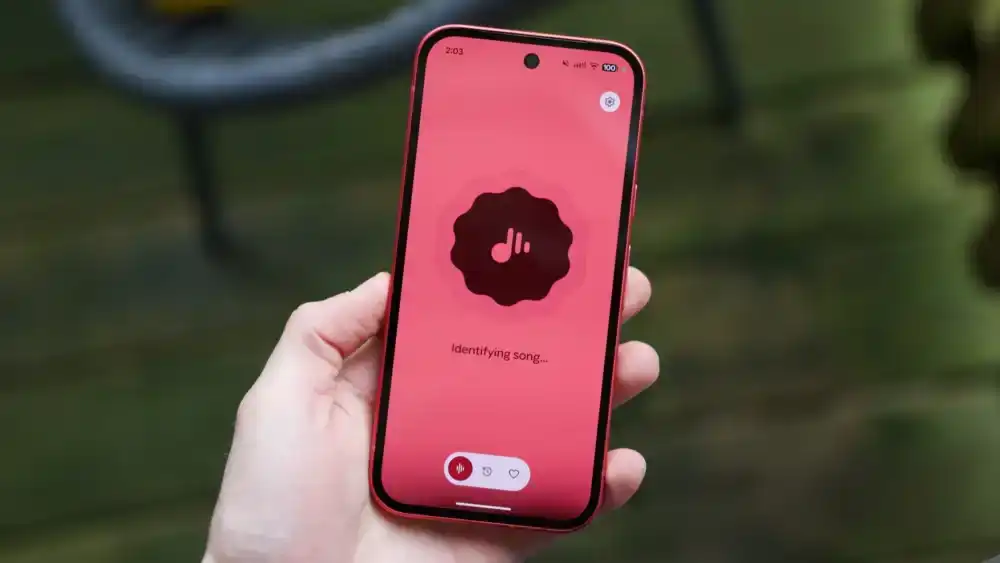
The rollout of a standalone application for Google’s "Now Playing" feature, a quiet hallmark of the Pixel line since its debut on the Pixel 2 XL nearly seven years ago, represents far more than a mere aesthetic refresh. It signifies a strategic solidification of one of the most potent differentiators in the premium smartphone market. For long-time users, the automatic, on-device music identification that activates silently in the background—a feature that often elicits genuine astonishment from first-time users—has been a compelling, almost magical, reason to remain tethered to the Pixel ecosystem. This recent elevation from a deep-seated system setting to a fully realized, dedicated application, complete with Material 3 expressive design principles, suggests Google views this capability not as legacy software, but as a vital, evolving component of its ambient computing vision.
The Genesis of Ambient Awareness: Contextualizing Now Playing
To fully appreciate the significance of this application update, one must revisit the technological landscape when Now Playing first arrived. In an era where music identification relied heavily on active user input—launching an app, tapping a screen, and waiting for a server response (as with early versions of Shazam)—Google introduced a paradigm shift. Now Playing operated almost entirely locally, leveraging a specialized, low-power chip (or dedicated processing on the main SoC) to constantly monitor ambient audio. This localized processing power was a significant technical feat, offering near-instantaneous results without draining the battery or necessitating constant cloud connectivity. This foundational commitment to offline capability remains crucial, distinguishing it from competitors who often require cloud verification for similar features.
The initial implementation was inherently limited by its integration solely within the operating system’s lock screen notification banner and a historical log buried within the labyrinthine depths of the Settings menu. While the passive functionality—the automatic identification—was flawless, the management and interaction layer felt underdeveloped. Users could see what was playing, but accessing the history, liking tracks for later retrieval, or adjusting preferences required navigating deep into system configuration menus, a friction point that undercut the feature’s otherwise seamless execution. The optional Quick Settings tile offered a workaround for manual initiation, but the entire experience lacked the cohesive presence expected of a flagship feature.
The Architectural Leap: From Setting to Standalone Application
The transition to a dedicated Google Play Store application fundamentally restructures the user interaction model for Now Playing. Functionally, the core passive service remains unchanged—the phone continues to listen and identify music efficiently in the background. However, the user-facing components have undergone a comprehensive modernization.
The immediate visual impact is the adoption of Google’s latest design language, Material You/Material 3. This is not merely cosmetic; it implies a commitment to consistent, modern user experience standards across the entire device. The lock screen notification is now visually enhanced, featuring larger, more legible text and, critically, richer interactive elements upon tapping. Where tapping previously led to a system setting page, the new flow expands directly on the lock screen to display comprehensive track information, including prominent album artwork. Furthermore, integrated shortcuts allow users to instantly "Favorite" the track or launch it directly into their designated default streaming service (Spotify, YouTube Music, etc.). This reduction in navigational steps—the classic example of reducing interaction cost—transforms a passive notification into an active engagement point.
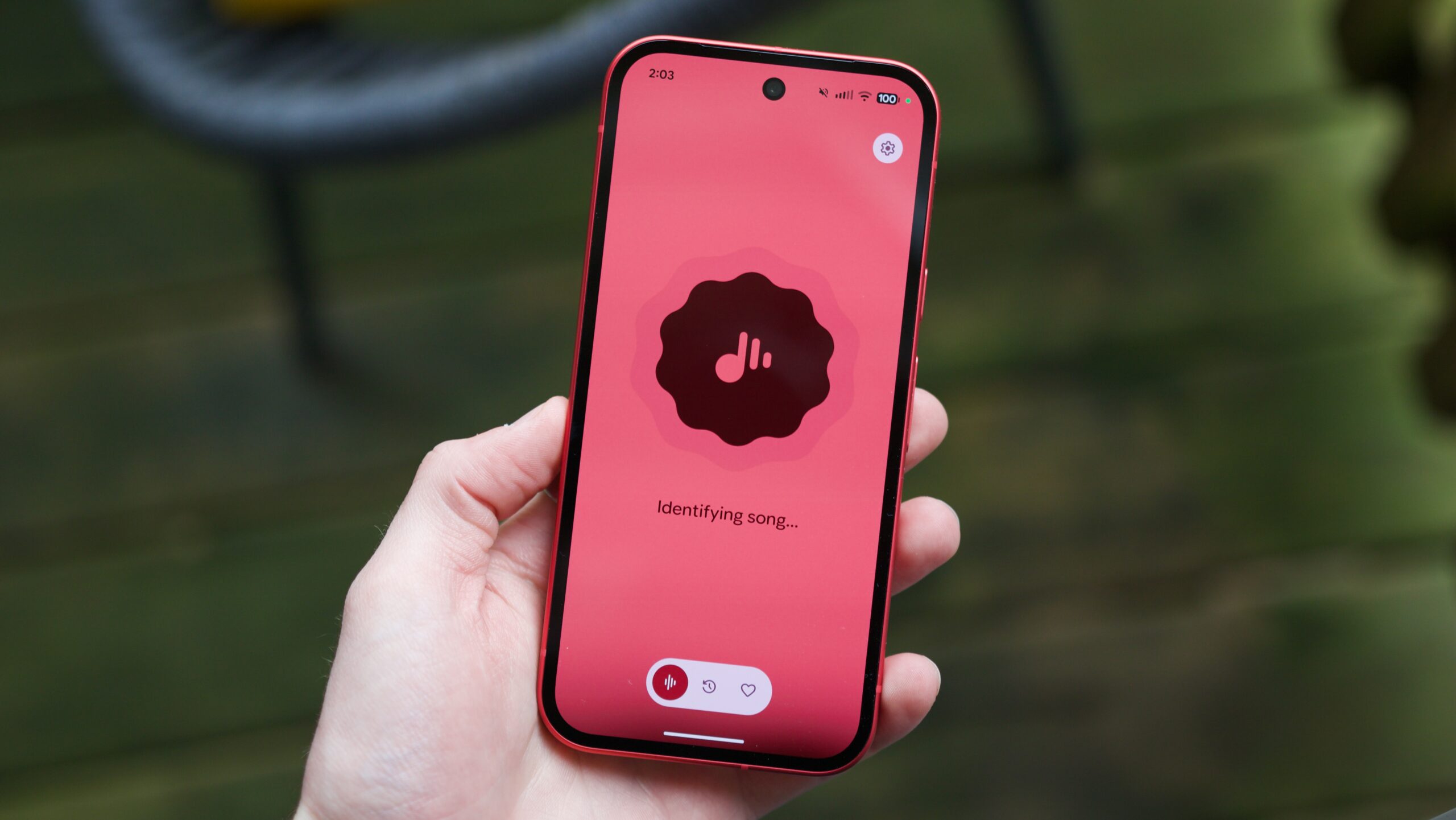
The true utility upgrade, however, lies in the application itself. The old history log was functional but sterile. The new Now Playing application centralizes all metadata: the comprehensive, searchable history of every song identified, the curated list of favored tracks, and the straightforward controls for setting preferred music providers. This consolidation transforms Now Playing from an incidental system quirk into a genuinely useful, persistent media journal.
Moreover, the application successfully incorporates the manual identification function—previously relegated to a separate tile action—into its primary interface via a prominent, centrally located capture button. While Quick Settings remains an option for rapid identification when the lock screen isn’t visible, having the comprehensive management suite (history, favorites, settings) and the immediate manual trigger housed within a single, discoverable app provides the organizational structure the feature always warranted.
Industry Implications: The Value of Proprietary Differentiation
The sustained refinement of Now Playing carries significant implications for the broader mobile industry, particularly concerning hardware differentiation. In an increasingly commoditized smartphone market, where processing power, camera megapixels, and screen refresh rates have largely converged among top-tier flagships, software exclusives become the ultimate battleground for customer loyalty.
Now Playing is a prime example of Google leveraging its core competency—ambient AI and machine learning—to create an experience that is difficult, if not impossible, for competitors to replicate effectively overnight. While competitors like Samsung offer robust ambient features, none have achieved the combination of low-power consumption, instantaneity, and deep system integration that Now Playing offers.
The decision to spin this feature into its own app suggests Google is doubling down on the "Pixel Experience." It implies a strategic understanding that features that genuinely enhance daily life, without demanding constant user attention, create powerful, subconscious brand affinity. For many Pixel owners, this feature is the "secret sauce" that outweighs minor hardware differences elsewhere. The investment in a dedicated app signals that Google intends to evolve Now Playing beyond simple identification—perhaps integrating contextual awareness (e.g., identifying music genres commonly heard in specific locations, or flagging background noise hazards) in the future.
Expert Analysis: The Power of Passive Computing
From a user experience (UX) and human-computer interaction (HCI) perspective, Now Playing embodies the ideal of "calm technology." It provides valuable information precisely when it is needed (ambiently) and retreats gracefully when it is not, imposing minimal cognitive load. The architectural shift to a standalone app bolsters this calm approach while simultaneously increasing transparency.
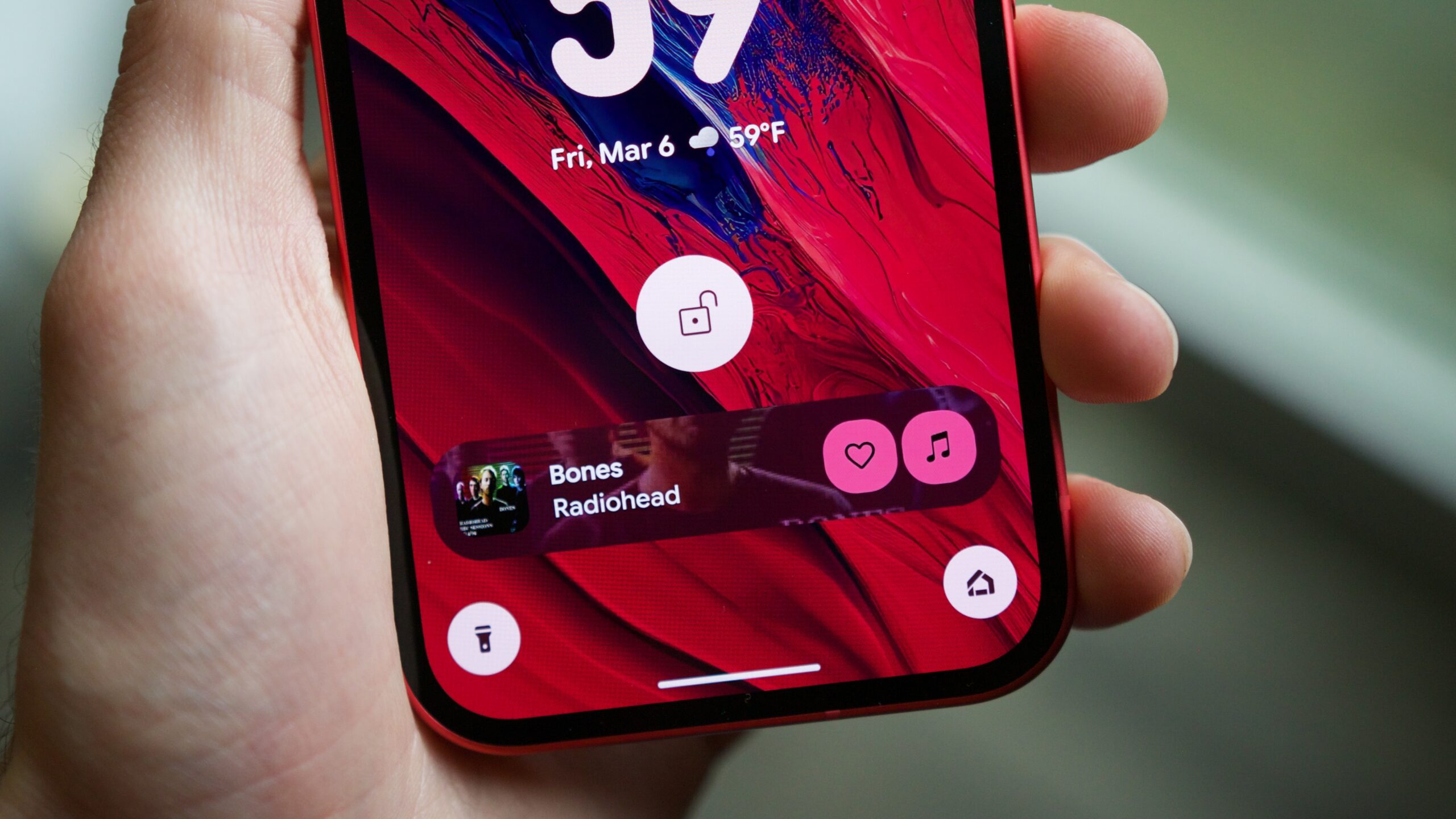
The integration of album art and direct playback links upon expanding the lock screen notification is a classic example of "progressive disclosure" in UX design. The information is hidden until the user expresses intent (by tapping), at which point a rich, context-aware card appears, offering actionable pathways. This is far superior to merely presenting a static text string.
The commitment to Material 3 is equally significant. It ensures that as the broader Android operating system evolves its visual language, Now Playing will automatically inherit consistency and fluidity. This modularization—extracting a core feature from the main OS settings bundle—allows Google to update its look, feel, and interaction model rapidly without waiting for major Android version releases, demonstrating agility in feature refinement. This modularity is a key trend in modern software development, treating high-value, self-contained features as independent services.
Future Impact and Trend Projection
The formalization of the Now Playing app sets several precedents for future Pixel exclusives:
- Feature Independence: Expect other successful Pixel-exclusive functions (like enhanced call screening or certain camera computational photography elements) to potentially migrate into their own Play Store applications. This allows for faster iteration cycles decoupled from the carrier certification and device update schedule for the core OS.
- Deeper Contextualization: With a dedicated app infrastructure, Google can begin layering more complex, AI-driven contexts onto the music data. Imagine the app automatically curating playlists based on where and when you hear specific tracks, or using recognized music to trigger specific smart home routines.
- Competitive Pressure: While competitors have struggled to match the on-device efficiency, the polished nature of this new app might pressure rivals to invest more heavily in their own passive background processing capabilities. It raises the baseline expectation for what a premium smartphone should offer in terms of environmental awareness.
In conclusion, the arrival of the dedicated Now Playing application is not about introducing groundbreaking functionality; it is about honoring existing functionality with the respect and polish it has long deserved. By streamlining interaction, modernizing the interface with Material 3, and enshrining its presence via the Play Store, Google has signaled that this nearly decade-old, seemingly simple feature remains central to its definition of a superior mobile experience. For the dedicated Pixel user, this update transforms a beloved background utility into a fully integrated, visually compelling centerpiece of the device ecosystem, reinforcing the platform’s unique value proposition in a crowded marketplace. The silent listener has finally been given a voice, and that voice sounds far more engaging than ever before. This architectural move ensures Now Playing’s longevity and prepares it for the next wave of ambient intelligence integration.
