

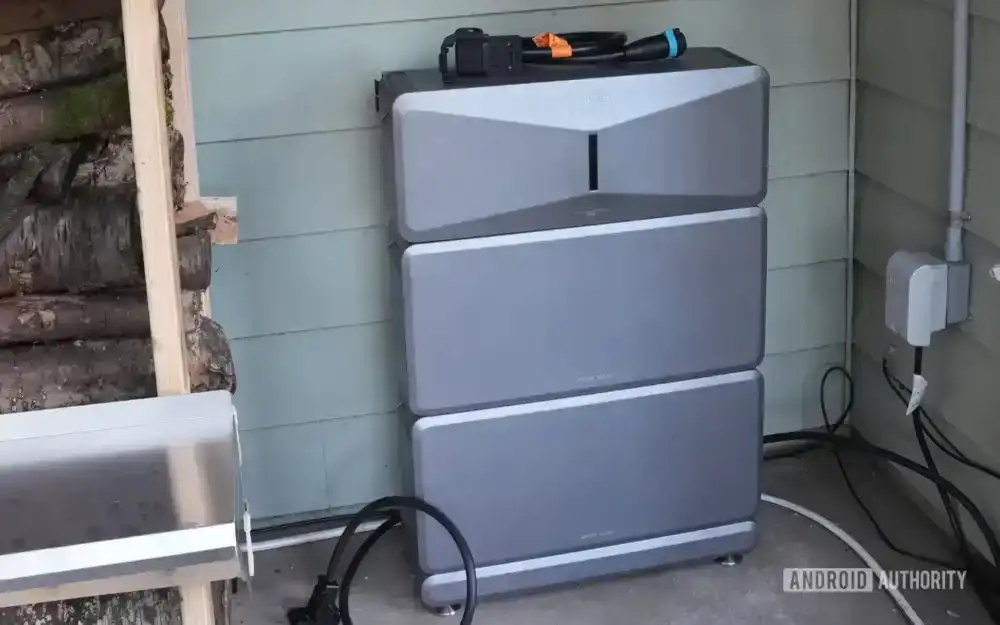
The escalating volatility of global energy infrastructure, coupled with increasingly severe weather events, has shifted home backup power from a niche luxury to a core necessity for modern living. While portable power stations offer temporary relief, the demand for seamless, whole-home continuity—especially for critical systems like HVAC, refrigeration, and medical equipment—requires a more robust, integrated solution. Enter the Anker SOLIX E10 Whole-Home Backup System, a modular ecosystem that moves beyond simple battery banks to offer a sophisticated, intelligent energy management platform designed for indefinite resilience. This system is not merely a generator replacement; it represents a paradigm shift in how consumers approach energy independence.
The transition to reliable, automated home power protection is significant. Traditional standby generators, while powerful, often suffer from high maintenance demands, noise pollution, and reliance on a single fuel source. Portable power solutions, conversely, lack the capacity and seamless integration required to sustain a typical household for more than a day or two. The SOLIX E10 attempts to bridge this gap by synthesizing best-in-class battery technology with smart fuel-based generation, all managed by advanced power electronics. The core promise is hands-free, automatic protection against both short-duration grid failures and extended regional blackouts, offering a level of operational efficiency previously unseen in consumer-grade systems.
Deconstructing the SOLIX E10 Architecture
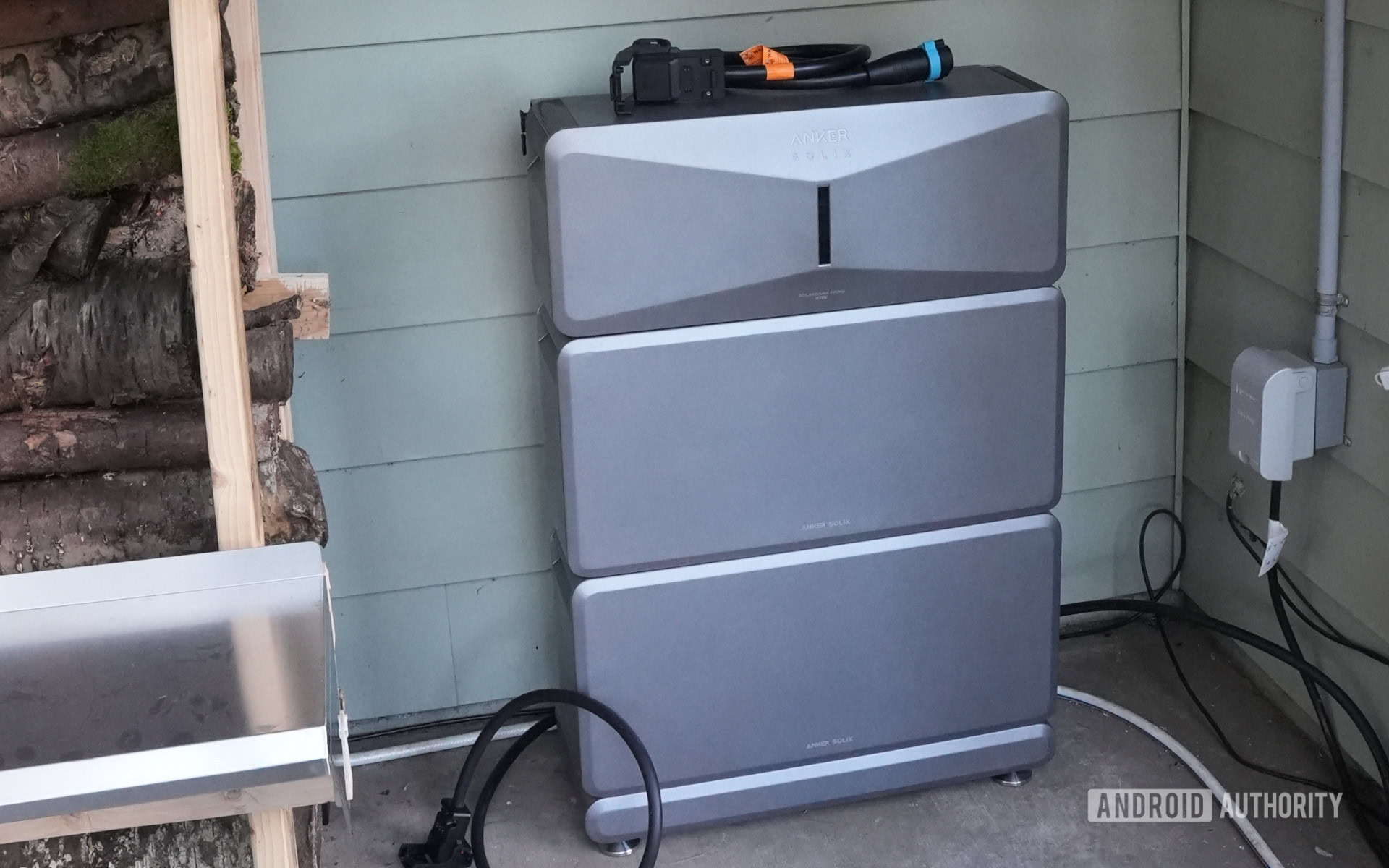
The strength of the E10 system lies in its carefully segmented, yet deeply interconnected, components. Unlike monolithic home battery solutions, the E10 is scalable and adaptable, functioning as a hybrid energy hub. Understanding the system requires examining its primary modules: the Battery Stack, the Power Module, the Power Dock, and the optional but crucial Smart Generator.
The Battery Core (B6000 Modules):
Each modular battery unit (B6000) provides 6kWh of storage capacity. These are built using automotive-grade lithium iron phosphate (LFP) cells, which contribute to a projected 10-year lifespan, a critical metric for long-term capital investments in home infrastructure. The system’s scalability is impressive: a single Power Module can manage up to five of these units, totaling 30kWh. Furthermore, up to three Power Modules can operate concurrently, pushing the maximum scalable capacity to a staggering 90kWh. To contextualize this, the average US household consumes approximately 30kWh daily, meaning a fully scaled E10 setup could theoretically sustain the average home for three full days without any external charging input.
The Power Module (The Energy Director):
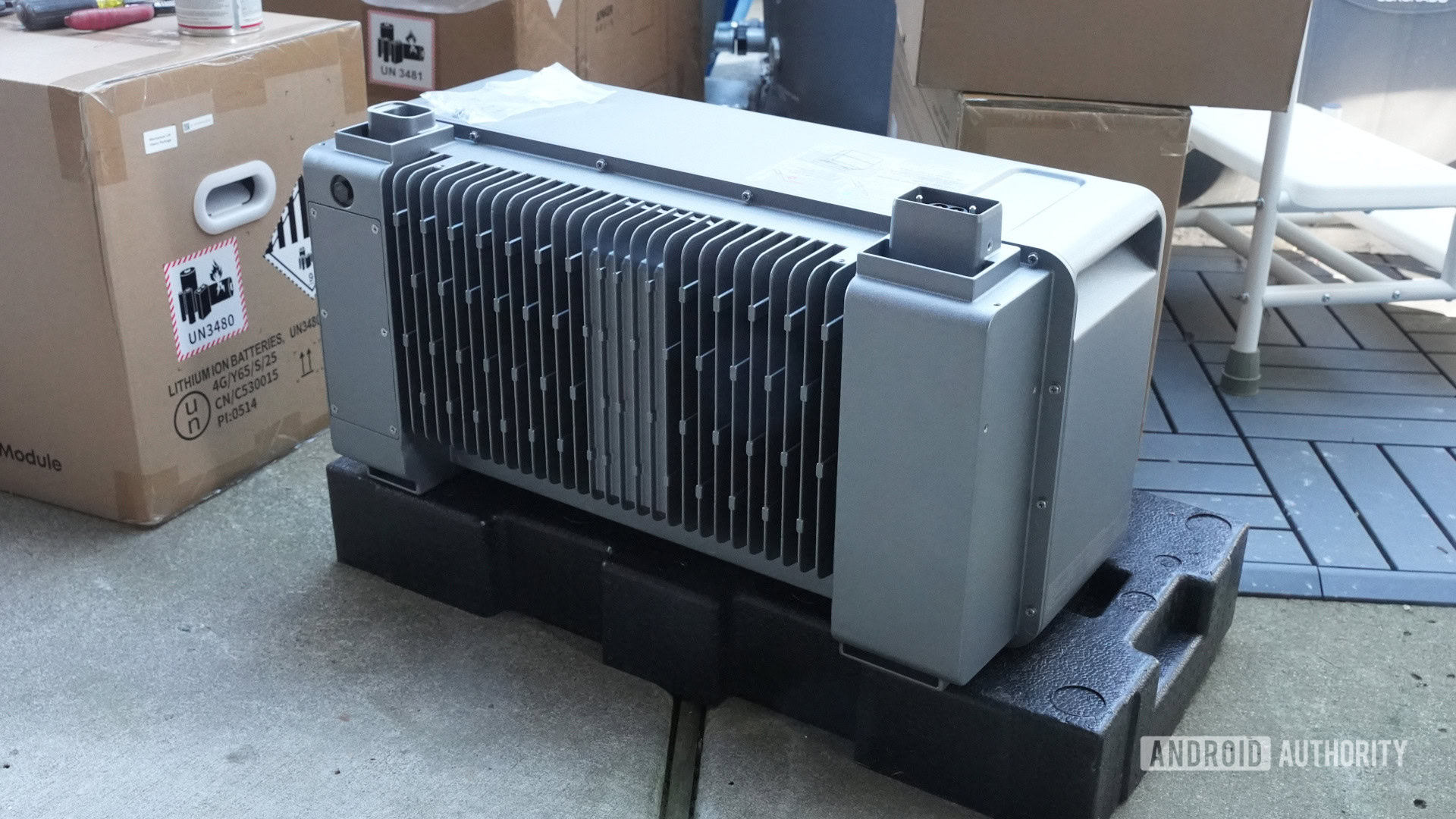
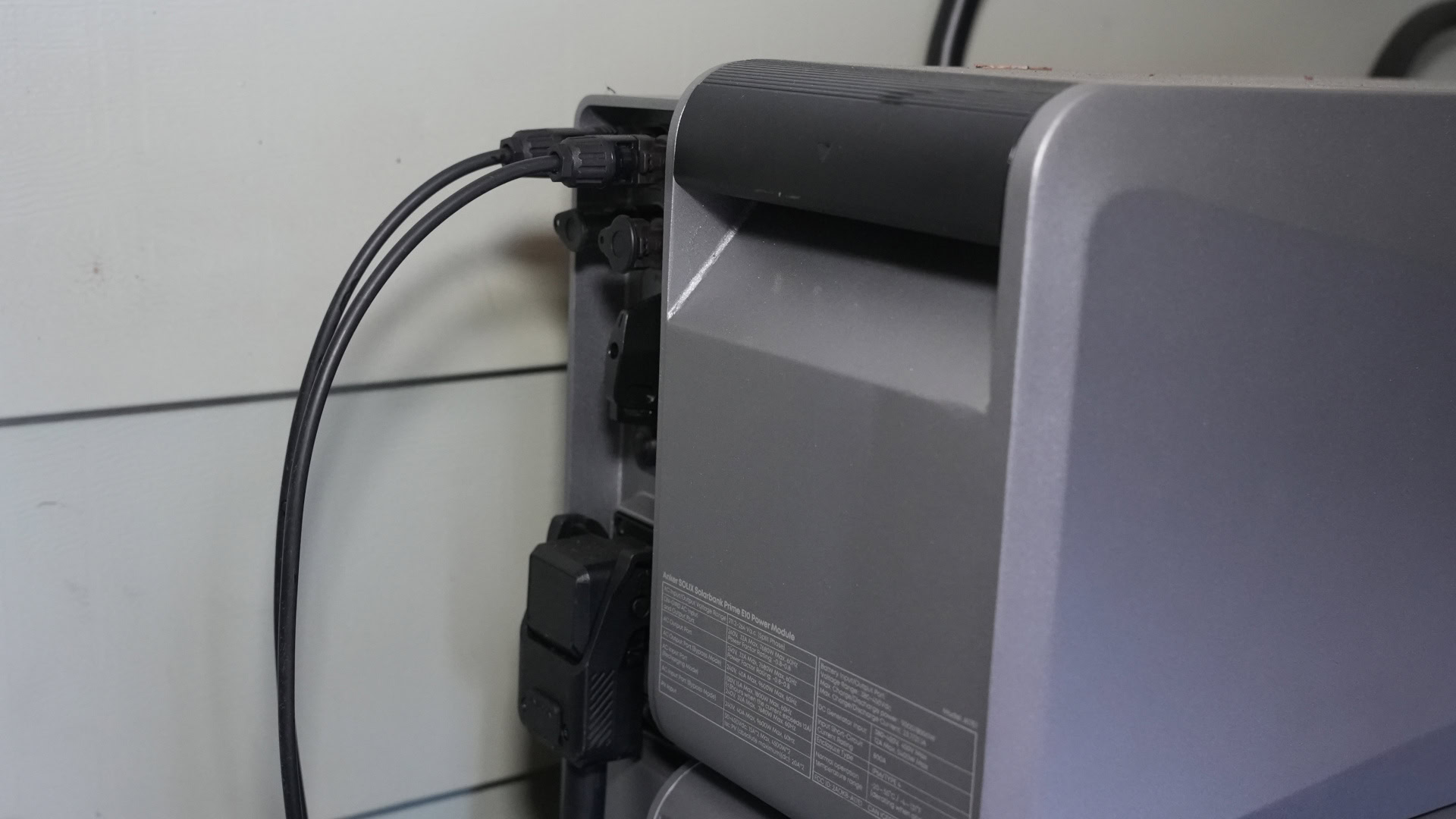
This unit acts as the central nexus for all stored and generated energy inputs. It interfaces directly with the stacked batteries and is engineered to accept charging inputs from multiple sources: grid tie-in (indirectly via the Power Dock), external standard generators, solar arrays (via dual 30-450V MPPT connectors), and the proprietary Smart Generator. The Power Module’s primary role is managing the DC power flow, prioritizing efficiency and battery health while ensuring immediate energy availability for the home.
The Power Dock (The Grid Interface and Intelligence Hub):
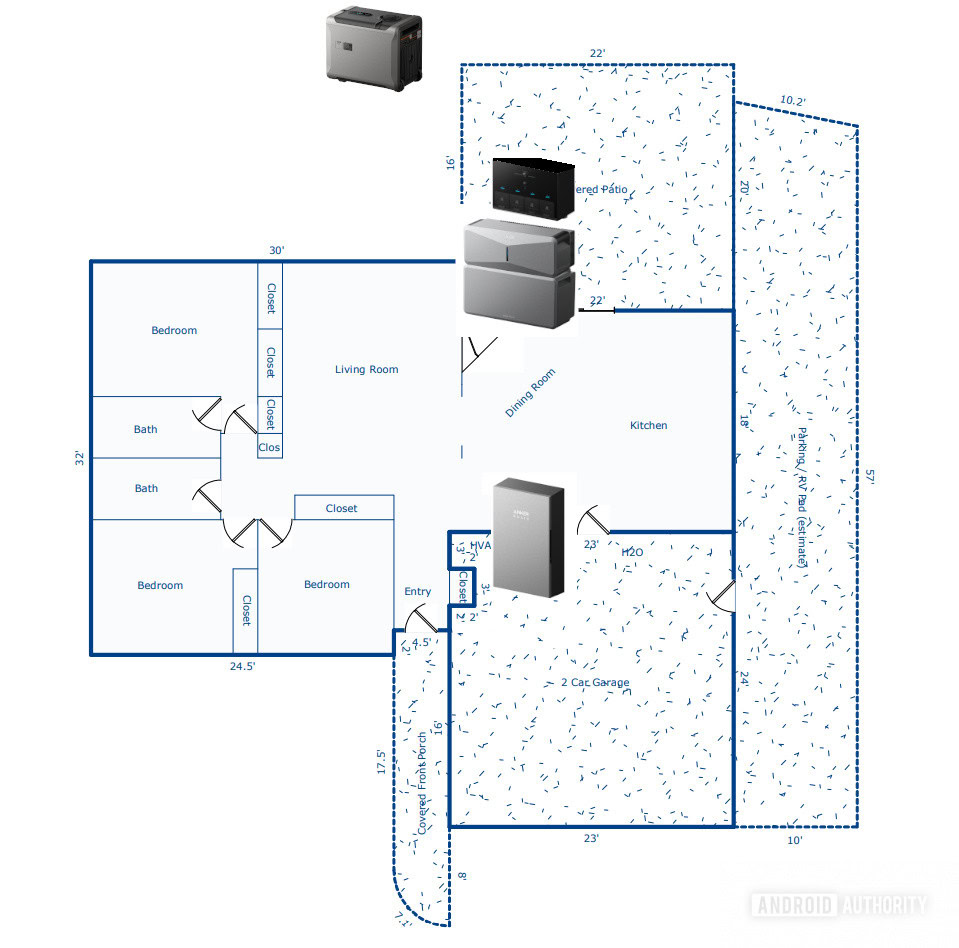
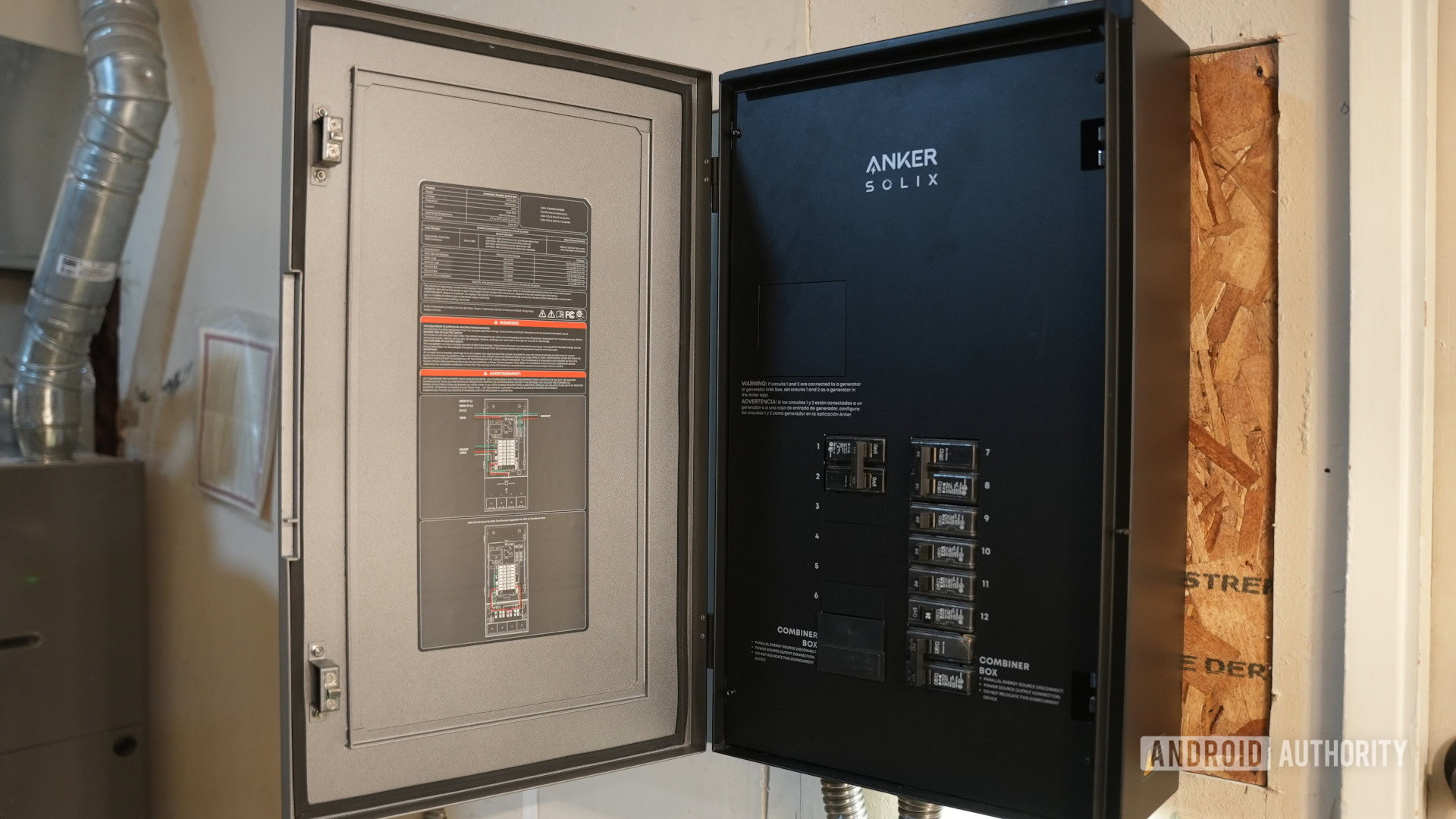
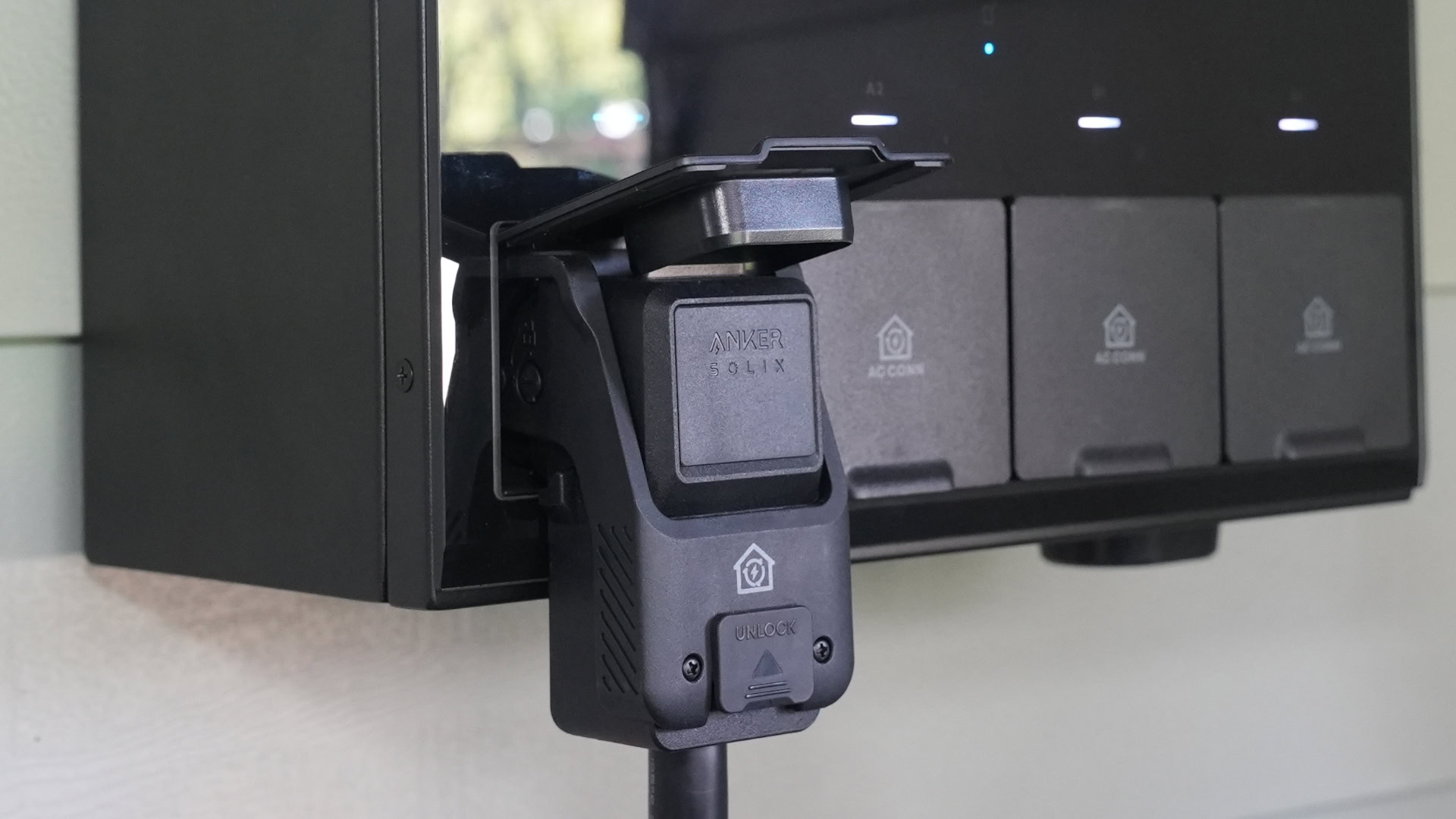
The Power Dock is arguably the most sophisticated element, serving as the system’s digital brain for grid interaction. It integrates a high-speed automatic transfer switch (ATS) and a smart breaker panel, allowing for meticulous control over which household circuits receive backup power. Crucially, the Power Dock is engineered for near-instantaneous transition; observed switching times are below 20 milliseconds, virtually eliminating noticeable flicker during grid failure—a significant improvement over many conventional transfer switches. It features 12 customizable 120V circuit slots, with options to merge slots for 240V appliance support, and a dedicated input port for third-party solar systems, ensuring compatibility beyond Anker’s own ecosystem.
The Smart Generator (The Infinite Power Extender):
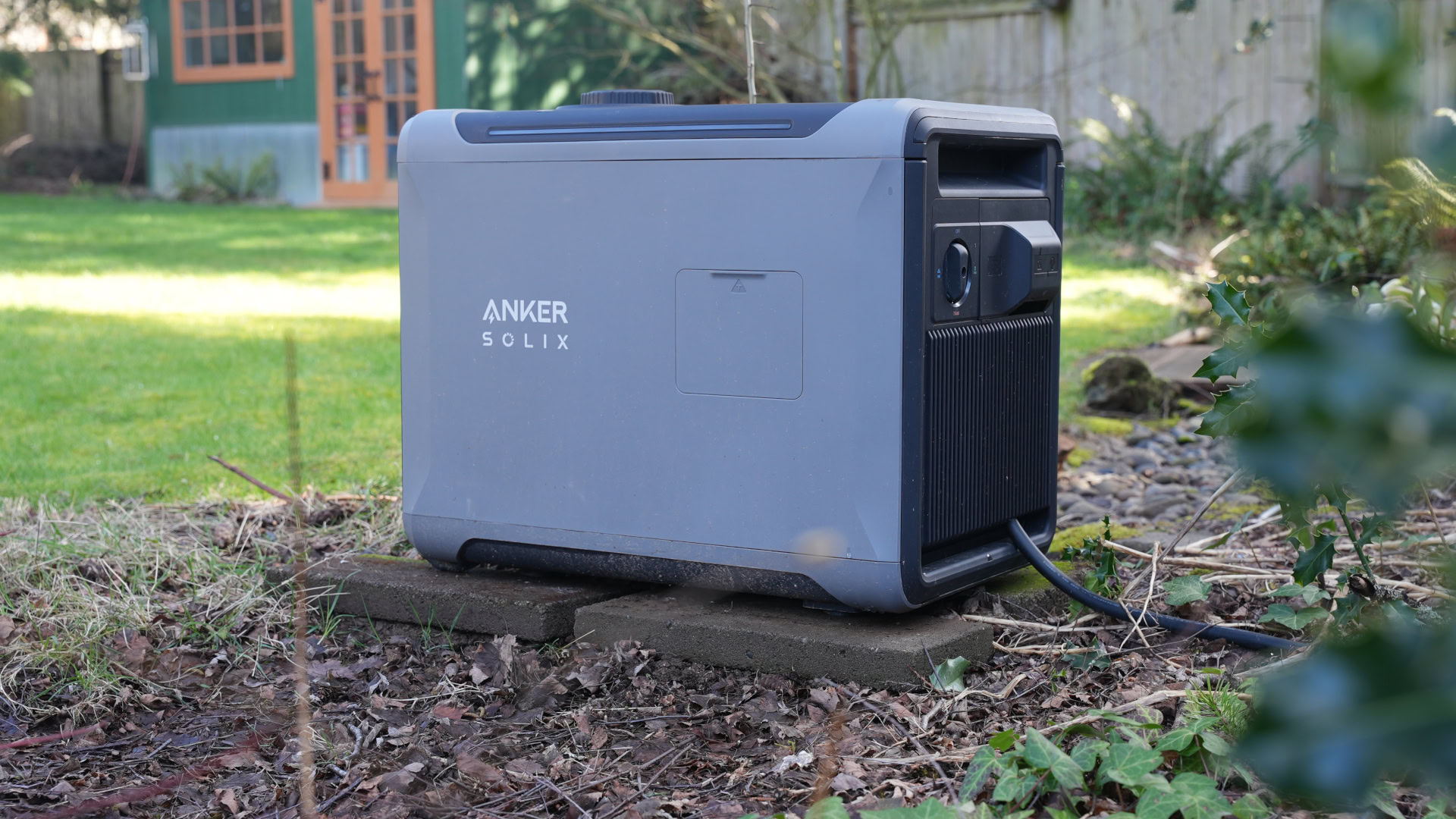
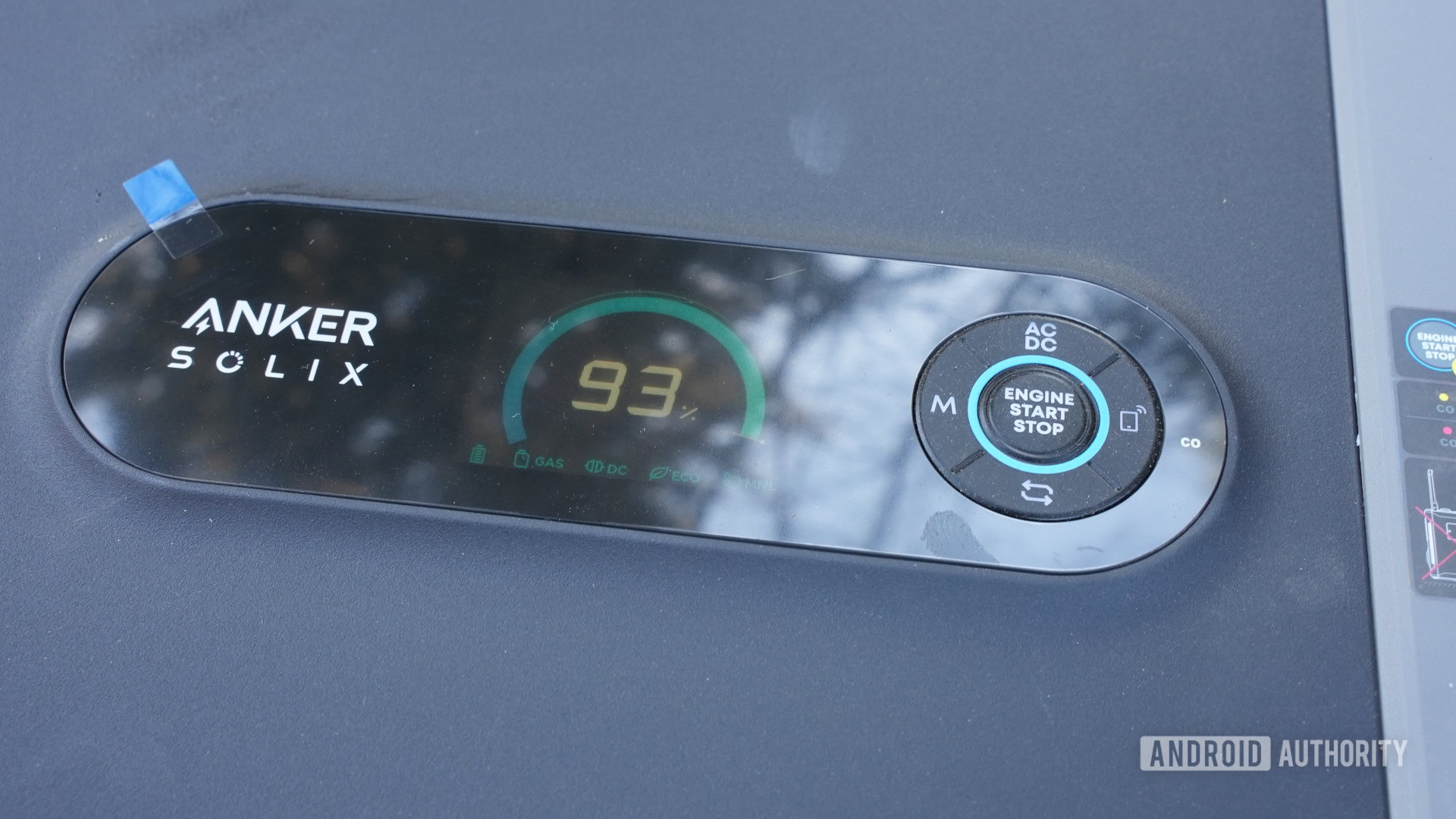
The Smart Generator is what elevates the E10 from a large battery bank to a true whole-home, sustained backup solution. Its intelligence lies in its fuel flexibility (gasoline, propane/LP, or natural gas—the latter requiring professional installation) and its unique power transmission method. Instead of inverting its output to AC for the home and then having the Power Module convert it back to DC for charging, the Smart Generator delivers power as high-voltage DC (up to 4,500W) directly to the Power Module. This bypasses an entire AC/DC conversion step, drastically reducing energy loss inherent in traditional generator setups, which Anker claims leads to up to five times greater efficiency compared to older home backup solutions.
Industry Context and Efficiency Analysis
The energy storage market is rapidly segmenting. On one end are grid-tied solar battery systems (like Tesla Powerwall or Enphase IQ Battery), which are excellent for solar self-consumption and short outages but often rely heavily on grid reinstatement for long-term function. On the other are traditional portable power stations, which are versatile but lack the necessary amperage and integration for primary home circuits.
The SOLIX E10 carves out a new category: the "Modular Hybrid Home Power System." Its efficiency claim of being up to 5x better than competing systems stems directly from that DC-to-DC link between the Smart Generator and the Power Module. In standard generator-to-inverter setups, efficiency losses during AC generation and subsequent DC battery charging can exceed 20-30%. By converting fuel energy directly to the DC bus used by the LFP batteries, the E10 minimizes thermal waste and maximizes the usable energy derived from each unit of fuel.
In the testing scenario described, with a typical household drawing 1,500W, the Smart Generator, running in Eco mode (around 4,000W DC output), could simultaneously power the home and aggressively recharge the batteries. This regenerative cycle—where the generator sustains the load while rapidly topping off the battery reserves—ensures the system remains primed for subsequent grid failures or during peak demand cycles. The system’s ability to manage high-draw appliances (like a 7kW combined load from a water heater and hot tub) without hesitation underscores its substantial continuous output capacity (up to 10kW continuous draw with surge protection).
Software Intelligence: The Differentiator
For a complex hardware system to be user-friendly, the software interface must be exceptional. The mandatory Anker application serves as the command center, moving beyond simple monitoring to offer granular control over energy economics and disaster preparedness.
Circuit Management and Prioritization: The 12-circuit Power Dock allows for a tiered response strategy essential during extended outages.
- Must Have Circuits: These are non-negotiable, always-on circuits (e.g., essential network gear, refrigerator, well pump).
- Nice To Have Circuits: These remain powered until the battery reaches a user-defined depletion threshold (e.g., 50%), at which point they are automatically cut to preserve reserves until the generator engages or the grid returns.
- Non-Priority Circuits: These drop immediately upon grid failure, conserving stored energy for essential needs.
This level of intelligent load shedding is critical for maximizing runtime during long-duration events.
Economic Optimization (Time of Use): For areas with dynamic utility pricing, the Time of Use (TOU) feature is a major value proposition. By integrating with utility rate schedules, the E10 can automatically prioritize charging the massive battery bank during off-peak (cheaper) electricity hours and discharge into the home during peak (expensive) hours. Anker’s assertion that users could see up to an 80% reduction in peak utility spending highlights the system’s potential to transition from a pure cost center (backup) to an active cost-saving asset.
Proactive Preparedness (Storm Guard): The automated Storm Guard mode represents a leap in preventative energy management. By monitoring localized weather data, the system preemptively shifts operational priorities—often overriding current TOU settings—to ensure the batteries reach 100% charge before a predicted severe weather event causes a blackout. This shifts system operation from reactive to predictive, maximizing preparedness when it matters most.
Installation, Scalability, and Market Implications
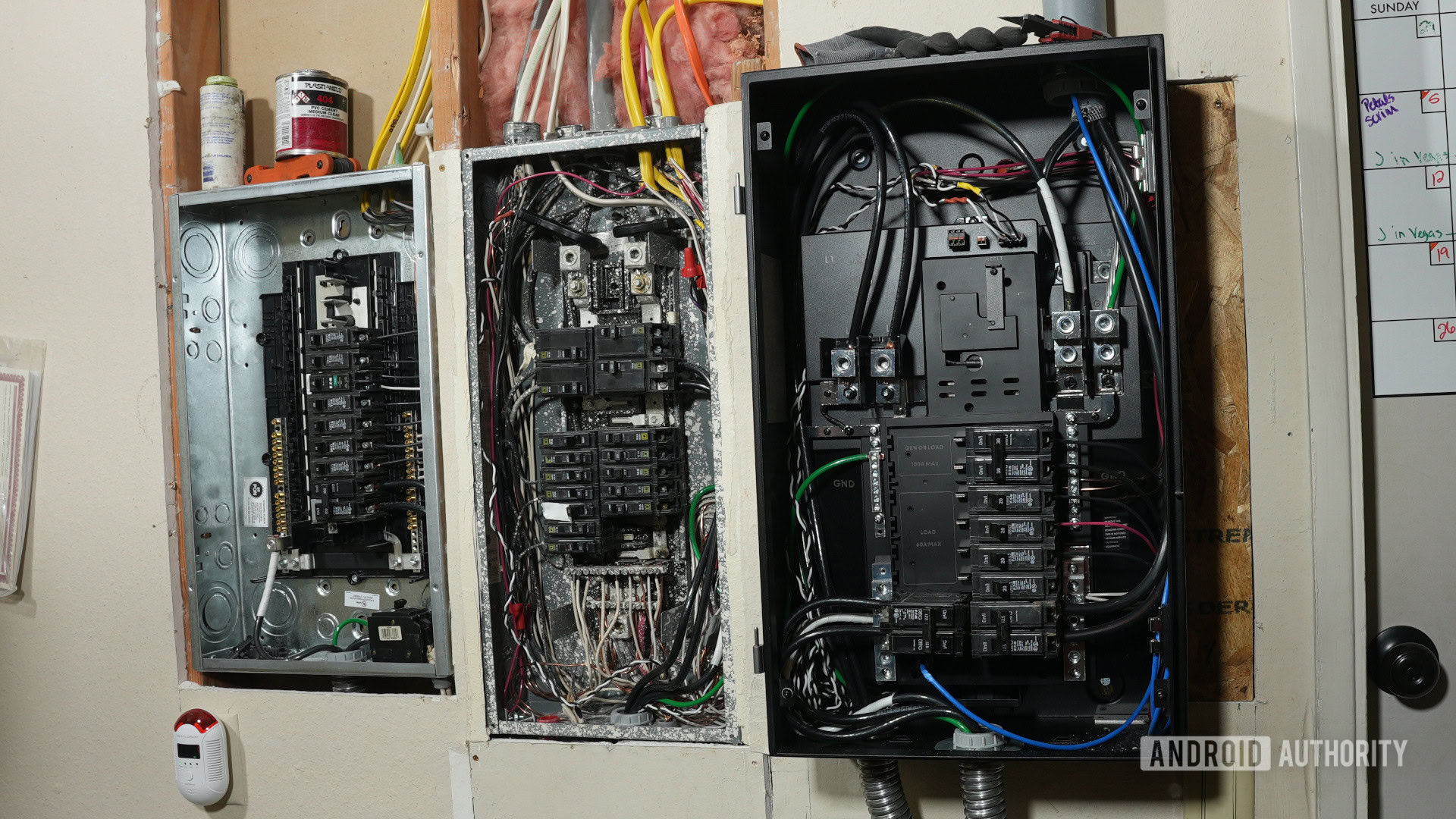
The E10 system is explicitly designed for permanent integration. The sheer weight of the components (the tested configuration approached 800 lbs across three pallets) necessitates professional installation, local permitting, and integration with the home’s main electrical service panel via the Power Dock. This positions the E10 squarely against established whole-home standby systems, such as those offered by Generac or Eaton, rather than the portable market.
Scalability as a Strategy: The modularity allows homeowners to tailor the initial investment to current needs while offering a clear path for future expansion. A homeowner facing frequent, short outages might start with one Power Module and two batteries (12kWh). If grid instability worsens, they can add modules and batteries (up to 90kWh) without replacing the core intelligence (Power Module and Power Dock). This layered approach mitigates the upfront financial shock often associated with full-scale home energy retrofits.
Future Trends: The SOLIX E10 aligns perfectly with several emerging trends in distributed energy resources (DERs):
- Hybridization: The seamless integration of battery storage (Li-ion) with fuel-based generation (natural gas/propane) offers the "best of both worlds"—clean, silent power for daily use and high-output resilience for emergencies.
- Smart Grid Integration: Features like TOU management position the E10 as a flexible load that can support utility demand-response programs, potentially leading to future financial incentives for owners.
- DC Optimization: The focus on maximizing DC power transfer efficiency sets a new benchmark for optimizing renewable energy capture and storage charging, moving away from inefficient AC intermediary stages.
The Value Proposition: Beyond the Price Tag
The initial investment for a fully realized E10 system, including installation, can easily exceed $10,000, placing it at the higher end of residential backup solutions. This demands a justification beyond mere convenience. The value proposition hinges on comprehensive continuity and the elimination of compromise.
For users reliant on consistent power for business operations (as noted by the need to maintain desktop and network functionality) or those in areas prone to long-duration weather events (where days without power are plausible), the E10 offers unparalleled peace of mind. The ability to run high-draw HVAC systems or essential appliances like electric water heaters for extended periods, backed by multi-fuel capability, fundamentally changes the risk profile of residing in vulnerable locations.
While the prospect of reducing utility bills via TOU management offers an economic payback model, the true return on investment for the E10 is measured in avoided costs: lost perishable food, compromised work productivity, and the sheer disruption of modern life during an outage. The system’s performance—specifically the near-invisible transfer switch and the robust power output handling combined loads approaching 10kW—delivers on the promise of "no compromises."
Conclusion: A New Standard for Energy Security
The Anker SOLIX E10 Whole-Home Backup System is not a simple plug-and-play accessory; it is a serious, professionally installed piece of home utility infrastructure. It leverages modular battery capacity, high-efficiency DC generation linkage, and sophisticated software controls to create a cohesive energy fortress around the home. By intelligently managing solar input, battery discharge, and generator augmentation, the E10 provides a level of sustained, automated energy independence that significantly surpasses most competitors in the residential sector. For homeowners prioritizing robust, scalable, and intelligent power continuity, the E10 establishes a compelling, albeit premium, new standard.
