


The market for portable energy solutions has never been more dynamic, characterized by rapid technological advancements in battery density, charging speed, and overall system efficiency. Amidst this competitive landscape, Anker has solidified its position as a vanguard brand, particularly with its SOLIX series of power stations, which bridge the gap between consumer electronics portability and genuine off-grid utility. Currently, consumers have a significant opportunity to acquire two distinct models from this lineup—the SOLIX C1000 Gen 2 and the higher-capacity SOLIX C2000 Gen 2—at promotional pricing approaching a remarkable 50% discount. These offers, facilitated through Amazon, benefit from direct fulfillment and sales by Anker itself, lending credence to the legitimacy and scope of the markdown.
The proliferation of portable power stations is not merely a trend driven by outdoor enthusiasts; it reflects a broader societal shift towards energy resilience, preparedness, and decentralized power access. From managing essential appliances during grid instability to powering remote worksites or extended camping expeditions, these units have evolved from niche gadgets into vital pieces of modern infrastructure. Anker’s sustained success in this segment stems from its mastery of lithium battery technology, refined over years in the consumer charging sector, allowing them to deliver high-output, long-cycle-life devices that often surpass competitors in terms of thermal management and recharge velocity.
The SOLIX C1000 Gen 2: Balancing Power and Mobility
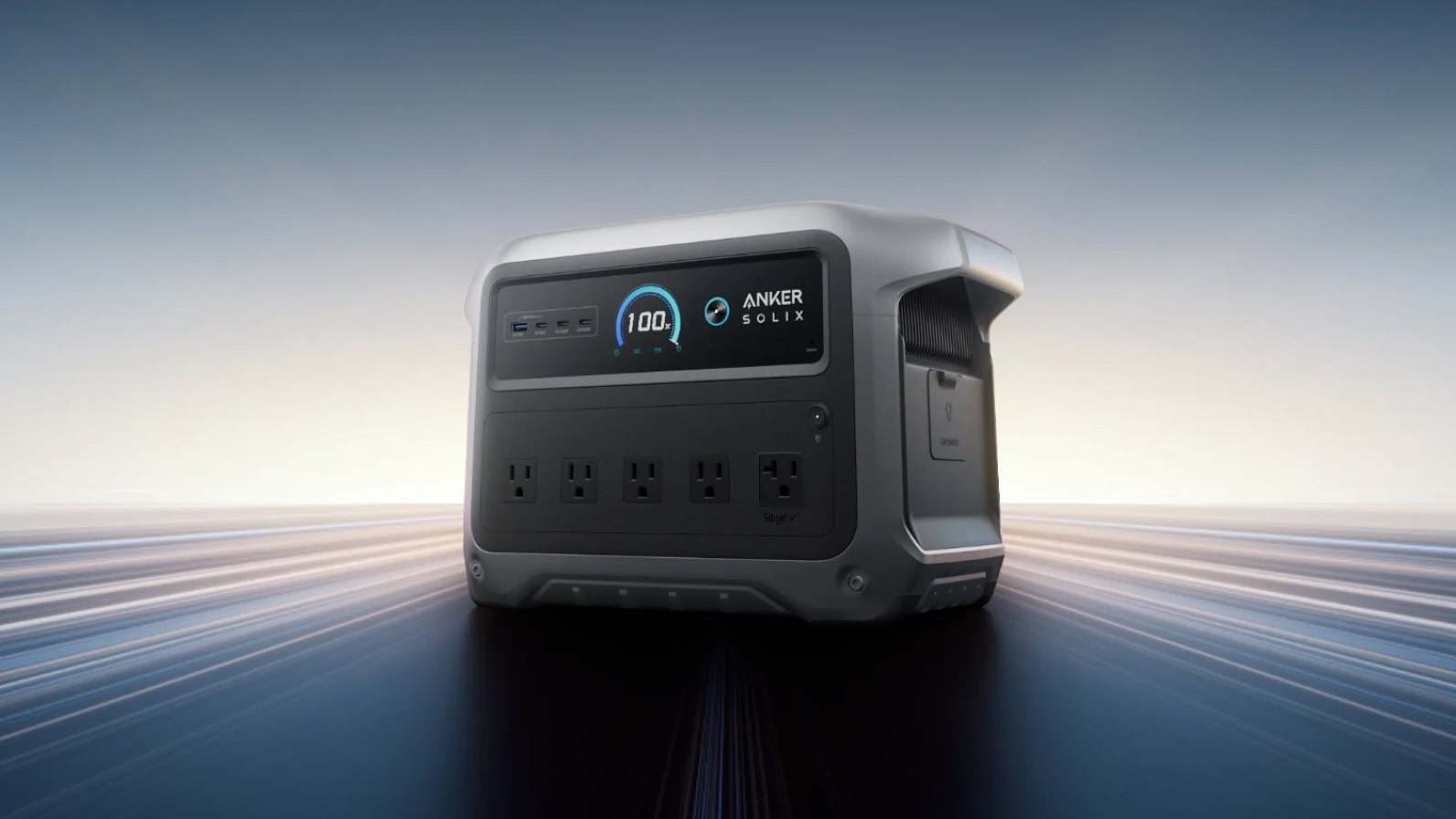
The Anker SOLIX C1000 Gen 2 represents a meticulously engineered middle ground, perfectly tailored for users who demand substantial power reserves without sacrificing the ability to transport the unit reasonably easily. Its physical footprint—measuring approximately 15.12 x 8.19 x 9.61 inches—and a manageable weight of 24.9 pounds place it squarely in the realm of devices that a single individual can relocate without undue physical strain, perhaps over short distances or between a vehicle and a campsite.
From an electrical engineering perspective, the C1000 Gen 2 is impressively capable. It boasts a continuous power output rated at 2,000W, with surge capabilities reaching 3,000W. This specification is crucial for understanding its practical application. Many common household high-draw appliances, such as electric kettles (typically 1,000W to 1,500W) or even some compact microwaves (often 800W to 1,200W), can be operated simultaneously or sequentially with significant headroom. This capability distinguishes it from lower-end models that might only handle smaller electronics or require users to cycle power usage carefully.
The internal battery architecture provides a usable capacity of 1,024 Watt-hours (Wh). To contextualize this energy store: for the average smartphone, which consumes roughly 15 Wh per full charge, the C1000 Gen 2 could theoretically recharge a handset around 67 times. More realistically, for sustained usage scenarios, this translates into approximately 14 hours of runtime for a standard portable refrigerator—a critical metric for extended overlanding or boondocking trips. While high-power resistive loads like a microwave would deplete the battery in closer to an hour, the unit’s ability to manage such loads intermittently is a testament to its inverter strength.
A core strength of the SOLIX series, and the C1000 Gen 2 specifically, lies in its comprehensive port array, reflecting a deep understanding of diverse user needs. The inclusion of five dedicated AC outlets is a major advantage, allowing multiple standard household devices to be plugged in concurrently. Furthermore, the charging infrastructure for modern portable electronics is robust: two USB-C ports capable of delivering 140W each—supporting the latest Power Delivery (PD) standards for fast-charging laptops and tablets—are supplemented by a lower-output 15W USB-C port and a traditional 12W USB-A port. The inclusion of a 12V DC car socket rounds out the offering, ensuring compatibility with legacy automotive accessories. This port density makes the unit a self-contained micro-grid for small gatherings or essential home backup.

The SOLIX C2000 Gen 2: Escalating Capacity for Serious Demands
For users whose requirements exceed the substantial capacity of the C1000 Gen 2—perhaps those supporting entire small RV setups, job sites requiring continuous heavy tool usage, or extended off-grid living scenarios—the Anker SOLIX C2000 Gen 2 offers a significant step up in scale.
The C2000 Gen 2 effectively doubles the energy reservoir, housing a 2,048Wh battery capacity. This increased capacity fundamentally alters usage patterns, allowing for longer continuous operation of power-hungry devices or sustaining moderate loads for days rather than hours. Correspondingly, the inverter technology has been scaled up: the continuous output rises to 2,400W, with a peak surge capacity reaching an imposing 4,000W. This higher output threshold permits the simultaneous operation of even more demanding appliances or the reliable starting of motors found in larger power tools or HVAC systems, albeit briefly.
The physical increase in battery cells necessitates a larger form factor. The C2000 Gen 2 measures 18.1 x 9.8 x 10.1 inches and weighs 41.7 pounds. While still technically portable, this moves it toward the two-person carry category for sustained transport, reinforcing its role as a semi-permanent backup source or a basecamp power hub rather than a frequently moved accessory.
Where the C2000 Gen 2 truly distinguishes itself in an expert context is its specialized connectivity. While it maintains the five AC outlets and multiple USB ports (including the high-wattage USB-C options) found on the smaller unit, it incorporates a TT-30 receptacle. The NEMA TT-30 is the standard 30-amp RV plug connection. This inclusion is strategically significant, instantly positioning the C2000 Gen 2 as a fully compliant power source for connecting directly to RV shore power inlets, enabling the operation of onboard air conditioning units or electric water heaters that standard household outlets cannot support. Furthermore, this connection type opens doors for potential integration with certain electric vehicle charging setups or specialized industrial equipment requiring a dedicated 30A line, broadening its utility beyond typical consumer use cases.
Industry Implications and Technological Context
The aggressive pricing strategy applied to these premium SOLIX models signals a crucial maturation phase within the portable power station industry. Initially, these devices were positioned as luxury items, with high margins reflecting the novelty and the nascent state of LFP (Lithium Iron Phosphate) battery integration at consumer scales. Deep discounts suggest several factors: market saturation, increased competition from established players and aggressive newcomers, and, crucially, Anker’s confidence in the production efficiency of their second-generation (Gen 2) hardware.
LFP chemistry, which Anker prominently utilizes in the SOLIX line, is a significant technological differentiator compared to older NMC (Nickel Manganese Cobalt) chemistries. LFP batteries offer vastly superior cycle life—often exceeding 3,000 full charge/discharge cycles before reaching 80% capacity—and exhibit superior thermal stability, enhancing safety, especially under heavy load conditions. When a brand discounts a product featuring LFP technology so deeply, it implies that the cost of these advanced cells has fallen substantially, making high-end resilience an accessible commodity rather than a prohibitive investment.
From an industry perspective, this move pressures competitors. To maintain market share, other manufacturers must either match the price point or rapidly innovate in areas like solar charging efficiency, integration with smart home energy management systems, or further weight reduction. Anker is effectively setting a new value proposition: near-premium features (high output, LFP longevity, robust connectivity) at a significantly reduced entry barrier.
Expert Analysis: Beyond the Campfire
While camping and tailgating are immediate use cases, the implications of these discounted high-capacity units extend into professional and emergency preparedness sectors.
Emergency Preparedness (Home Resilience): For homeowners in areas prone to severe weather or infrastructural vulnerability, a 1kWh or 2kWh power bank is no longer merely supplemental; it is foundational. The C1000 Gen 2 can reliably keep essential medical devices (like CPAP machines), refrigeration units, and communication gear running through multi-day outages. The C2000 Gen 2, with its 2.4kW continuous output, can briefly power crucial domestic systems like sump pumps or even well pumps, tasks that smaller units cannot safely manage. The key advantage here is the rapid recharge rate often associated with Anker products, minimizing downtime between grid recovery or solar input.
Professional & Remote Operations: For photographers, filmmakers, or construction supervisors operating in areas without reliable grid access, these units provide clean, silent power. The 140W USB-C output on both models is optimized for high-end laptop charging, allowing continuous operation of complex editing suites or data processing equipment far from conventional outlets. The C2000 Gen 2’s TT-30 output transforms it into a temporary power pedestal for smaller job site trailers or mobile operations trailers that rely on standard RV hookups.
Future Trends and Integration: The next evolution in this space involves smarter integration. We anticipate these power stations will increasingly interface seamlessly with home energy management software, automatically kicking in based on fluctuating utility rates (peak shaving) or preemptively charging via solar during optimal sunlight hours. Anker’s investment in powerful inverters and durable battery packs sets the stage for these future bidirectional energy flow capabilities. The current discount might be a strategic move to establish a massive installed base of sophisticated hardware that can later be upgraded via firmware to adopt these advanced smart-grid functions.
Recharging Dynamics and System Longevity
A critical, often overlooked, aspect of portable power is recharge time. High capacity is meaningless if the unit takes 24 hours to replenish. Anker typically employs advanced charging circuitry that allows for extremely rapid AC wall charging. The C1000 Gen 2, for instance, is designed to reach full charge in approximately 1.5 to 2 hours from a standard wall outlet, a stark contrast to older models that required 8 to 10 hours. This speed drastically improves operational readiness, especially when using short bursts of generator power or intermittent solar charging.
The long-term investment value is underscored by the LFP chemistry’s cycle count. While the initial purchase price is now significantly lower, the inherent longevity means the cost-per-cycle remains exceptionally low over the unit’s expected lifespan, offering superior long-term economic value compared to cheaper, high-turnover alternatives using less durable chemistries.
In conclusion, the current substantial price reductions on the Anker SOLIX C1000 Gen 2 and C2000 Gen 2 units represent a compelling market entry point for high-performance, resilient portable energy. Whether the application is mitigating residential power risk, enabling professional remote work, or facilitating extended outdoor adventure, these deeply discounted models from a market leader provide significant power density and feature sets that were recently reserved for the highest tier of the market. These deals are available directly through Amazon, sold and shipped by Anker, confirming their status as legitimate promotional offerings designed to capture a wider segment of the burgeoning energy independence consumer base.
