

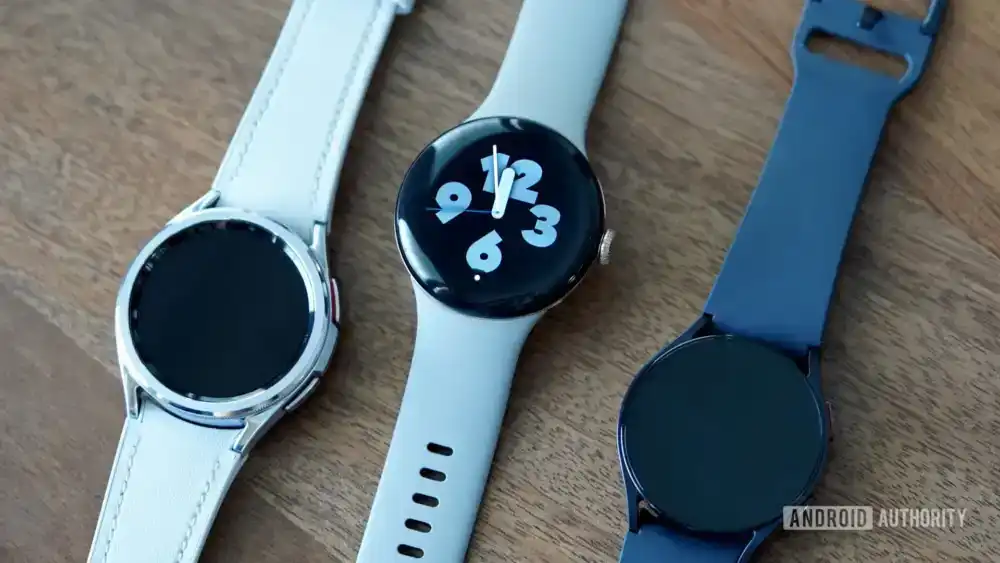
The narrative surrounding wearable technology has long been one of inevitable ascension. From the earliest attempts at digital wrist computers to the sophisticated ecosystem we see today, the smartwatch was consistently positioned as the indispensable extension of the smartphone—the next great leap in personal computing. As a long-time technology enthusiast, I have historically embraced these shifts, investing time and capital into nascent categories like virtual reality, smart home automation, and, critically, wearables. However, my recent endeavor to re-engage with the modern smartwatch ecosystem—specifically through the lens of the latest hardware—has illuminated a fundamental disconnect between technological capability and genuine utility for a certain segment of the user base. This return to the wrist, intended to validate the category’s maturation, ultimately reinforced my retreat back to the simplicity of a traditional analog watch.
The journey began with genuine enthusiasm. The foundational moments of wearable tech, exemplified by early pioneers like the Motorola 360, evoked a sense of futuristic convenience. The promise was immediate: glanceable data, voice interaction without reaching for a pocket, and seamless health monitoring woven into daily life. This initial engagement was intoxicating. Yet, as the market evolved through various iterations—from dedicated fitness trackers to the proliferation of early, often cumbersome Wear OS devices like the TicWatch series—the excitement eroded. The recurring pain points became clear: notification overload that fragmented attention, screen real estate that rendered complex interactions tedious, and a perpetual anxiety surrounding battery endurance. By the late 2010s, the accumulated friction outweighed the occasional convenience, leading to a prolonged hiatus from wrist-worn computing.
The Modern Re-entry: A Study in Refinement
The decision to re-enter the fray five years later was predicated on the assumption that the underlying technology had finally conquered its legacy flaws. Securing a recent model, such as the Samsung Galaxy Watch 7, provided a contemporary benchmark for what the current generation of smartwatches offers. On a purely hardware and software engineering level, the progress is undeniable and, frankly, impressive.
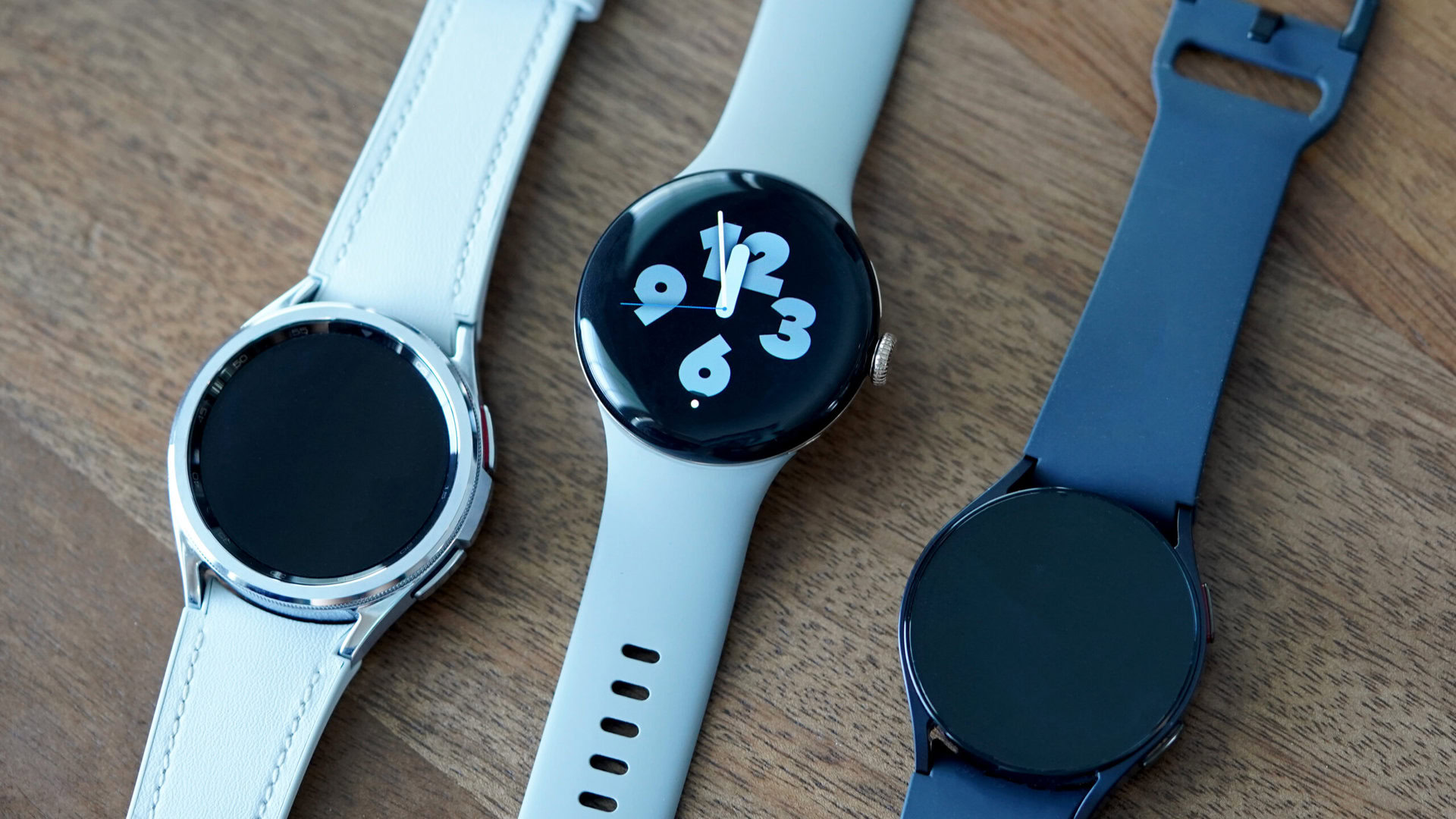
Aesthetically, the modern iteration presents a vastly superior proposition compared to its predecessors. The form factor, while echoing the classic circular design of earlier attempts, boasts a level of industrial polish that speaks to mature design standards. It is lighter, more ergonomic, and the integration of quick-release mechanisms for strap customization enhances user personalization significantly. The interaction model feels refined; inputs are met with swift, predictable responses, a stark contrast to the stuttering performance that plagued earlier Wear OS deployments. This maturity suggests that the platform itself has moved past its experimental phase and settled into a robust operating system environment.
Furthermore, the software experience, underpinned by Google’s continuous iteration on Wear OS and manufacturers’ proprietary skins—like Samsung’s One UI Watch—is demonstrably faster. App launches are snappy, and the navigation layers are intuitive. The commitment from major players, evidenced by multi-year software and security update promises (often four years or more), signals a long-term investment in the user base, alleviating some of the obsolescence concerns associated with earlier, shorter-lived platforms.
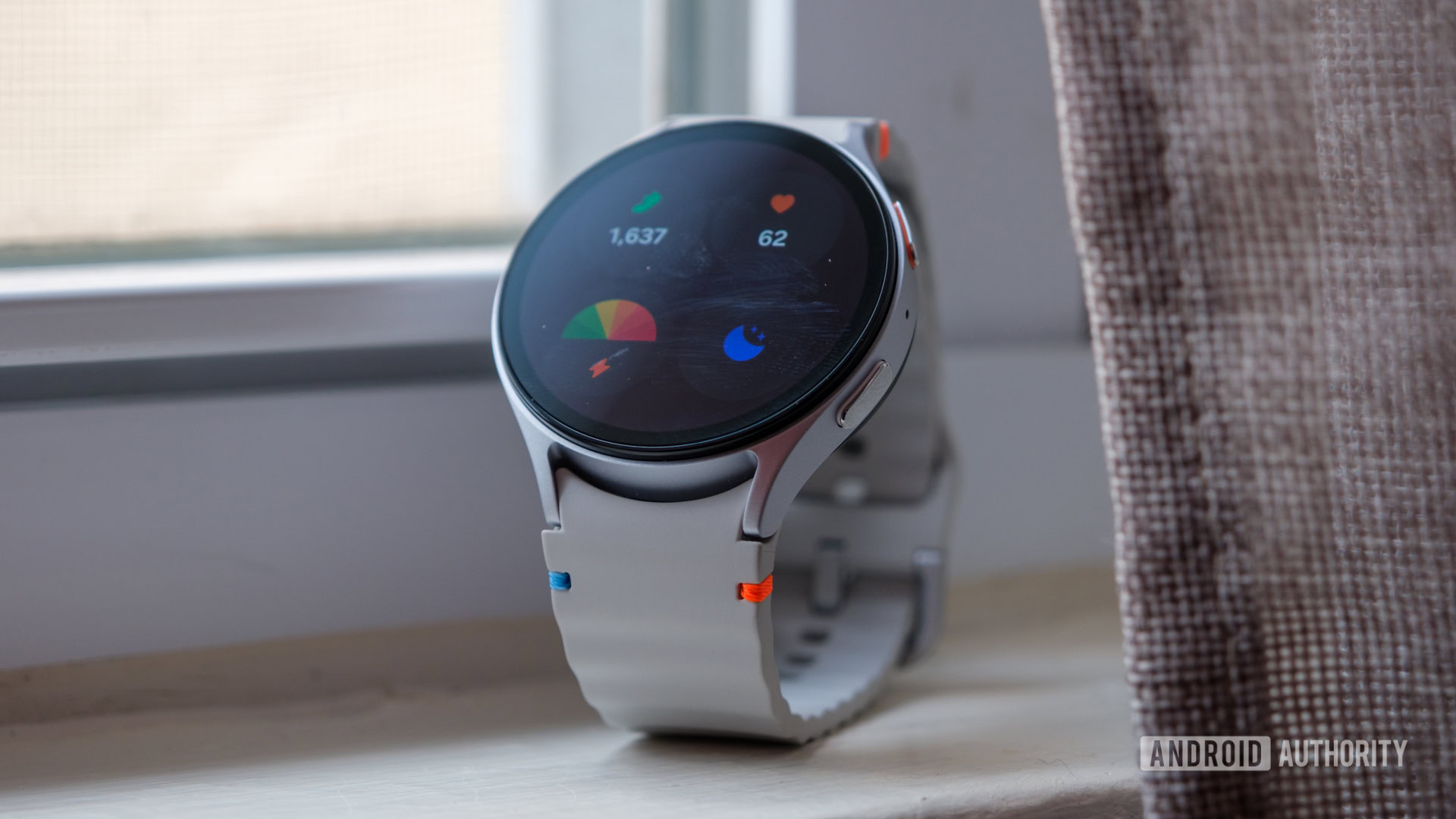
The incorporation of advanced features, often leveraging on-device or cloud-based AI processing, adds a layer of contextual intelligence that was previously missing. Features such as AI-suggested replies streamline communication on the fly, a genuine convenience when the primary device is momentarily inaccessible. More compelling, perhaps, is the integration of holistic wellness metrics. Systems that synthesize sleep quality, activity levels, and recovery data—like the "Energy Score"—provide actionable, easy-to-digest insights. Advanced sensors, including SpO2 monitoring and clinical-grade features like ECG, elevate the device from a simple notification hub to a credible proactive health tool.
Even battery performance shows significant advancement. Where the original Moto 360 frequently necessitated an evening recharge, the contemporary Galaxy Watch 7 comfortably sustains usage for a day and a half, with some users pushing into a third day under conservative use. This represents a tangible improvement in addressing one of the category’s most significant deterrents.
The Persistence of Intrinsic Friction: Utility vs. Novelty
Despite acknowledging these significant engineering strides, the core problem remained—a problem that seems less tethered to the specifications of the Galaxy Watch 7 and more embedded in the fundamental interaction model of the wrist-worn computer.
The concept of using the watch as a "phone-lite" device—handling quick tasks while away from the primary handset—is conceptually appealing. However, the physical constraints of the display inherently limit this utility. Whether dealing with slightly larger displays or the newest compact form factors, nearly every non-trivial task requires an abbreviated, clumsy interaction. The small screen forces a compromise: either the task is executed poorly, or the user defaults to retrieving the smartphone to complete it properly. This behavioral reversion significantly undermines the perceived value proposition of the watch as an independent device.
This leads directly to the persistent issue of notification management. For users sensitive to cognitive load, the constant stream of digital alerts channeled directly onto the wrist can feel less like connectivity and more like an intrusion. While modern operating systems allow for rigorous filtering—disabling all but the most critical alerts—this necessary triage requires ongoing configuration and maintenance. The paradox is that by diligently tuning the notifications to an acceptable level, the device risks shedding much of its "smart" functionality, leaving it to perform basic tasks that could be handled by less intrusive means.
When notifications are minimized, the utility of the device shrinks considerably. My usage pattern quickly reverted to the baseline: checking the time, logging sleep, and monitoring specific health milestones. While these functions are valuable, they are not daily necessities that require constant wrist-based vigilance. Once a consistent routine (e.g., specific workout schedules) is established, the need for minute-by-minute tracking diminishes. For these periodic tracking needs, simpler, often more affordable dedicated trackers fulfill the requirement without the overhead of a full operating system.
The comparison drawn to the cover screen on a foldable smartphone is instructive. Initially, the novelty of interacting with a small external display is engaging. Users experiment with launching apps and managing quick communications. Yet, over time, the inherent limitation of the form factor pushes the user back to the main screen for substantive engagement. The smartwatch faces the same ceiling: it is an excellent companion, but rarely a true substitute for the primary computing device.
The Durability and Longevity Divide
Perhaps the most profound objection, and one that moves beyond mere usability into the realm of consumer electronics philosophy, concerns longevity and inherent value proposition. A traditional, high-quality analog watch is engineered for endurance. These timepieces are built with superior materials, relying on mechanical simplicity that often ensures functionality for decades, sometimes even centuries, requiring minimal maintenance beyond periodic servicing. They are statements of permanence in a disposable technology cycle.
The smartwatch, conversely, is fundamentally a miniature smartphone strapped to the wrist. Its lifespan is tethered to software support cycles, battery degradation, and the relentless march of sensor technology. A four-to-five-year window marks the expected functional maturity before the device feels technologically sluggish or unsupported by current operating system standards. This inherent planned obsolescence contrasts sharply with the multi-decade expectation placed upon traditional horology.
Moreover, the battery requirement introduces a daily or near-daily ritual of charging. While 36 hours of battery life is a significant engineering achievement within the constraints of high-resolution, always-on displays and constant sensor sampling, it remains a persistent chore. This contrasts with the passive reliability of a quartz movement that might run for five years on a single cell, or a mechanical movement that requires no external power at all. Forgetting to charge a smartwatch renders it useless for its primary functions—even telling time—a risk that a traditional timepiece does not carry.
Industry Implications and the Future Trajectory
The experience of attempting to integrate a high-end smartwatch into a technologically integrated life highlights a critical segmentation challenge within the wearable market. The current iteration of smartwatches is demonstrably successful for specific demographics: those requiring immediate connectivity in environments where phone access is impractical (e.g., specialized manual labor, certain medical fields), serious data-driven athletes who rely on granular biometric feedback, and individuals whose primary use case is safety monitoring (fall detection, emergency SOS). For these groups, the trade-offs in battery life and complexity are acceptable costs for the specialized functionality delivered.
However, for the general consumer, particularly those already grappling with digital fatigue, the value proposition remains elusive. The market must contend with the "utility ceiling"—the point at which adding more features does not translate into increased adoption because the core use cases are already saturated or deemed unnecessary by the majority.
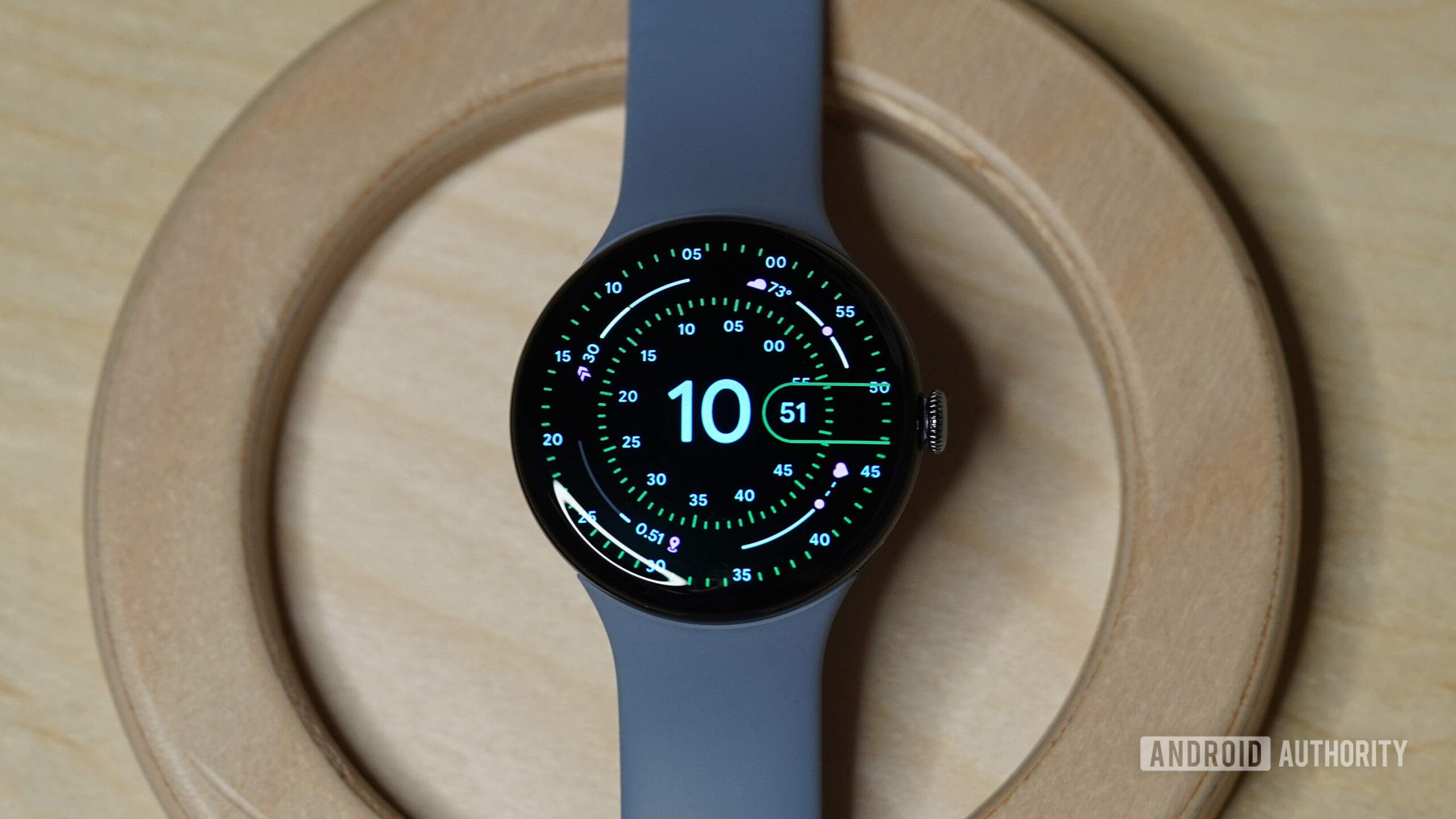
Looking forward, the industry’s trajectory suggests that true mainstream breakthrough will require technological leaps that fundamentally alter the experience. The immediate focus on incremental processor bumps and minor sensor additions will likely only serve to refine the existing user base experience, not convert the skeptics.
One area holding potential is the convergence of advanced, low-power processing with novel display technology. If manufacturers can achieve genuine multi-week battery life while maintaining current processing power and display quality, the charging friction might dissolve enough to encourage wider adoption. Another potential inflection point lies in interface innovation—moving beyond the small, flat screen paradigm. Speculative concepts involving augmented reality integration, or perhaps highly advanced haptic feedback systems that allow for interaction without constant visual focus, could potentially unlock the utility that current 2D screens cannot deliver.
Until such transformative shifts occur, the smartwatch risks remaining a niche accessory for the highly engaged, rather than the ubiquitous personal computing device it was envisioned to be. For those of us seeking technology that seamlessly integrates without demanding constant attention or management, the elegance of a simple, enduring analog instrument remains the superior choice. My recent venture into the cutting edge confirmed that for my needs, the future of wristwear is not yet ready to retire the past. The Timex Weekender, with its steadfast reliability and lack of digital dependency, offers a counterpoint: a device that excels at its single, focused task, demanding nothing in return but the occasional wrist adjustment. This simplicity, ironically, is the most advanced feature I found missing in the contemporary digital offering.
