

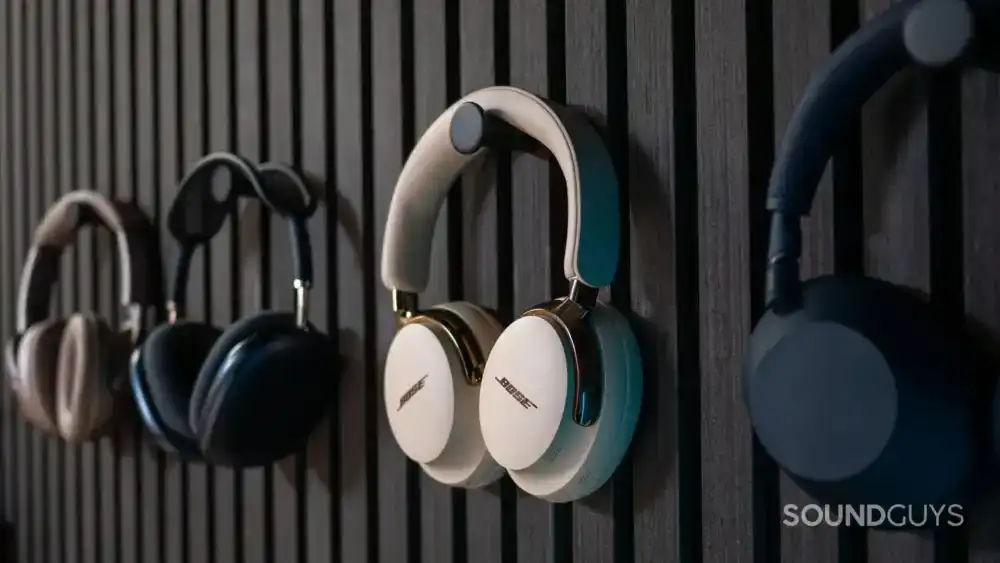
The premium personal audio landscape is currently defined by a relentless pursuit of sonic perfection, particularly in the realm of Active Noise Cancellation (ANC). Within this fiercely competitive arena, Bose has historically held an almost unassailable position. The introduction of the QuietComfort Ultra line marked a significant evolutionary step, and the subsequent iteration, the Bose QuietComfort Ultra 2nd Gen, continues to cement the brand’s legacy as a benchmark setter. For a highly constrained period, consumers have an opportunity to acquire these flagship over-ear headphones at a notable reduction: a $50 discount, bringing the price down to $399. However, this promotional window is exceptionally narrow, closing sharply at 9:00 PM Pacific time this evening, demanding immediate action from interested parties.
This specific markdown, facilitated through Amazon, applies uniformly across all available colorways of the second-generation QuietComfort Ultra headphones. The ephemeral nature of the deal underscores a common strategy in high-end consumer electronics retail: using limited-time scarcity to drive immediate conversion. For those monitoring the top tier of the wireless headphone market, this discount represents a compelling entry point into Bose’s latest acoustic engineering.
The Legacy and the Current Contenders
To fully appreciate the significance of this offer, one must contextualize the QuietComfort Ultra’s place in audio history. The original Bose QuietComfort Ultra headphones were, for an extended period, the undisputed champions of ANC technology. They established the gold standard against which every subsequent competitor—from Sony to Apple—was inevitably measured. Their ability to neutralize ambient noise, particularly low-frequency droning sounds common in travel and office environments, was revolutionary and remains a core tenet of the Bose brand identity.
The current flagship landscape, however, is far from static. The QuietComfort Ultra 2nd Gen is engaged in a high-stakes rivalry, most notably with the latest offerings from Sony, specifically the WH-1000XM6 series. This rivalry is more than just a marketing battle; it represents a technological arms race where incremental gains in noise cancellation algorithms, driver fidelity, and spatial audio processing dictate market share. For the discerning audiophile or the frequent traveler prioritizing silence, the choice between these titans often comes down to subtle differences in tuning, comfort, and proprietary features.
Those who remain loyal to the Bose ecosystem or who prioritize the specific spatial audio implementation offered by the Ultra line will find this $50 reduction particularly attractive, as flagship models rarely see significant price cuts outside of major seasonal sales events.
Deep Dive into the QuietComfort Ultra 2nd Gen Performance
The allure of the QuietComfort Ultra 2nd Gen extends beyond brand loyalty; it resides in tangible technological superiority in key performance metrics.
Active Noise Cancellation (ANC) Superiority: The ANC capabilities of the second generation have been meticulously refined. While the competition, particularly Sony, has closed the gap significantly, Bose often maintains an edge in handling unpredictable, mid-to-high frequency noises—such as nearby conversations or sudden sharp sounds—due to their proprietary processing architecture. The implementation in the 2nd Gen likely involves enhanced digital signal processing (DSP) cores capable of analyzing and counteracting noise profiles in real-time with greater latency efficiency than previous generations. This results in a more consistent, almost unnerving level of environmental suppression.
Audio Fidelity and Immersive Sound: A critical aspect of modern premium headphones is spatial audio, often branded as "Immersive Audio" by Bose. The 2nd Gen continues to refine this feature, which uses head-tracking technology to anchor the soundstage to the user’s device, creating a theatre-like experience where the sound appears fixed in space, regardless of head movement. While some critics argue this is a novelty, for consuming video content or immersive music mixes, it is a significant differentiator. Furthermore, the acoustic tuning is engineered for clarity across the frequency spectrum, avoiding the overly bass-heavy profiles sometimes favored by competitors.
Wired High-Resolution Potential: A crucial technical feature noted is the inclusion of USB-C lossless audio support. In an era dominated by Bluetooth codecs (like LDAC or aptX Adaptive), relying solely on compression introduces fidelity limitations. The wired USB-C connection bypasses the internal Bluetooth DAC/ADC chain, allowing for the transmission of uncompressed or minimally processed high-resolution audio streams directly to the headphone’s internal digital-to-analog converter (DAC). This caters directly to audiophiles seeking the absolute highest quality audio playback from compatible sources, marking a tangible hardware advantage over many wireless-only setups.
Endurance and Build Quality: Battery life, rigorously tested by independent laboratories, often clocks in at just over 27 hours with ANC active. In the context of high-end, feature-rich headphones, this level of endurance is competitive, easily covering long-haul international flights or several days of intensive office use. Moreover, Bose has consistently invested in superior material science for its casings and earcup padding. The construction of the QuietComfort Ultra 2nd Gen features robust materials designed for longevity and sustained comfort during marathon listening sessions, an essential factor often overlooked until the product begins to degrade after heavy use.
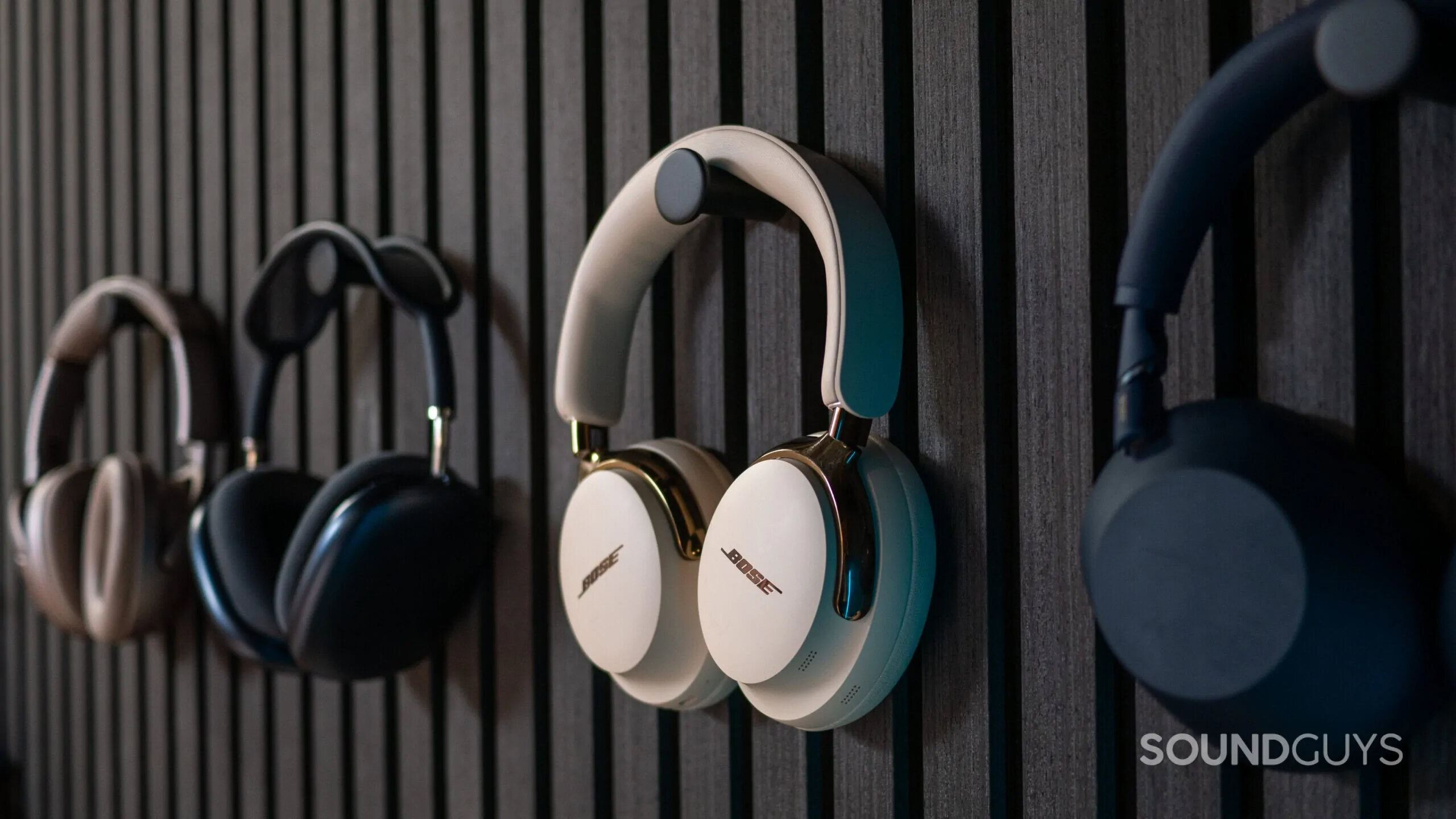
Industry Implications of Price Sensitivity in the Premium Segment
The $50 reduction, while seemingly modest against the standard retail price of $449 (prior to this sale), carries broader industry implications, especially when placed against the backdrop of intense competition.
Firstly, it signals Bose’s awareness of market saturation at the high end. The entry of Apple’s AirPods Max and the consistent pressure from Sony force established leaders like Bose to employ tactical pricing adjustments to maintain sales velocity. This isn’t a desperation move, but rather a calculated optimization of the product lifecycle curve. As the 2nd Gen matures, strategic discounts prevent inventory stagnation and maintain consumer interest while the R&D team prepares for the next major revision.
Secondly, the current pricing structure ($399) positions the QuietComfort Ultra 2nd Gen more aggressively against mid-to-high-tier models from other manufacturers, potentially poaching consumers who were cross-shopping based purely on budget rather than absolute feature parity. It forces the competition to re-evaluate their own promotional timing. If Bose can sustain this price point or similar periodic discounts, it raises the baseline expectation for what consumers should pay for class-leading ANC.
Thirdly, the emphasis on features like USB-C lossless audio highlights a divergence in consumer segments. While the mass market prioritizes convenience (Bluetooth), Bose is simultaneously catering to the shrinking but highly influential "prosumer" segment that demands wired, uncompromised performance. This dual-focus strategy is vital for maintaining brand prestige beyond simple unit sales volume.
Future Trends and the Evolution of Noise Cancellation
The technological trajectory of premium headphones suggests that the contest between Bose and its rivals will pivot increasingly on computational audio and integration into smart ecosystems.
AI-Driven ANC: The next evolution of ANC will move beyond static or simple adaptive algorithms. We anticipate the integration of more sophisticated Machine Learning (ML) models directly onto the headphone chipset. These models will learn the user’s unique acoustic environment—the distinct hum of their office air conditioning, the specific noise profile of their commute train—and preemptively tailor the noise cancellation profile with even greater accuracy and lower power consumption. Bose’s established investment in proprietary silicon suggests they are well-positioned for this shift.
Biometric Integration: Future iterations are expected to incorporate passive biometric monitoring (heart rate, perhaps even cognitive load indicators via subtle skin temperature or micro-movement analysis). If a user is exhibiting signs of high stress, the headphones could automatically modulate the ANC depth or switch to a specific, calming audio profile, further blurring the line between personal audio device and wellness technology.
Ecosystem Lock-in and Spatial Audio Standardization: While spatial audio is compelling, its proprietary nature can create friction. As the industry moves toward universal standards for head-tracked, three-dimensional sound rendering (potentially leveraging Matter or related protocols for audio environments), the success of Bose’s immersive features will depend on how seamlessly they adopt or influence these future standards. Maintaining a competitive edge will require iterative improvements that feel less like tacked-on features and more like foundational elements of the listening experience.
The Urgency of the Moment
Returning to the immediate concern, the impending expiration of the $50 discount cannot be overstated. The offer concludes precisely at 9:00 PM Pacific. In the digital retail environment, such deadlines are rigidly enforced, often reverting to the standard price the moment the clock strikes zero.
For potential buyers, the decision hinges on whether the documented performance—industry-leading ANC, premium build quality, immersive spatial audio, and high-fidelity wired playback—justifies the $399 outlay, even temporarily. This price point places the QuietComfort Ultra 2nd Gen in direct competition not just with the newest Sony models, but also with slightly older, but still formidable, flagship models from other established audio manufacturers. A $50 saving on a product of this caliber effectively equates to receiving a significant portion of Bose’s premium accessory bundle for free.
Prospective purchasers should finalize their evaluation against their specific use case—be it the necessity of absolute silence for professional concentration, the desire for high-resolution wired playback during travel, or simply the preference for the renowned comfort profile Bose achieves—and act before the promotional clock runs out tonight. Waiting until tomorrow morning risks paying the full premium price for what is, objectively, one of the most accomplished pieces of personal audio hardware currently available. Independent reviews confirm that the 2nd Gen represents a polished, mature product, making this limited-time fiscal incentive a genuine opportunity rather than a manufactured sales tactic. The window is rapidly closing on securing this flagship technology at a decidedly non-flagship transaction cost.
