

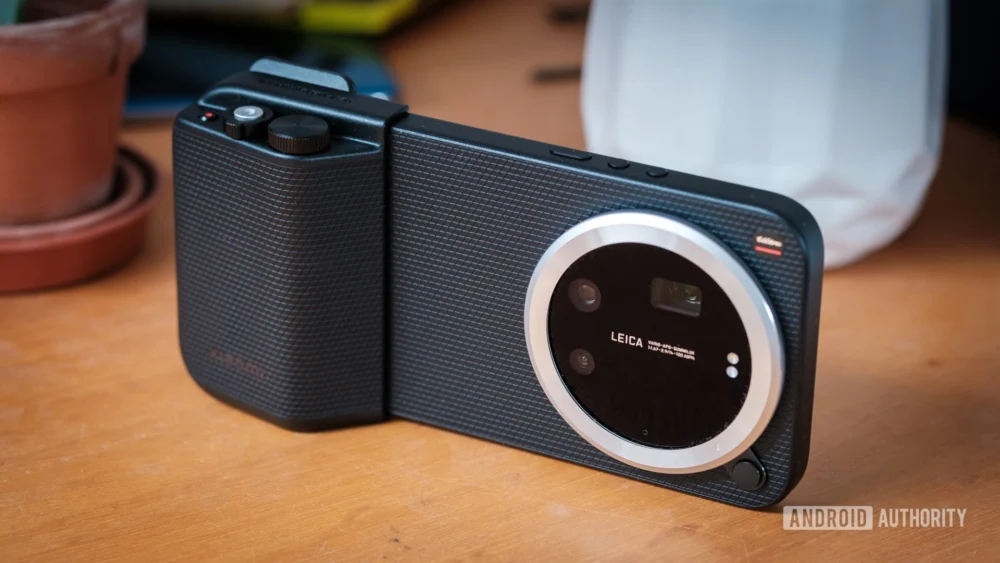
The relentless evolution of mobile photography has reached a critical juncture with the arrival of the Xiaomi 17 Ultra. For seasoned technology reviewers and dedicated photography enthusiasts, the iterative improvements seen in flagship devices often blend into a familiar, if excellent, baseline. However, the 17 Ultra represents a palpable step forward, particularly for those whose creative workflow leans heavily on telephoto capabilities and intricate optical control. This device, arriving in the latter half of 2026, positions itself not merely as a competitor, but as a potential paradigm shift, challenging the established dominance of traditional mirrorless systems in certain use cases.
The context for this assessment is important. Previous generations, such as the highly capable Xiaomi 15 Ultra in 2025, had already demonstrated Xiaomi’s serious commitment to optical engineering, successfully bridging the gap between enthusiast smartphone use and entry-level dedicated cameras. That prior model nearly convinced many long-time DSLR/mirrorless users to sideline their heavier gear, largely due to imaging fidelity that defied typical mobile processing limitations. The 17 Ultra builds directly upon this foundation, introducing hardware innovations that suggest an almost aggressive pursuit of optical supremacy within the constrained form factor of a smartphone chassis.
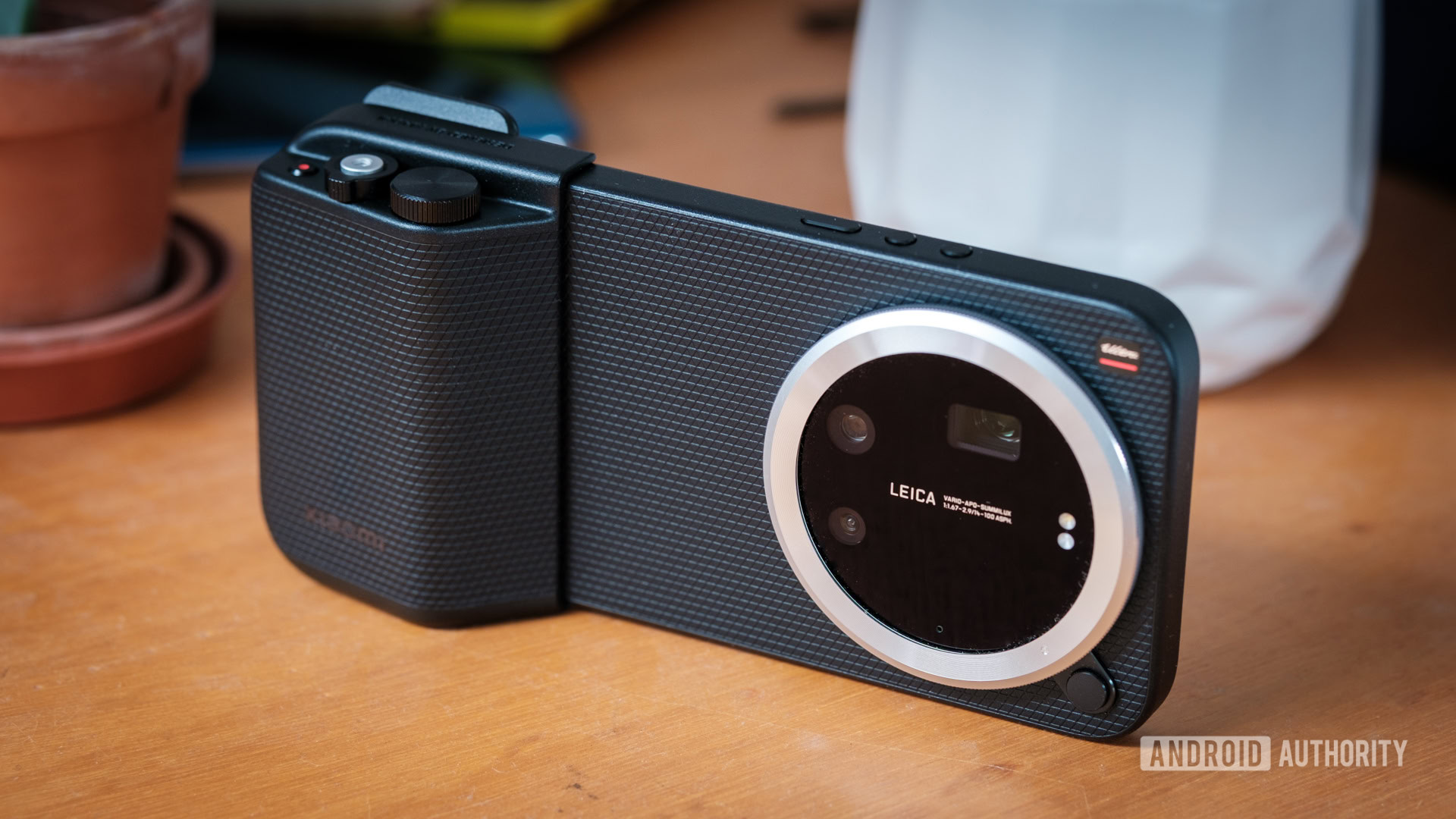
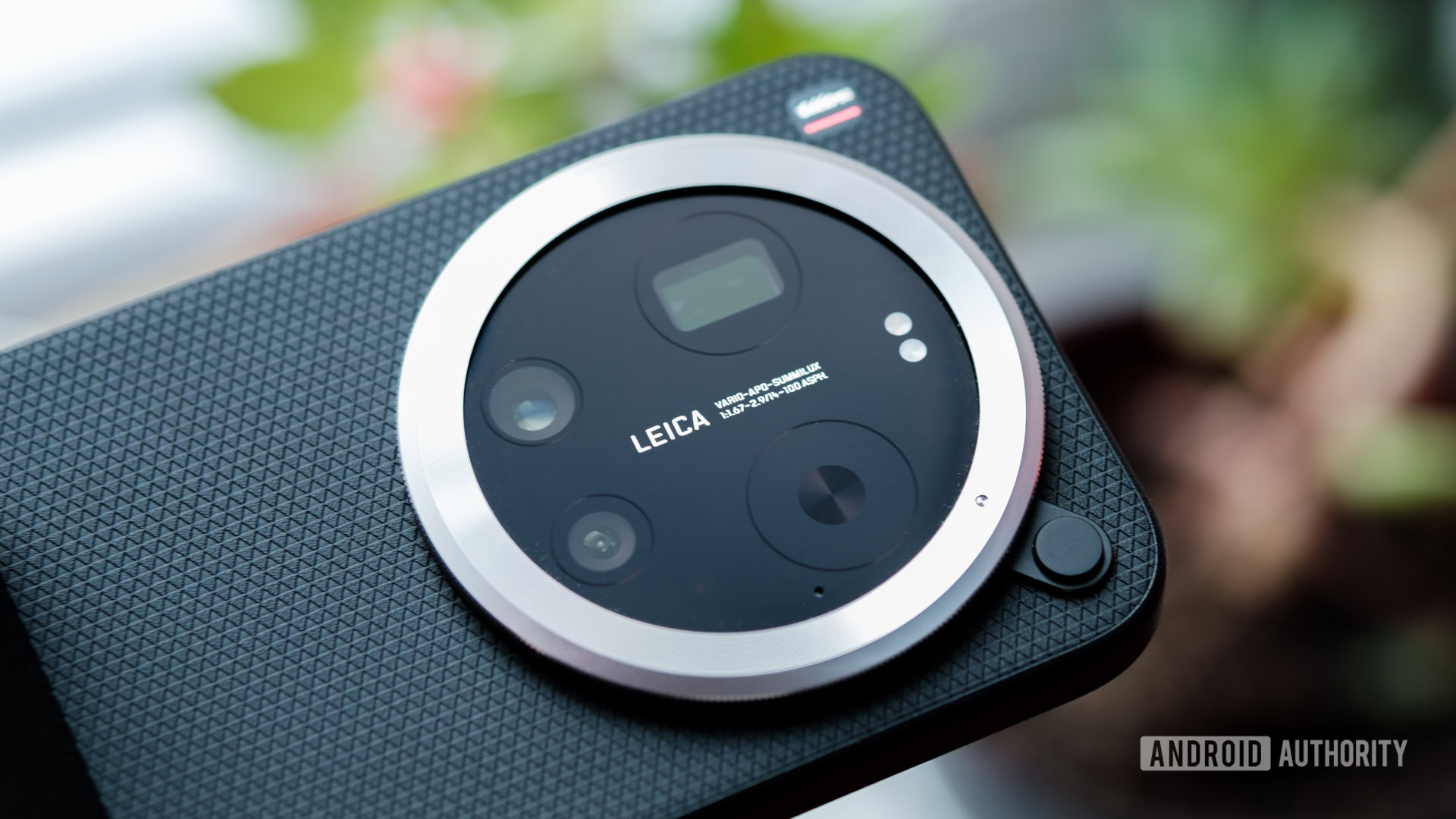
At the heart of this latest offering is the headline feature: a Leica Summilux lens system incorporating true variable focal length and variable aperture. This engineering feat—moving beyond fixed optical zoom steps to offer a continuous range—is reminiscent of professional mirrorless lenses, where physical movement dictates framing and depth of field. Specifically, the integration of a 3.2x to 4.3x optical zoom capability, coupled with a 200-megapixel sensor behind this module, signals an ambitious attempt to cover the critical portrait and short-telephoto space with native optical quality.
Beyond the camera module, the device adheres to the necessary tenets of an "Ultra" flagship: cutting-edge computational performance, courtesy of the latest Qualcomm Snapdragon 8 Elite Gen 5, and advanced power management systems. The central question remains whether this bleeding-edge hardware justifies its premium positioning in a fiercely competitive market segment, especially considering the historical software hurdles Xiaomi has faced in global markets.
Deconstructing the Optical Arsenal: A Camera More Than a Phone
The sheer density of the camera hardware demands immediate attention. The primary telephoto unit is the showpiece: a 200MP sensor paired with the 3.2x–4.3x variable optical zoom (approximately 75mm to 100mm in 35mm equivalent focal length) and a physically adjustable aperture spanning f/2.4 to f/3.0. This is complemented by a robust 50MP Light Fusion 1050L sensor handling the main 1x perspective (f/1.67), and a 50MP ultrawide lens (115° field of view, f/2.2). This trifecta offers versatility that few competitors can genuinely match, especially in the telephoto domain.
Initial analysis of the variable lens reveals a fascinating, if slightly underwhelming, functional reality. While the optical continuity is technically superior to switching between fixed lenses, the actual focal length differential between 3.2x and 4.3x is relatively narrow. For framing decisions, this small shift provides marginal compositional flexibility. Where it excels, however, is in delivering optically pure images across that range, eliminating the need for interpolation or digital cropping artifacts that plague lesser systems when pushing beyond fixed optical sweet spots.
Crucially, this variable lens has become the reviewer’s preferred tool. The combination of its slightly longer native focal length and the inherent natural depth of field afforded by the large sensor and variable aperture allows for portraiture and close-up work that mimics traditional fast lenses on dedicated cameras. It facilitates subtle subject isolation without resorting immediately to heavy software simulation. Furthermore, the 200MP resolution of this specific sensor proves invaluable for cropping. Even at intermediate digital steps—such as 8.6x (effectively a 50MP binned capture) or even 17.2x (a 12.5MP capture, likely involving multi-frame processing)—the starting data quality derived from the 200MP core ensures surprising detail retention in challenging conditions. This single module acts as an effective macro, portrait, and medium-telephoto lens simultaneously.
In terms of overall image capture quality, the Xiaomi 17 Ultra operates at the pinnacle of mobile imaging in 2026. Across all three lenses, the results are characterized by exceptional light gathering capabilities, vivid yet generally well-managed color reproduction, and superior high dynamic range performance. Low-light testing, particularly shots pushed to 20x magnification, exhibits remarkably low noise profiles and preserved textural detail that noticeably surpasses current-generation flagships from Silicon Valley competitors. The confidence this device instills—the certainty that nearly any lighting scenario will yield a technically competent image—is perhaps its greatest asset.
However, adherence to any manufacturer’s computational pipeline involves subjective trade-offs. Xiaomi’s processing, even when collaborating with Leica, occasionally favors aggressive saturation or slightly aggressive exposure darkening in high-contrast scenarios, leading to crushed shadows. While these artifacts are correctable—and switching from the default "Leica Vibrant" to "Leica Authentic" profile mitigates much of the vividness—it means the out-of-camera JPEG experience isn’t universally perfect for all aesthetic tastes. A minor but persistent observation is the slight drift in color temperature and white balance matching between the primary, ultrawide, and variable telephoto modules, a regression from some earlier models where color coherence was exceptionally tight.

Portraiture and Processing Nuances
Portrait photography remains a core strength, an area where the Xiaomi 17 Ultra truly capitalizes on its hardware advantage. The utilization of the 75mm equivalent setting on the variable lens positions the device perfectly within the aesthetically favored focal range for flattering portraiture, avoiding the subtle facial distortion sometimes introduced by longer 100mm equivalents. The large sensor ensures that exposure and contrast balance are managed expertly, making subjects "pop" against the background even under difficult backlighting. The natural bokeh produced by the 75mm setting means the software assistance is supplementary rather than foundational, resulting in cleaner, more organic background separation.
Skin tone rendering is where the 17 Ultra draws a clear line against its primary rivals. The output appears genuinely accurate in texture and hue—avoiding the over-sharpening, excessive softening, or oversaturation often found in the processing pipelines of American competitors. While the default "Master Portrait" color science trends warm/vivid, the "Leica Portrait" setting offers a more subdued, arguably more realistic, aesthetic. The occasional critique that portraits can appear slightly over-brightened or flattened is a minor concession for the remarkable consistency in subject isolation and tonal accuracy.
Front-facing camera performance, while commendable, highlights the limitations of smaller sensors. Selfies generally maintain the rear camera’s color fidelity but are more prone to software bokeh artifacts and can exhibit slightly harsher textures due to the sharpening algorithms applied to the smaller image data. Balancing bright outdoor skies against the foreground subject also proves marginally more challenging for the front array than for the rear system.
The Software Tax and Processing Artifacts
Despite the monumental leap in optical hardware, the Xiaomi 17 Ultra is not immune to the perennial challenge of computational photography: the processing layer. A forensic examination of high-resolution captures reveals non-negligible post-processing artifacts. The heavy-handed application of noise reduction and sharpening, especially when combined with pixel-binning techniques necessary for achieving optimal performance across various lighting conditions, leads to a mottled, almost plasticine appearance in fine details. This degradation is most evident in digitally extended zoom ranges (8.6x and 17.2x), which rely on heavy cropping and multi-frame stacking, often resulting in ghosting or an unnatural loss of genuine sharpness.
This tendency toward over-processing mirrors the behavior of last year’s model, suggesting that while sensor technology and optics have advanced, Xiaomi has not yet fully resolved the balance between noise suppression and authentic detail rendering in its default computational stacks. For the professional who intends to shoot RAW, this is manageable, but for the casual user expecting pristine JPEGs straight from the device, frustration may arise with certain challenging shots.
Furthermore, the issue of color saturation bias and underexposure in backlit scenes persists. These settings can lead to overly high-contrast images with deep, blocked shadows. While this may appeal to some dramatic sensibilities, it necessitates frequent manual intervention with exposure compensation for users who prefer a more neutral starting point for immediate sharing or quick post-processing.
The ecosystem accessories—the optional Photography and Photography Pro cases ($199)—offer intriguing solutions to these control deficits. The Pro case, featuring a detachable battery grip and two mappable physical dials (for zoom and exposure), offers tactile control that directly addresses the need for quick exposure correction. While the bulk is a necessary evil, the detachable nature of the battery grip allows the user to transition back to a more standard form factor when the extended controls are not required. The inclusion of a dedicated shutter button enhances the physical connection to the shooting experience, mimicking traditional camera operation.
Video Capabilities: Challenging the Status Quo
The video suite of the Xiaomi 17 Ultra signals a clear intent to dethrone the reigning champion of smartphone videography, Apple. The footage captured exhibits exceptional dynamic range, fluid frame rates that minimize perceived judder, and color science that is commendably consistent with the stills captured on the device. The device supports high-end codecs like Dolby Vision and Log capture in its Pro mode, offering significant latitude for color grading in post-production. Resolutions up to 4K60 are available across all three lenses, with 8K30 supported across the board as well.
However, specialization remains a factor. The highest frame rate option, 4K120, is reserved exclusively for the 1x main sensor and the variable telephoto lens, a restriction likely imposed by the complex demands of reading pixel data simultaneously from multiple merged bins across the optical range. Similarly, advanced features like the LOFIC (Low-Light Over-Capture Integration) video filter, which dramatically boosts low-light performance and dynamic range, are exclusive to the primary 1x sensor due to its unique sensor architecture supporting the technology.
While Xiaomi includes a rich array of filters and "beautify" options, the proprietary "Live Cinematography" features—which rely on pre-programmed, smooth zoom transitions between focal lengths—feel somewhat gimmicky rather than essential. Conversely, the natural bokeh achievable with the wide-aperture telephoto lens effectively renders the need for a software-dependent "Cinematic Mode" somewhat redundant. Overall, the 17 Ultra delivers a professional-grade video toolkit, highly versatile for both serious amateurs and working videographers, even if the variable zoom mechanics offer less tangible benefit for motion capture than for stills.

Performance, Power, and the Software Ecosystem
Moving beyond imaging, the core performance metrics solidify the 17 Ultra’s flagship status. The Snapdragon 8 Elite Gen 5, coupled with 16GB of high-speed RAM, handles sustained heavy loads—including intensive mobile gaming sessions and complex emulation—with commendable thermal management and unwavering frame rates. This power is future-proofing, confirming the device’s viability for years of demanding application usage.
Perhaps the most impressive non-camera engineering feat is the charging implementation. The adoption of 100W charging compatibility across both proprietary and universal USB Power Delivery PPS standards is a significant user experience enhancement. The ability to achieve peak charging speeds using common high-wattage bricks—like those used for laptops—simplifies the mobile power ecosystem. Furthermore, Xiaomi’s intelligent charging notifications, which manage boost modes and screen-on throttling, demonstrate a maturity in balancing speed with long-term battery health, setting a new industry standard for user-conscious fast charging.
The battery itself utilizes a 6,000mAh Silicon-Carbon cell, an upgrade from the previous generation’s 5,410mAh cell. Despite this substantial capacity increase, real-world testing suggests only a marginal (approximately 4%) longevity improvement. This suggests that while the new cell chemistry is beneficial, the increased power demands of the advanced display, faster chipset, and complex camera processing are absorbing much of the added capacity. Nonetheless, the endurance is robust enough to comfortably satisfy even power users through a full day and into the next.
Other hardware specifications are as expected for a device commanding this price point: IP68 rating, 50W wireless charging, Wi-Fi 7 readiness, and a brilliant 6.9-inch OLED display with a sharp 2608 x 1200 resolution. The shift to a flat display, while maintaining the device’s inherent bulk, is appreciated for reducing edge distortion during viewing and editing.
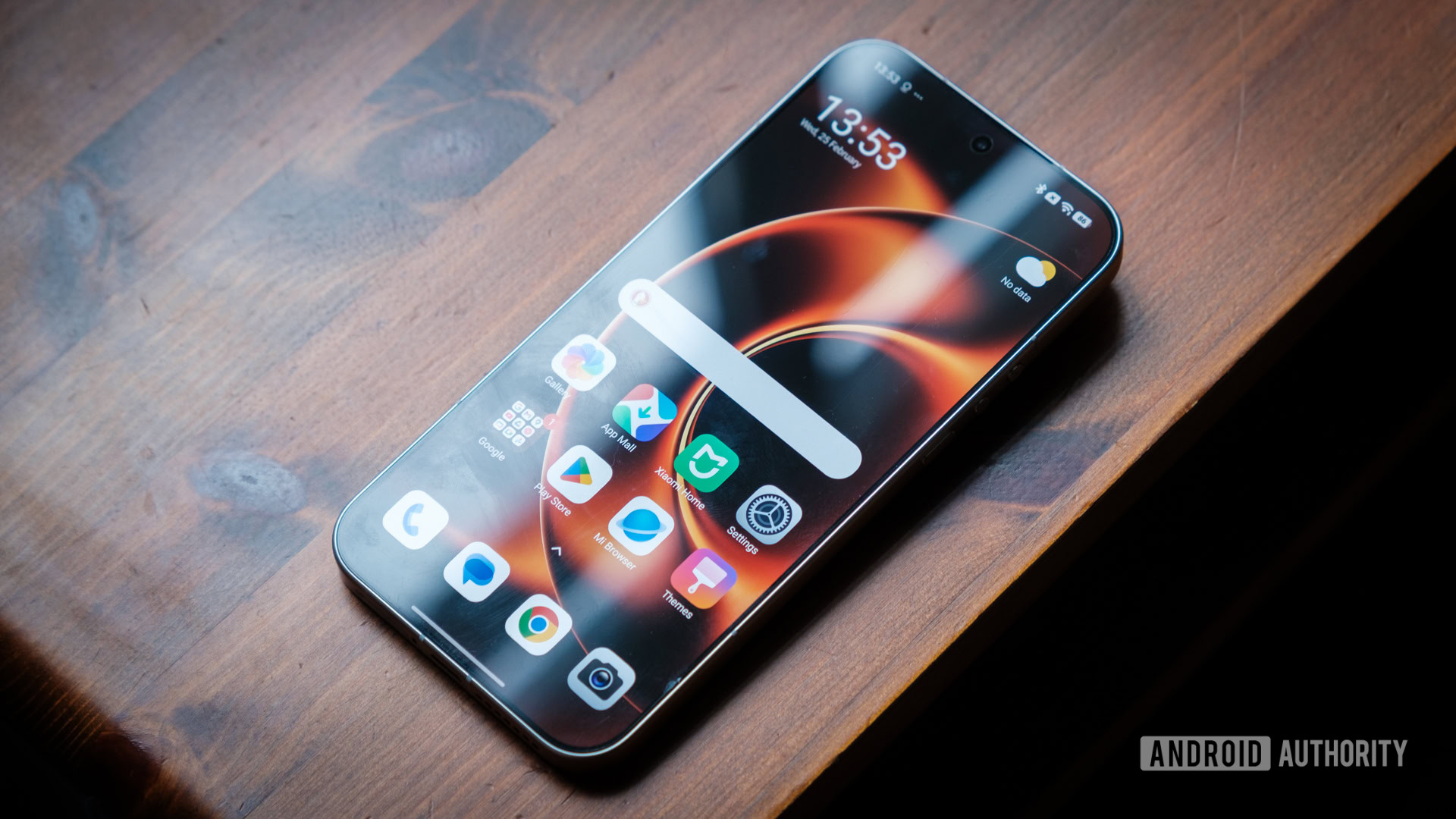
The primary friction point remains the software experience delivered via HyperOS. For consumers accustomed to cleaner operating systems, the pre-installed software load—including duplicate app stores, proprietary ecosystem apps (Mi Store, Xiaomi Home), and various third-party defaults—requires significant upfront effort to declutter. More frustrating are the integration quirks, such as the mandatory Xiaomi account requirement to unlock premium editing features within the Gallery application. The inclusion of AI features, like the Mi Browser’s "OmniAsk," appears largely performative at this stage, failing to deliver meaningful utility compared to established AI assistants.
Crucially, the update commitment, while improved over earlier generations, still lags behind market leaders. While four years of OS updates and six years of security patches are anticipated (based on the 15 Series), this commitment is arguably insufficient for a device priced at the apex of the market, signaling a potential long-term depreciation risk for early adopters.
Final Assessment: The Pinnacle of Photographic Hardware
The Xiaomi 17 Ultra is, without reservation, the most optically capable mobile imaging device currently available for those prioritizing zoom and mechanical flexibility. Its telephoto system, spearheaded by the variable focal length lens, delivers results that genuinely blur the line between smartphone and specialized compact camera. In the contest for pure image quality, particularly in complex scenarios involving range and natural bokeh, it asserts a decisive lead over contemporaries like the Google Pixel 10 Pro XL and the Samsung Galaxy S26 Ultra.
The device is an engineering triumph in the hardware domain: blistering performance, industry-leading charging architecture, and premium display technology. Yet, it exists in a persistent duality. The technical brilliance of the optics is frequently tempered by a computational processing layer that can introduce artifacts, and a software environment (HyperOS) that demands significant user customization to achieve a streamlined experience.
For the global market, particularly outside of North America where import logistics and carrier compatibility present barriers, the 17 Ultra represents the apex of photographic hardware innovation from Asia’s leading manufacturers, solidifying a competitive landscape where Chinese brands are dictating the pace of optical advancement.
The central consideration for prospective buyers revolves around the generational leap versus the steep cost (€1,499, approximately $1,771 USD). Given the existing high performance and near-equivalent camera capabilities of the 15 Ultra, the 17 Ultra may not represent a necessary upgrade for current owners unless the variable optical zoom is mission-critical. However, for the professional or serious enthusiast seeking the absolute best imaging fidelity achievable in a pocketable device in 2026, and who is willing to navigate the software idiosyncrasies, the Xiaomi 17 Ultra stands as the definitive, albeit expensive, choice. It is the best camera phone money can buy, provided the buyer understands the total ecosystem cost—both financial and user-experience related.
