

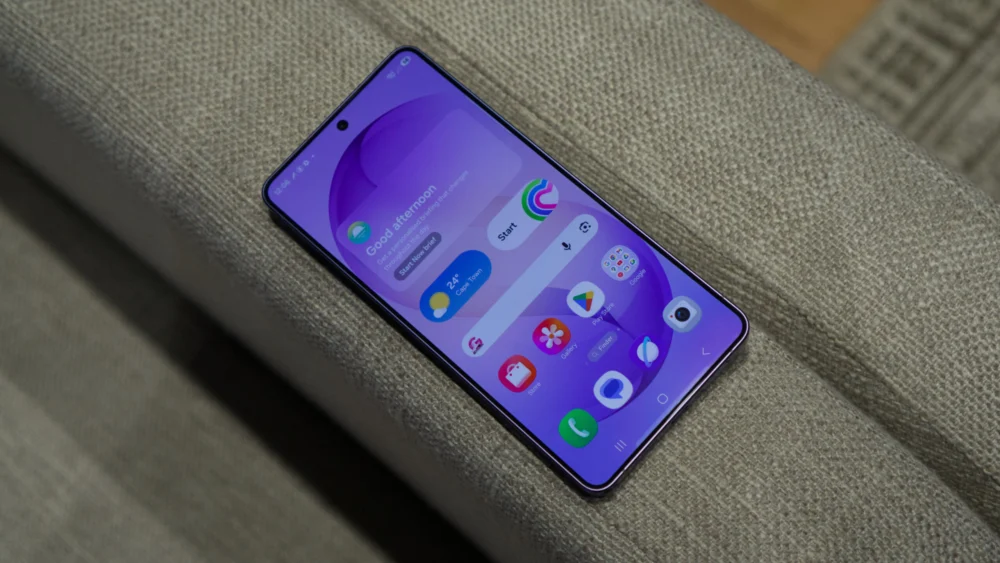
The cadence of yearly flagship smartphone updates often results in incremental refinements rather than revolutionary leaps. For several iterations, the Samsung Galaxy S series has exemplified this trend, offering iterative improvements that, when viewed in isolation, might not compel an existing owner to immediately switch. However, when assessing the accumulated advancements across three generations—from the Galaxy S23 Ultra to the newly unveiled Galaxy S26 Ultra—the resulting device represents a fundamentally different technological proposition. The S23 Ultra, while a benchmark in its time, now stands at a significant distance from its 2026 successor, which is poised to redefine the apex of the premium Android market.
The Galaxy S23 Ultra marked a crucial turning point, notably by integrating the formidable 200MP imaging sensor, refining computational photography algorithms, and successfully mitigating the thermal throttling issues that plagued its predecessor, the S22 Ultra. Furthermore, its display represented a deliberate move toward flatter panels, reducing the frustrating incidence of accidental touches associated with highly curved screens. Yet, the S23 Ultra is now firmly positioned on the downward slope of its software support lifecycle, having already secured the majority of its promised operating system upgrades. More critically, the accelerating demand for sophisticated, localized artificial intelligence processing has begun to expose the limitations of its underlying silicon architecture. This pivot toward on-device AI necessitates hardware capabilities that the S23 Ultra’s chipset can no longer optimally deliver.
Therefore, for users currently tethered to the S23 Ultra, the Galaxy S26 Ultra emerges not merely as an option, but as a logical progression. This analysis will delineate the critical areas where the S26 Ultra presents a compelling case for migration, drawing upon initial impressions and established patterns of Ultra series evolution, particularly concerning display technology, integrated AI capabilities, core performance benchmarks, and ergonomic refinement.
The Display: Privacy, Brightness, and Color Fidelity Redefined
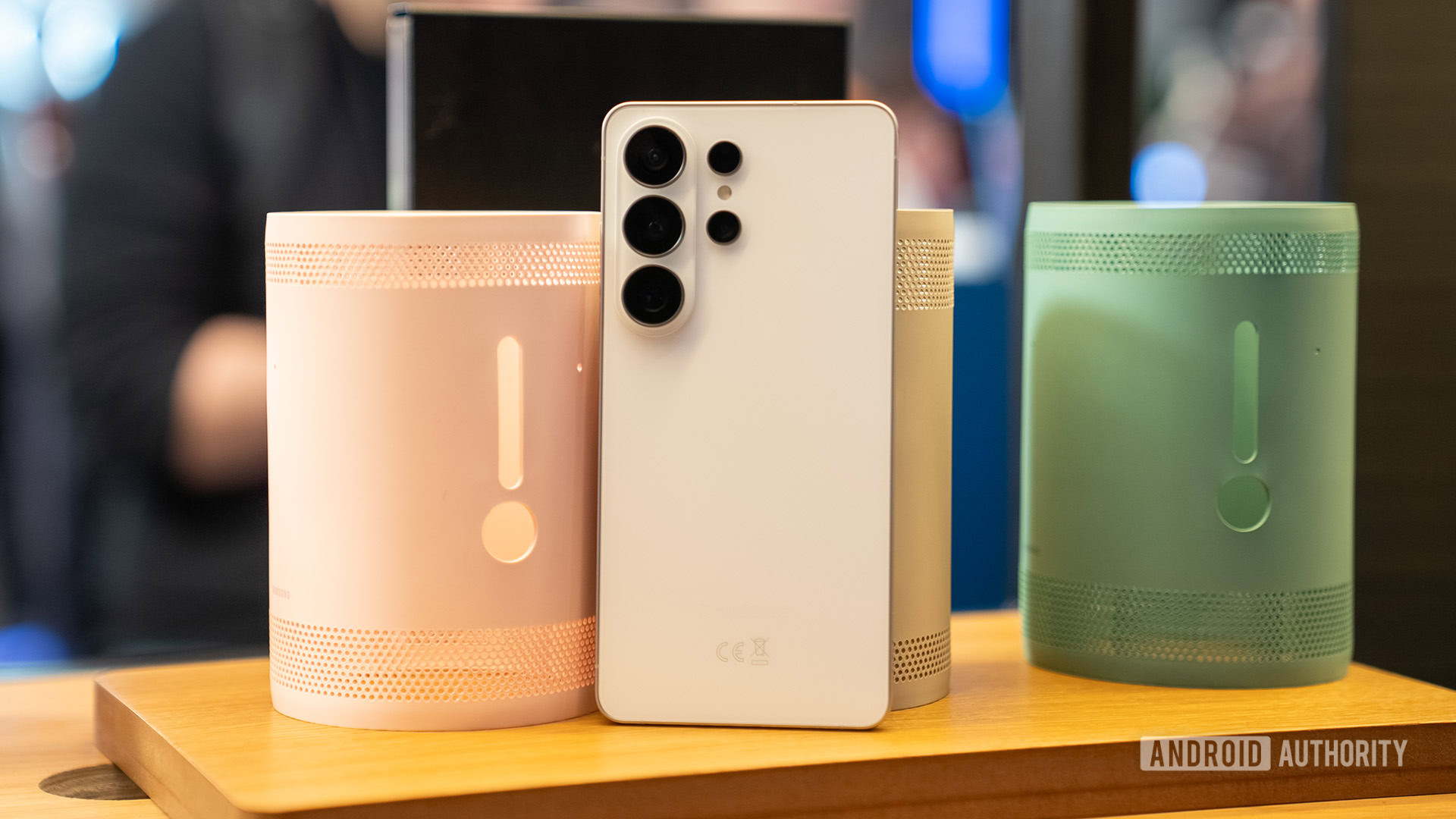
Perhaps the most immediately impactful upgrade on the Galaxy S26 Ultra is the introduction of the native Privacy Display. This feature transcends the utility of aftermarket privacy screen protectors by integrating the functionality directly into the display panel’s hardware and software stack. In an era defined by public transit commutes and shared workspaces, the ability to electronically restrict viewing angles is a significant security enhancement. The Privacy Display is togglable via a simple software command and allows for granular control, enabling users to shield specific applications or notification previews from unauthorized peripheral vision. This architectural integration suggests a more seamless and less performance-intensive implementation than previous software-only solutions.
Beyond security, the visual experience has undergone a substantive overhaul. Samsung’s transition to true 10-bit panel technology across the S26 Ultra line is a watershed moment for color science on their flagships. This shift unlocks a significantly wider color gamut, translating directly into richer, more nuanced color reproduction, particularly evident in HDR content, gaming, and professional creative workflows. Compared side-by-side with the S23 Ultra’s display, the S26 Ultra’s visuals promise a palpable increase in vibrancy and depth.
A secondary, yet vital, hope accompanying this color depth upgrade is the potential eradication of AMOLED banding. This persistent artifact, characterized by subtle rectangular discolorations across color gradients, has been a point of contention for discerning users on previous generations of Samsung displays. If the enhanced panel architecture addresses this issue, it represents a significant victory for display engineering maturity.
Ergonomically, the S26 Ultra fully embraces the completely flat display design, a feature that many users have preferred for better stylus accuracy and reduced optical distortion at the edges. Complementing this is a dramatic increase in peak luminance, reaching an astonishing 3,000 nits. This dwarfs the 1,750 nits maximum of the S23 Ultra, promising unparalleled outdoor visibility and superior HDR highlights, ensuring the display remains usable and impactful even under direct, harsh sunlight—a crucial factor for modern mobile photography and video consumption.
One UI 8.5: The AI Operating System Leap
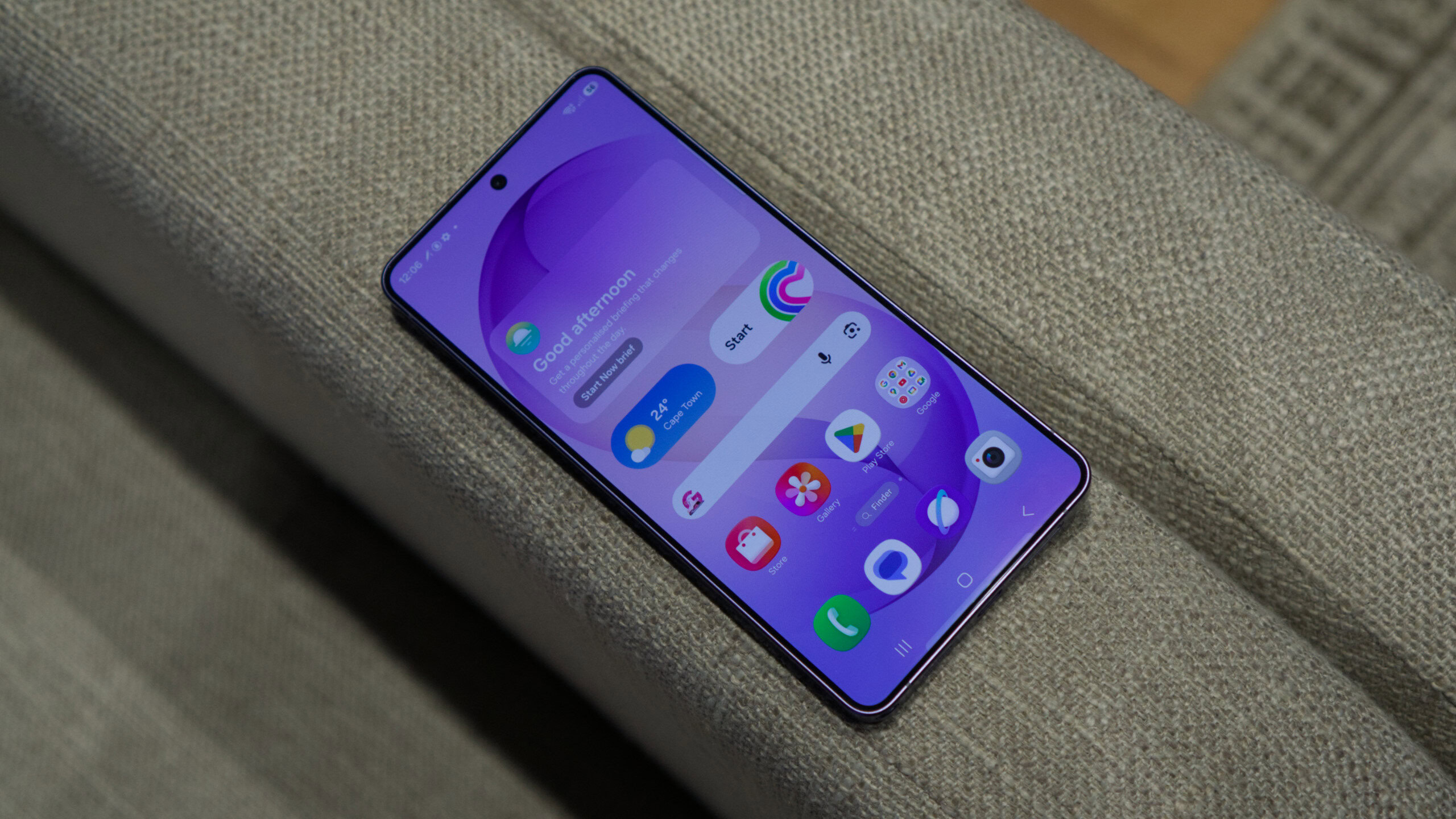
The introduction of the Galaxy S26 series is intrinsically linked to the launch of One UI 8.5, built atop Android 16. While One UI 8.0 provided the foundational structure, the 8.5 iteration represents a substantial evolution, heavily optimized for the device’s next-generation neural processing unit (NPU). The industry narrative, which Samsung heavily influences, is firmly rooted in on-device artificial intelligence, and the S26 Ultra receives these enhancements first and most comprehensively.
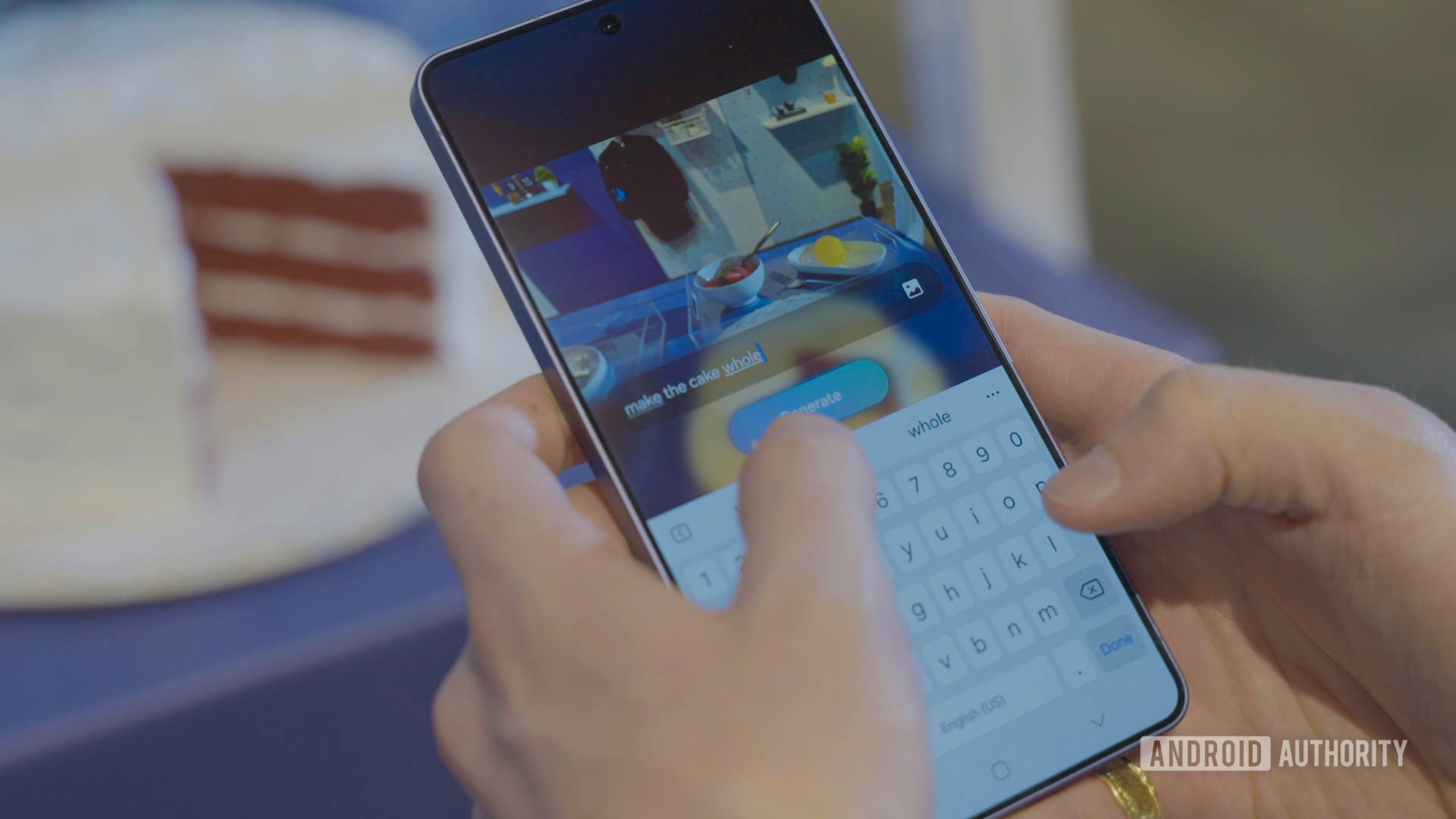
The advancements in Galaxy AI are not merely incremental. Features like Photo Assist now incorporate sophisticated text-prompt editing capabilities, rivaling the advanced generative editing tools seen in competing ecosystems. Furthermore, the AI-enhanced document scanning module appears to have matured beyond basic correction, promising the ability to intelligently isolate and clean up scanned material, eliminating extraneous elements like fingers or misaligned corners with greater precision. The Creative Studio suite leverages AI to facilitate rapid, high-quality sticker and asset creation from user photos, integrating these cutouts directly into the Samsung Keyboard workflow for instant messaging and creative applications.
Crucially, Samsung is deepening its contextual awareness layer. The Now Bar and Now Brief functionalities are gaining meaningful utility by proactively indexing key events and data points across the system, even those residing outside traditional calendar entries. The Now Nudge feature is designed to function as a proactive digital assistant, analogous to competitor predictive cues, suggesting contextually relevant responses or actions by synthesizing data pulled securely from various installed applications.
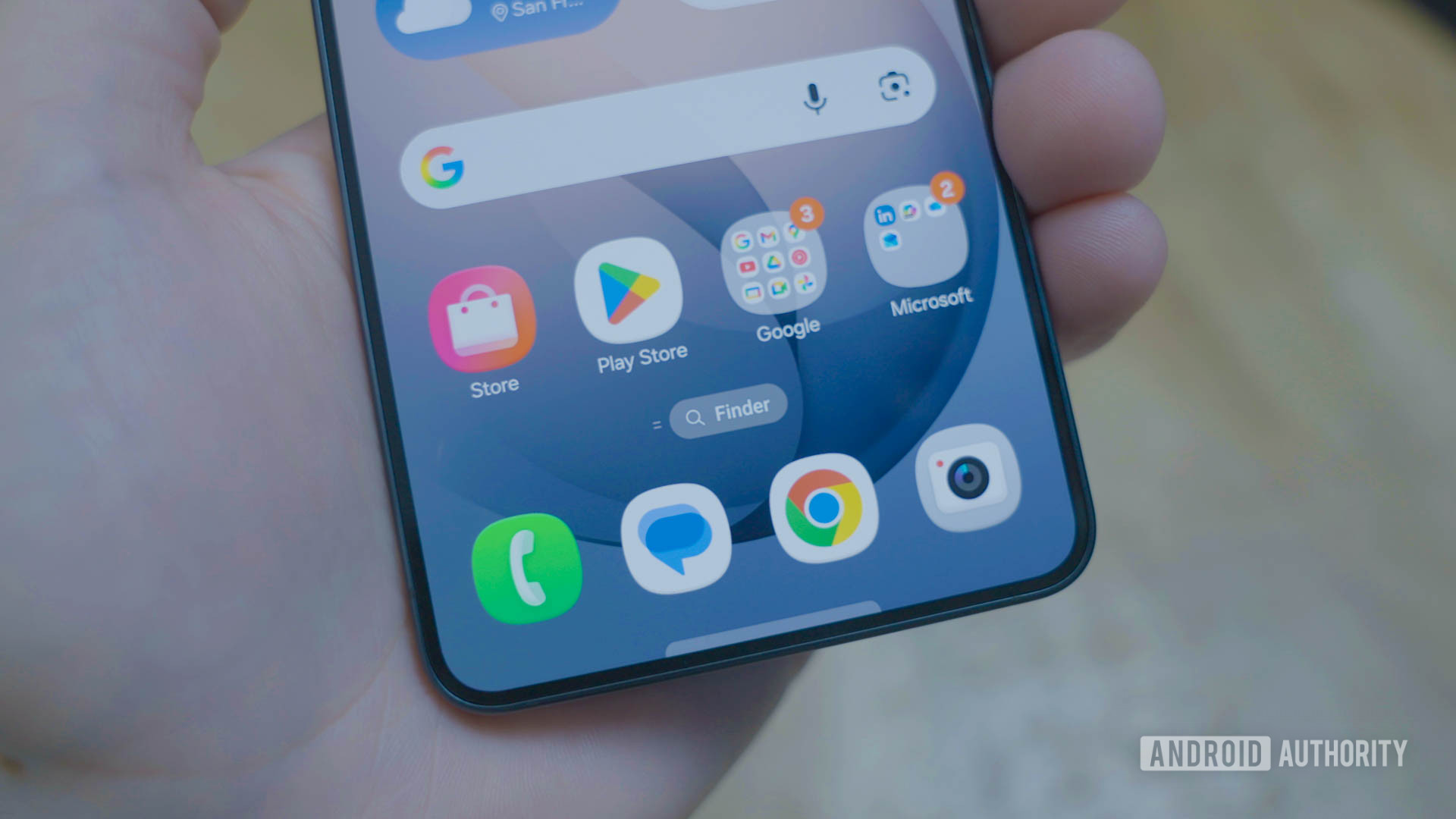
The software experience is further streamlined through significant search enhancements. One UI 8.5 introduces a dedicated system-level search shortcut situated above pinned home screen applications, offering a depth of indexing comparable to platform-specific file finders. This is paired with a significantly upgraded Circle to Search capability, now supporting the simultaneous recognition and querying of multiple distinct visual elements within a single screen capture. Even the Gallery application benefits, gaining enhanced search indexing to locate specific screenshots based on their visual content, a powerful feature for media management.
The partnership with Perplexity AI represents a strategic move to augment Samsung’s proprietary Bixby intelligence. Perplexity is slated to power core AI functions across native applications like Notes, Gallery, and Reminders, acting as a deep, system-level AI agent capable of executing complex, multi-step tasks that may span across different applications—a true demonstration of operating system integration rather than mere application functionality. While the S23 Ultra will eventually receive the One UI 8.5 update, the exclusivity and initial rollout timing grant S26 Ultra owners a tangible, immediate advantage in leveraging the latest AI features, the very capabilities for which the S23 Ultra’s hardware is becoming insufficient.
Imaging Hardware Maturation: Beyond the Megapixel Count
Samsung has frequently faced scrutiny regarding what some perceive as stagnation in camera hardware year-over-year. While the retention of the 200MP primary sensor might suggest continuity, the surrounding optical and computational infrastructure has seen critical revisions relative to the S23 Ultra.
The evolution of the telephoto system provides a clear example of engineering prioritization. Following the shift to a 50MP sensor with 5x optical zoom (introduced with the S24 Ultra), which prioritized high-detail capture in the mid-range zoom spectrum (3x to 10x), the S26 Ultra refines this optical path. It maintains the 5x focal length but features a significantly wider f/2.9 aperture on the telephoto lens, improving light gathering over the S25 Ultra’s f/3.4 lens. This suggests Samsung is leveraging computational photography to enhance the reach beyond 10x while ensuring the crucial mid-range zoom remains robustly detailed and less susceptible to noise, especially in challenging lighting.
The primary sensor receives a more substantial optical upgrade: an f/1.4 aperture lens. Samsung claims this wider opening allows for 47% more light capture compared to the previous generation. This is a vital metric. Greater light intake directly translates to cleaner, sharper images during daylight hours and, more importantly, necessitates less aggressive noise reduction in low-light and night scenarios. For a device heavily reliant on computational stacking, starting with superior raw data is paramount.
Furthermore, Samsung promises notable advancements in video performance. Initial claims include enhanced in-camera stabilization—reducing reliance on post-processing—and AI-enhanced 4K framing. This advanced feature utilizes the high-resolution 8K sensor data, intelligently cropping and stabilizing 4K output to mimic professional cinematic reframing, offering unprecedented flexibility in post-production color grading and aspect ratio adjustments without losing sharpness.
Performance Paradigm Shift: The Snapdragon 8 Elite Gen 5 Advantage
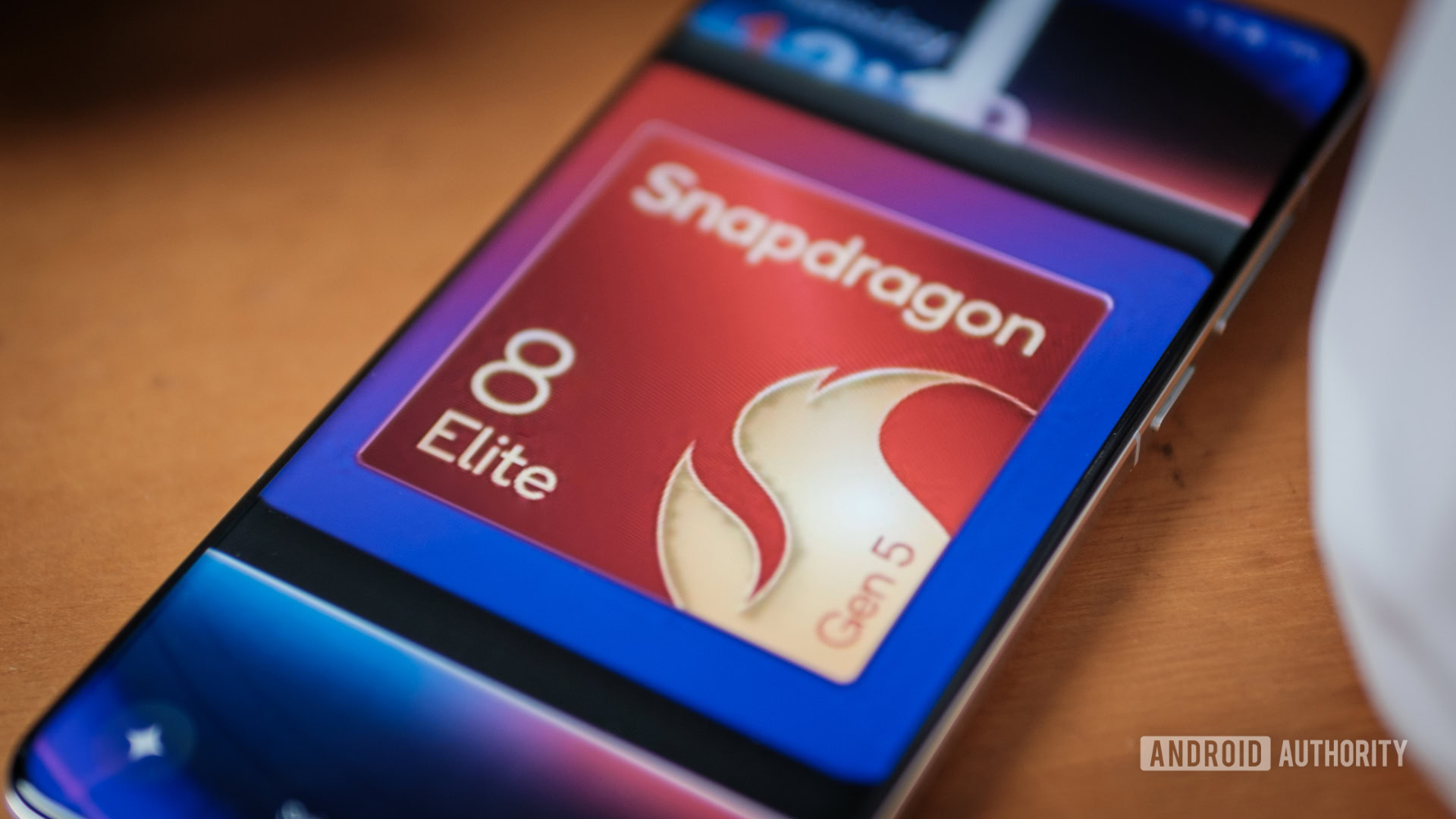
The most unequivocal gap between the S23 Ultra and the S26 Ultra lies in raw processing power. The S23 Ultra relied on the preceding generation of flagship silicon. In stark contrast, the S26 Ultra employs the Snapdragon 8 Elite Gen 5 globally across its Ultra variant, solidifying a commitment to the highest-tier Qualcomm chipset, bypassing the regional Exynos variations found in the base models. This represents a three-generation leap in processing architecture.
Built on a more advanced, likely refined 3nm process node, the Elite Gen 5 integrates Qualcomm’s custom Oryon large and middle cores, featuring substantial increases in clock speeds across the board. This raw power surge is essential for sustaining the intensive, real-time demands of the new Galaxy AI suite, especially those functions requiring significant on-device inference.
However, such significant performance gains historically introduce thermal management challenges. Early adoption of these powerful chipsets has necessitated robust cooling solutions. Samsung’s response, as described, involves a reconfigured heat sink system designed for superior thermal dissipation. The effectiveness of this redesigned thermal architecture will be a key focus of long-term testing, as sustained performance—not just peak benchmark scores—is what truly defines a flagship experience, particularly for power users and mobile gamers. For an S23 Ultra user, the responsiveness jump, the ability to multitask AI features without lag, and the sheer computational headroom offered by the Elite Gen 5 make the upgrade compelling purely from a foundational performance perspective.
Reimagining Endurance: Charging Speed Finally Accelerates
One of the most conservative aspects of the Ultra line in recent years has been charging speed. The Galaxy S23 Ultra, and several predecessors, were capped at 45W wired charging. The S26 Ultra finally breaks this stagnation by adopting 60W wired charging, marketed as Samsung Fast Charging 3.0.
This new standard is reported to leverage both USB PD 3.1 and PPS protocols, enabling a substantial reduction in downtime. Initial projections suggest a recharge rate of 0% to 75% achievable in approximately 30 minutes. For users accustomed to the slower overnight charging habits of the S23 Ultra, this represents a significant quality-of-life improvement, allowing for rapid top-ups before crucial outings.
Wireless charging has also seen a necessary boost, moving from 15W on the S23 Ultra to 25W on the S26 Ultra, providing a tangible advantage for Qi pad users. A notable omission, however, is the lack of integrated magnetic alignment hardware (akin to MagSafe). Samsung continues to rely on magnetic cases to facilitate accessory attachment, a decision that maintains compatibility with existing wireless charging standards but misses an opportunity for deeper ecosystem integration.
Ergonomics and Durability: A Sleeker, More Comfortable Flagship
While specifications often dominate upgrade discussions, the tactile experience is critical for a device held for hours daily. Samsung has diligently worked to slim down the considerable frame of the Ultra series. The Galaxy S26 Ultra sheds approximately 20 grams compared to the S23 Ultra, bringing the weight down to a notably more manageable 215 grams. This difference is immediately perceptible in hand.
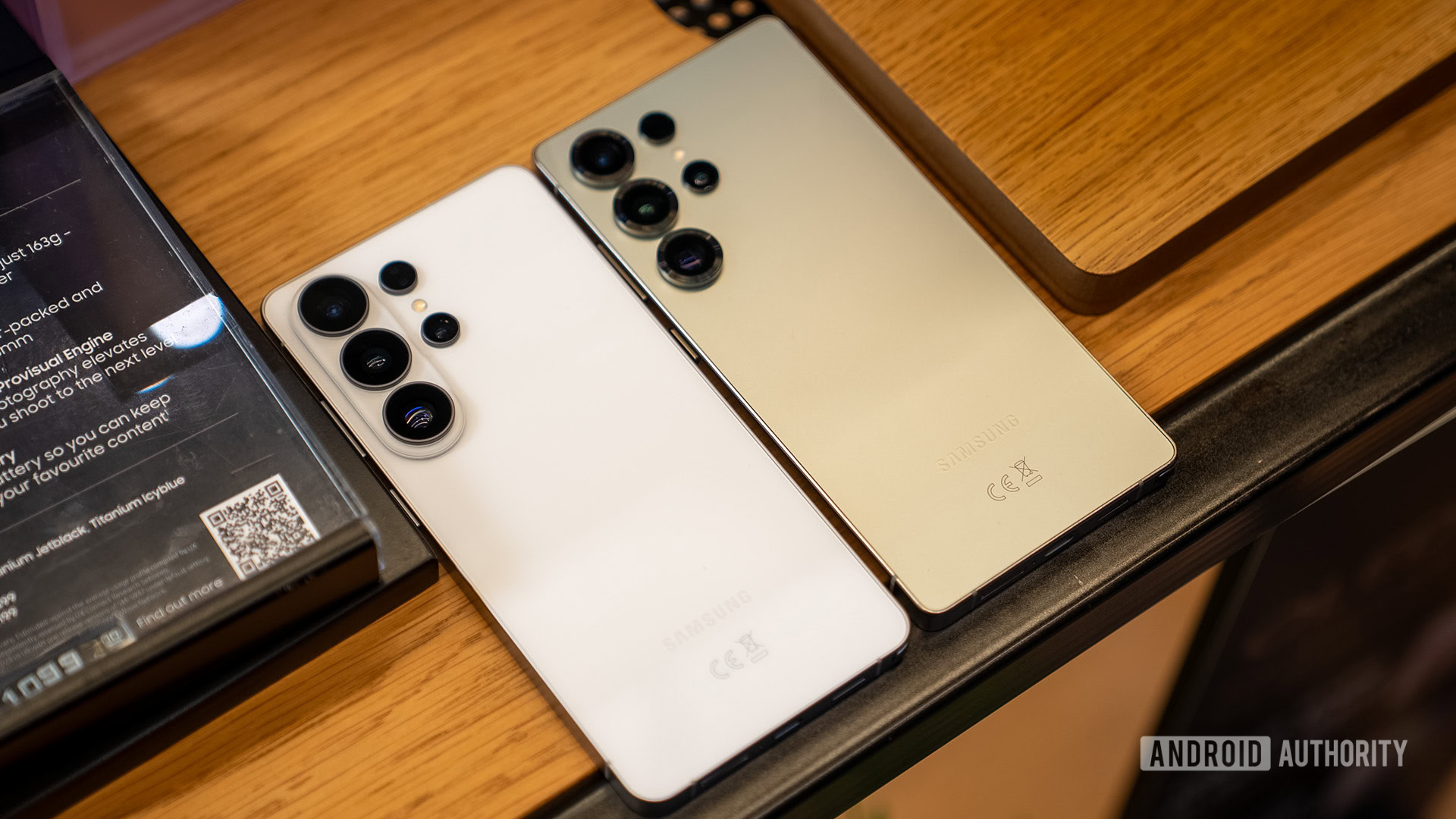
More impressively, Samsung has engineered the device to be the slimmest Ultra flagship yet, measuring just 7.9mm thick. This represents a significant one-millimeter reduction compared to the S23 Ultra’s chassis thickness. This reduction, combined with the weight loss, fundamentally alters the in-hand feel, addressing concerns about bulkiness that have shadowed the Ultra line.
Crucially, Samsung has addressed the sharp, sometimes unforgiving, corners that defined the S23 Ultra’s design language. The S26 Ultra adopts curved corners, a design concession that should dramatically improve long-term handling comfort by reducing the "biting" sensation during extended one-handed use.
Durability sees incremental but meaningful enhancement. The front glass is now protected by Gorilla Glass Armor 2, signaling an expected improvement in scratch resistance and reflection management. Interestingly, the rear panel utilizes Gorilla Glass Victus 2—the same material that protected the S23 Ultra’s display—indicating a robust standard for the back housing.
The Financial Calculus and Longevity Implications
Samsung has maintained a relatively stable pricing structure in key markets since the S24 generation, despite inflationary pressures on component sourcing. The Galaxy S26 Ultra is expected to retain the $1,299 starting price for the base 256GB model in the US, a level established two years prior. While this initial outlay remains high, the technological chasm separating it from the S23 Ultra provides a stronger justification for the investment.
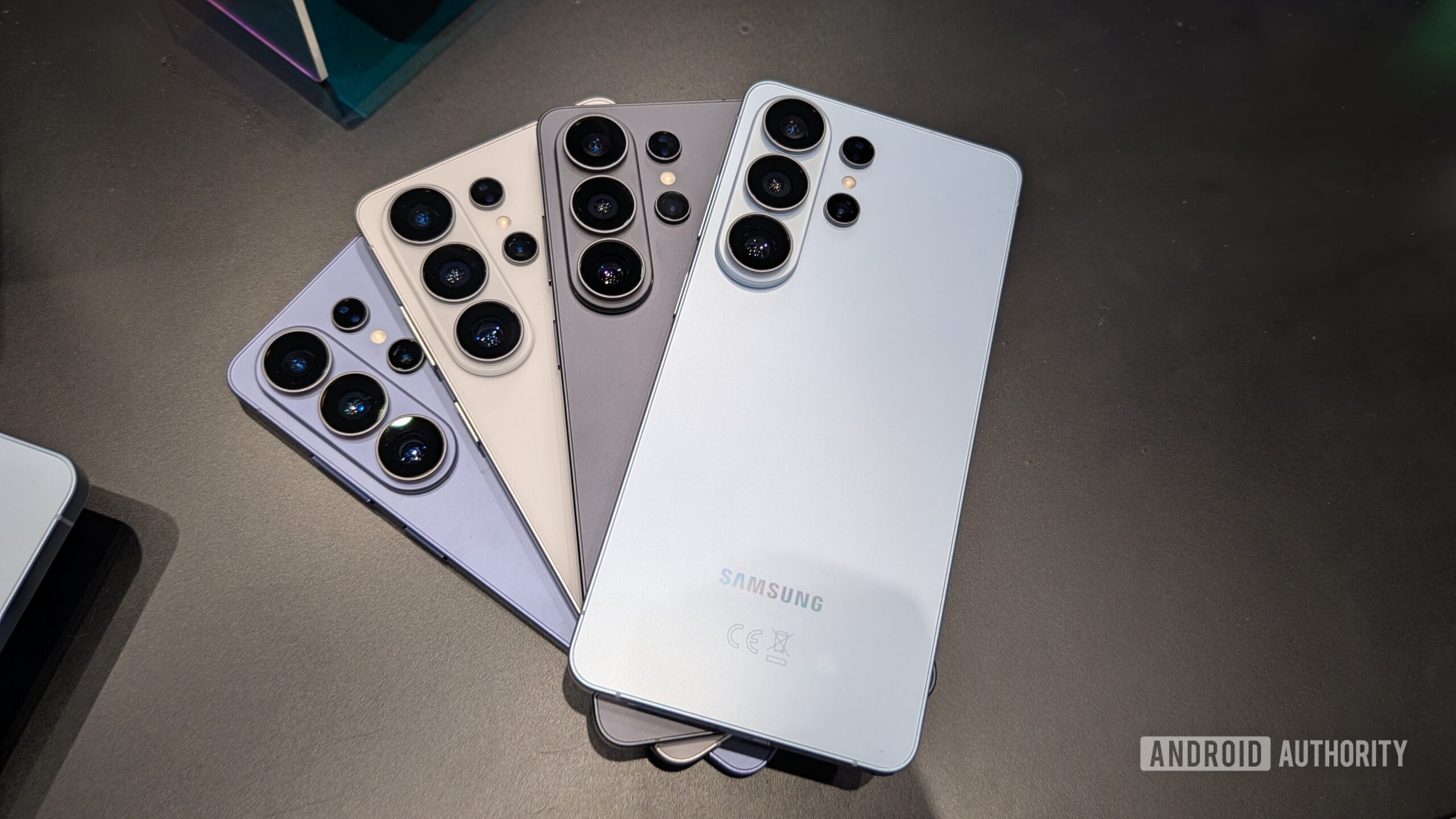
From a longevity standpoint, the S23 Ultra is nearing the end of its primary software support window. Upgrading now secures the device’s place at the forefront of the Android ecosystem for the next three to four years. The S26 Ultra’s superior chipset and commitment to the latest One UI version ensure it will be better equipped to handle future OS iterations and increasingly demanding AI workloads, maximizing the return on investment over the ownership period. The availability of aggressive trade-in offers for the S23 Ultra further mitigates the entry cost.
In summary, the transition from the Galaxy S23 Ultra to the Galaxy S26 Ultra is supported by a confluence of significant, rather than marginal, advancements. The integrated privacy display, the leap to 10-bit color depth, the immediate access to a feature-rich One UI 8.5 environment driven by a next-generation NPU, the substantial gains in thermal management and raw processing power from the Snapdragon 8 Elite Gen 5, the long-awaited charging speed increase, and the refined, significantly more ergonomic physical design collectively argue for an upgrade. The S26 Ultra is not just an iterative refinement; it represents the realization of hardware necessary to fully support the AI-centric mobile future Samsung is actively constructing.
