

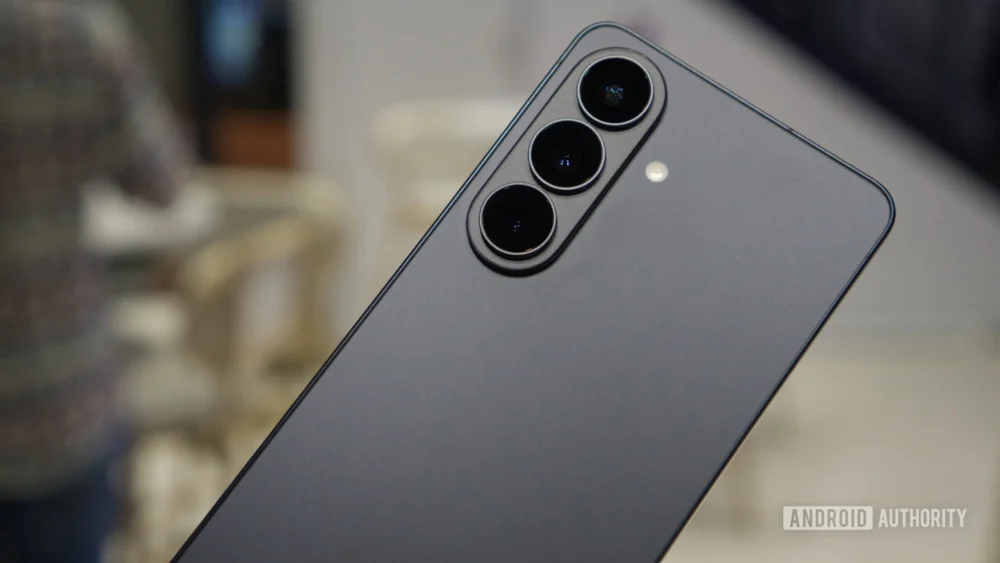
The arrival of the Samsung Galaxy S26 series invariably triggers the annual ritual of assessment for the existing user base: is the technological leap forward significant enough to warrant the financial and logistical burden of an upgrade? This query gains particular traction among those holding the preceding generation, the Galaxy S24. While owners of the S25 lineup might find the changes incremental and uncompelling, the gap between the S24 and the S26 presents a more complex calculus for consumers. This analysis will dissect the comparative merits of the Galaxy S26 against the still-robust Galaxy S24 platform, seeking to establish whether the tangible improvements justify the transition, and ultimately, articulate a personal recommendation based on anticipated feature utility.
It is crucial to preface this comparative study with a necessary disclaimer: as the Galaxy S26 is newly unveiled, direct, hands-on empirical testing has not yet been conducted. Consequently, the conclusions drawn herein are synthesized from an extensive background in Samsung’s Galaxy ecosystem, a thorough understanding of year-over-year component progression, and the detailed specifications released for both the S24 and S26 models. This perspective allows for an informed projection of real-world performance differentials.
The Context of Continuity: Evaluating the Galaxy S24 Foundation
The Galaxy S24, upon its release, was not a device characterized by revolutionary change but rather by refinement. It represented an excellent convergence of existing strengths, although its marketing narrative leaned heavily into the nascent "Galaxy AI" suite. Critically, the S24 iteration was viewed by many observers as a relatively minor upgrade over the S23, leading to minor points of contention: charging throughput remained conservative by industry standards, and the camera hardware architecture saw little substantive evolution. Nevertheless, the S24 established a high baseline for daily usability, particularly concerning processing power, which remains more than adequate for virtually all contemporary mobile tasks. Furthermore, Samsung’s commitment to software longevity—a five-year support window for the S24—means that current owners are far from being abandoned by the ecosystem.
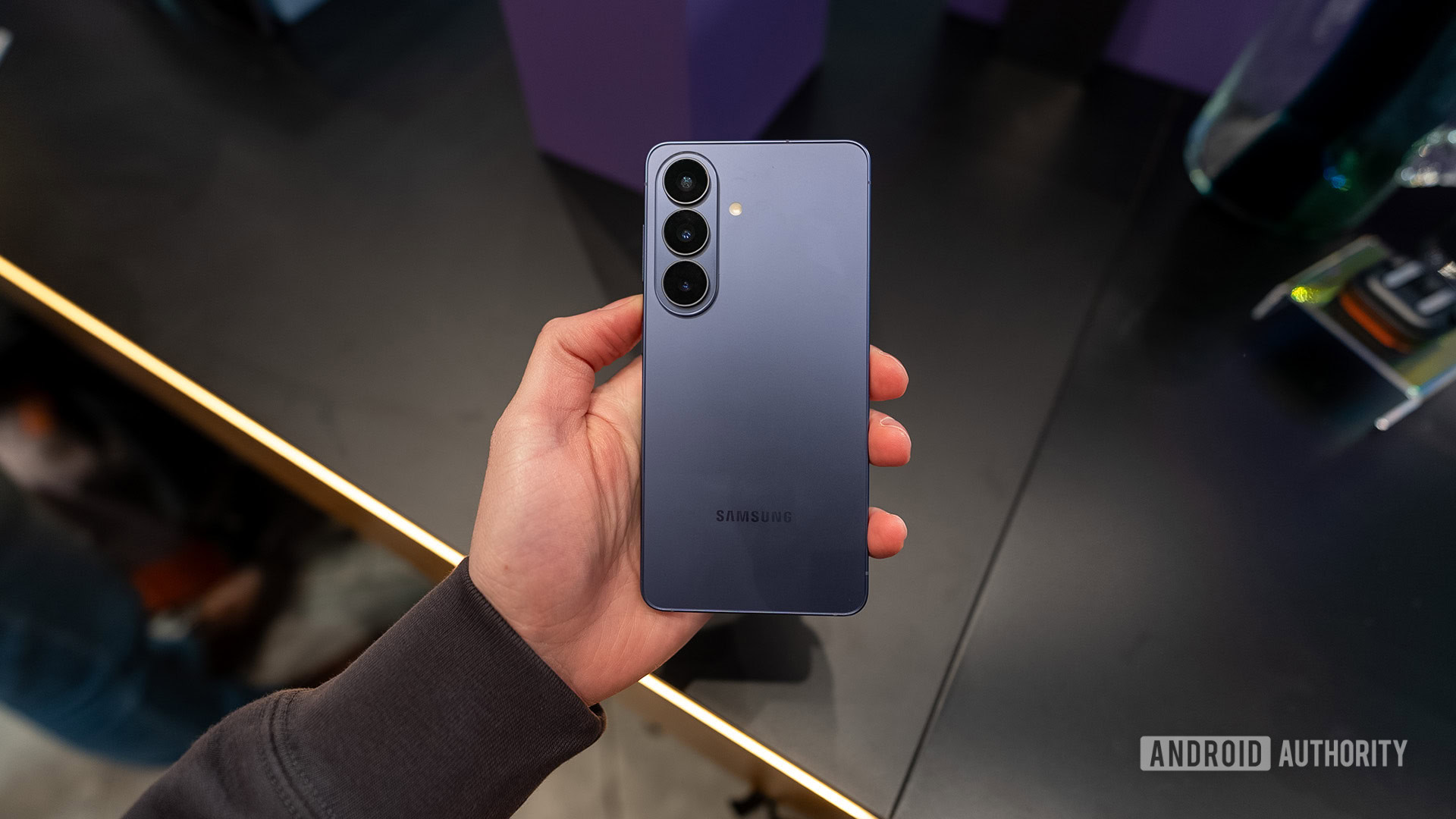
Despite its inherent strengths, the S24 is demonstrably constrained in specific areas that Samsung has chosen to address in the S26 generation. These constraints form the primary vectors for potential upgrade justification. The S26 series arrives with the implicit promise of addressing these minor deficiencies while simultaneously advancing the feature set, particularly in performance headroom, power efficiency, and baseline storage capacity.
Core Hardware Advancements: Performance and Endurance
One of the most immediate and tangible areas of improvement lies beneath the surface, centered on the System-on-a-Chip (SoC). For the North American market, the Galaxy S26 base models are equipped with the Snapdragon 8 Elite Gen 5 for Galaxy—a configuration mirroring the flagship Ultra variant. This represents a significant generational leap in raw computational and graphical capability over the silicon powering the S24. While early iterations of this new architecture experienced thermal management challenges, the expectation is that Samsung, having had time for optimization and refinement, has mitigated these issues through improved thermal dissipation solutions. For intensive tasks, particularly mobile gaming or sustained heavy multitasking, the performance differential should be immediately perceptible. This is also relevant for international markets slated to receive the Exynos 2600 chipset. Preliminary benchmark data suggests the Exynos 2600 benefits from a cutting-edge 2nm fabrication process, positioning it not only for peak speed but also for substantial gains in power efficiency compared to its predecessor.
This efficiency gain intersects critically with battery life. The base Galaxy S24 was equipped with a respectable but somewhat conservative 4,000mAh cell. The Galaxy S26 bumps this capacity by 300mAh, reaching 4,300mAh. While this might seem modest in isolation, when combined with the potentially superior power management offered by the 2nm process SoC, the cumulative effect on endurance could translate into meaningful real-world screen-on time improvements. It must be noted, however, that the Galaxy S26 Plus model appears to inherit the S24 Plus’s battery specification (4,900mAh) without a corresponding increase in charging speed (stuck at 45W), suggesting Samsung’s focus on endurance enhancement was concentrated on the standard form factor.
The Storage Watershed Moment
Perhaps the most long-overdue correction in the S26 lineup targets internal storage. For years, the base configuration for Samsung’s premium flagships, including the S24, has languished at 128GB. In an era where 4K video capture is standard, large application footprints, and extensive media libraries are common, 128GB quickly becomes a bottleneck for power users. The Galaxy S26 series finally rectifies this historical oversight: both the standard S26 and the S26 Plus models now start at 256GB.
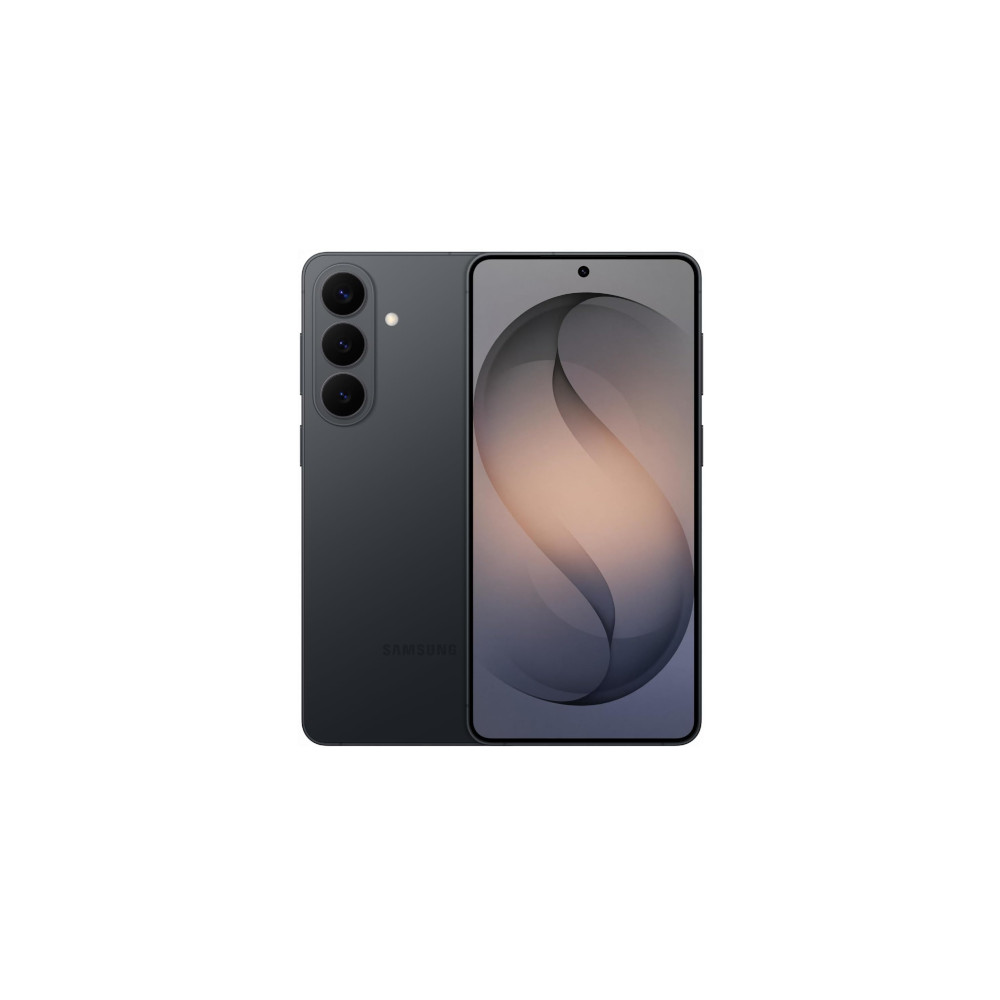
This is not merely an incremental bump; it represents a doubling of accessible base storage. For users who frequently record high-resolution video, download extensive offline content, or manage large datasets, this change fundamentally alters the out-of-the-box usability proposition. It removes the psychological friction associated with constantly monitoring storage capacity, which, for many, is a significant quality-of-life improvement that justifies an upgrade on its own merits.
Software Commitment and AI Feature Velocity
A secondary, yet vital, consideration for any flagship purchase is its lifespan support timeline. Samsung has firmly established itself as the Android OEM leader in this domain by extending its update commitment to seven years for the S24 series. The S26 series continues this industry-leading policy, guaranteeing major Android version upgrades and security patches until 2033. While this means the S24 still has five years of support remaining, the S26 offers an additional two years of longevity, an important factor for consumers planning to keep their devices for four years or more.
More immediately impactful is the software feature velocity. The Galaxy S26 series serves as the initial launch platform for Samsung’s next wave of Galaxy AI innovations. While many AI features tend to trickle down to older supported hardware, the newest, most computationally demanding, or most tightly integrated tools debut exclusively on the latest silicon. Early indicators suggest the S26 will introduce enhanced AI capabilities, such as an expanded "Audio Eraser" function capable of isolating vocal tracks within videos streamed from platforms like YouTube, Netflix, and Instagram—a capability that offers significant utility for content creators and media consumers. Furthermore, advancements in the "Finder" functionality and the introduction of the "Screenshot Analyzer"—Samsung’s proprietary evolution of context-aware screenshot processing—signal a deeper embedding of on-device intelligence that S24 users will only access later, if at all, depending on hardware constraints.
Industry Implications: The Cost of Early Access to AI
The strategic positioning of the S26 highlights a critical trend in the modern smartphone industry: the shift of competitive advantage from purely hardware specifications (like screen refresh rates or camera megapixels) to proprietary software integration, particularly artificial intelligence. By launching advanced, differentiating AI tools first on the S26, Samsung is attempting to create a compelling reason to upgrade even when the underlying hardware chassis remains aesthetically similar to its predecessor.
This strategy places pressure on competitors, forcing them to either accelerate their own AI development cycles or rely more heavily on the inherent appeal of Android version parity. For Samsung, the S26 is less about fixing hardware flaws and more about monetizing the R&D investment in software intelligence. The consequence for the consumer is a faster depreciation of the value proposition of last year’s model, simply because it lacks the "first-run" access to the newest features that define the current technological narrative.
The Verdict on the Upgrade Trajectory: S24 to S26
Synthesizing these factors, the question shifts from if the S26 is better (it demonstrably is, on paper) to who should upgrade from the S24.
For the user whose mobile experience is defined by peak performance—the dedicated mobile gamer, the power multitasker constantly juggling multiple productivity apps, or the professional user relying on demanding applications—the generational leap in the Snapdragon 8 Elite Gen 5 (or the efficiency of the Exynos 2600) provides a clear, tangible benefit that the S24 cannot match.
The combined package of enhanced longevity (seven years versus five), the crucial doubling of base storage to 256GB, and first-access to the next generation of Galaxy AI tools creates a compelling argument for migration. These elements combine to significantly future-proof the device against evolving software demands and media consumption habits.
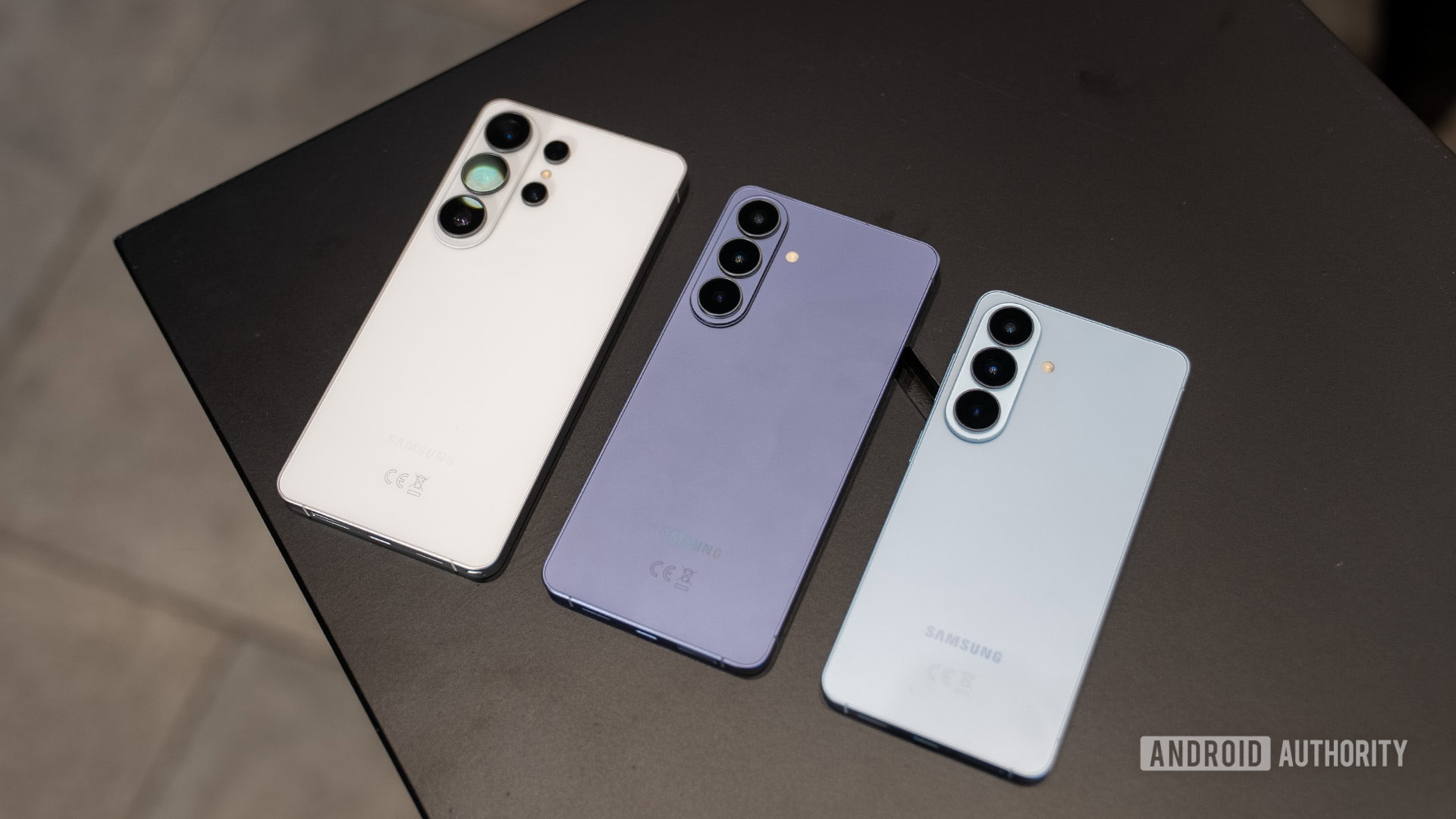
However, a significant caveat exists, tied directly to the storage increase: the entry-level price point. The inclusion of 256GB of storage inherently pushes the starting price of the Galaxy S26 higher than the launch price of the S24—reportedly a $100 increase, placing the base model perilously close to the four-digit psychological barrier previously reserved for the Ultra tier. This price escalation demands careful consideration. If the primary motivation for upgrading is simply the perceived need for a new device, and the S24’s current storage is sufficient, the financial outlay may not be justified by the incremental gains in battery capacity or the delayed arrival of AI features.
If a user derives substantial value from the newly announced, exclusive AI toolset, or if the S24’s 128GB has already proven insufficient, the S26 represents a sound, albeit premium-priced, investment in extended utility and feature parity with the bleeding edge of Samsung’s ecosystem. For the majority of S24 users who are satisfied with current performance and are not immediately constrained by storage limitations, the S24 remains an exceptionally capable device with years of support ahead. The S26 is recommended for those seeking maximized performance headroom and the earliest access to Samsung’s evolving AI narrative, accepting the increased entry cost as the price of immediate feature adoption.
Future Outlook: The Maturation of AI and Hardware Iteration
Looking ahead, the decision between the S24 and S26 foreshadows the direction of the entire high-end smartphone market. We are moving into an era where performance gains are measured less in raw clock speed increases and more in silicon efficiency (as evidenced by the 2nm process), and where the primary differentiator becomes the sophistication of on-device, localized AI processing.
Samsung’s commitment to seven years of support, initiated with the S24 generation, sets a new expectation for device lifespan. Upgrading to the S26 means locking in an additional two years of guaranteed software modernity, potentially extending the functional life of the hardware well into the next decade. This extended lifecycle mitigates the sting of the higher initial purchase price, framing the upgrade not as a biennial necessity but as a multi-year capital investment in sustained technological relevance. The industry trend indicates that the most significant year-over-year changes will continue to reside within the software layer, making the device that launches with the newest software stack inherently more valuable for enthusiasts focused on cutting-edge functionality.
