

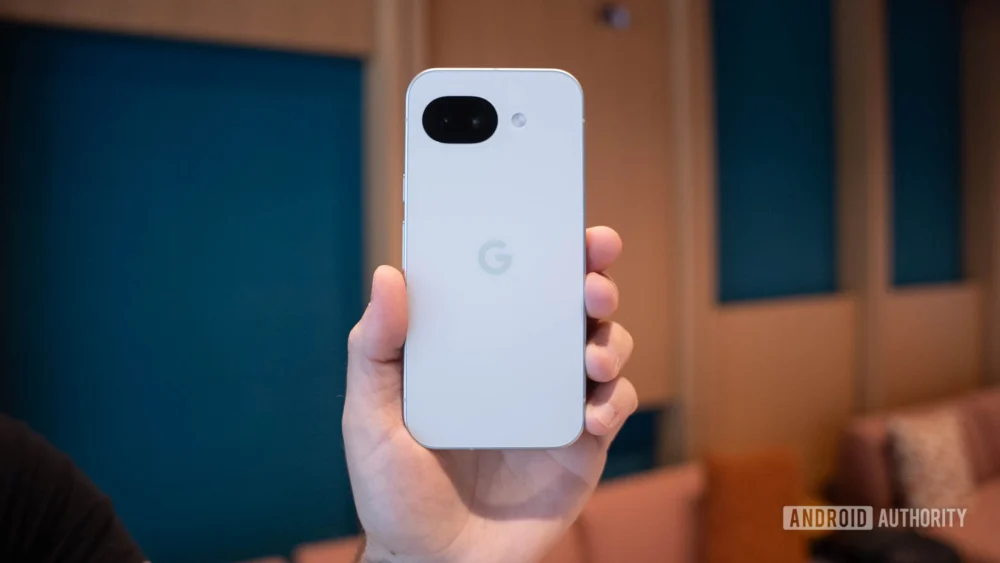
The smartphone industry’s perpetual arms race, typically dominated by flagship devices boasting four-digit price tags, is increasingly being challenged by highly capable mid-range contenders. Google’s Pixel ‘A’ series has historically been the vanguard of this democratization of premium features, focusing on delivering the core Google experience—particularly computational photography prowess—at an accessible price point. The introduction of the Pixel 10a continues this tradition, but current pre-order promotions are elevating its value proposition to an unprecedented level, effectively reducing the barrier to entry for high-quality Android ownership. Specifically, consumers securing the device during this initial sales window are being offered a compelling $100 gift card, a sweetener that transforms an already strong purchase into a financially astute acquisition.
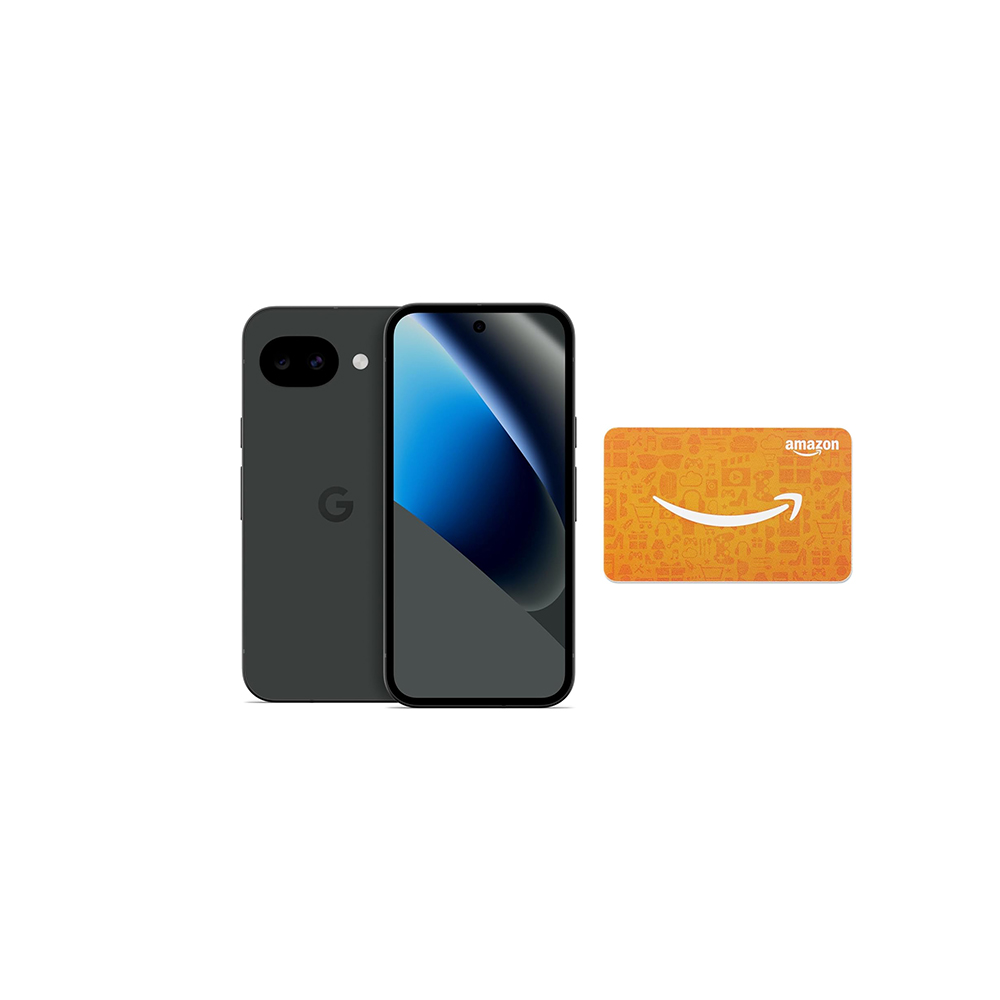
This promotional strategy is particularly noteworthy given the context of the current mobile landscape. Flagship devices, like the contemporary Pixel mainline iterations, often exceed $1,000, placing significant strain on consumers who prioritize excellent software support and core functionality over bleeding-edge specifications. The Pixel 10a, priced conventionally at $499, is engineered to capture the vast majority of the market that requires robust daily performance, reliable longevity, and Google’s signature AI enhancements without the associated premium cost. The addition of a $100 gift card, redeemable at major retailers such as Amazon, Best Buy, or the Google Store itself, effectively lowers the net cost of the device to $399. For a device packing the Tensor G4 chipset and seven years of guaranteed software support, this represents an almost unprecedented level of value in the current ecosystem.
The Technical Foundation: Tensor G4 and Extended Longevity
At the heart of the Pixel 10a’s appeal lies the Google Tensor G4 System-on-a-Chip (SoC). While the A-series historically received slightly de-tuned processors from the preceding flagship generation, the integration of the Tensor G4 signifies a commitment to bringing Google’s latest machine learning capabilities directly into the mid-range segment. This chipset is the engine driving the highly anticipated AI features—from advanced photo processing and real-time translation to enhanced on-device security measures—that Google reserves for its premium ecosystem. Pairing this with 8GB of RAM ensures that multitasking, application loading, and general system responsiveness remain fluid, dispelling any notion that "mid-range" equates to sluggish performance.
Perhaps the most critical, and often overlooked, specification in the context of long-term value is the software update commitment. The Pixel 10a reportedly arrives with a pledge of seven years of both operating system updates and security patches. In an industry where many manufacturers limit support to three or four years, this commitment from Google fundamentally alters the total cost of ownership calculation. A $499 device that remains secure and updated for seven years competes directly with devices costing twice as much, offering superior financial durability against rapid obsolescence.
Display and Durability: Upgrades That Matter
The visual experience on the Pixel 10a has seen tangible refinement. The display is a 6.3-inch P-OLED panel, maintaining the preferred Full HD+ resolution that balances sharpness with efficient power consumption. Crucially, the refresh rate has been elevated to 120Hz, a feature once exclusive to high-end devices that dramatically improves the perceived smoothness of scrolling and animations. Furthermore, the peak brightness has been boosted significantly, reportedly reaching 3,000 nits. This high-luminosity ceiling is vital for outdoor usability, directly addressing a common pain point for users in sun-drenched environments.
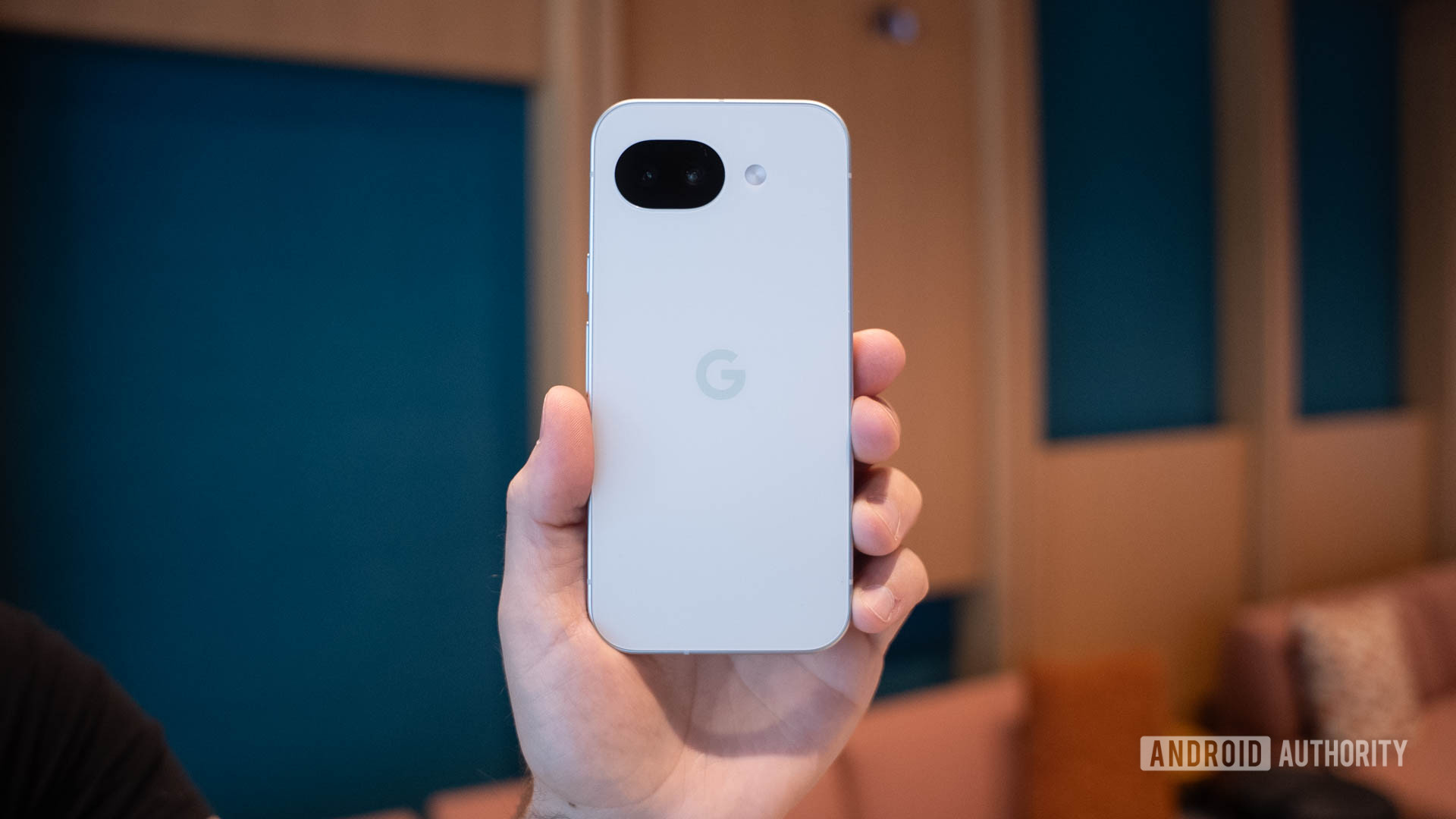
Durability has also received attention. The inclusion of Corning’s Gorilla Glass 7i on the front panel suggests enhanced scratch and drop resistance over previous generations. Coupled with an aluminum frame and the flagship-standard IP68 rating for superior water and dust ingress protection, the physical resilience of the 10a suggests it is built to withstand the rigors of daily life, reinforcing the longevity argument. Aesthetics remain distinctly Pixel, with the device available in a palette that includes Obsidian, Lavender, Fog, and the vibrant Berry, offering personalization options often absent in more utilitarian mid-range offerings.
The Ecosystem Value Proposition: Gift Cards and Accessories
The $100 gift card promotion is more than a simple discount; it is a strategic move designed to foster deeper ecosystem integration. When purchased through the Google Store, an alternative offer often surfaces: a complimentary pair of Pixel Buds 2a. This accessory bundle immediately links the new smartphone owner to Google’s audio wearable line, encouraging reliance on the integrated Google Assistant experience and further entrenching the user within the brand’s hardware sphere.
For consumers opting for the gift card, the flexibility is a major advantage. The $100 can be immediately applied to offsetting the cost of necessary peripherals—such as a high-speed charger (given the 30W wired charging support), a protective case, or even future purchases on the retailer’s platform. In a competitive retail environment where pricing parity is common, these bundled incentives become the primary differentiator in the pre-order phase.
Industry Implications: The Mid-Range Squeeze
The aggressive packaging of the Pixel 10a has significant implications for the broader smartphone market, particularly for competitors operating in the $400 to $600 segment, such as Samsung’s Galaxy A series or various offerings from Xiaomi and OnePlus. By integrating features like the Tensor G4, a 120Hz OLED display, and seven years of updates into a $499 device, Google is effectively raising the expected baseline for mid-range quality.
This forces rivals into a difficult position: they must either match these specifications, thereby eroding their own margins, or offer a compelling feature parity that justifies a lower price point without the assurance of Google’s long-term software commitment. The Pixel A-series thrives on the perception of "flagship features made accessible," and the 10a’s current promotion amplifies this, making the proposition almost mathematically superior for consumers prioritizing long-term value over immediate peak performance benchmarks.
From an expert perspective, this strategy reflects Google’s understanding that hardware innovation is plateauing in the ultra-premium tier. True differentiation is now found in software optimization, AI integration, and the total ownership lifecycle. The Tensor chips are not designed to win raw clock speed comparisons but to excel at specific, AI-intensive tasks that define the modern smartphone experience. By placing this capability in the mid-range and backing it with seven years of security patches, Google is signaling a long-term commitment to this user base, a commitment that premium buyers often take for granted but mid-range buyers highly value.
Deeper Dive into Core Features
Beyond the headline specifications, several components merit closer examination. The camera system, though adhering to the A-series philosophy of relying heavily on computational photography rather than excessive lens count, is expected to leverage the Tensor G4’s enhanced image signal processing (ISP). While the hardware specifications—likely a capable primary sensor and a dependable ultra-wide—may remain similar to previous generations, the software magic applied post-capture is where the Pixel identity is forged. Users can anticipate best-in-class dynamic range and low-light performance relative to its price bracket.
Battery management is also critical for the mid-range consumer. The 5,100 mAh cell is generously sized, designed to comfortably deliver all-day endurance even with the 120Hz display active. The 30W wired charging, while not the fastest in the Android world, is a significant step up and, when combined with 10W wireless charging capability, offers flexible refueling options. This dual charging support further blurs the line between the A-series and the mainline offerings, cementing its status as a near-flagship experience.
Analyzing the Promotional Timing and Future Trends
The timing of this $100 gift card offer, likely coinciding with the initial launch window or a significant seasonal sales event, is crucial. Pre-order bonuses are designed to generate immediate sales momentum, reduce initial inventory overhang, and secure early positive reviews that build hype. For a product focused on longevity, securing users early means they are locked into the seven-year support cycle from day one, maximizing Google’s investment in that long-term maintenance.
Looking toward future mobile trends, the Pixel 10a’s trajectory highlights the growing importance of device longevity and software support as primary selling points. As the cost of flagship devices continues to escalate, consumers are becoming increasingly savvy about calculating true value over a multi-year ownership period. A device that maintains security compliance and operating system relevance for seven years significantly outperforms a device that depreciates rapidly due to software abandonment after three years, regardless of the initial price differential.
Furthermore, the emphasis on "trickled-down Pixel AI features" points to a future where the core differentiator between device tiers is not raw processing power, but the sophistication of the embedded, proprietary software capabilities. Google is clearly prioritizing the deployment of its advanced machine learning models across its entire hardware portfolio, leveraging the Tensor architecture to ensure a consistent, intelligent user experience. The Pixel 10a is the primary vehicle for delivering this standardized intelligence to the mass market.
In summary, the Google Pixel 10a represents a pivotal point in accessible smartphone technology. It successfully merges high-end display technology and powerful, AI-focused silicon with an industry-leading software support timeline. The concurrent $100 gift card promotion—or the optional Pixel Buds 2a bundle—is not merely a fleeting discount; it is a powerful statement that the premium smartphone experience, defined by longevity, intelligence, and refined execution, is now firmly attainable for the mainstream consumer. This promotional window offers an exceptional opportunity to acquire a device that is poised to remain relevant and competitive for nearly a decade.
