

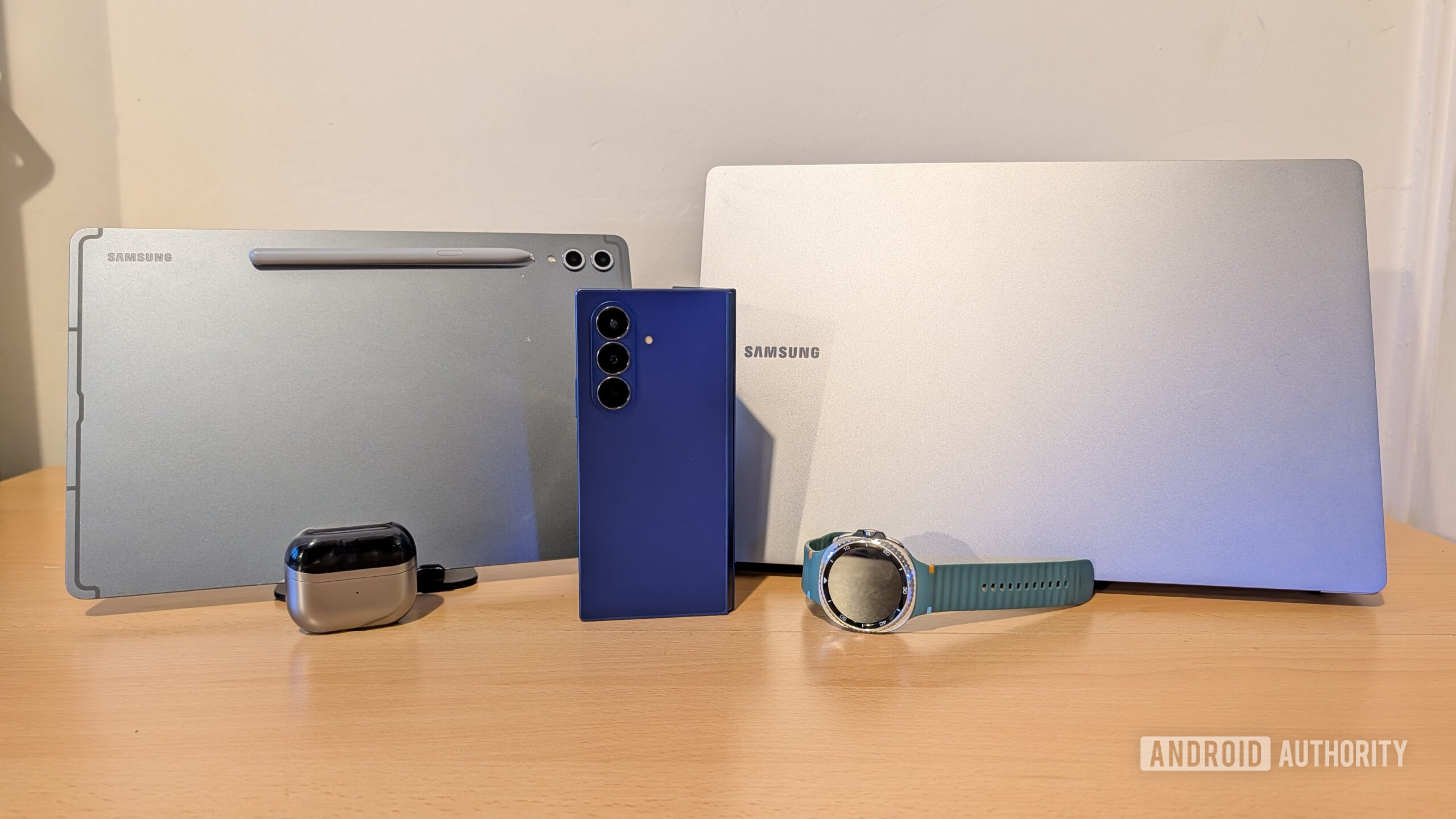
The technological landscape of 2026 is fundamentally defined by interoperability. Consumers are no longer purchasing disparate gadgets; they are investing in curated digital environments designed to minimize friction in daily workflows. This paradigm shift places immense importance on the concept of the "ecosystem," a walled garden where hardware and software components synchronize to unlock efficiencies that standalone devices cannot achieve. For Samsung, the behemoth of the Android world, this means leveraging its comprehensive portfolio—spanning flagship foldables (like the hypothetical Fold 7), advanced wearables (such as the Watch 8 series), productivity tablets (the Tab S10 line), and its expanding line of Galaxy Books—to create a compelling proposition. The critical question for the discerning technophile is whether the cumulative benefits justify the exclusivity inherent in "going all-in" on the Samsung Galaxy framework.
This analysis moves beyond mere feature parity to examine the deep integration points that define the true value of the Samsung ecosystem, evaluating these synergies through the lens of sustained user experience, competitive dynamics, and long-term technological commitment.
Contextualizing the Ecosystem Strategy
Samsung’s ecosystem strategy is a direct response to the maturity of the smartphone market and the subsequent battleground shifting toward peripheral integration. While basic Bluetooth connectivity is universal, proprietary integration—the secret sauce of Apple’s dominance—is what Samsung seeks to replicate and enhance within the Android sphere. By controlling both the operating system skin (One UI) and the hardware across multiple categories, Samsung engineers deep-seated functional links. This strategy aims not just for convenience, but for dependency; the more devices a user owns, the more inconvenient it becomes to extract oneself from the network.
In 2026, the competitive environment is fierce. Google is tightening its grip on Pixel-exclusive hardware features, often relegating other OEMs to standard Android functionality. This forces Samsung to aggressively differentiate its platform to retain users who might otherwise be tempted by optimized stock Android experiences or niche competitors. The evaluation of the Samsung ecosystem, therefore, is an evaluation of whether its proprietary advantages outweigh the inherent limitations of vendor lock-in.
The Wearable Nexus: Galaxy Watch and Samsung Phones
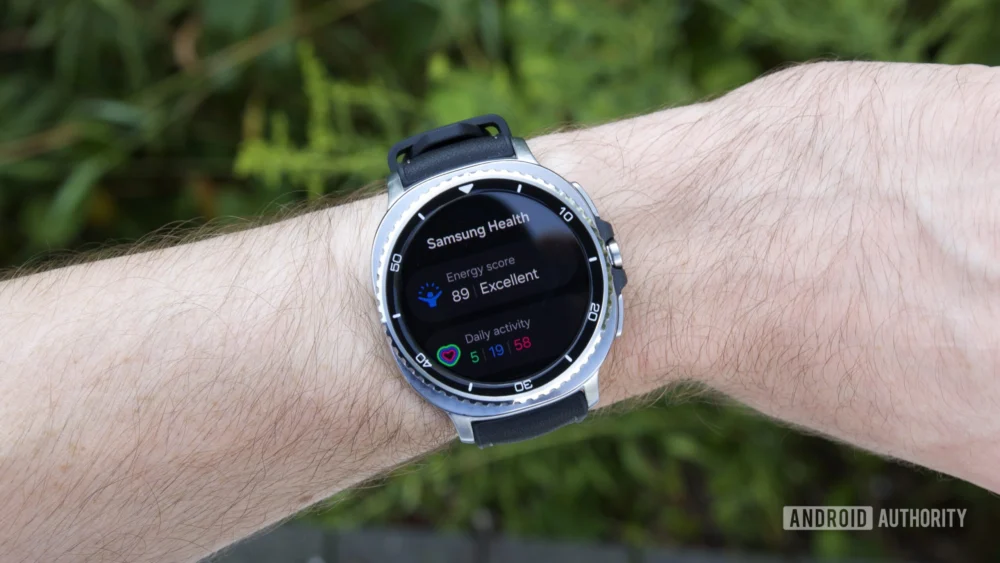
The relationship between the Galaxy Watch (hypothetically the Watch 8 generation) and a Samsung flagship phone remains a cornerstone of the ecosystem’s appeal. While Wear OS has significantly matured, allowing watches from various manufacturers to function adequately with non-Samsung Android devices, the true optimization remains tethered to the Galaxy S series.
One of the most acute examples of this dependency is the handling of temporal data, specifically alarm management. Following industry shifts—such as Google’s decision in late 2025 to restrict advanced Clock app integration to Pixel watches—the seamless synchronization of alarms, snoozing, and silencing across the phone and watch face becomes a Samsung-exclusive luxury. For users accustomed to managing their morning routine entirely from the wrist, reverting to a non-Samsung environment presents a tangible, daily productivity regression. This isn’t a mere preference; it’s a workflow disruption enforced by platform politics.
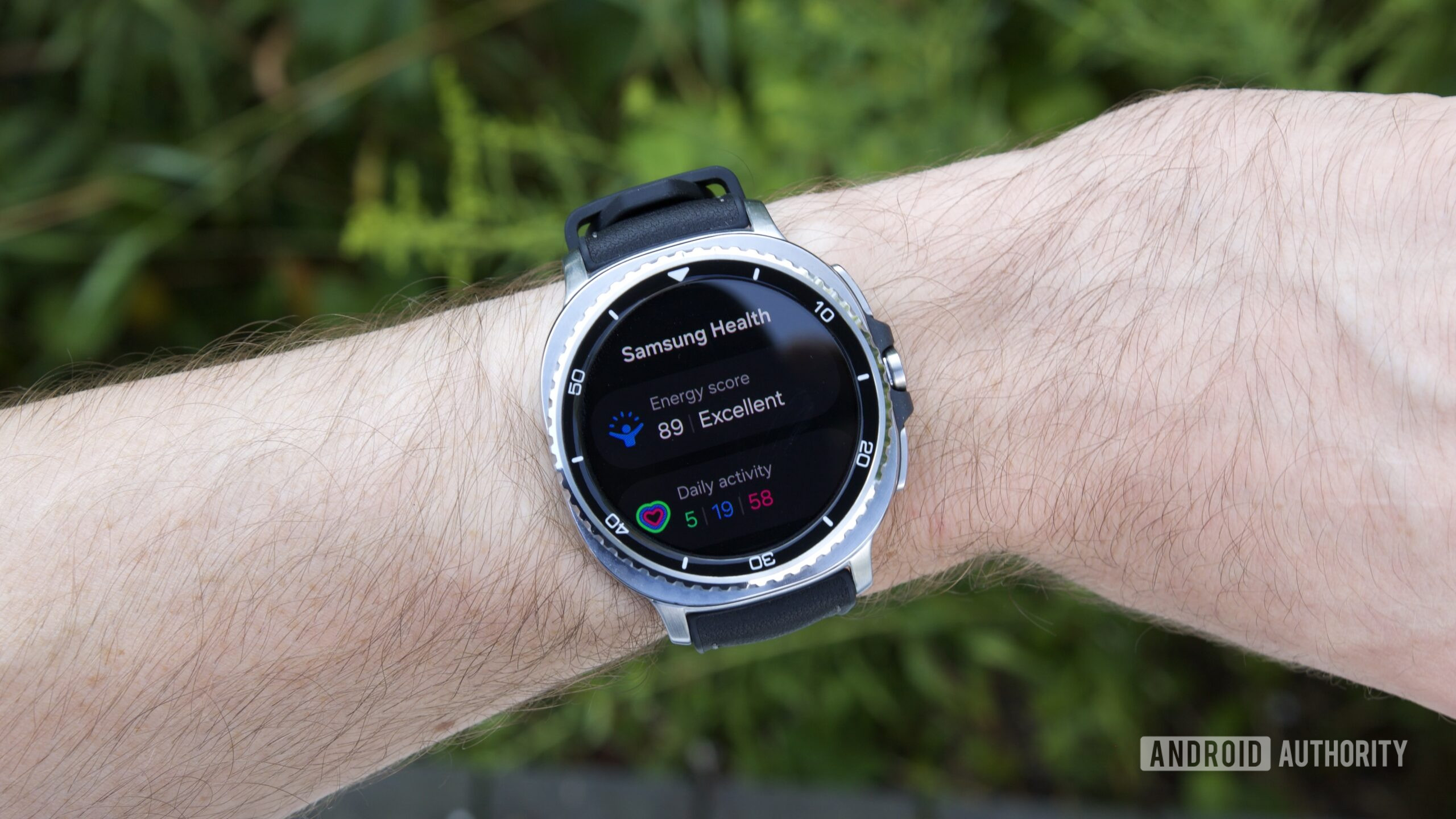
Furthermore, the health monitoring suite reveals a deeper level of platform commitment. Features such as blood pressure monitoring, electrocardiogram (ECG) capabilities, and advanced sleep apnea detection—often requiring specific certifications and deep-level hardware access—are frequently gated behind the pairing with a Samsung smartphone. The anecdotal evidence provided by users regarding life-saving detection (such as early warnings for severe obstructive sleep apnea via SpO2 drops) underscores that these aren’t trivial software tweaks; they represent medically relevant data streams whose availability is conditional on ecosystem compliance. This transforms the value proposition from convenience to potential necessity for health-conscious consumers.
Productivity Powerhouse: Tablets and the Continuity of Work
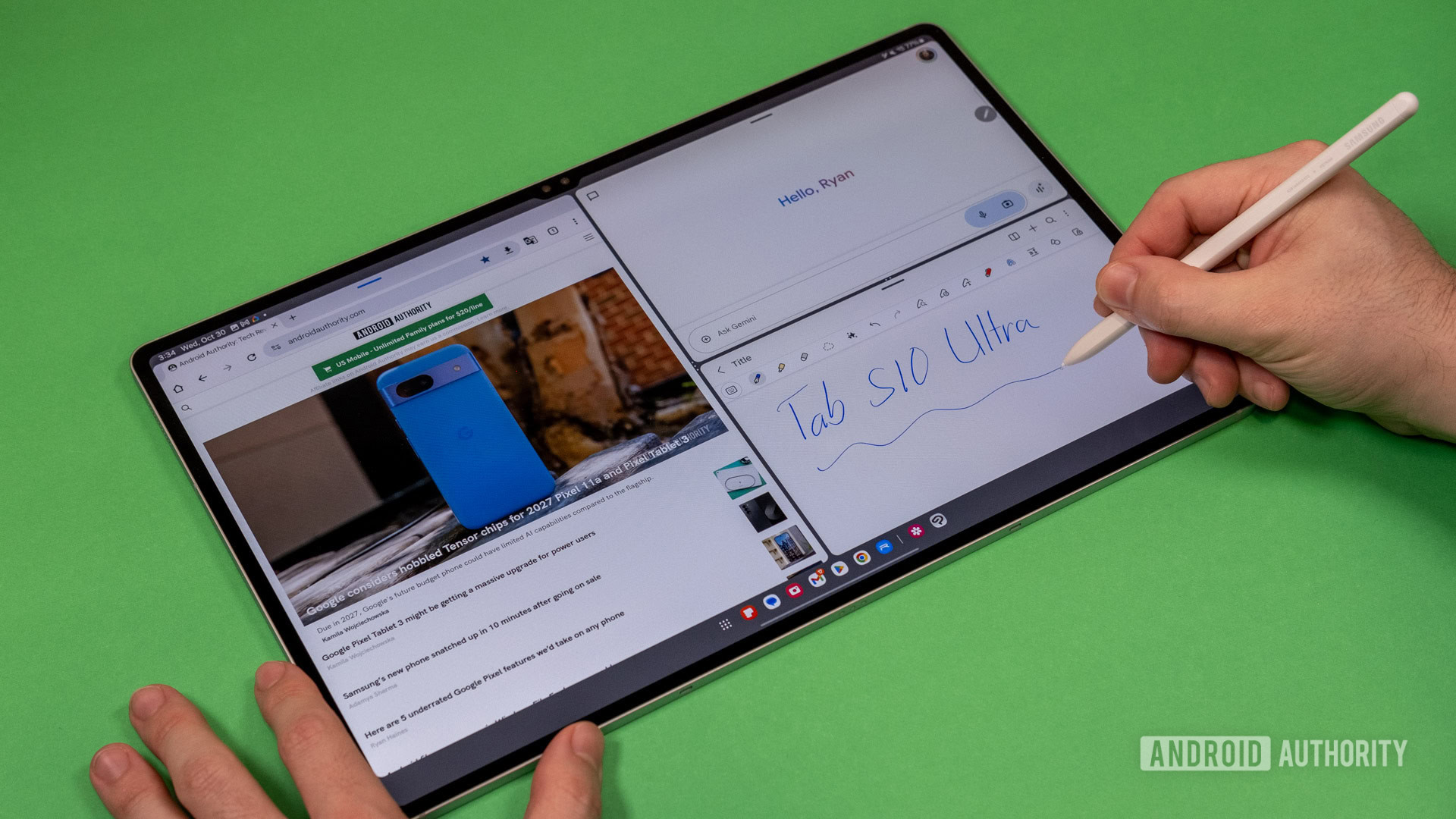
The integration between the Galaxy Tab S10 series and the Galaxy smartphone elevates the tablet from a media consumption device to a genuine productivity extension. The feature set surrounding call handling is emblematic of this convergence. Receiving a call on the smartphone and seamlessly diverting audio and controls to the tablet—allowing the user to continue work while managing the conversation via the larger device’s microphone and speakers—demonstrates a sophisticated level of real-time device arbitration. The ability to fluidly switch the active communication channel mid-conversation is a hallmark of mature cross-device management, a capability often rivaled only by Apple’s Continuity features.
Beyond voice calls, the shared clipboard functionality is a silent efficiency driver. In a security-conscious environment demanding frequent two-factor authentication (2FA) codes, the automatic synchronization of copied text—including those time-sensitive codes—between phone and tablet eliminates manual entry or context switching. This seemingly minor automation compounds into significant time savings over the course of a fiscal quarter.
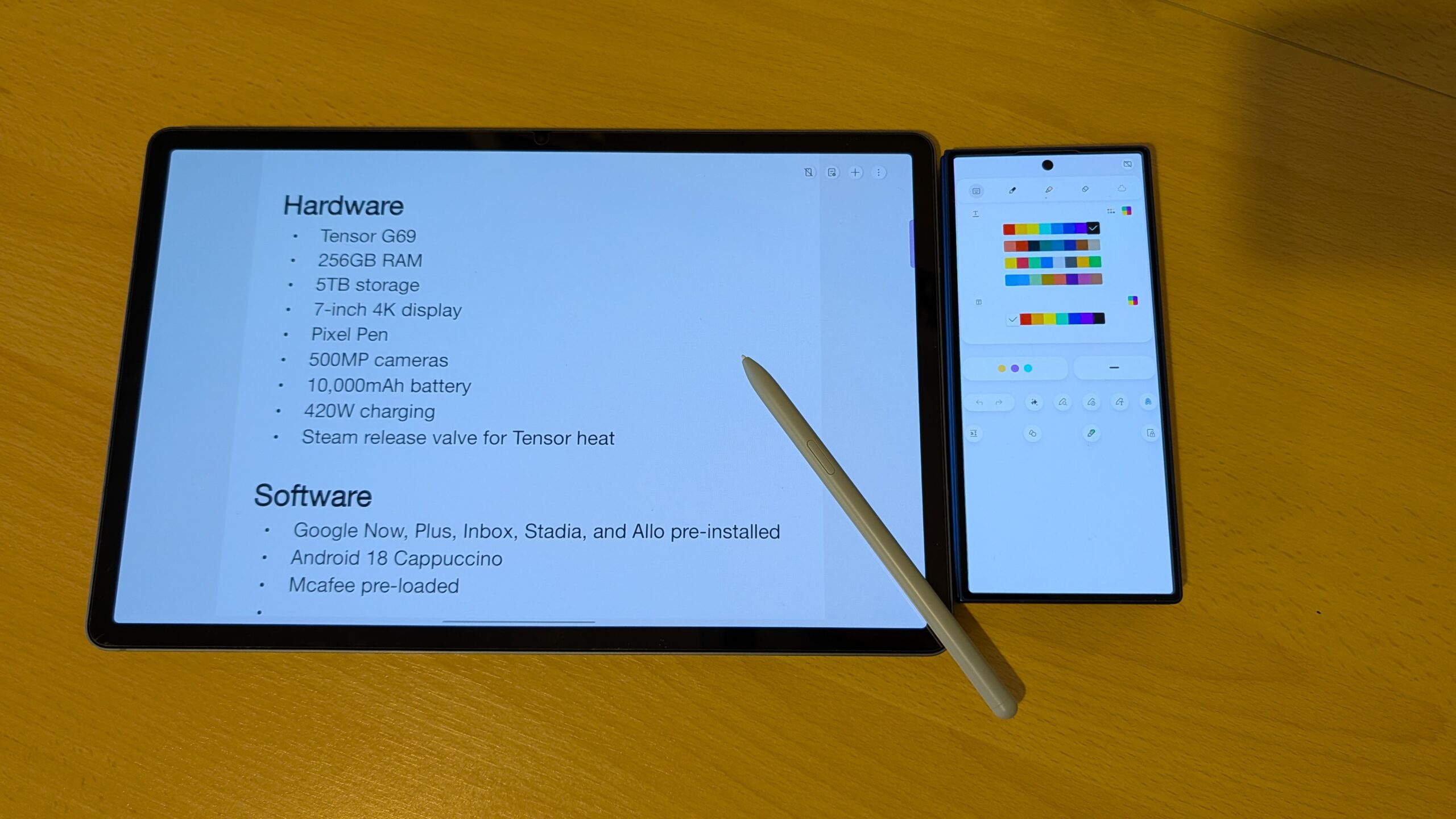
A more creative integration point is the "Use Phone as Toolbar" feature within Samsung Notes. This utility addresses a fundamental UI challenge in stylus-based annotation on smaller form factors. By offloading the palette controls (brushes, colors, layers) to the secondary screen of the paired smartphone, the tablet display is maximized for canvas space. This level of dedicated application-aware hardware channeling suggests a level of engineering focus that third-party solutions cannot replicate without deep OS-level partnership, which Samsung actively limits.
The synergy extends to advanced photography workflows via Expert RAW. The automated transfer of high-fidelity RAW files directly to the Galaxy Book or Tab via optimized Quick Share protocols removes the manual bottleneck of data offloading. For professionals utilizing the Tab S10 Plus as a large-screen editing surface with the S Pen in applications like Adobe Lightroom, this instantaneous synchronization transforms the capture-to-edit pipeline from a multi-step process into a near-instantaneous flow, a tangible return on ecosystem investment.
The PC Convergence: Galaxy Book and Windows Integration
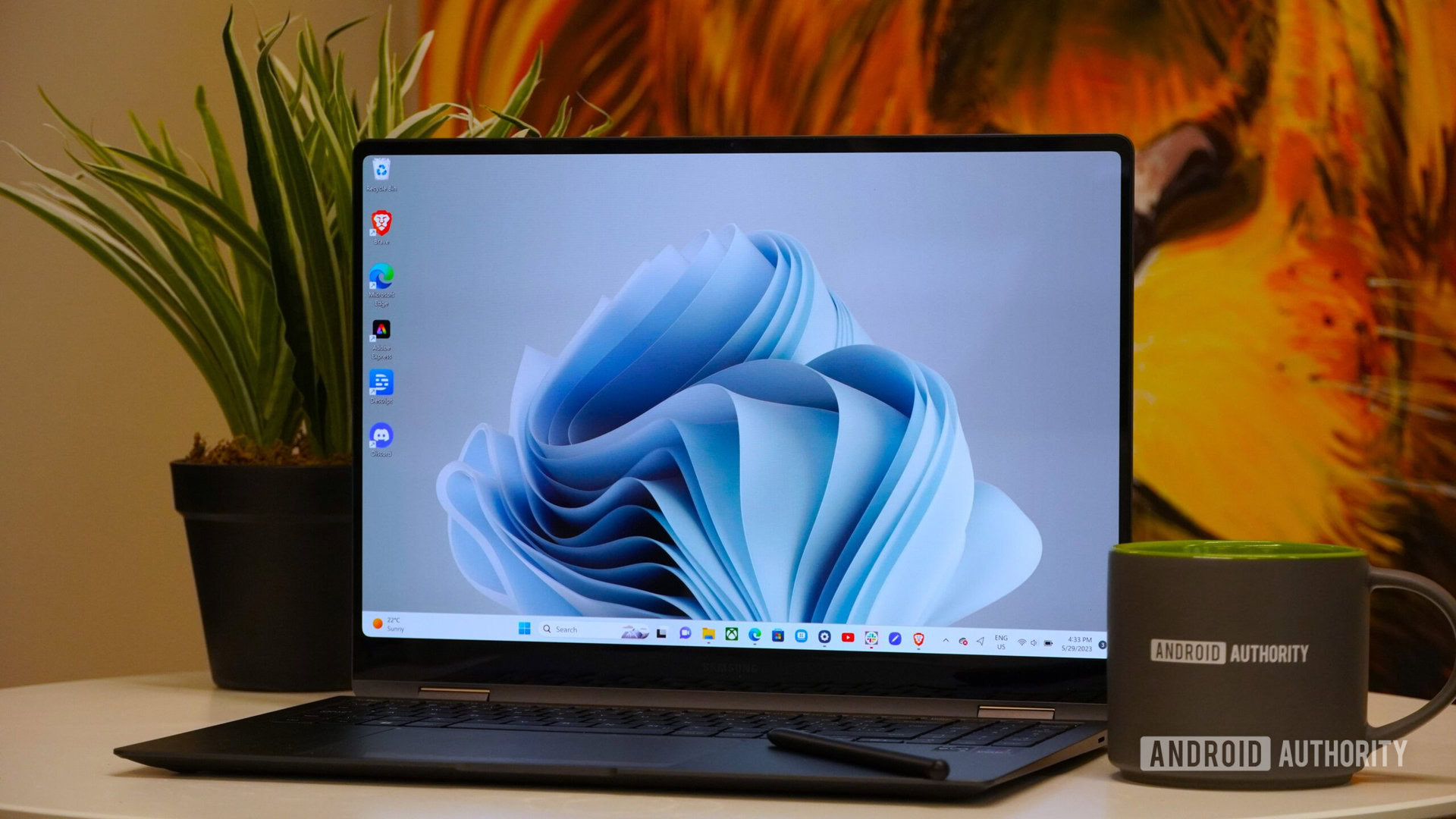
Samsung’s expansion into the Windows laptop space with the Galaxy Book line (e.g., the Book4 Edge) represents the most ambitious step in solidifying its ecosystem. Unlike basic Windows PCs that can utilize Samsung peripherals, a native Galaxy Book unlocks capabilities that exploit proprietary driver and software integration.
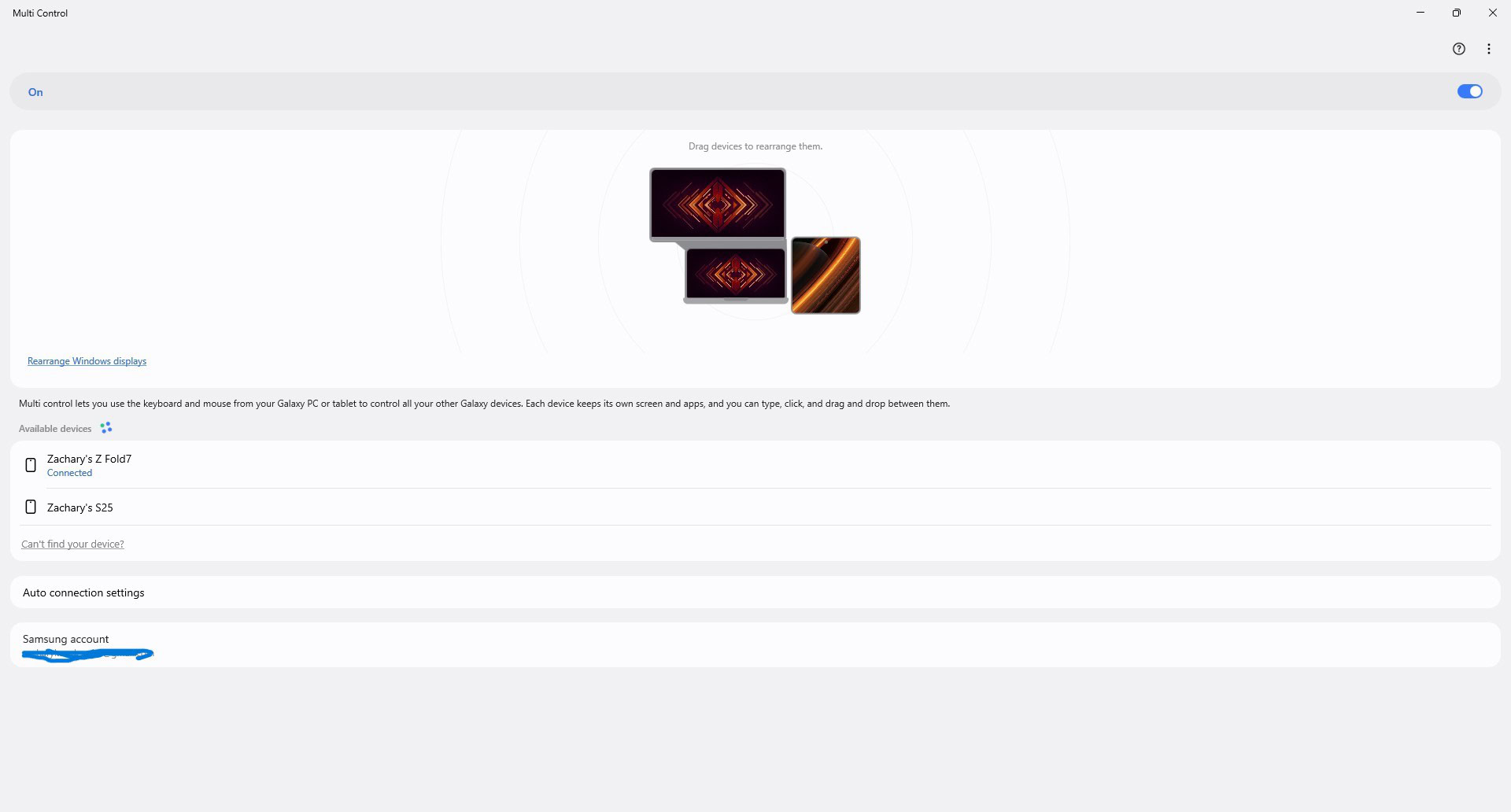
Samsung Multi Control stands as the flagship feature here, directly competing with Apple’s Sidecar. It allows the user to maintain control of the smartphone or tablet interface using the laptop’s keyboard and trackpad, with the mobile device displayed as an accessible, spatially aware window. Crucially, the UI adapts dynamically, as seen with the Fold 7, where the Multi Control interface intelligently mirrors the dual-screen layout. This is superior to simple screen mirroring, as it facilitates direct manipulation of the mobile operating system environment from the desktop.
The file transfer infrastructure highlights the layered approach:
- Multi Control Drag-and-Drop: Excellent for positional, active tasks (e.g., moving an image from a mobile browser window directly into a desktop document).
- Storage Share: Integrates the mobile device’s internal storage directly into the Windows File Explorer, treating it like a networked drive. This enables background, non-interactive file management.
- Quick Share: Essential for asynchronous transfers when devices are not physically proximate (e.g., sending large photo batches from a field location back to the home office PC).
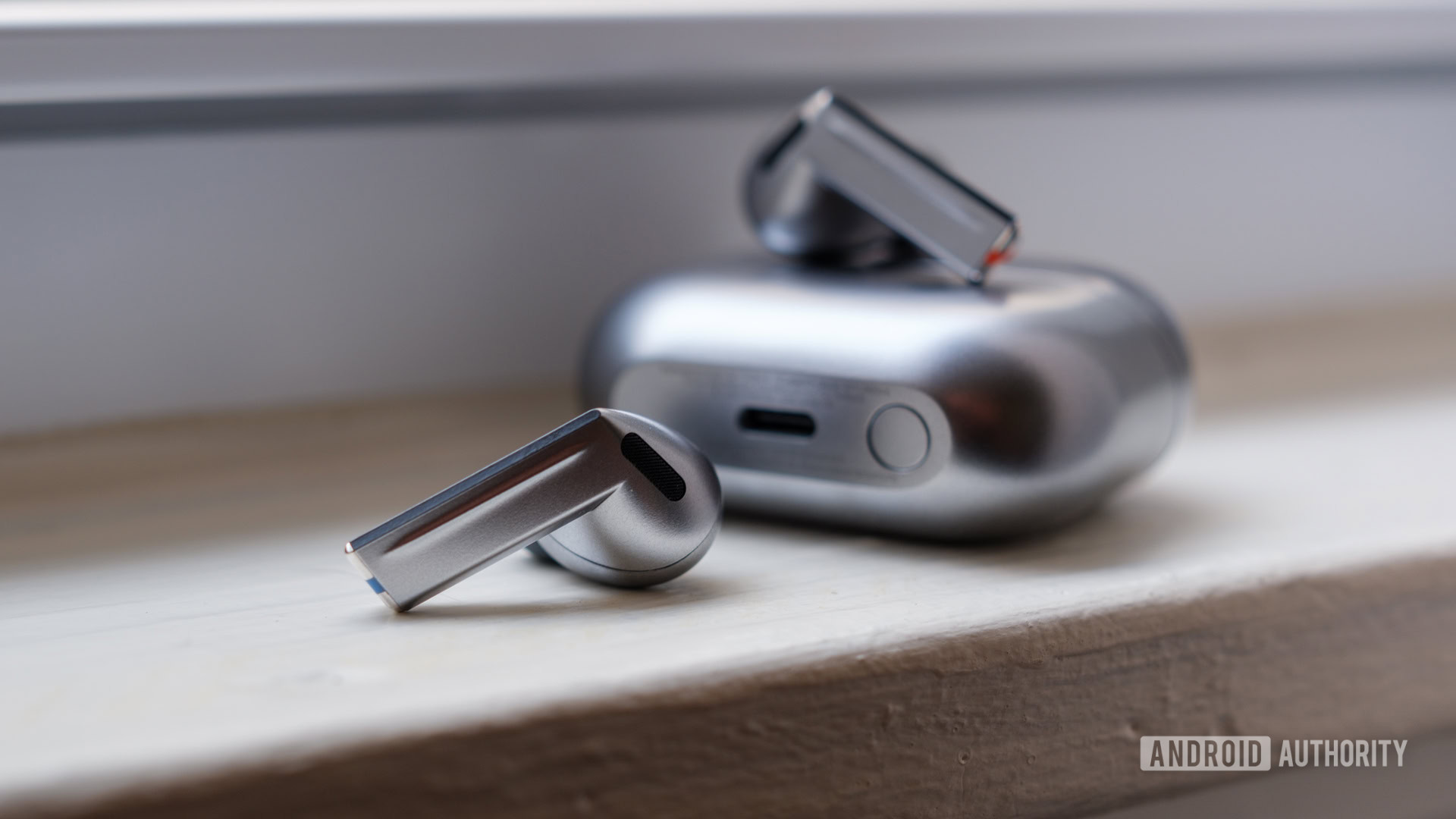
The necessity of owning a Galaxy Book becomes most apparent when considering peripheral performance, specifically the Galaxy Buds. While Samsung provides the Galaxy Wearable app on the general Windows Store, this implementation is notoriously plagued by high latency, unreliable connection handoffs, and a tendency for the PC to "hijack" the Bluetooth connection, even when idle.
However, pairing the Buds 3 Pro with a Galaxy Book leverages the Samsung Seamless Codec (SSC) natively. This results in demonstrably lower latency, improved audio fidelity (especially for high-bitrate streaming), and stable synchronization for media consumption and gaming. The elimination of audio lag in scenarios like watching synchronized video or playing latency-sensitive games negates the need for dedicated wired or specialized low-latency headsets, thereby justifying the premium for the integrated laptop hardware.
Furthermore, control mechanisms are streamlined via the "Nearby Devices" shortcut on the Windows taskbar. This acts as a unified control hub, mirroring the Quick Settings panel in One UI, providing immediate access to configuration toggles for all connected Galaxy hardware without navigating multiple vendor-specific apps.
Finally, the synchronization of productivity applications like Samsung Pass (a comprehensive, cross-device password manager) and Samsung Notes (with superior native Windows integration compared to the store version) creates a persistent data layer. For knowledge workers, the assurance that notes taken on a tablet with an S Pen are instantly available, styled correctly, and accessible on the primary work machine via a single Samsung account sign-in is a powerful retention mechanism.
Industry Implications and Future Trajectory
Samsung’s ecosystem strategy offers critical insights into the future of the broader technology market. It demonstrates that hardware differentiation is increasingly reliant on software orchestration rather than raw component specifications alone. Competitors, particularly those reliant on Google for core OS components (like many other Android OEMs), face an uphill battle replicating this depth of integration without compromising adherence to the broader Android standard.
This "deep integration moat" forces consumers into a binary choice: embrace the cohesive experience at the cost of vendor flexibility, or accept fragmented workflows by mixing brands. For enterprise clients or power users who prioritize speed and reliability in multi-device task switching, the consistency offered by Samsung’s unified platform—from the chipset level (Exynos/Snapdragon variants) to the software customization (One UI)—is highly valuable.
Looking ahead, the trajectory points toward further AI-driven automation within the ecosystem. Features already present, like automated photo sharing or context-aware toolbar switching, will likely evolve into predictive workflows powered by on-device machine learning models trained specifically on the user’s interconnected device usage patterns. The 2026 ecosystem is mature; the 2028 ecosystem will be predictive.
Final Assessment: Worth the Investment?
The comprehensive assessment reveals that the Samsung Galaxy ecosystem, as configured in 2026, delivers substantial, tangible benefits that accrue daily. The value proposition is not linear; it is exponential. The Watch 8’s health features are safer with a Galaxy phone; the Tab S10’s utility is amplified by seamless continuity with that phone; and the Galaxy Book’s productivity potential is fully unlocked only when paired with the phone and tablet, leveraging proprietary codecs and control software.
For the user who already possesses a Samsung smartphone and is considering adding a smartwatch, tablet, or laptop, the decision tips heavily in favor of sticking with Samsung across the board. The cumulative time saved via clipboard synchronization, automatic file transfer, and optimized audio performance easily justifies the investment, provided the user accepts the inherent contractual obligation to remain within the Samsung fold. While the baseline functionality of any single device is comparable to competitors, the experience derived from using them together provides a measurable, professional-grade advantage that justifies the commitment to this integrated hardware matrix. The ecosystem is, emphatically, worth it for the committed user base it targets.
