

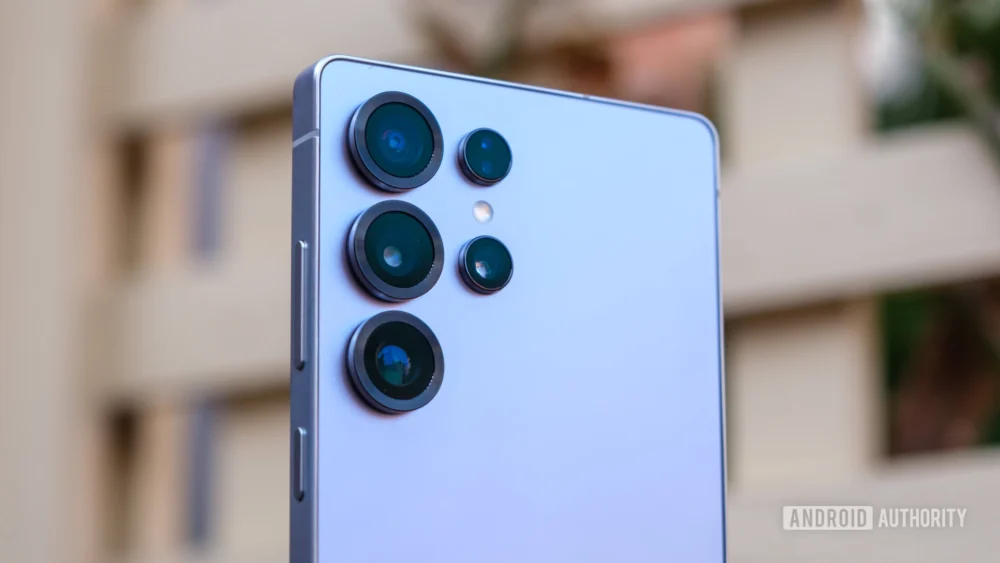
The mobile photography landscape is on the cusp of another significant hardware evolution, marked by persistent industry rumors suggesting that giants like Apple and Samsung are preparing to integrate variable aperture technology into their flagship main cameras. This anticipated move resurrects a concept first seen nearly a decade ago with the dual-aperture systems introduced by Samsung’s Galaxy S9 series. While the ambition to advance the primary imaging sensor is commendable, a critical reassessment of optical priorities within premium smartphone design suggests this focus might be misplaced. Industry leaders would achieve far greater photographic dividends by dedicating this sophisticated mechanical feature to their telephoto or periscope zoom modules instead.
The Evolution and Current State of Mobile Aperture Control
To understand the strategic implications of this rumored shift, one must first appreciate the fundamental role of the aperture in digital photography. The aperture is the adjustable opening within the lens assembly that precisely controls the amount of light reaching the image sensor. It is a core pillar of the exposure triangle, directly influencing depth of field (DoF) and light gathering capabilities.
For years, smartphone cameras relied almost exclusively on fixed apertures. This limitation meant that designers had to choose a single ‘best compromise’—usually a relatively wide aperture (e.g., f/1.8 or f/1.6) to maximize low-light performance, accepting the resulting shallow DoF as a necessary trade-off.
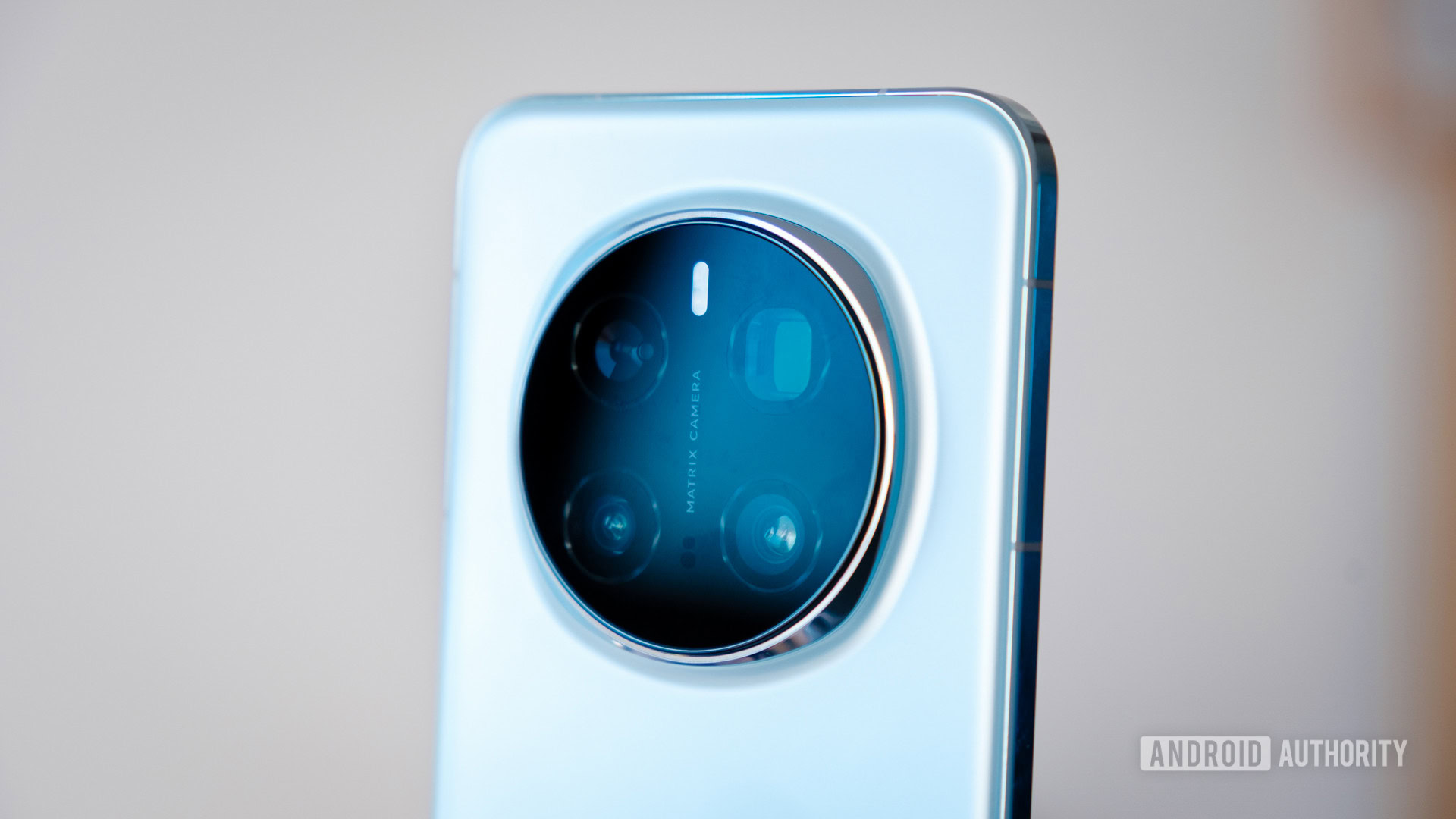
The introduction of variable aperture, as seen in devices from Xiaomi and HONOR, represented a genuine leap forward for the main camera. This mechanical adjustment allows a single lens to mimic the behavior of two different fixed lenses. A wide setting (e.g., f/1.6) maximizes light intake for dim environments and produces a pronounced, natural background blur (bokeh) ideal for subject isolation. Conversely, a narrow setting (e.g., f/4.0 or f/5.6) reduces light transmission, enabling photographers to use slower shutter speeds in bright conditions without overexposure, while critically increasing the depth of field to keep expansive scenes sharp from foreground to background.
The One-Inch Sensor Conundrum and Diminishing Returns on the Main Lens
The initial justification for variable aperture adoption centered heavily on the rise of physically larger image sensors, particularly the one-inch format pioneered by several Chinese manufacturers. These sensors, vastly superior in light capture and dynamic range compared to their smaller counterparts, inherently produce an extreme shallow depth of field, even at moderate apertures. When a massive sensor is paired with a fixed, very wide aperture, the area of acceptable focus becomes razor-thin. This phenomenon, observed in early large-sensor flagships like the vivo X90 Pro, often led to frustrating focusing errors where the intended subject’s eyes might be soft while the nose was sharp.
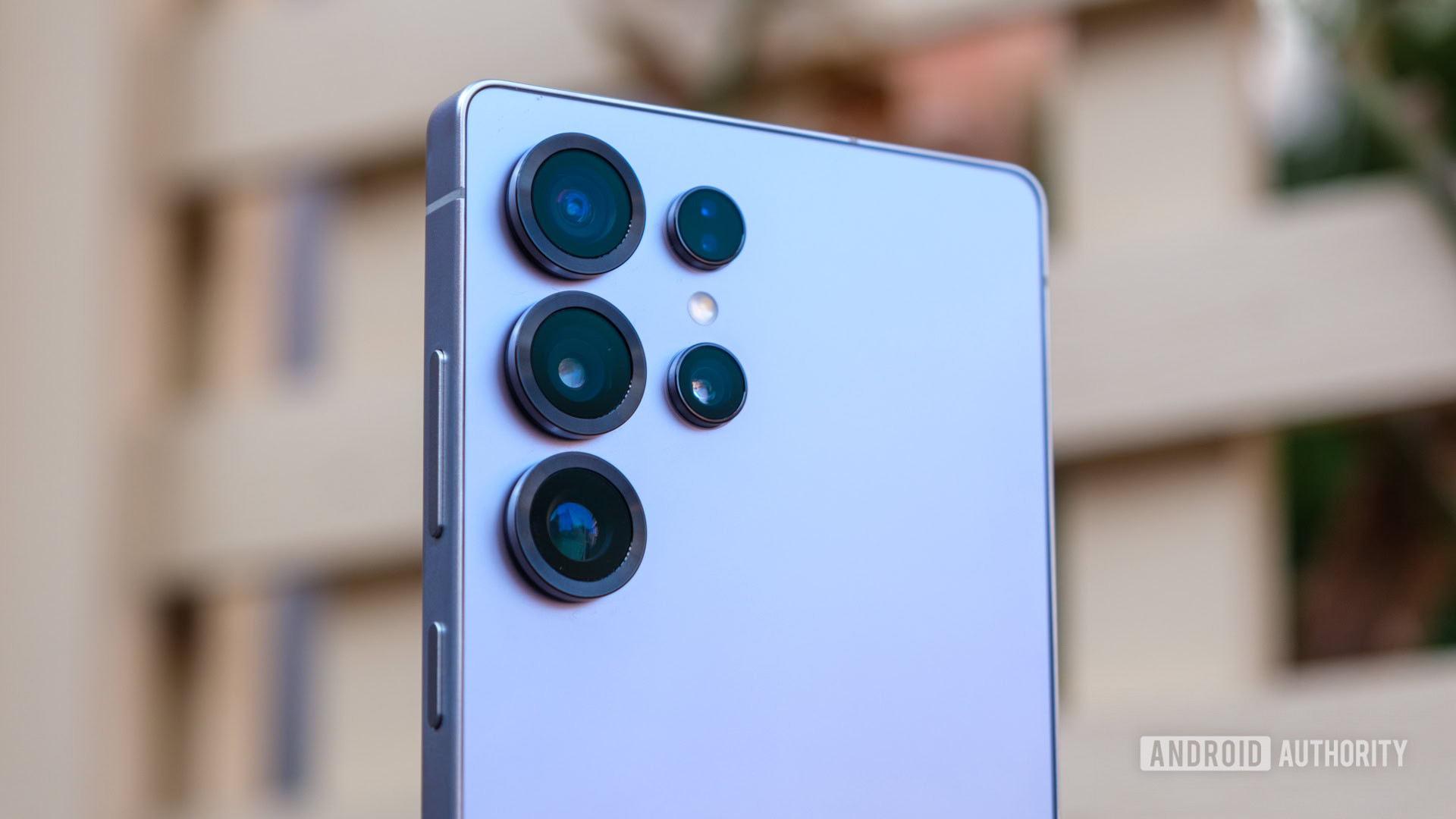
The variable aperture system effectively solved this by allowing users to stop down the aperture, artificially increasing the depth of field when necessary for close-up subjects or detailed macro work.
However, the market dynamic is shifting. While the integration of variable aperture on the main lens is certainly beneficial—providing superior creative control and mitigating the DoF issues of the largest sensors—it addresses a problem that is less pressing for the dominant players, Apple and Samsung. Neither company has aggressively pursued the one-inch main sensor benchmark. Their primary sensors remain optimized around smaller physical footprints, where fixed, moderately wide apertures generally provide a manageable depth of field suitable for the majority of point-and-shoot scenarios, relying heavily on computational photography for ultimate sharpness control. Therefore, retrofitting this complex mechanical system onto the primary sensor offers incremental gains rather than transformative ones for these specific ecosystems.
The Untapped Potential: Elevating the Telephoto Experience
The true architectural vacuum in modern smartphone optics lies not in the main sensor, but in the secondary, specialized lenses—specifically, the telephoto and periscope zoom arrays. Placing variable aperture mechanics here promises a far more substantial enhancement to user experience and photographic versatility.
1. Superior Portraiture Through Natural Bokeh
Telephoto lenses (typically 3x to 10x optical equivalents) are the preferred focal lengths for portrait photography due to their inherent ability to compress perspective, leading to flattering facial renderings. When combined with a wide aperture, these lenses create a naturally shallow depth of field, rendering beautiful, optical background separation.
Current fixed-aperture telephoto lenses, constrained by space and often using smaller sensors than the main shooter, frequently rely on narrow apertures (e.g., f/4.9) to achieve adequate light sensitivity or simply due to lens design limitations. This narrow aperture results in a relatively deep DoF, forcing software algorithms (Portrait Mode) to artificially generate the bokeh. Software blur, no matter how advanced, remains prone to artifacts, especially around complex edges like hair or foliage.
A variable aperture telephoto lens, capable of opening up to a significantly wider aperture (perhaps f/2.4 or even f/2.0), could achieve a truly natural, optically shallow depth of field. This transition from computational bokeh to optical bokeh in zoom portraits represents a qualitative leap in image fidelity that users would immediately recognize and appreciate. The compression offered by the telephoto perspective, combined with true optical blurring, is the zenith of flattering portrait rendering achievable in a mobile form factor.
2. Low-Light Zoom Capability Revolution
One of the most consistent complaints across all premium smartphones is the noticeable degradation in image quality when switching from the main camera to the telephoto module in dim lighting. This is a direct consequence of the telephoto lens’s narrower physical aperture and often smaller sensor size, leading to higher noise, less detail, and increased reliance on aggressive noise reduction.
Implementing a variable aperture that can open wide in low light—for instance, switching from f/4.0 for daylight zoom to f/2.2 for evening shots—would dramatically increase light transmission. This extra light gathering capability would significantly reduce the noise floor and allow the telephoto lens to operate effectively in conditions where it currently struggles or forces a digital crop from the main sensor. Bridging this performance gap between the primary and secondary lenses is a critical engineering goal, and variable aperture is the most direct optical path to achieving it.
3. Enhanced Macro and Detail Capture
While dedicated macro lenses exist, the telephoto module itself can be leveraged for surprisingly effective close-up work when paired with the right optical controls. By switching the telephoto lens to its narrowest aperture setting (e.g., f/8.0 or f/11), the depth of field becomes exceptionally deep. This allows users to capture detailed close-ups of textures, architecture, or small subjects where maintaining sharpness across the entire frame is paramount, effectively turning the telephoto lens into a highly capable pseudo-macro tool with superior clarity due to its fixed focal length.
Furthermore, a narrow aperture on the telephoto lens facilitates the creation of diffraction effects, such as prominent starbursts around bright, small light sources, adding a professional flair to nighttime or high-contrast scenes—a creative control currently unavailable on fixed-aperture telephotos.
Industry Implications and Engineering Realities
The decision by Apple or Samsung to champion the variable aperture telephoto would signal a clear strategic prioritization of zoom performance over incremental main camera refinement. For years, the market has seen a race toward higher megapixel counts and larger main sensors. Now, the differentiation battle is moving into computational and mechanical complexity within the zoom system.
Currently, manufacturers utilize variable optical zoom (changing the physical distance between lens elements to achieve different fixed magnifications, as seen in some high-end Android devices) and variable digital zoom (cropping). Introducing variable aperture adds a crucial third dimension of control to the telephoto system, making the zoom lens a far more versatile imaging tool rather than a specialized, single-purpose sensor.
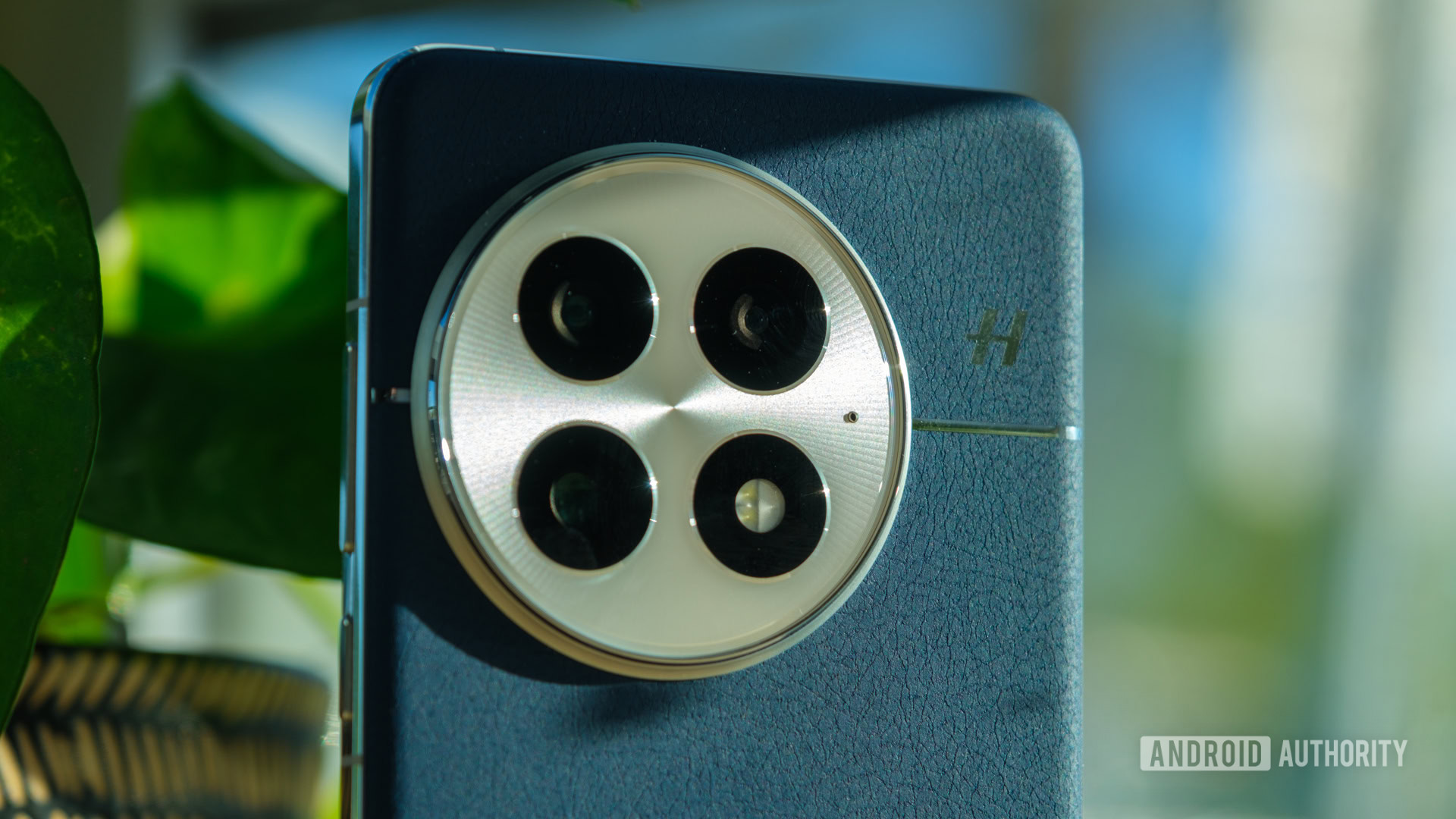
The primary barrier to this implementation, however, is significant: space constraints. Telephoto and periscope modules are already engineering marvels, packing complex folded optics into incredibly restricted dimensions to achieve high optical zoom ratios (e.g., 5x or 10x) without excessive thickness. Integrating a mechanical diaphragm mechanism—which requires additional moving parts, actuators, and precise alignment—into this already crowded space presents a substantial hurdle in miniaturization and thermal management. Early implementations might necessitate a thicker camera bump, a design choice that both Apple and Samsung are historically hesitant to embrace unless the performance benefit is overwhelming.
The Future Trajectory: Computational Integration and Optical Purity
Looking ahead, the smartphone imaging war will be won by whoever can best fuse optical purity with computational enhancement. While software continues to advance rapidly, there are fundamental physical limitations that only hardware can overcome. A variable aperture telephoto lens is a direct hardware solution to known optical shortcomings in zoom photography—specifically, low-light performance and depth control.
If Apple and Samsung proceed with variable aperture on the main sensor, they risk pouring resources into solving a minor problem while neglecting a major opportunity on the zoom lens. The industry consensus among seasoned imaging analysts leans toward the telephoto lens as the next logical frontier for advanced mechanical features. The pursuit of optical excellence in zoom—delivering portrait quality rivaling dedicated cameras and low-light capabilities matching the main sensor—will provide a more tangible, marketable advantage for future Ultra and Pro iterations.
The industry has already demonstrated its capability to integrate complex systems, having successfully deployed dual-periscope zoom structures and continuous optical zoom lenses. While the engineering challenge of a variable aperture telephoto is non-trivial, the resulting leap in zoom image quality, particularly in portraiture and challenging lighting, justifies the intensive R&D investment. It is time for flagship manufacturers to direct their sophisticated optical innovations where they will yield the most significant creative and functional returns for the end-user: the lens that brings the world closer.
