

The interface of a smartwatch, particularly one as aesthetically refined as the Google Pixel Watch 4, is more than just a display; it is a dynamic canvas reflecting the user’s immediate context and personal style. In the burgeoning ecosystem of wearable technology, the watch face remains the single most impactful element for altering the device’s character—transforming it from a rugged fitness tracker to a sophisticated timepiece in an instant. While the digital storefronts are replete with premium, highly stylized options commanding a fee, a discerning user knows that exceptional design and robust functionality are frequently available at the zero-cost tier. For the Pixel Watch 4 owner seeking to refresh their daily wrist companion without financial outlay, the selection process requires careful curation, favoring faces built on solid foundations that respect both design philosophy and Wear OS efficiency. After rigorous testing across various scenarios—from intense activity tracking to formal engagements—a core group of five free applications consistently proves its worth, providing utility, aesthetic versatility, and compatibility with essential low-power modes.
The Context of Customization: Beyond Aesthetics
The proliferation of third-party watch faces is a direct consequence of the maturation of Wear OS, particularly with the integration of the latest Watch Face Format specifications. This foundational shift allows developers to create faces that are not only graphically rich but also highly optimized for battery consumption, especially concerning the Always-On Display (AOD). The value proposition of a free face is thus twofold: immediate visual gratification coupled with reliable, efficient performance. A poorly optimized face, regardless of its price, can negate the hardware advantages of a modern smartwatch by draining the battery unnecessarily or lagging during complication refreshes. Therefore, my selection criteria prioritize faces that adhere to modern standards, ensuring a seamless user experience that complements the hardware design ethos of the Pixel Watch 4.
The Selected Quintet: Utility Meets Design Excellence
The following five watch faces represent the pinnacle of free offerings currently available, each excelling in a different domain, ensuring the user has a perfect option for every facet of their day.
1. Retro Analog (Sparkine Labs): The Cinematic Understatement
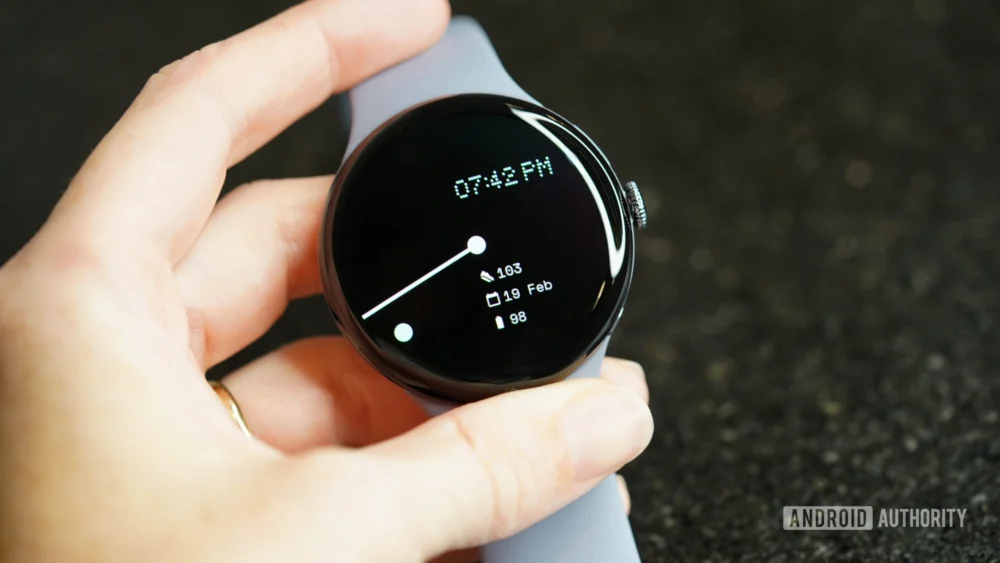
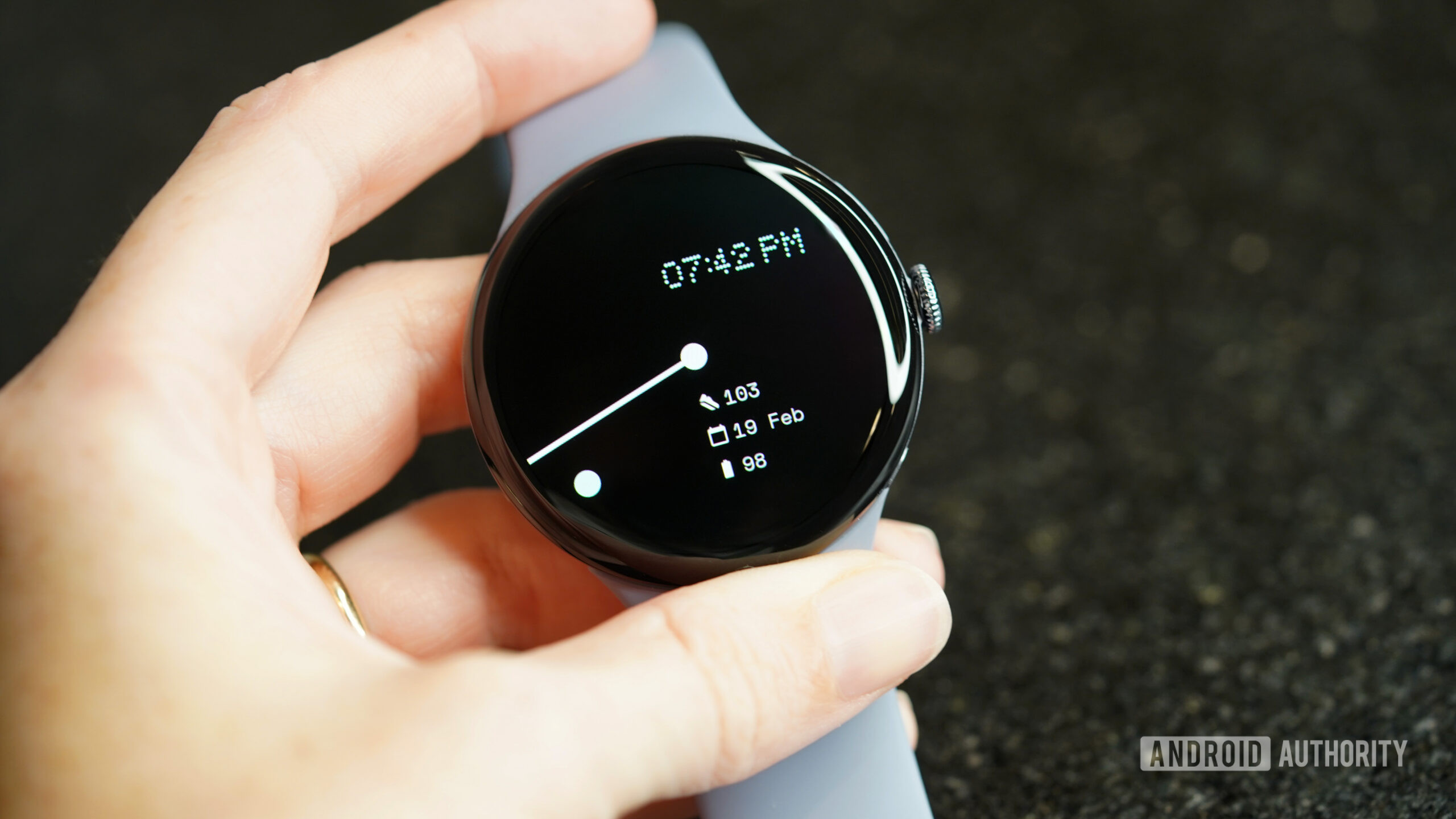
The Retro Analog face, developed by Sparkine Labs, has established itself as the default choice for its deliberate restraint and elevated, almost cinematic quality. In an era where many digital displays favor maximal information density, this design champions negative space and subdued coloration. It evokes the feeling of a finely crafted, vintage field watch, stripped of unnecessary visual noise. The slim hands and muted palette offer a sophisticated counterpoint to the Pixel Watch 4’s modern, domed glass design. This aesthetic choice is particularly effective in professional settings where a high-tech gadget needs to project an air of classic horology.
From a functional perspective, its adherence to the modern Watch Face Format is crucial. It allows for three configurable complication slots, offering a sweet spot between customization and visual integrity. The author notes a preference for substituting the default step count with real-time heart rate monitoring, indicating a focus on immediate biometric feedback over passive tracking. Furthermore, the inclusion of a calendar countdown complication underscores the face’s utility for anticipating significant events, lending a subtle sense of preparedness. The face’s enduring appeal lies in its timelessness; it avoids fleeting trends, opting instead for a design that feels enduring and adaptable, much like a classic piece of analog machinery. This is the choice for the user who values subtlety and precision.
2. Concentric (Luka Kilic): Symmetry Perfected and Enhanced
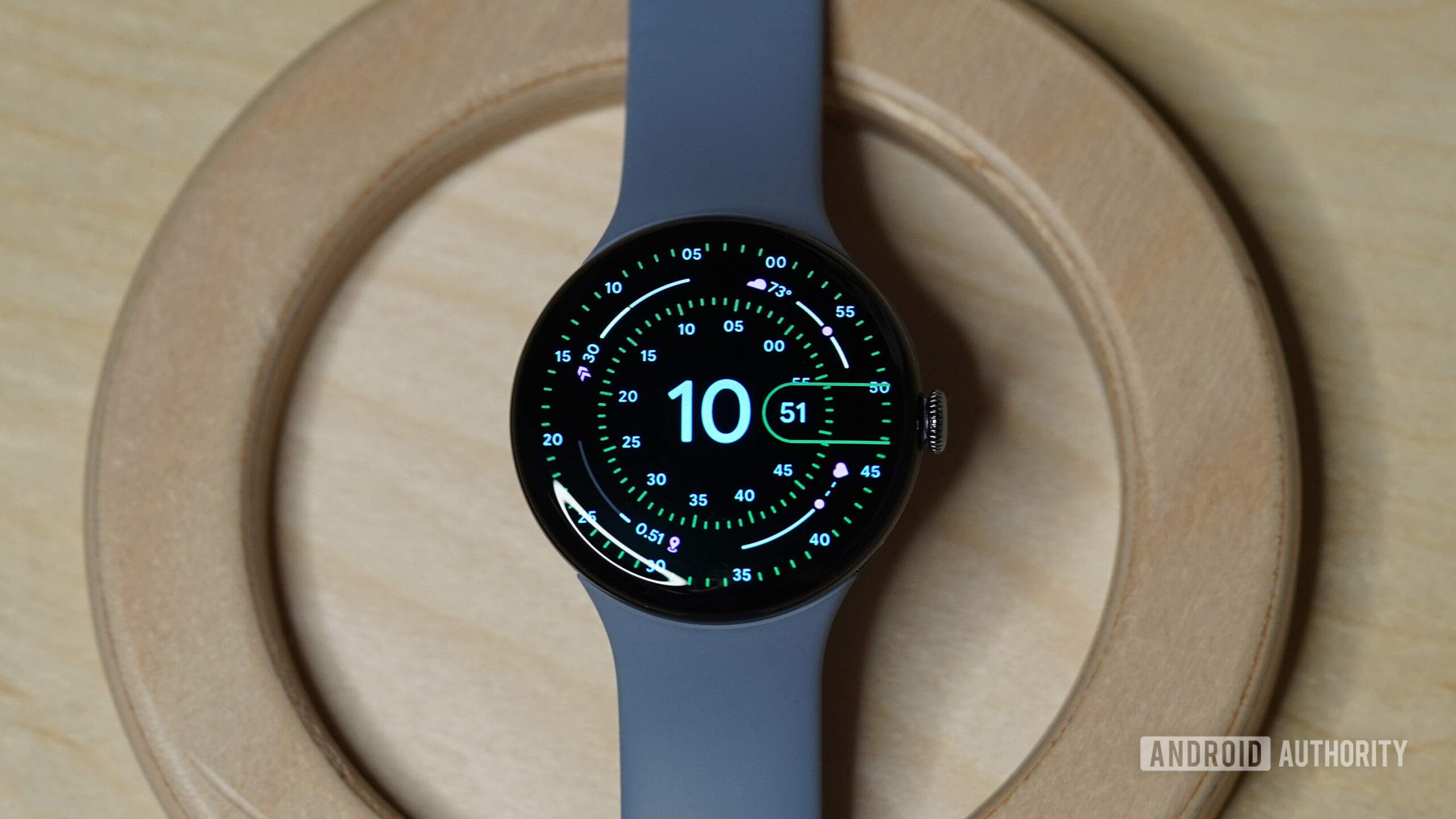
Luka Kilic is a name frequently associated with high-quality, symmetrical designs on the Wear OS platform, and his Concentric face is a masterclass in layered information architecture. While clearly inspired by Google’s native Concentric design, Kilic’s version transcends the stock offering by removing imposed limitations, granting users significantly greater control over thematic elements and data integration. It operates on the principle that information rings should enhance, not obscure, the core timekeeping function.
The beauty of Concentric is its inherent balance. Customization options—spanning color palettes, index markings, and complication placement—are extensive, yet the developer has engineered the system so that even complex configurations retain a sense of visual harmony. This level of design rigor is rare in free applications. For the user demanding data visibility alongside premium aesthetics, Concentric provides a near-perfect solution. Its excellent AOD implementation ensures that even when the screen dims, the architectural intent of the concentric rings remains legible, maintaining visual interest while minimizing power draw—a key performance metric for any serious smartwatch face. It serves as the exemplary bridge between high-functionality dashboards and minimalist elegance.
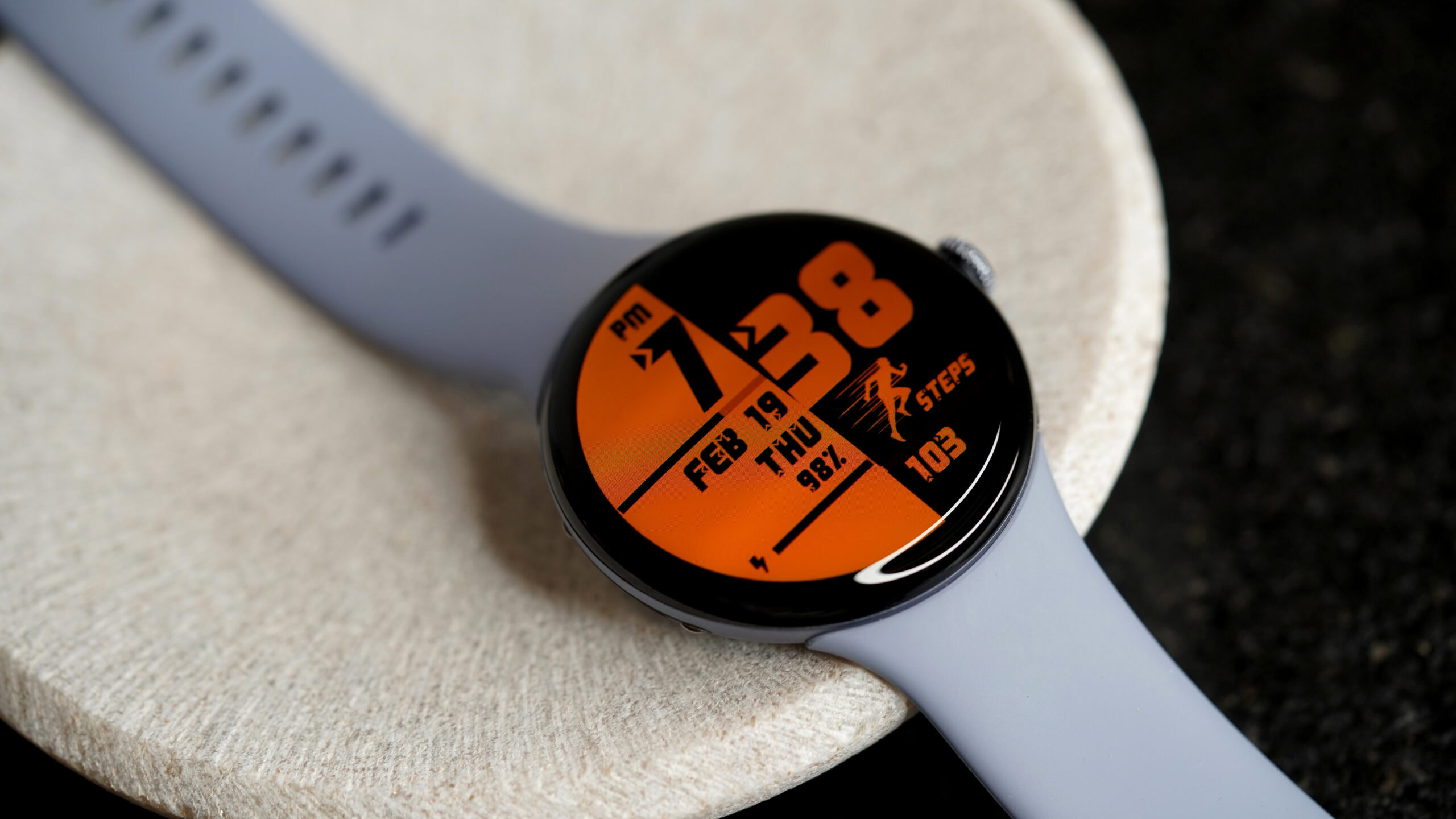
3. Sports Watch Face 019 (Lihtnes Watch Faces): The Performance Dashboard
When the focus shifts unequivocally to physical activity, the aesthetic preference naturally moves toward high-contrast, metric-forward designs. Sports Watch Face 019 by Lihtnes Watch Faces delivers precisely this utilitarian focus without devolving into visual chaos. It successfully channels the look of professional digital sports timers, characterized by segmented displays and bold, easily parseable data fields. The vibrant color options, though sometimes intense, serve the core purpose: making critical performance data leap off the screen instantly, even under challenging lighting conditions or during rapid physical exertion.
The layout is strategically organized, placing key metrics front and center. The implementation of visual progress bars—such as those tracking daily steps toward a 10,000 goal—translates abstract numbers into tangible, motivating achievements. With four dedicated complication slots, this face allows for deep specialization based on the user’s current focus, whether cycling cadence, heart rate zones, or interval timers. This is not a watch face for quiet contemplation; it is a dedicated performance companion engineered for quick reference during peak activity. Its robust construction ensures that performance does not suffer due to excessive rendering demands, making it a reliable tool in the fitness arsenal.
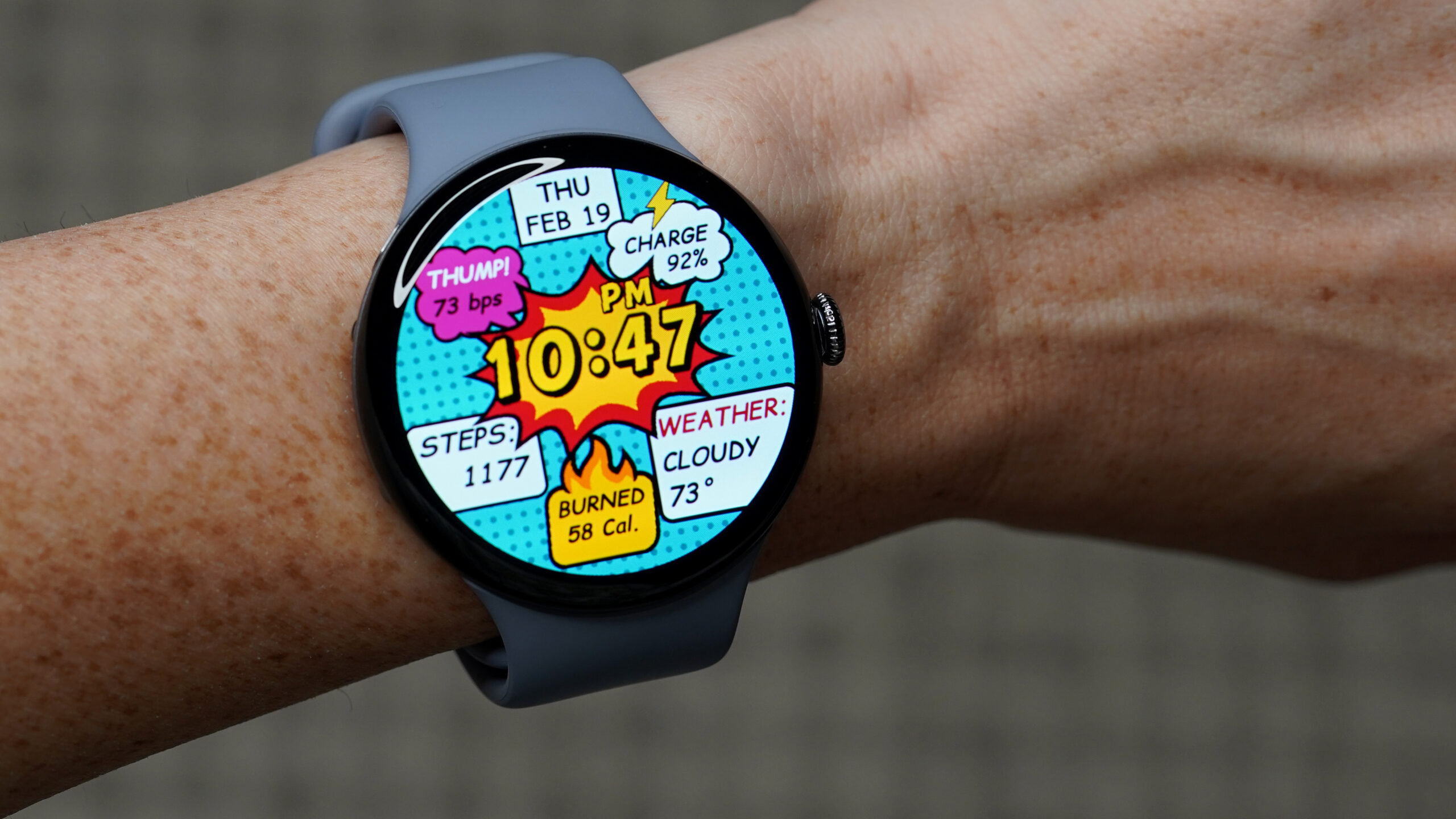
4. POP Time (Time Design LLC): A Dose of Visual Levity
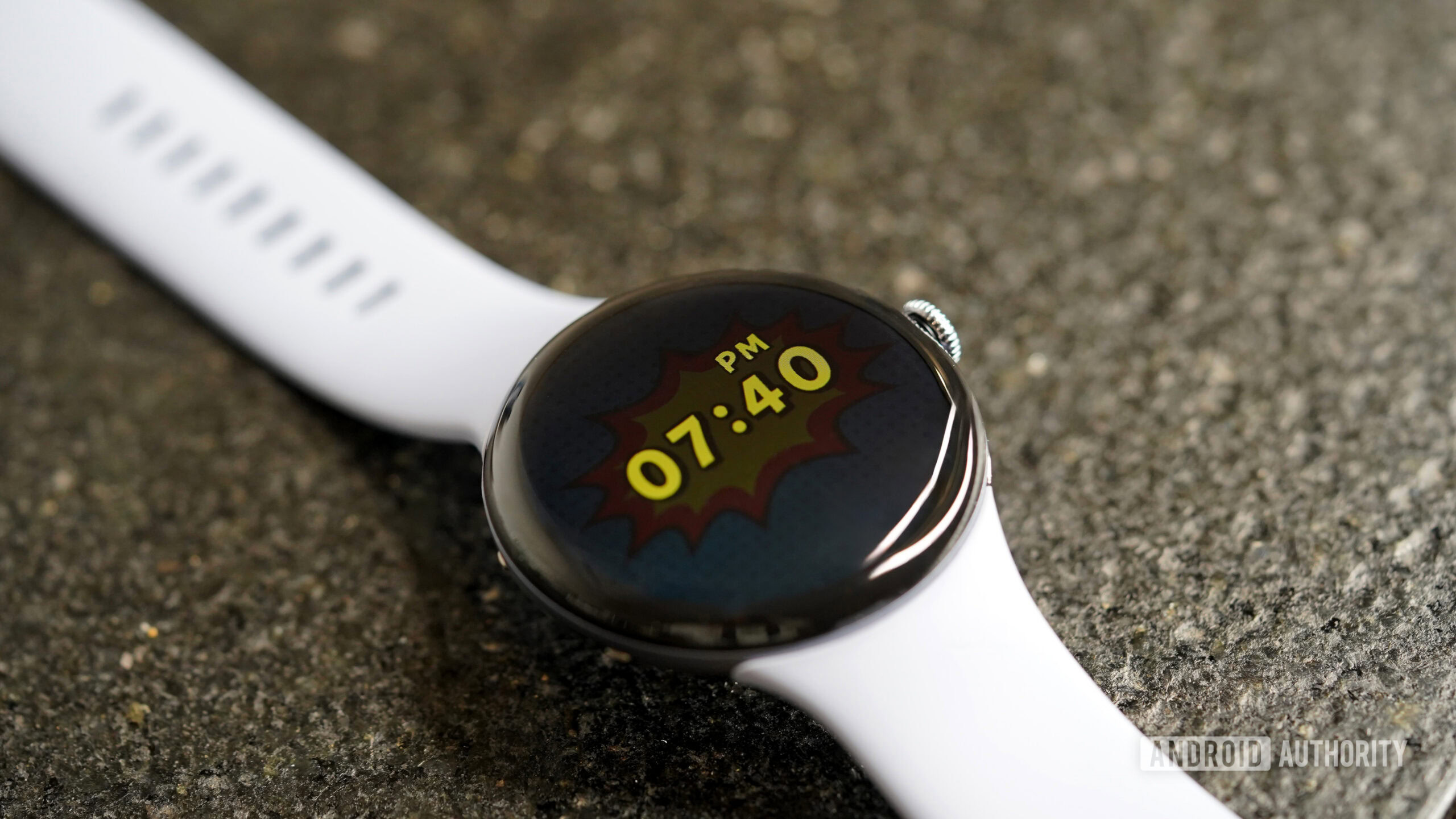
Wearable technology often defaults to seriousness, but the personalization aspect of smartwatches permits—and sometimes demands—a complete departure from convention. POP Time, courtesy of Time Design LLC, embraces a loud, vibrant aesthetic inspired by mid-20th-century pop art and comic book iconography. The use of saturated primary colors, halftone dot patterns, and speech bubble motifs injects an immediate jolt of high-energy nostalgia onto the wrist. This face deliberately contrasts with the sleek neutrality of the Pixel Watch 4 hardware, creating a compelling visual juxtaposition.
Crucially, the design manages to package this strong personality with functional readability. While customization is absent, the fixed layout presents essential data (time, date, steps, heart rate, battery, weather) within clearly demarcated, high-contrast panels. This structure prevents the vibrant design elements from overwhelming the utility. The AOD mode simplifies the visual noise, typically reducing the display to a single, distinct bubble containing the time, ensuring that even in its most subdued state, the face maintains its unique character. For users who view their smartwatch as an extension of their personality and want an occasional, unapologetic burst of fun, POP Time is an indispensable choice.
5. Fishcat (artisan): Animated Whimsy and Unexpected Charm
To complete the rotation, a selection must often cater to pure delight, and Fishcat by artisan provides that necessary element of animated levity. The premise is simple: an eternally looping animation featuring a cartoon cat and a gently oscillating fishbone provides a continuous, low-stakes source of amusement. This face understands that not every interaction with the device needs to be transactional; sometimes, it needs to be charming.
Despite its playful nature, Fishcat is built upon a solid digital foundation. It features clear digital timekeeping and displays core information like date, battery life, and step count. While complication customization is limited, the essentials are present. The color themes offer a spectrum from subtly pastel to overtly bright, allowing users to modulate the level of visual "loudness." The AOD retains the characters and basic data, albeit in a dimmed state, ensuring the whimsical element persists without constant screen illumination. In a lineup dominated by analog precision and digital performance, Fishcat serves as the essential palette cleanser, proving that utility and personality can coexist, even in a free application.
Industry Implications: The Value of Free Ecosystem Content
The consistent quality found in these top-tier free watch faces has significant implications for the broader wearable industry, particularly for hardware manufacturers like Google. The availability of excellent, free customization options directly impacts user satisfaction and perceived value. When users can instantly tailor the look and feel of their Pixel Watch 4 without spending additional money, the overall ecosystem feels richer and more responsive to individual needs.
This phenomenon drives engagement. Users who frequently cycle through faces—perhaps using Retro Analog for work, Sports Watch Face 019 for a marathon training session, and POP Time for a weekend outing—are interacting with their device more often. This heightened engagement strengthens the bond between the user and the hardware, potentially increasing long-term device loyalty. Furthermore, developers like Sparkine Labs and Luka Kilic act as crucial beta testers and design trendsetters for the platform. Their successful, highly-downloaded free offerings often signal to Google which UI/UX patterns are resonating most strongly with the user base, subtly guiding future native design updates.
Future Trends: The Evolution of Display Technology and Watch Faces
Looking ahead, the trajectory of watch face development will be intrinsically linked to advancements in OLED and microLED display technology, particularly concerning power efficiency in AOD states. As these displays achieve near-perfect black levels and lower energy requirements, developers will be emboldened to introduce more complex, perhaps even subtly animated, elements into their standard "active" faces without fear of compromising all-day battery life.
We anticipate a continued merging of analog fidelity with digital data layers. The success of faces like Concentric suggests a growing user demand for highly structured, modular designs where the user can precisely control the density and location of data widgets without sacrificing visual balance. Furthermore, the integration of ambient computing—where faces react dynamically to environmental factors (like weather changes or calendar entries)—will likely become more sophisticated, moving beyond simple complication swaps to true contextual adaptation. The best free faces of today are laying the groundwork for these complex, context-aware interfaces of tomorrow, proving that innovation in the small screen space does not require a subscription model.
