

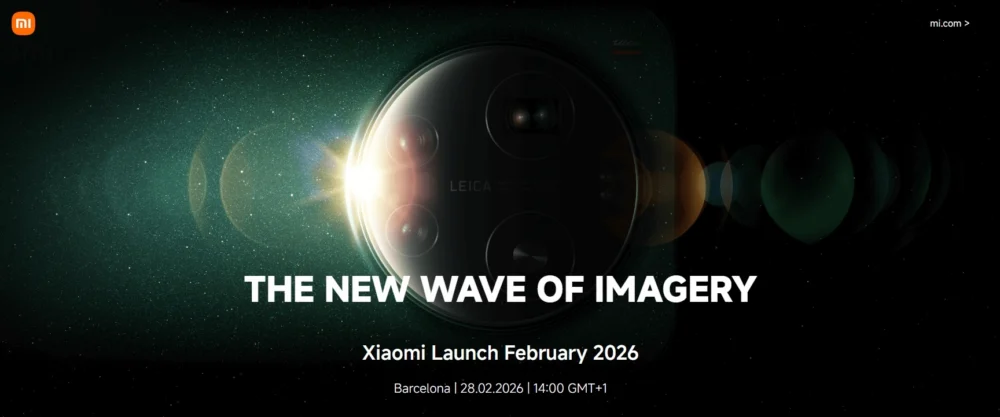
The annual Mobile World Congress (MWC) in Barcelona has long served as the primary global stage for unveiling the next generation of mobile technology. However, astute industry observers know that the real drama often begins just before the official doors open. This year, Xiaomi has strategically positioned its flagship reveal, confirming a dedicated launch event on February 28, 2026, designed to capture the pre-show spotlight. This announcement, subtly branded around "The new wave of imagery" on their international microsite, unequivocally points to the imminent global debut of the much-anticipated Xiaomi 17 Ultra. This timing and focus suggest a direct, aggressive challenge to established titans in the premium smartphone sector, particularly those vying for the "Ultra" title in the premium Android space.
The anticipation surrounding the Xiaomi 17 Ultra is deeply rooted in the recent trajectory of Chinese original equipment manufacturers (OEMs) in the high-end photography segment. For several generations now, companies like Xiaomi, alongside rivals such as OPPO and Vivo, have consistently prioritized sensor size, advanced optics, and computational photography innovation in their top-tier offerings. This focus has frequently resulted in hardware specifications that push the boundaries of what is technically feasible in a handheld device, often outpacing the incremental updates seen from traditional market leaders like Samsung and Google in the same flagship tiers. The 17 Ultra is therefore not just another annual refresh; it represents the continuation of a deliberate strategy to dominate the mobile imaging narrative.
Confirmation of the February 28th event solidifies earlier speculation and places Xiaomi squarely in direct competition with the anticipated Galaxy S26 Ultra launch timeline, framing the ensuing weeks as a significant battleground for market share in the ultra-premium category. While the Galaxy line often commands brand loyalty and extensive carrier support in Western markets, Xiaomi’s value proposition—delivering cutting-edge hardware at often more aggressive price points—has proven highly effective in eroding that dominance globally.
A Closer Look at the Impending Global Lineup
The launch event appears set to be a comprehensive unveiling for Xiaomi’s global consumer base. Beyond the headline-grabbing 17 Ultra, leaks indicate the introduction of the standard Xiaomi 17 and a refreshed tablet lineup, featuring the Xiaomi Pad 8 and Pad 8 Pro. This broad portfolio approach aims to capture different segments of the high-end market simultaneously.
For the standard Xiaomi 17, pricing intelligence suggests a starting point of €999 (approximately $1,184 USD) for the 12GB RAM/256GB storage configuration. This pricing structure mirrors the previous generation’s entry point, signaling Xiaomi’s commitment to maintaining a consistent, premium-yet-accessible price ladder for its base flagship model, designed to appeal to power users who seek top-tier performance without necessarily needing the absolute maximum photographic capabilities of the Ultra variant.
The true barometer of the company’s ambition, however, rests on the Ultra. Preliminary reports suggest the Xiaomi 17 Ultra, in its 16GB RAM/512GB storage iteration, will command a starting price of €1,499 (roughly $1,765 USD). This places it firmly in the rarefied air of the most expensive consumer smartphones available.
A crucial technical divergence noted in the pre-launch intelligence concerns battery capacity. While the domestic Chinese variant of the 17 Ultra is rumored to house a substantial 6,800mAh cell, the global model is reportedly constrained to a 6,000mAh unit. This adjustment is almost certainly a necessary concession to international regulatory standards concerning the shipment and sale of high-capacity lithium-ion batteries across borders. While a 6,000mAh capacity remains excellent by industry standards, the difference from the Chinese model highlights the logistical complexities OEMs face when transitioning from domestic dominance to global reach.
The Leica Factor and Mechanical Innovation
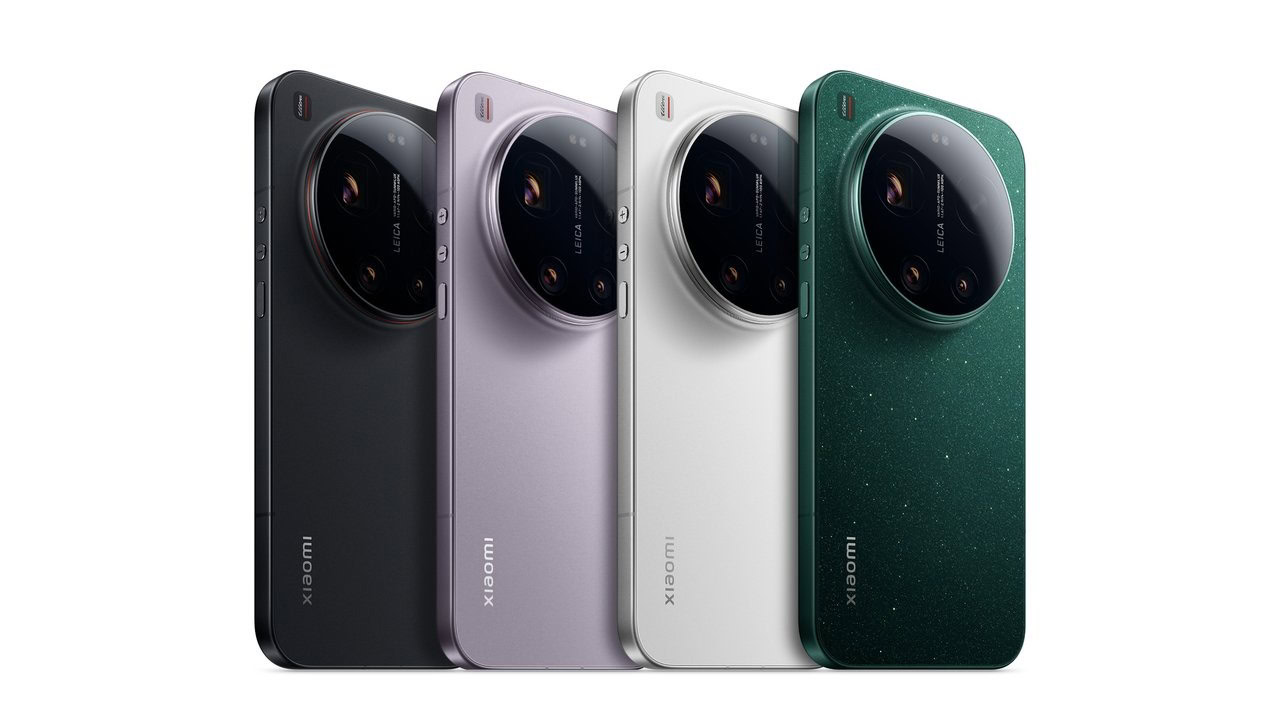
The most compelling element driving excitement for the 17 Ultra is its continued partnership with Leica, a collaboration that has fundamentally reshaped expectations for mobile photography. The standard 17 Ultra is expected to inherit significant optical advancements, but whispers suggest an even more exclusive iteration: the potential Xiaomi 17 Ultra Leica Edition.
This top-tier variant, which commanded an even higher premium in the Chinese market, is not merely a software package. It reportedly incorporates tangible, mechanical hardware innovations. Chief among these is a mechanical rotating zoom ring surrounding the camera module. This feature is a profound statement, suggesting a deliberate move away from purely digital and computational zoom solutions toward physical, variable focal lengths—a hardware feature not seen in mass-market flagships for years. Furthermore, the Leica Edition is distinguished by a unique two-tone aesthetic and exclusive software features, including proprietary Leica film simulation profiles.
The inclusion of physical, variable zoom optics signifies an industry inflection point. While computational photography has achieved miraculous results through software stacking and AI enhancement, true optical hardware offers inherent advantages in image fidelity, especially concerning texture rendering and low-light behavior. If Xiaomi successfully integrates a functional, reliable mechanical zoom system into a thin smartphone chassis, it could force competitors to re-evaluate their hardware roadmaps, shifting focus back to physical optics.
Industry Implications: The Ultra War Escalates
The impending MWC period marks a critical juncture in the smartphone market hierarchy. For years, the "Ultra" moniker has been heavily associated with Samsung’s Galaxy line, signifying the pinnacle of Android engineering, often defined by expansive, feature-rich displays and versatile, if sometimes conservative, camera systems. Xiaomi’s aggressive positioning, especially with its Leica partnership, seeks to redefine what "Ultra" means in 2026: supreme photographic capability above all else.
This competitive dynamic has profound implications for the entire ecosystem. When Chinese OEMs push hardware boundaries, it acts as a forcing function for established players. Samsung and Google, facing market saturation and slower innovation cycles in hardware components, are compelled to respond with more aggressive technological leaps in their own flagships, or risk being perceived as lagging in the most marketable feature: the camera.
The market differentiation strategy employed by Xiaomi is calculated. By focusing heavily on the camera module—making it larger, more complex, and leveraging a globally recognized heritage brand like Leica—they create a clear, tangible differentiator that transcends benchmark scores or general performance metrics. For a growing segment of affluent consumers, the smartphone is their primary camera, and superior image quality justifies a premium investment.
Expert Analysis: The Challenge of Integration and Regulation
From an engineering standpoint, the successful integration of features like a mechanical rotating zoom lens presents significant hurdles. Miniaturization, thermal management, and long-term durability are paramount concerns. A moving mechanical part adds complexity and potential points of failure that traditional fixed lens arrays avoid. The success of the Leica Edition will hinge not just on the quality of the images it produces, but on its ability to withstand the daily rigors of consumer use for several years. Analysts will be keenly watching early teardowns and stress tests to gauge the robustness of this mechanical integration.
Furthermore, the battery size discrepancy between the Chinese and global models underscores a subtle but significant industry challenge: the globalization of high-performance hardware. While local markets might prioritize maximum battery endurance (as seen with the 6,800mAh unit), adhering to strict international transport and safety regulations (like those governing air freight of large batteries) forces compromises. This often results in a tiered product experience, where the absolute best version remains geographically confined, impacting the global perception of the flagship’s potential.
Future Impact and Photography Trends
The Xiaomi 17 Ultra’s launch is poised to influence several forward-looking trends in smartphone technology:
-
The Return of Optical Depth: If the mechanical zoom is successful, it signals a potential shift away from the current reliance on periscope lenses offering only fixed, high-magnification telephoto capabilities. Consumers might begin demanding variable optical zoom across a wider range (e.g., true 2x, 3x, and 5x optical options seamlessly blended) rather than relying solely on digital cropping of a single telephoto sensor.
-
Software-Hardware Symbiosis: The Leica partnership is a masterclass in branding and co-development. Future OEMs will likely seek similar collaborations with established optics or cinematic brands to lend immediate credibility and unique processing pipelines to their camera software. The "feel" and color science of an image are becoming as important as the raw megapixel count.
-
Price Ceiling Expansion: With the Ultra starting near the $1,765 mark, Xiaomi is testing the upper limits of what the mass market will bear for an Android device without folding capabilities. If the hardware innovations justify this price point in reviews, it will provide a psychological benchmark, potentially allowing Samsung and Apple to anchor their future top-tier models even higher.
In summary, the confirmed February 28th global event is set to be more than just an annual product announcement; it is a declaration of intent. Xiaomi is positioning the 17 Ultra not just as a competitor to the Galaxy S26 Ultra, but as a device aiming to set a new global standard for mobile imaging fidelity, utilizing bold mechanical innovation while navigating the intricate regulatory landscape of international commerce. The next few weeks will determine if this ambition translates into market leadership.
