

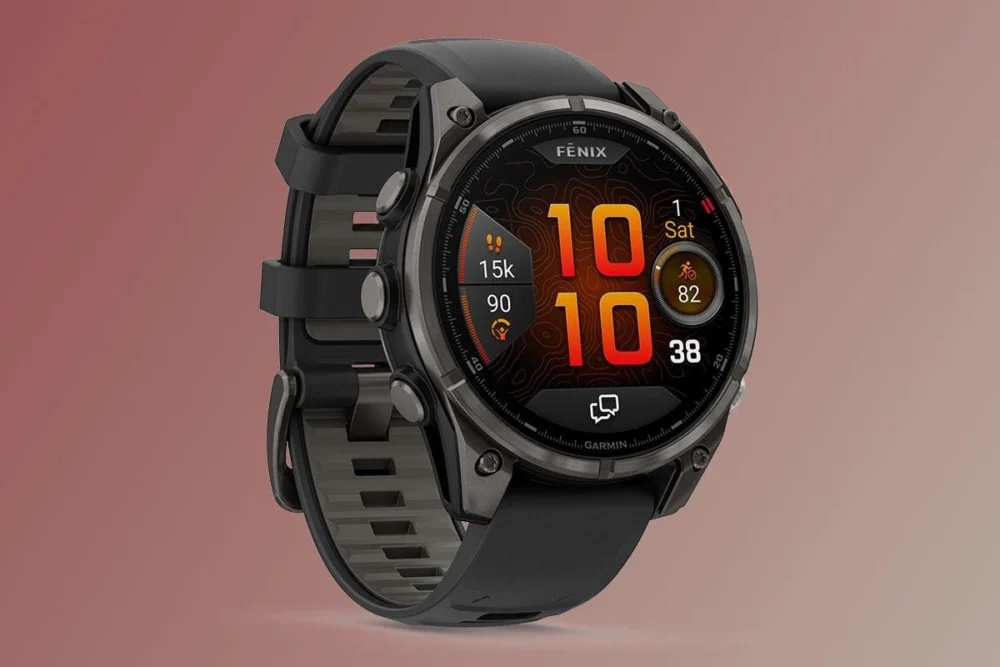
The landscape of high-performance wearables is defined by a relentless cycle of refinement, where the hardware on a user’s wrist is only as capable as the software driving its sensors. Garmin, a long-standing titan in the multisport and adventure watch sector, has recently initiated the rollout of System Software Version 21.25. This update is not merely a collection of bug fixes; it represents a significant functional expansion for the company’s flagship lineup, including the Fenix 8, the Fenix 8 Pro, the Enduro 3, and the more accessible Fenix E. As of mid-February, the deployment of this firmware reached approximately 20 percent of the eligible global user base, following Garmin’s traditional phased approach to ensure stability across its diverse ecosystem of devices.
For the modern athlete, the value of a smartwatch has shifted from simple data logging to sophisticated data interpretation. Version 21.25 leans heavily into this shift, introducing a suite of new "Glances"—Garmin’s terminology for the streamlined information widgets accessible via a quick scroll from the main watch face. These updates signal Garmin’s intent to bridge the gap between hardcore athletic performance and daily lifestyle management, a territory increasingly contested by the likes of the Apple Watch Ultra and the Samsung Galaxy Watch Ultra.
The Granular Evolution of User Interface: New Glances and Metrics
Among the most notable additions in this update is a series of specialized Glances designed to provide immediate context to the wearer’s physical state and environmental situation. For users of the Fenix 8 and its "Pro" sibling, a new weight tracking Glance offers a direct integration point for those monitoring body composition as part of a broader fitness regimen. While Garmin has long supported weight input via its Connect app and Index Smart Scales, bringing this data to the primary UI of the watch emphasizes the importance of the power-to-weight ratio—a critical metric for cyclists and ultra-runners.
Perhaps more intriguing is the introduction of a Glance that details how daily behaviors affect specific health metrics. This feature represents an move toward "causal analytics" in wearable tech. Rather than simply telling a user that their Heart Rate Variability (HRV) is low, the software attempts to correlate that dip with external factors such as late-night activity, training load, or disrupted sleep patterns. This level of insight moves the device from a passive recorder to an active physiological consultant.
Furthermore, Garmin is expanding the lifestyle utility of these rugged devices with a Glance dedicated to sports team results. While a seemingly small addition for a watch built for mountain expeditions, it reflects a broader industry trend: the "one-watch" philosophy. Garmin is betting that if users can check their favorite team’s scores on their Fenix 8, they are less likely to swap it for a more "connected" smartwatch when they leave the trail and head to a social gathering.
Refining the Science of Rest: Sleep Coaching and Circadian Logic
Sleep tracking has become a cornerstone of the Garmin experience, but data without direction often leads to "analysis paralysis" for the user. With Version 21.25, the existing sleep Glance has been overhauled to include proactive recommendations for sleep and wake-up times. This feature integrates deeply with the "Sleep Coach" functionality previously found primarily within the Garmin Connect mobile environment.
By displaying these recommendations directly on the wrist, Garmin is addressing the "pre-sleep" window, where behavioral changes are most effective. The algorithm considers a user’s recent activity history, stress levels, and "Body Battery" reserves to suggest an optimal window for rest. In the context of the Fenix 8 and Enduro 3—watches often used by individuals training at the limits of human endurance—this emphasis on recovery is vital. Overtraining syndrome remains a significant risk for the Garmin demographic, and by elevating sleep coaching to a primary UI element, the company is reinforcing the idea that recovery is a disciplined part of the training cycle, not an absence of it.
Multimodal Training and Operational Flexibility
For the tactical athlete and the multi-sport enthusiast, the update introduces a new activity mode that allows for the recording of multiple activities in immediate succession. While Garmin has long offered a "Triathlon" mode, this new feature provides more flexibility for non-traditional combinations—such as a morning strength session immediately followed by a mobility flow, or a bike-to-run "brick" session that doesn’t follow a standard race format.
This flexibility extends to the watch’s handling of training plans. Version 21.25 allows for more granular control over scheduled workouts, enabling users to filter and focus their plans based on specific goals: timed workouts, cardio-intensive sessions, or optional strength training. This modular approach to training reflects the reality of modern fitness, where an athlete’s schedule might change based on weather, equipment availability, or physical readiness. It moves away from the "rigid calendar" model of coaching toward a more "menu-based" system that respects the user’s autonomy.
Industry Implications: The Software-as-a-Service Paradigm
The release of Version 21.25 highlights a critical trend in the wearable industry: the hardware is becoming a vessel for ongoing software innovation. When consumers purchase a high-end device like the Fenix 8 or the Enduro 3, they are increasingly buying into a multi-year software roadmap. This "evergreen" approach to hardware helps justify the premium price points of these devices, which can often exceed $1,000.

By backporting features and continuously refining the UI, Garmin is also building brand loyalty. The Fenix E, which serves as the entry point into the Fenix ecosystem, receiving many of the same updates as the flagship models is a strategic move to ensure that even "entry-level" premium users feel supported. This prevents "feature envy" and maintains a cohesive user experience across the entire product line.
However, this strategy also places immense pressure on Garmin’s software engineering teams. As the feature set grows, so does the complexity of the codebase. The phased rollout (reaching 20% by mid-February) is a defensive measure against the "bricking" of devices or the introduction of battery-draining bugs—issues that have occasionally plagued Garmin and its competitors in the past. In an era where athletes rely on these watches for navigation in remote wilderness areas, software stability is not just a convenience; it is a safety requirement.
Competitive Analysis: Garmin vs. The "Smart" Giants
The enhancements found in Version 21.25 are a direct response to the evolving competition. For years, Garmin’s primary rivals were other dedicated fitness brands like Suunto, Polar, and Coros. Today, the threat is more horizontal. The Apple Watch Ultra 2 and the Samsung Galaxy Watch Ultra have brought "good enough" battery life and "excellent" smart features to the outdoor enthusiast market.
Garmin’s counter-strategy, as evidenced by this update, is to double down on "deep data." While an Apple Watch might offer a more fluid interface and better cellular integration, Garmin remains the king of biometric synthesis. Features like the behavior-to-health correlation and the granular training plan controls are designed for the "data-obsessed" user who finds the health metrics on more mainstream smartwatches to be too simplified.
Furthermore, the Enduro 3 remains an outlier in the industry due to its extraordinary battery life, which is further optimized by software refinements. By adding lifestyle features like sports scores and better battery glances to a watch that can already last weeks on a single charge, Garmin is attempting to eliminate the last few reasons a user might have to look toward a more traditional smartwatch.
Future Outlook: Toward Micro-LED and Beyond
While Version 21.25 focuses on the current generation of hardware, it also drops hints about the future of the brand. Industry analysts have noted the increasing mention of "Micro-LED" technology in Garmin’s internal documentation and forum discussions. As Garmin moves away from the traditional Memory-in-Pixel (MIP) displays toward vibrant AMOLED screens—and eventually Micro-LED—the software must evolve to take advantage of these higher resolutions and color depths.
The new Glances in this update are clearly designed with high-contrast displays in mind. The use of color-coding for health metrics and the richer graphical representations of sleep cycles suggest that Garmin is preparing for a future where the "rugged" watch looks just as sophisticated as any high-end piece of consumer electronics.
Moreover, we are likely seeing the early stages of AI integration. While "AI" is often a buzzword, the "Sleep Coach" and "Behavior Affects" features are fundamentally algorithmic interpretations of massive datasets. As these algorithms become more refined through subsequent updates, we can expect Garmin watches to move from "descriptive" analytics (what happened) to "prescriptive" analytics (what you should do next).
Conclusion: A Continuous Commitment to the Athlete
System Software Version 21.25 is a testament to the fact that for Garmin, the launch of a watch is just the beginning of its lifecycle. By integrating sophisticated sleep coaching, more flexible activity tracking, and a refined UI, Garmin is ensuring that the Fenix 8, Enduro 3, and Fenix E remain at the cutting edge of the wearable market.
For the user, the update offers a more holistic view of their health, recognizing that what happens during the twenty-three hours a day they aren’t training is just as important as the one hour they are. As the rollout continues to reach the remaining 80 percent of the user base, the feedback from the community will likely shape the next iteration of the Garmin experience. In the high-stakes world of performance wearables, the race never truly ends; it just gets more data-driven.
